Key Takeaway
Repair your siding when damage is isolated, the wall behind it is dry, and matching material is available. Choose replacement when deciding siding repair vs. replacement and damage is widespread, moisture has reached the sheathing, or repairs keep recurring. Fiber cement siding like James Hardie lasts up to 50 years and carries a 30-year non-prorated material warranty, making replacement the smarter long-term investment when your current siding is failing.
Repair your siding when the damage is isolated, the wall behind it is dry and structurally sound, and you can match the existing siding material. Choose replacement when damage is widespread, moisture has reached the sheathing, repairs keep coming back, or the material is near the end of its life. If you’re a Northern California homeowner weighing a 10 to 30 year exterior decision, this is the framework you need, not a cost pitch. Your goal is to protect your most important investment, and the right call depends on what the damage is actually telling you.
Why This Is a Wall-System Decision, Not Just a Surface One
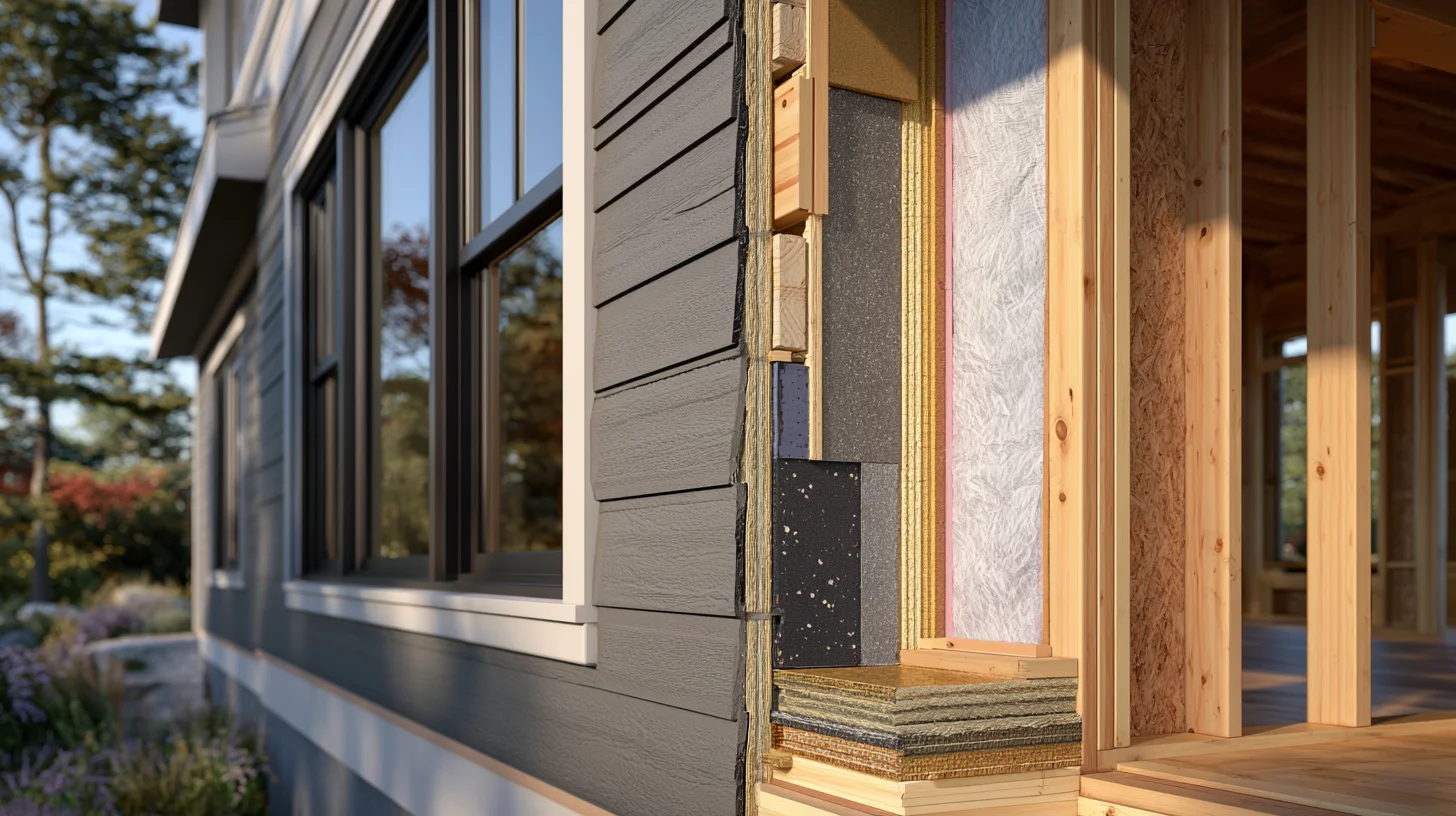
Siding is one layer of a wall system. Behind it sits a water-resistive barrier, flashing, and sheathing, all working together to keep water out of your home. When you only look at the visible panels, you miss the part that actually protects the structure. That’s why a quick patch can be the wrong move: it may cover a spot where water is already getting past the barrier and into the framing. Replacing your exterior siding at the right moment prevents the far more expensive structural damage that follows water intrusion. Treat the decision as a question about your whole home’s exterior, not just the paint you can see.
Quick Decision Matrix: Siding Repair vs Replacement, How to Decide
Use this to gauge where your current siding stands.
| Condition | Repair may be enough | Replacement is smarter |
|---|---|---|
| Extent of the damage | Localized to a few panels | Widespread across multiple sides |
| Moisture presence | No signs of water intrusion | Staining, mold, or damp wall cavity |
| Sheathing condition | Firm and dry | Soft, swollen, or spongy |
| Siding age | Well within service life | Near or past end of life |
| Repair frequency | First or rare fix | Recurring, repeated repairs |
| Material matching | Match still available | Faded or discontinued |
| Fire-resistance goals | Not a priority | Upgrading for WUI areas |
When Siding Repair Makes Sense
Siding repair is the honest answer when repair truly protects the home. That’s the case when:
- Damage is isolated, such as small cracks, small holes, or a loose board
- Matching siding material is available, so the fix blends in
- There’s no sign of water getting behind the siding
- The surrounding siding is still structurally sound
- You need a planned stopgap before a siding replacement you’ve already scheduled
If a storm knocked loose a few loose boards on an otherwise healthy wall, a targeted siding repair is the sensible move. We won’t push you toward replacement when a repair does the job. The point is to protect the wall, and sometimes a small fix to damaged siding is all that takes. Repair can be cheaper upfront, but it only makes sense when it genuinely solves the problem.
When Full Siding Replacement Is the Better Decision
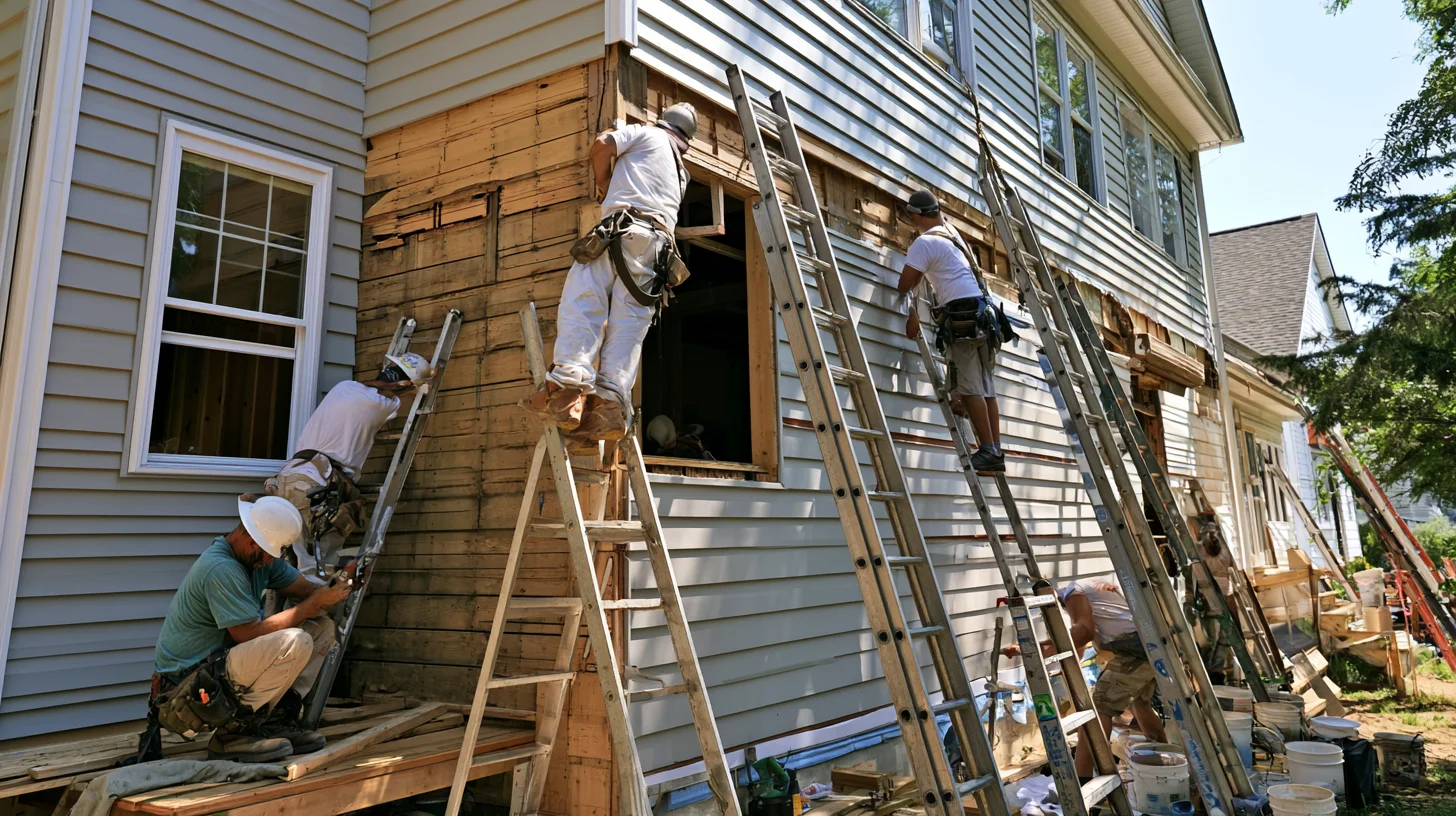
Full replacement earns its keep when the siding system is no longer doing its job. Look for these triggers:
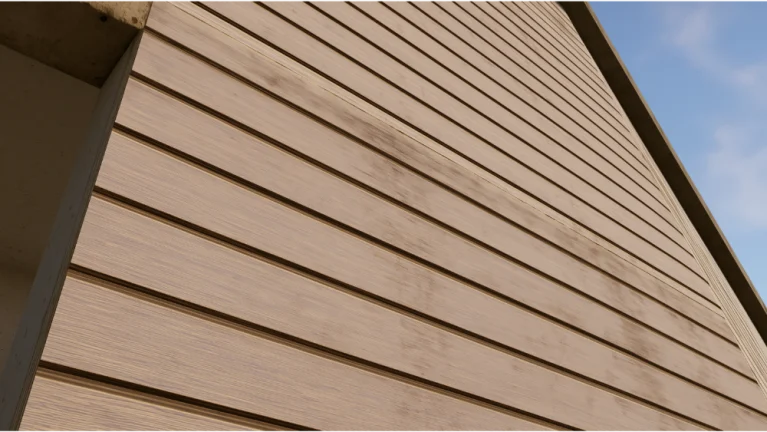
- Widespread cracking, warping, buckling, or bubbling. When these show up across multiple areas, along with loose panels, it points to an installation-wide siding problem, not a one-off.
- Rot or pest damage. Once wood siding starts breaking down, or carpenter ants and other insect damage get in, patching rarely holds.
- Frequent repairs. Repeated fixes signal outdated siding nearing end of life, and those costly repairs add up faster than one done-right project.
- Soft spots or hidden moisture. Spongy siding suggests moisture damage and possible structural failure underneath.
- Failing finish or aged material. Cracking paint and peeling paint that keep returning mean the surface protection is spent.
- Discontinued or mismatched siding. A functional patch on faded panels still reads as patched and hurts your curb appeal.
- Fire-resistant upgrade goals. If you’re hardening your home for WUI areas, full replacement is the moment to move to a better siding material.
Full siding replacement is about doing it right once instead of paying to do it twice, and it stops further deterioration before it spreads.
Warning Signs of Moisture Damage Behind Your Siding
The most telling siding problems don’t announce themselves on the surface. Watch for soft or swollen sheathing, staining, a musty smell, peeling interior paint, and leaks near windows or doors. These point to water in the wall, and water is where the real cost lives. Poor drainage behind the cladding often makes it worse. The EPA notes that mold growth is a moisture problem first: if mold appears, you have to fix the water source, and materials dried within 24 to 48 hours of a leak usually won’t grow mold. That’s why repeated caulking or surface patching isn’t enough when water is actively getting in. A contractor often can’t confirm the extent of the damage until the siding is opened, which is exactly why a professional siding inspection matters before you commit either way.
How Long Does Siding Last, and Does Age Change the Answer?
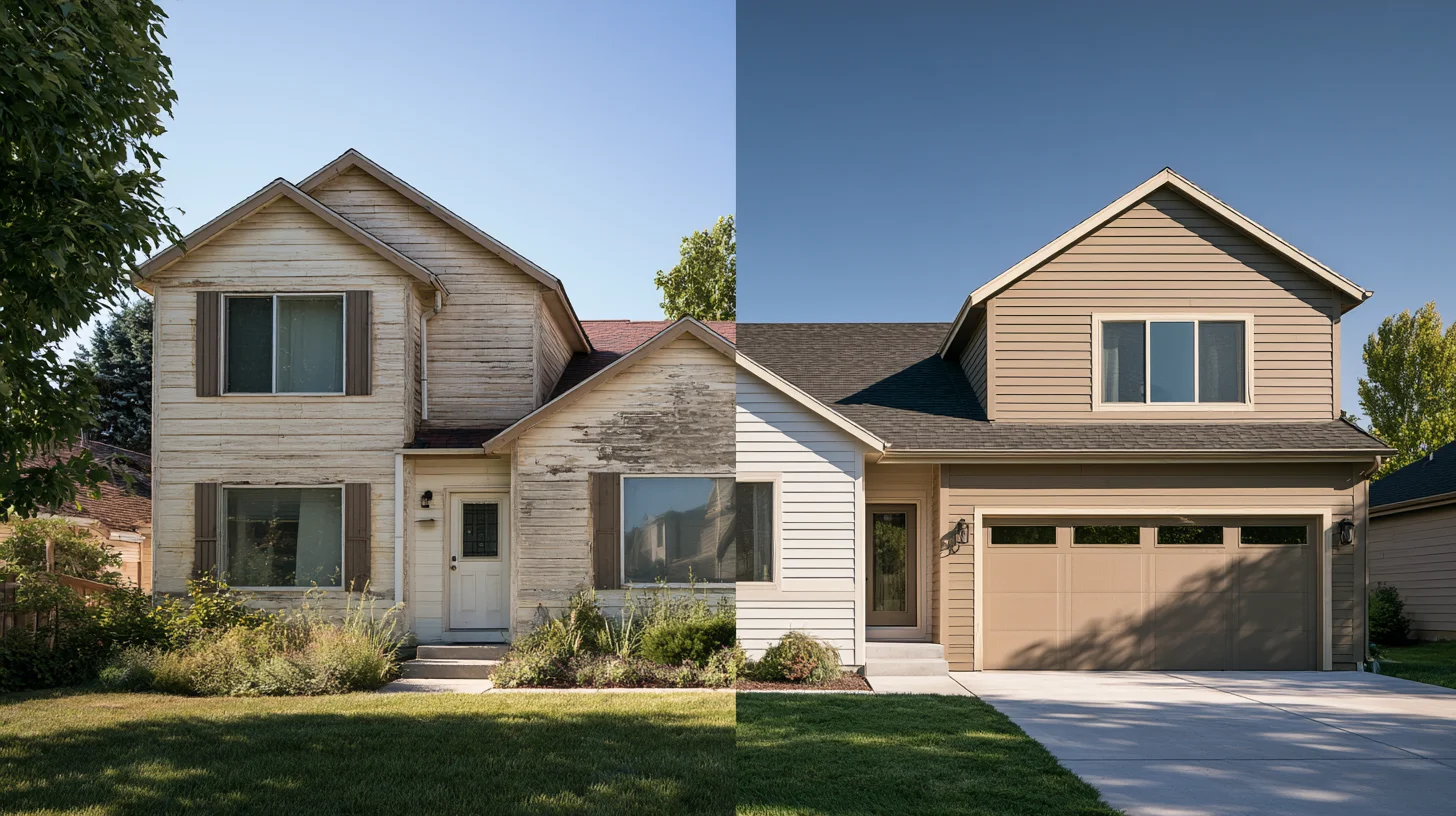
Age reshapes the decision. Vinyl siding generally lasts 20 to 40 years. Cedar siding and other wood varies widely with upkeep. Fiber cement can last decades, up to around 50 years with proper maintenance. As siding materials age past the 20 year mark, repairs tend to become temporary fixes rather than lasting solutions, and matching faded or discontinued panels gets harder every year. Faded old siding also absorbs more heat from constant sun exposure, which chips away at your home’s energy efficiency. If your current siding is near or past its service life, replacement is usually the wiser long-term call than chasing one patch after another.
Northern California Factors That Change the Decision
Northern California’s climate puts real stress on a home’s exterior, and generalist advice often skips these key factors. In Sacramento, the July average daily high sits around 92.6°F, with roughly 75.7 days a year at or above 90°F and 14 days at or above 100°F. That sustained heat and UV exposure wears down finishes and makes fade-resistant new siding worth the investment. Winter rain demands proper drainage detailing behind the cladding, and foothill and mountain properties face freeze-thaw cycles that expose weak installations.
Fire risk deserves its own weight. CAL FIRE recommends replacing combustible wood siding with noncombustible or ignition-resistant siding material as part of home hardening, and NFPA guidance treats the 0 to 5 foot zone around the home as the immediate, noncombustible zone. California’s WUI requirements move into the 2025 California Wildland-Urban Interface Code, effective January 1, 2026. Siding is one part of a whole-home strategy, not a fireproofing guarantee: IBHS found homes with four hardening features had a 54% likelihood of avoiding damage versus 36% with a single action. Sacramento also lists siding among projects that require a permit.
Older Homes: Lead Paint and Asbestos Considerations
Homes built before 1978 may trigger EPA lead-safe (RRP) requirements when a project disturbs painted surfaces, though exterior work of 20 square feet or less falls under a minor-repair threshold. Some old siding contains asbestos, which should never be disturbed casually; the EPA says repair or removal of more than slightly damaged asbestos material requires a trained, accredited professional. If your home predates 1978, treat these as clear signals to bring in a qualified professional before anyone starts cutting into the old siding.
Why Fiber Cement Siding Is a Strong Replacement Choice
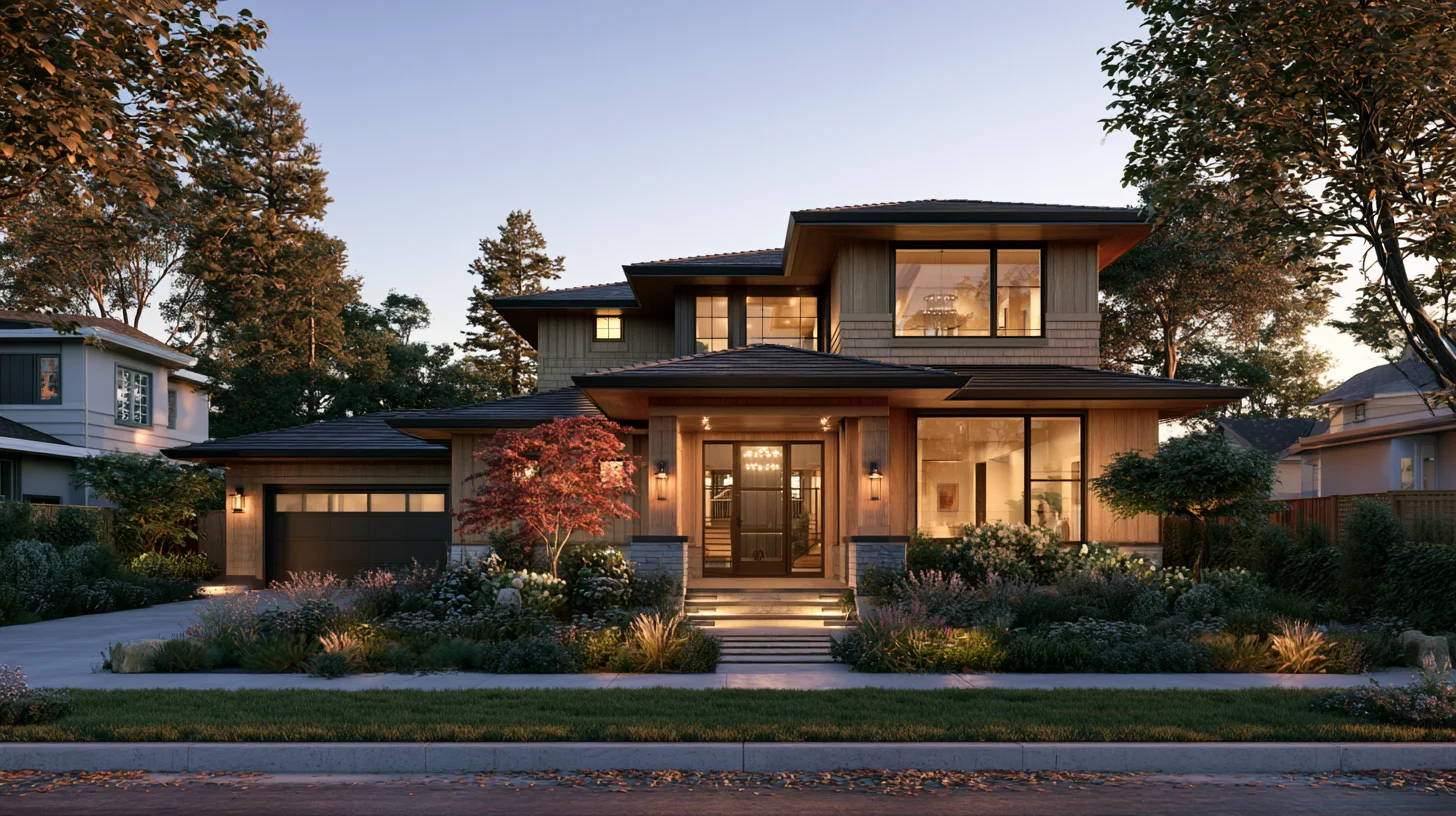
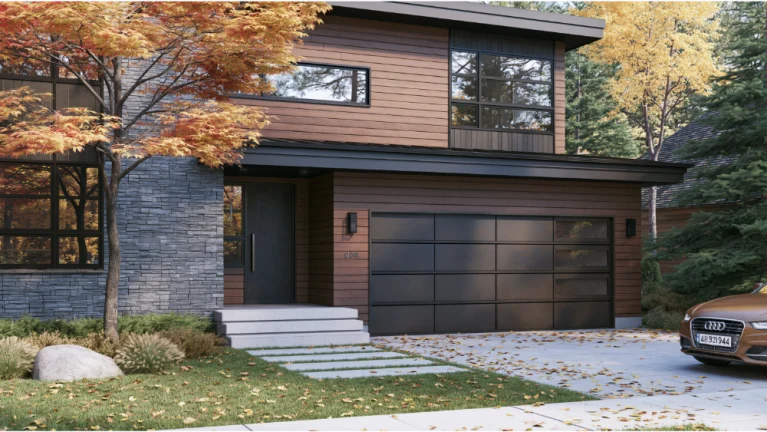
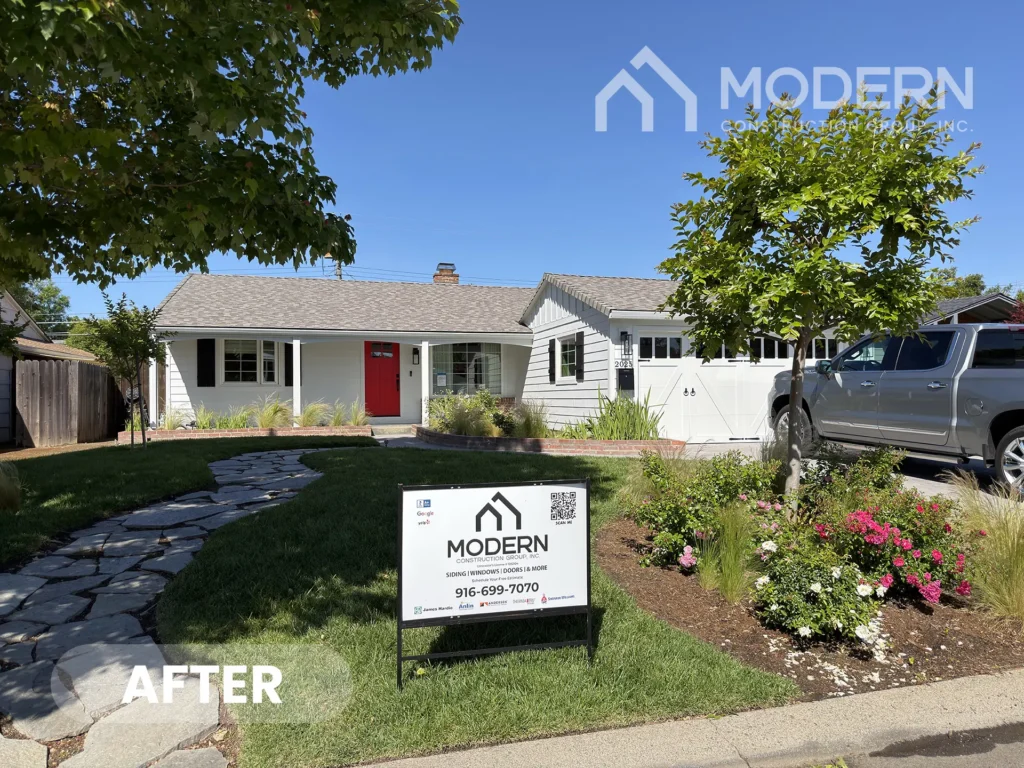
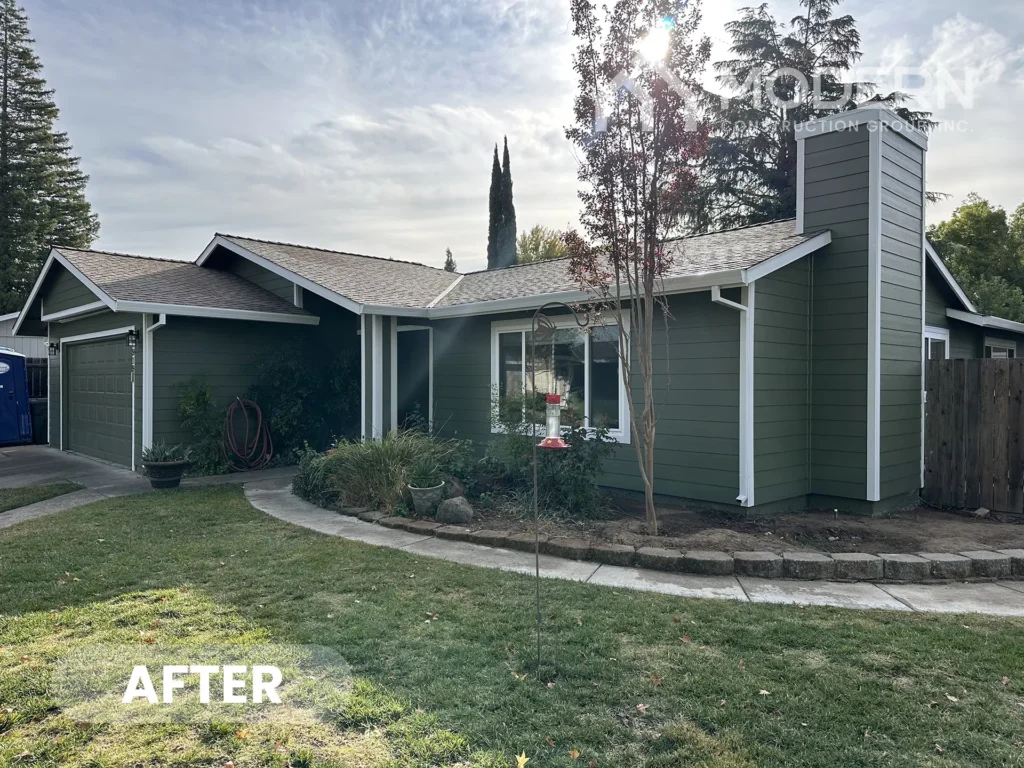
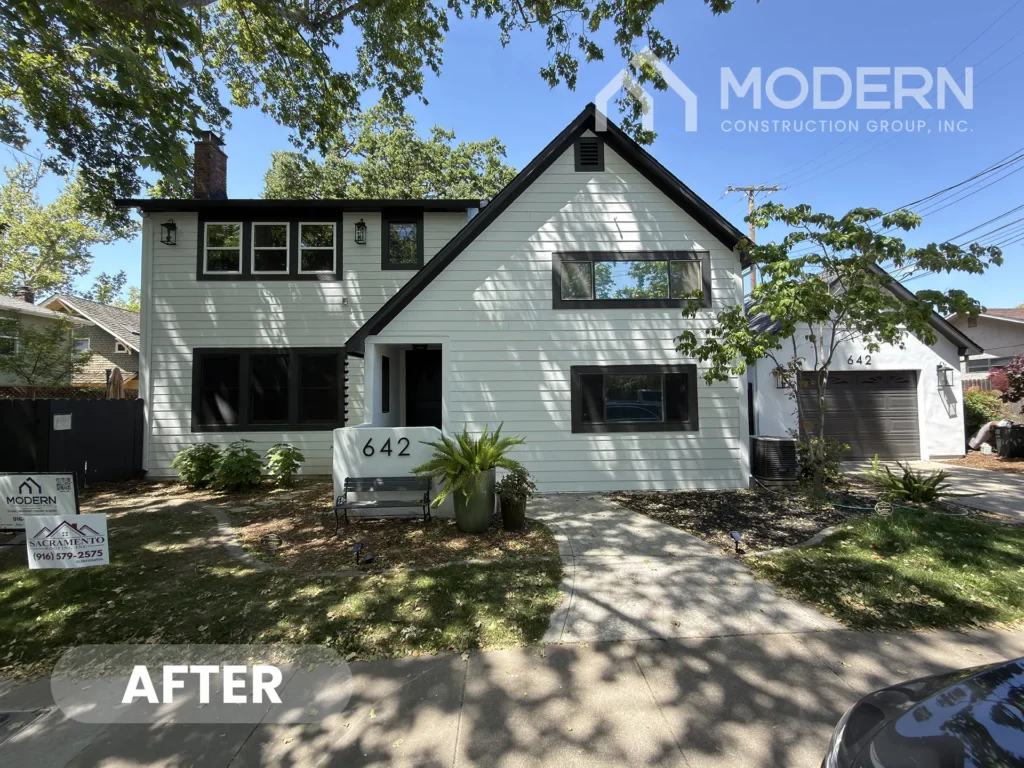
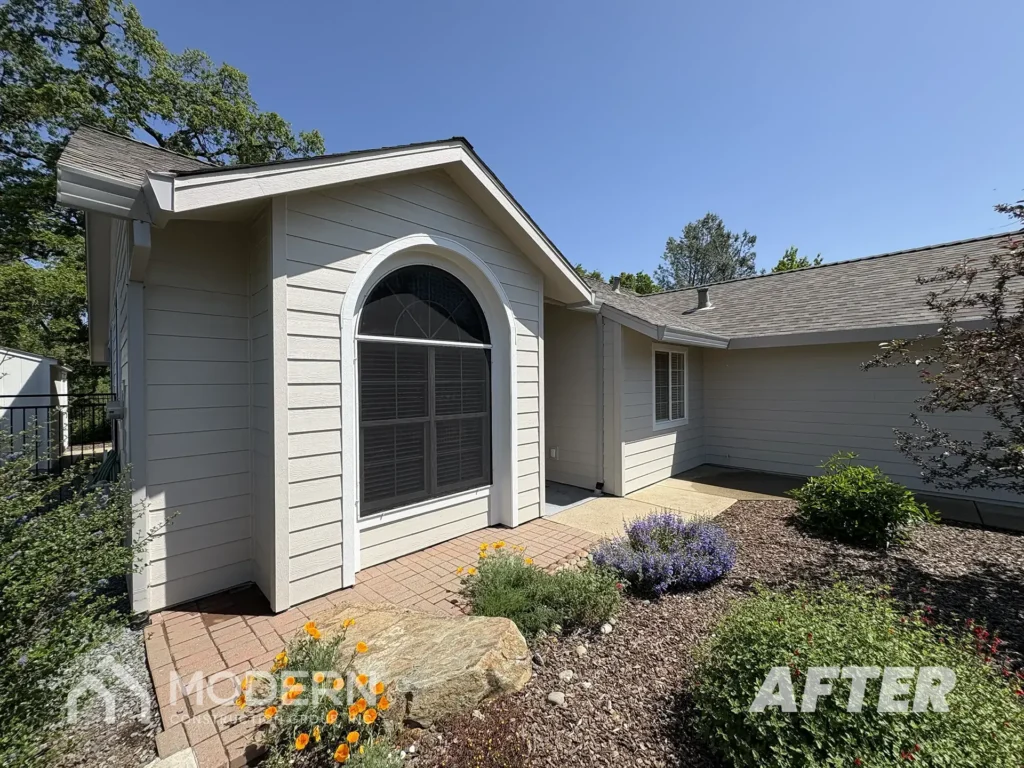
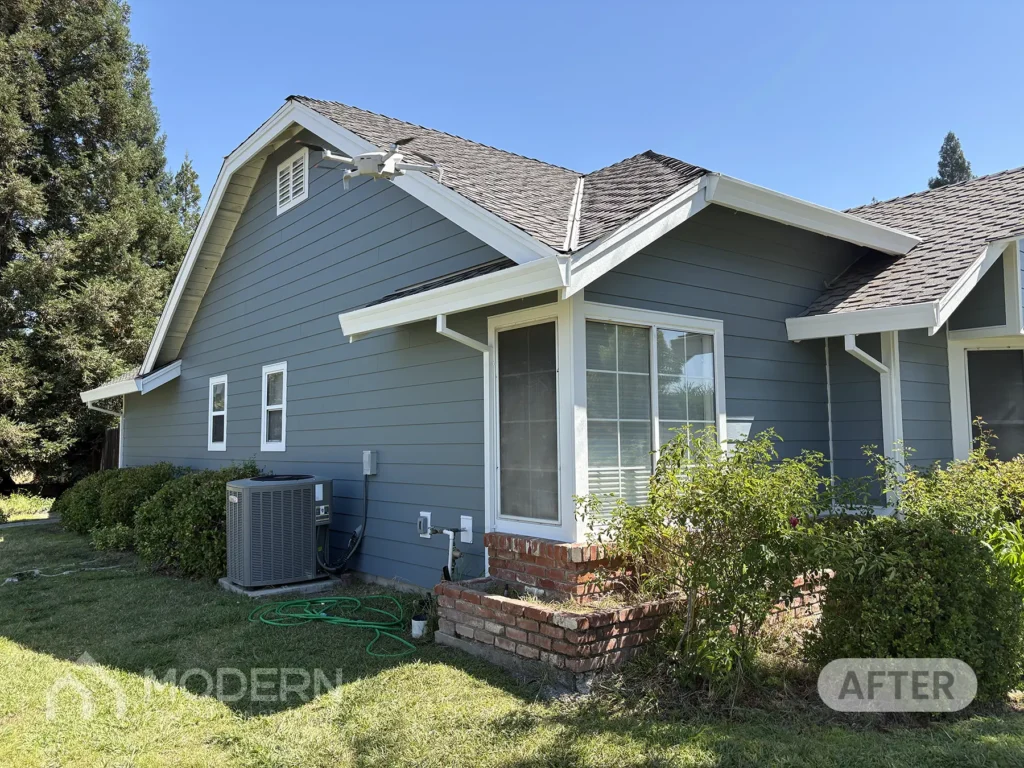
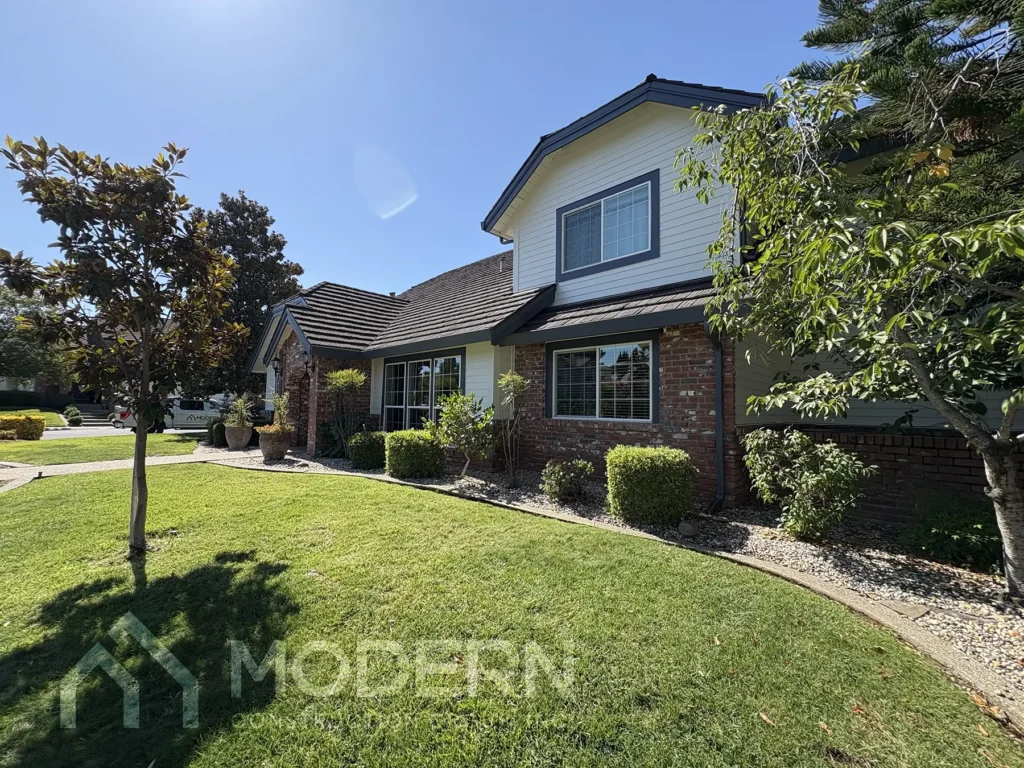
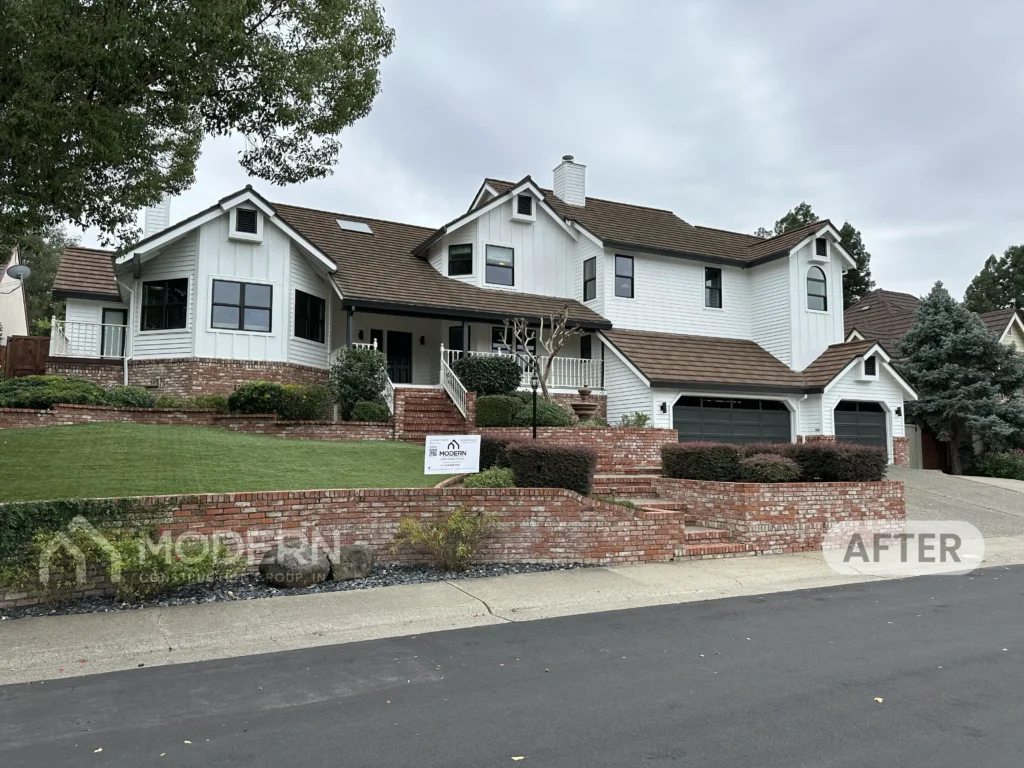
When replacement is the answer, James Hardie fiber cement siding is the gold standard for durability, lasting beauty, and fire resistance. It’s noncombustible and ignition-resistant, and products like HardiePlank lap siding and HardiePanel vertical siding are listed in CAL FIRE’s WUI handbook, which matters for Northern California homeowners hardening against wildfire. ColorPlus® Technology gives you a fade-resistant finish built for our heat and UV. James Hardie fiber cement products carry a 30-year non-prorated material warranty, and ColorPlus® finishes carry a 15-year limited finish warranty. New siding transforms your exterior aesthetic, creates a cohesive updated look, asks for less maintenance, improves energy efficiency, and supports your property value. Many homeowners find that fresh siding does far more to improve curb appeal than any repair to old siding ever could. It’s the right long-term choice for your home’s protection, not a stopgap.
Why Installation Quality Matters as Much as the Material
Even the best siding material fails when it’s not properly installed. Proper flashing, correct clearances, the right fasteners, air sealing against air leaks, and following manufacturer instructions are what protect the wall system, boost energy performance, and keep your warranty intact. Sound installation processes and thoughtful air sealing are why the right work carries as much weight as the product on the wall, and adding insulation during re siding can improve comfort further. Modern Construction Group is a James Hardie Alliance Select Contractor, one of the select few certified for installation expertise, customer service, and business practices, and an Anlin Authorized Dealer. As a family-owned company, our work gets hands-on oversight: owner Gary Chernyetsky checks the workmanship because he has a personal stake in the outcome. We back our work with a 15-year workmanship warranty, and we’re licensed, bonded, and insured under California General Building License #1092104.
Weighing Siding Repair Costs Against Replacement Costs: The Key Factors

Bring this checklist to any contractor conversation with an experienced contractor:
- Is the siding damage isolated or systemic?
- Is there moisture or structural damage behind the siding?
- Will a repair actually match the existing panels?
- How do siding repair costs compare against full replacement costs over the next decade?
- Does the project need a permit? (Sacramento requires one for siding.)
- What warranty applies to the siding material and the labor?
- Who covers change orders if widespread rot or hidden sheathing damage turns up?
- Is the contractor licensed, bonded, and insured, and can you verify the license?
A professional assessment weighing repair or replacement against the expected lifespan of your material gives you the clearest answer. A few California protections help you here. Home improvement contracts over $500 must be in writing, the down payment can’t exceed $1,000 or 10% of the contract price (whichever is less), and you can verify any license through the CSLB. We welcome every one of these questions, because a well-informed homeowner makes the right decision.
Get a Free Estimate from Modern Construction Group
Repair when repair truly protects the home. Replace when the siding system no longer does. Most homeowners come out ahead when they match the fix to the real condition of the wall, and doing it right the first time helps you save money over the long run. We’re a family-owned Northern California specialist focused on James Hardie siding and Anlin windows and doors, because Quality Over Quantity means mastering the work that matters most. Ready for a straight answer on your damaged siding? Get Your Free Estimate Today and call (916) 699-7070. Financing is available, and we’re happy to walk you through the options.