Key Takeaway
When comparing window frame materials, vinyl and fiberglass are the strongest all-around choices for most homeowners, offering low maintenance, good insulation, and durability lasting 20 to 30 years. Fiberglass leads on insulating performance and dimensional stability, while premium vinyl delivers similar energy efficiency at lower cost. Aluminum insulates poorly without a thermal break, and wood offers natural warmth but requires repainting every three to five years.
Which Window Frame Material Is Best? The Short Answer
For most homeowners planning new windows, premium vinyl and fiberglass windows are the strongest all-around choices. Both deliver good insulation, low maintenance, and long-term durability, which is what you want from a decision you’ll live with for the next 20 or 30 years. Fiberglass typically edges out the other materials on raw insulating performance and dimensional stability, while quality vinyl offers most of that same energy efficiency with the least upkeep. Aluminum windows are very strong but conduct heat readily, so aluminum frames insulate poorly unless they are thermally broken. Wood windows are beautiful and naturally insulating, but wood asks for the most attention over time.
Here’s the reframe that matters: the best window material is really the frame plus the glass package, the NFRC energy ratings, the quality of installation, the warranty behind it, and how well it fits your climate. Frame material is one input, not the whole answer. The cost of a window also reflects those factors, not just the material name on the label. Choose it with that context in mind and you’ll make an informed decision you won’t second-guess a decade from now.
Quick Comparison of Different Window Materials: Vinyl, Fiberglass, Aluminum, and Wood
Each of these different window materials brings real strengths and real tradeoffs. Use this as a fast reference, then read the detailed sections for the reasoning behind each.
| Material | Energy Efficiency | Durability | Maintenance | Appearance | Best Fit | Watch-Outs |
|---|---|---|---|---|---|---|
| Vinyl | Good, low thermal conductivity | Strong, no rot or rust | Minimal, just cleaning | Clean, limited color choices and style options | Efficient new windows | Quality varies by product line |
| Fiberglass | Excellent across temperature extremes | Very high, low expansion | Minimal | Slim, paintable | Large openings, premium jobs | Fewer lines, precise install needed |
| Aluminum | Poor unless thermally broken | Very high, lightweight | Simple cleaning | Slim, modern profiles | Structural or design-driven uses | Conducts heat, condensation risk |
| Wood | Excellent natural insulation | Good with upkeep | High, refinishing needed | Classic, warm | Historic and traditional homes | Rot and warping without maintenance, higher cost |
Why Window Frame Materials Matter, But Aren’t the Whole Story
The frame is what you see, but the numbers on the window’s label tell you how it will actually perform. Learn to read them and the rest of this article falls into place.
Windows are certified as a whole unit by the National Fenestration Rating Council (NFRC), an independent third party that verifies energy performance so you’re not relying on a manufacturer’s marketing. A few ratings do most of the work:
- U-factor measures how much heat passes through the window. Lower is better for insulation.
- SHGC (solar heat gain coefficient) measures how much of the sun’s heat comes through. Lower is better in cooling-dominant climates.
- Air leakage measures how much air moves through the assembly, rated in cfm/ft². Lower means fewer drafts.
- Condensation resistance and visible transmittance round out the picture on moisture and daylight.
Frame material influences the overall energy rating, since vinyl, wood, and fiberglass windows all resist heat transfer better than bare metal. But the glass package usually drives energy efficiency more than the frame does. That’s why two windows with the same window frames can rate very differently. Windows account for 25% to 30% of residential heating and cooling energy use, according to the U.S. Department of Energy, so these numbers translate directly into comfort and your monthly energy bills. Compare the label, not just the material.
Vinyl Windows: Minimal Maintenance and Energy Efficient
Vinyl windows are made from polyvinyl chloride, a material with naturally low thermal conductivity. That gives quality vinyl frames good insulating properties without much effort on your part. Vinyl doesn’t rust, rot, or absorb moisture, and it never needs painting. Cleaning is about the extent of the upkeep, which is a big reason vinyl has become the default for energy efficient new windows across the country and a cost effective choice for many homeowners.
Vinyl also pairs well with advanced glass packages, so you can build a genuinely high-performing window on a vinyl frame. The honest limitations: color and paint flexibility is narrower than wood, and quality varies a lot between product lines, which affects both performance and cost. Lower-grade vinyl can warp or sag under sustained extreme heat, which is exactly the kind of thing that separates a premium product from a bargain one. For budget conscious homeowners, the lower upfront cost of vinyl compared with other materials is a real draw.
As an Anlin Authorized Dealer, we install premium Anlin vinyl windows engineered for performance, with Low-E3 glass for energy savings and a lifetime warranty that includes accidental breakage coverage. We’re clear about this: vinyl isn’t the only valid material, but a well-built vinyl window with the right glass is a strong fit for most Northern California homes and delivers strong long term value.
Fiberglass Windows: Strength and Stability
Fiberglass window frames are made from glass fibers bound in resin, which makes the frame stiff and dimensionally stable. One quiet advantage matters more than it sounds: fiberglass expands and contracts at nearly the same rate as the glass it holds. That puts less stress on seals over the years, which helps the window hold a tight seal longer.
On insulation, fiberglass frames typically outperform vinyl, wood, and aluminum, and they hold that excellent insulation in both extreme heat and cold. Fiberglass resists heat, cold, and water, and asks for very little maintenance. This makes fiberglass windows a strong pick for large openings, slim sightlines, and premium applications where you want strength without a bulky frame.
The tradeoffs are availability and precision. Fewer manufacturers offer full fiberglass lines, customization can be more limited, and the material rewards careful, exact installation. That precision can also raise the installed cost. A composite window sits in the same family, blending composite materials to combine durability with energy efficiency, and composite windows are worth asking about if fiberglass appeals to you but you want more finish and style options.
Aluminum Windows: Strong but Thermally Conductive
Aluminum is extremely strong and lightweight, which lets aluminum frames carry slim profiles and large panes with minimal bulk. Maintenance is simple, mostly just cleaning. For modern designs and structural spans, those qualities are genuinely useful.
The core weakness is thermal. Aluminum conducts heat readily, so a basic aluminum frame without a thermal break insulates poorly and lets heat escape while inviting condensation in extreme cold. A thermal break is a non-conductive barrier placed between the interior and exterior metal, which interrupts that heat flow and makes a real difference in performance. Thermally broken aluminum windows are a different product from basic aluminum frames, and the distinction is worth confirming before you buy, because it changes both performance and cost.
Aluminum can also corrode in humid or coastal conditions. For standard residential energy goals, aluminum is usually not the first choice, but for specific design or structural situations it earns its place, especially in a thermally improved form.
Wood and Wood Clad Windows: Timeless Beauty, Higher Maintenance
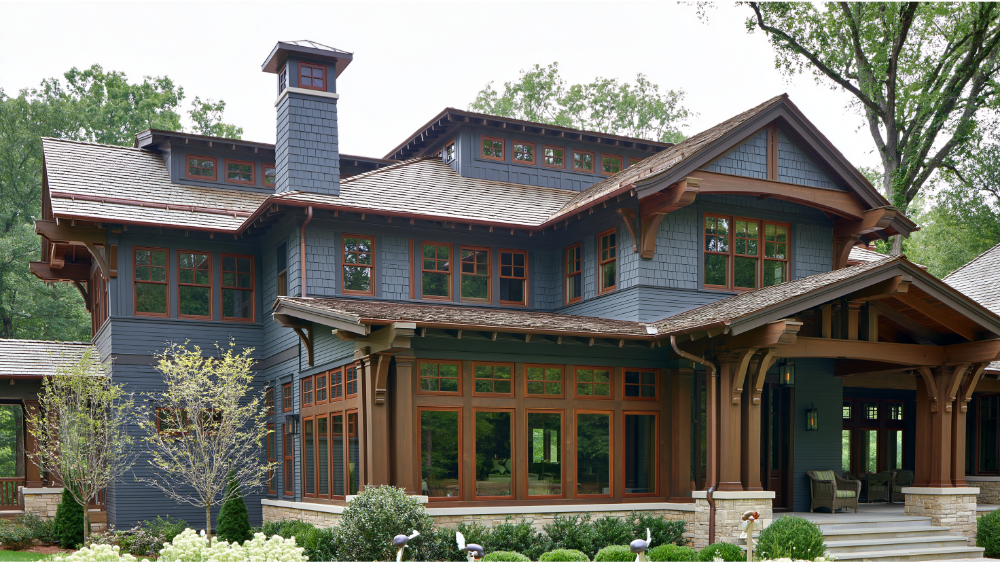
Wood has an insulating quality and a warmth that manufactured materials work hard to imitate. For historic and traditional homes, wood windows are often the right call for both authenticity and comfort, since wood naturally resists heat loss well and carries a timeless beauty that other materials chase.
The cost of that beauty is upkeep. Wood window frames generally need repainting or restaining roughly every three to five years to hold off rot, and without regular maintenance wood is vulnerable to warping and moisture damage. Wood also tends to be the most expensive of the four window materials. This is a long-term commitment, and it deserves an honest look at whether you’ll keep up with the maintenance requirements the material demands.
Clad wood and composite options exist for a reason. Wood clad windows wrap the exterior in aluminum or vinyl to cut down on outside maintenance while keeping a real wood interior, though they add some system complexity and cost. Composite windows combine the look of wood frames with vinyl-like less maintenance and durability, plus solid energy efficiency. Either can be a smart middle path if you love wood but not the ladder work.
What Matters More Than the Frame Material
Once you’ve picked a material you like, the details below decide whether the window actually performs. This is where good windows separate from great ones.
- The NFRC label gives you the verified U-factor, SHGC, and air leakage numbers to compare across products and window materials.
- ENERGY STAR certification for your climate zone confirms the window is tuned for your region, not a generic average.
- The glass package (Low-E coatings, gas fills between panes, and warm-edge spacers) often drives energy efficiency more than the frame while still letting in plenty of natural light.
- Weatherstripping and frame construction quality control drafts and long-term tightness.
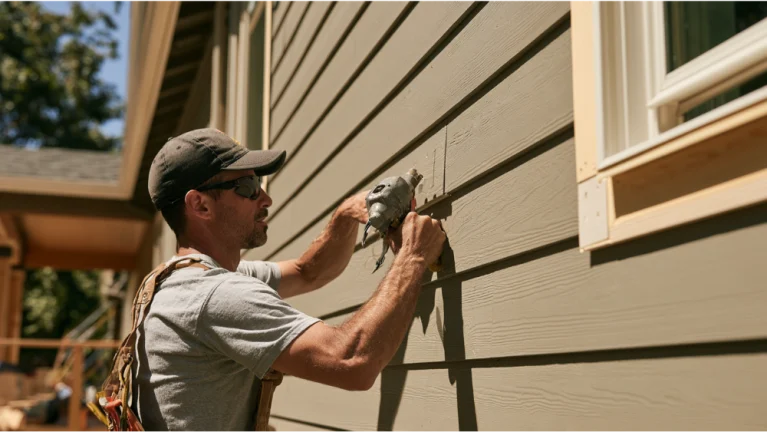
- Installation method determines whether any of it holds up.
The numbers back this up. ENERGY STAR certified windows can cut heating and cooling bills by an average of up to 13% nationwide compared with non-certified products, and a standard double-pane window lets in roughly 75% of the sun’s heat, which the right glass package can reduce substantially while still welcoming sunlight. ENERGY STAR is also direct about installation: even the best windows can be drafty if they’re installed poorly, and it recommends trained, manufacturer-authorized professionals who follow the manufacturer’s instructions. A premium window installed carelessly is just an expensive draft, which is why installer credentials belong on your checklist alongside the window materials themselves.
Choosing Window Frame Materials for Northern California’s Climate
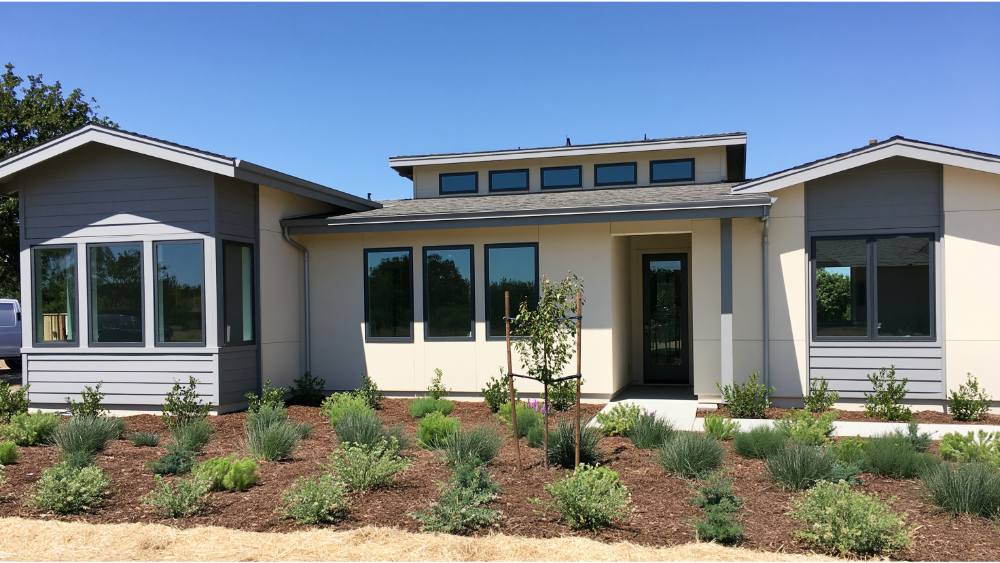
The right windows here depend on where in the region you live. Valley heat, foothill cold, and fire exposure each push the decision in a different direction, and each rewards different materials. Extreme weather at either end of the thermometer is exactly why frame materials and glass choices matter so much locally.
Sacramento and Valley Heat
In Sacramento and the Central Valley, cooling load is the main concern. Prioritize a low SHGC and a high-performance Low-E glass package to keep the sun’s heat out and your energy costs down. Both vinyl and fiberglass windows perform well here when paired with the right glass, so the frame choice comes down to your maintenance, style, and cost preferences rather than efficiency alone.
Foothills, Cold Climates, and Higher-Elevation Homes
Closer to the foothills and mountain-adjacent areas, colder and snow-prone conditions shift the priority toward a low U-factor and tight air leakage. In these cold climates, fiberglass holds its insulating performance well through temperature extremes, vinyl frames remain a strong value, and installation quality matters even more when you’re trying to keep heat in through a cold night. Bare aluminum frames without a thermal break are the weakest fit here.
WUI (Wildland-Urban Interface) Fire Areas
If your house sits in a wildland-urban interface zone, windows are part of home hardening. CAL FIRE recommends upgrading to double-pane tempered glass, and new construction in WUI areas carries specific exterior window product and approval requirements. Confirm approved products with your local building official before you buy. The right glass improves resistance and helps protect the home, though no window can make a home fireproof.
California Energy Code and Older Homes
California uses 16 climate zones, and fenestration requirements vary by zone. Sacramento is Climate Zone 12. Under the 2025 California Energy Code, the prescriptive maximum window assembly U-factor in Climate Zone 12 dropped to 0.27 for new construction and prescriptive compliance contexts. Glazed doors with 25% or more glazed area are treated like windows and must meet the same U-factor and SHGC requirements, which matters if you’re replacing patio or sliding glass doors. One more note for older homes: the EPA identifies homes built before 1978 as more likely to contain lead-based paint, and replacing windows can disturb it, so lead-safe RRP practices apply during that work.
How to Choose the Right Window Material for Your Home
Start with your top goal, then confirm the specifics with the NFRC ratings. This quick guide matches common priorities to a starting point among the different materials, since replacement windows are a long-term decision:
- Lowest maintenance: vinyl or fiberglass windows.
- Best all-around energy efficiency: fiberglass, or premium vinyl with a strong glass package.
- Traditional or historic style: wood or wood clad windows.
- Large or slim-profile openings: fiberglass or thermally broken aluminum windows, which offer more flexibility for big spans.
- Cold climates and higher elevations: fiberglass or quality vinyl with a low U-factor.
- WUI-conscious replacement: focus on tempered, double-pane glass and locally approved products.
- Noise reduction and comfort: whole-system performance built on a quality glass package.
Match the material to your goal, your climate, and a long-term view of value and cost, then verify the choice against the NFRC label before you commit.
Questions to Ask Before You Buy New Windows
A good installer will answer all of these without hesitation. Bring this list to your estimate:
- What are the NFRC U-factor and SHGC?
- Are these ENERGY STAR certified for my climate zone?
- Do they meet local California energy code for my area?
- What glass package is included?
- What does the warranty cover: glass, parts, labor, accidental breakage, and transferability?
- Who installs them, and are the installers manufacturer-authorized?
- Is my home pre-1978, and does lead-safe work apply?
- Is this a retrofit or full-frame replacement, and how will air sealing and water management be handled?
What is the best window material overall?
For most homeowners, premium vinyl and fiberglass windows offer the best balance of insulation, low maintenance, and durability. The real answer depends on the whole window, including the glass package, NFRC ratings, and installation quality, not the frame material alone.
Are vinyl windows better than fiberglass windows?
Fiberglass typically insulates a bit better and is more dimensionally stable, while quality vinyl windows offer similar energy efficiency with the lowest maintenance and broader availability. Both are strong choices when paired with a good glass package, and cost often decides between them.
Are aluminum windows bad for energy efficiency?
Basic aluminum frames conduct heat and insulate poorly, which raises condensation risk in cold climates. Thermally broken aluminum windows perform much better and are a different product, so confirm which one you’re being quoted.
What do U-factor and SHGC mean?
U-factor measures how much heat passes through the window, and lower is better for insulation. SHGC measures how much solar heat enters, and lower is better in hot, cooling-dominant climates like the Central Valley.
Do new windows need to meet California energy code?
Yes. Requirements vary by California’s 16 climate zones, and Sacramento’s Climate Zone 12 has a prescriptive maximum window U-factor of 0.27 under the 2025 California Energy Code. Confirm current requirements with your local building official.
Work With a Focused Window and Door Installer
Choosing the right material is half the decision. The other half is choosing someone who installs it correctly and stands behind the work. We’re a family-owned company that has deliberately narrowed our focus to two things we can do exceptionally well, and Anlin window and door replacement is one of them. Anlin also keeps advancing its window technology so your home benefits from the latest performance improvements.
As an Anlin Authorized Dealer, we install premium Anlin windows and doors with Low-E3 glass and lifetime warranty coverage that includes accidental glass breakage. Our certified installers back every project with a 15-year workmanship warranty, and we’re licensed, bonded, and insured under California license #1092104. With over 25 years of experience serving Northern California homeowners, we treat your home like the long-term investment it is.
Ready to compare your window materials with someone who will give you straight answers? Get Your Free Estimate Today by calling (916) 699-7070. Financing is available, and we’re happy to walk you through what fits your home, your climate, and your cost expectations.