Key Takeaway
California homes are best served by window types including sliding, single hung, double hung, casement, awning, picture, bay, bow, and garden windows, each suited to specific architectural styles and room functions. The right types of windows for California homes balance ventilation, energy efficiency, and code compliance for your climate zone. Low-E coatings can cut cooling energy use by up to 30%, and Sacramento homeowners must meet 2025 California Energy Code standards effective January 1, 2026.
The main window types for California homes are sliding, single hung windows, double hung windows, casement, awning, picture, geometric, bay and bow windows, and garden windows. But the right one for your home depends on more than looks. It comes down to your home’s architectural style, how each room is used, sun exposure, ventilation, code requirements, and Northern California’s climate. You want energy efficient windows that look right and keep performing for decades. This guide is for Northern California homeowners planning a replacement who want to make that decision with confidence.
How to Choose the Right Window Style for Your Home’s Architectural Style
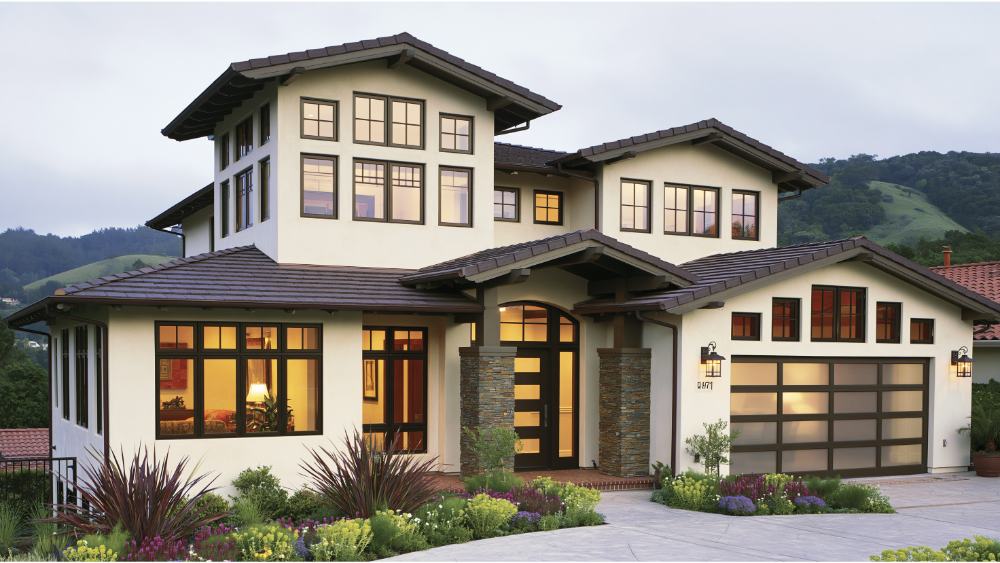
California’s microclimates range from valley heat to mountain snow, so the right window has to balance how it looks with how it performs. Style is only the starting question. Five factors decide the right window when choosing windows for a remodel:
- Architectural style — the window should suit your home’s architectural style and design.
- Room function — a bedroom, kitchen, and living room ask for different things.
- Ventilation and airflow — how much cross-breeze you need.
- Sun exposure and energy efficiency — especially against valley heat.
- Code, egress, and WUI considerations — the rules that protect you.
Get those five right and you end up with replacement windows that deliver maximum natural light, encourage cross-ventilation, and hold up to Northern California conditions. The choice of window materials matters too, since it shapes both durability and minimal maintenance over the years. The same logic applies to Southern California homes, where warmer year-round temperatures put an even higher premium on energy savings, and Southern California homeowners face intense sun that makes low-heat glass a priority.
The Main Types of Windows Styles That Suit California Homes
Sliding Windows
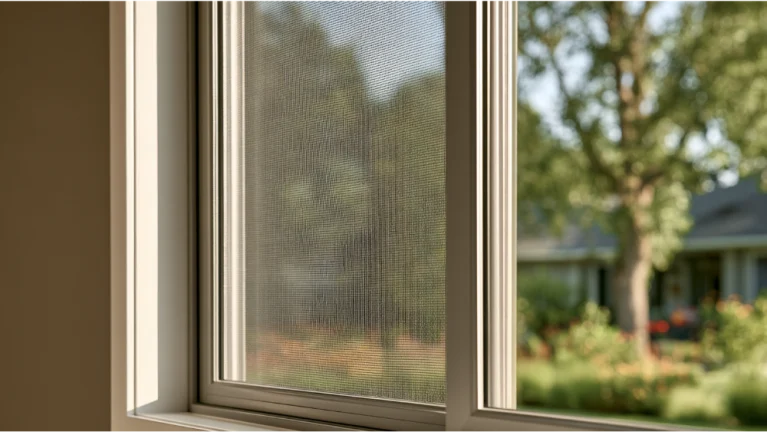
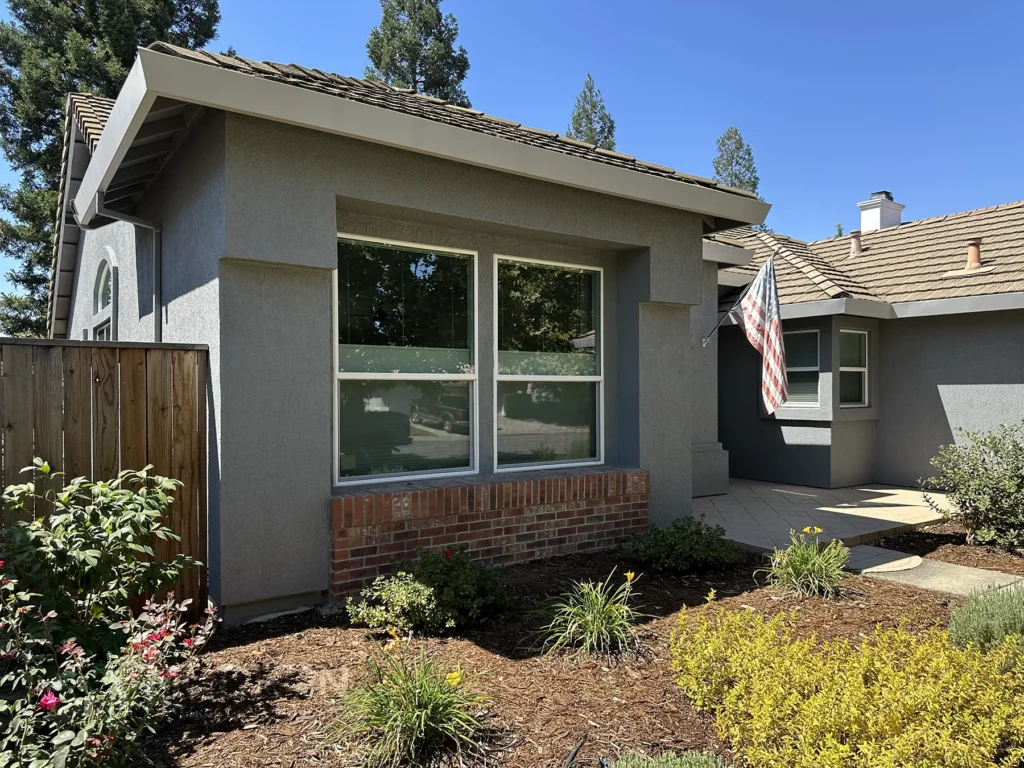
One sash slides horizontally past the other, so nothing swings outward into a walkway or patio. This is how sliding windows work, and it is a popular window design whose clean lines suit ranch, mid-century, and many Sacramento-area suburban homes. Sliding windows also work well in wide openings.
Single Hung Windows
The bottom sash operates and can tilt inward for easy cleaning while the top sash stays fixed. Single hung windows offer a classic, familiar look that fits bedrooms, hallways, and traditional elevations, and their low maintenance operation keeps them practical for decades.
Double Hung Windows
Both sashes move vertically, so you can lower the upper sash and raise the bottom for more air circulation. Double hung windows are a strong choice for Craftsman, bungalow, and two-story homes, and the tilt-in sashes make cleaning upper floors simple.
Casement Windows
Hinged on the side and cranked outward, casement windows seal tightly when closed and open fully for excellent energy efficiency and fresh air. They are great for kitchens and modern homes where controlled ventilation matters, and they rank among the most energy efficient options because of that tight seal.
Awning Windows
Top-hinged and opening outward from the bottom, awning windows let you keep them open during light rain. Ideal for bathrooms, above kitchen counters, and higher wall placements where privacy counts.
Fixed and Picture Windows
Fixed windows have no operable sash, and large picture windows deliver expansive views and abundant light. They rank among the most energy efficient window designs because there’s no moving seal. Pair them with operable windows where you also need airflow.
Geometric, Bay and Bow Windows
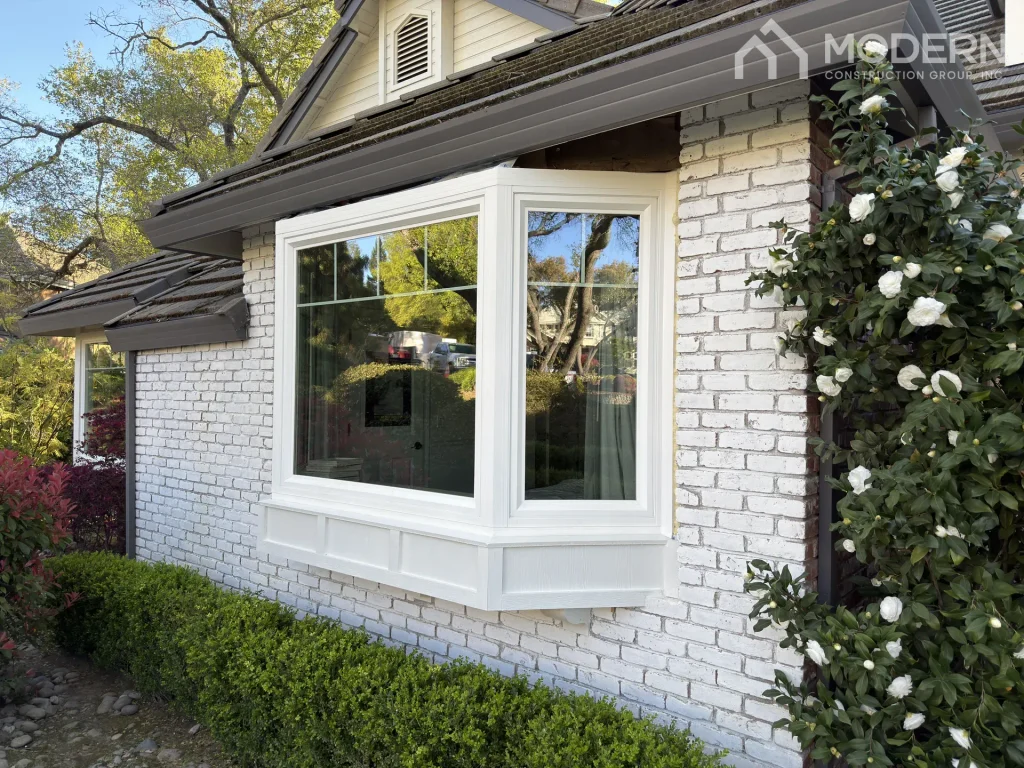
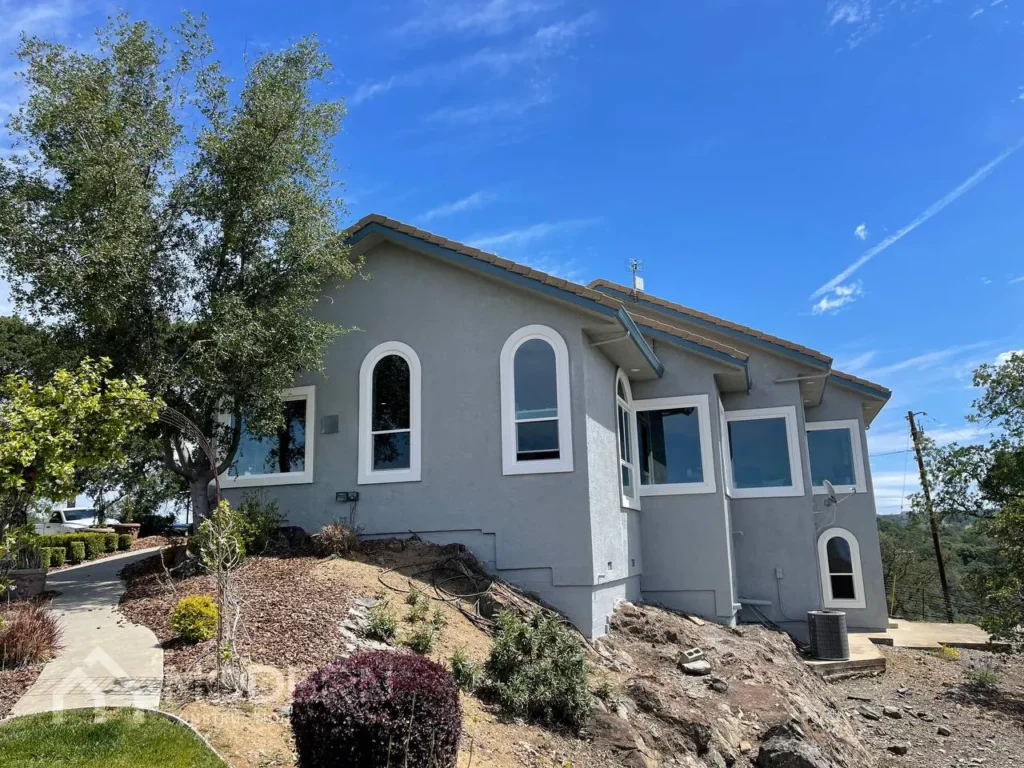
Geometric shapes like arches and half-rounds add architectural interest to gables and custom facades. Bay windows project outward with an angular three-panel design, while bow windows use four or more panels for a softer curve. Bay and bow windows both add depth and additional interior space to living rooms and front elevations.
Garden Windows
These project outward with a small shelf, bringing extra sunlight into a kitchen and giving you a spot for plants.
Which Window Styles Fit Many Architectural Styles?
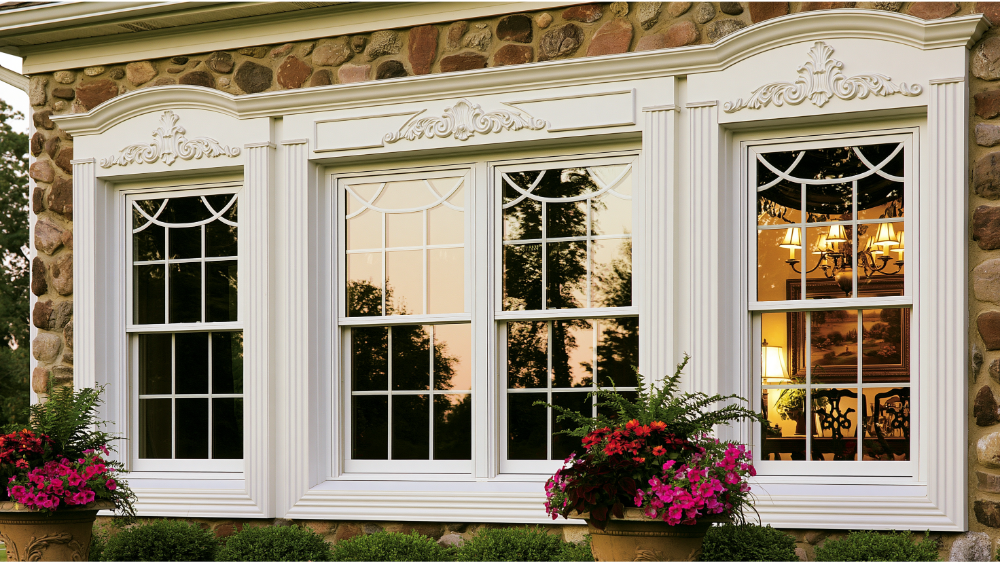
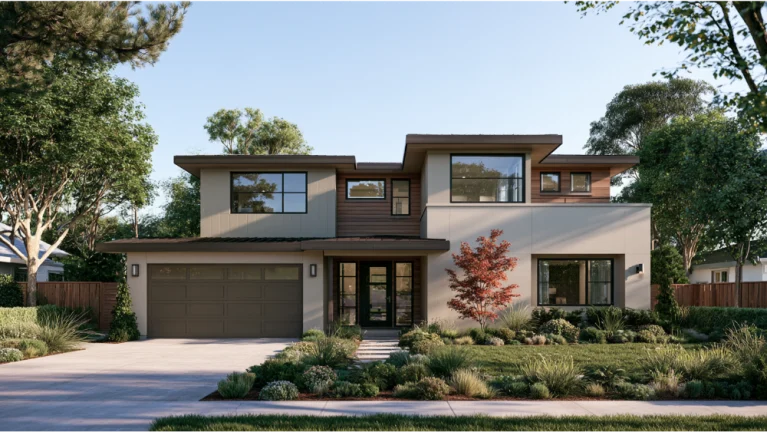
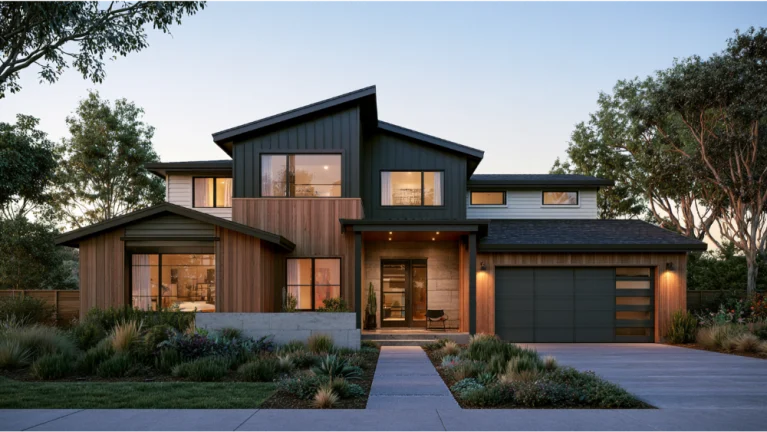
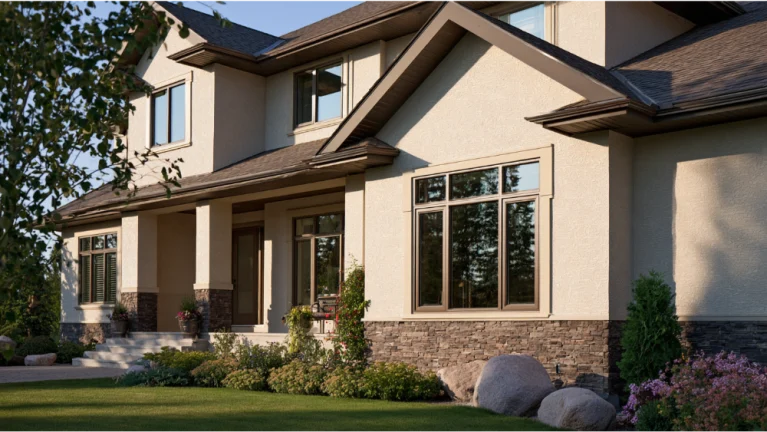
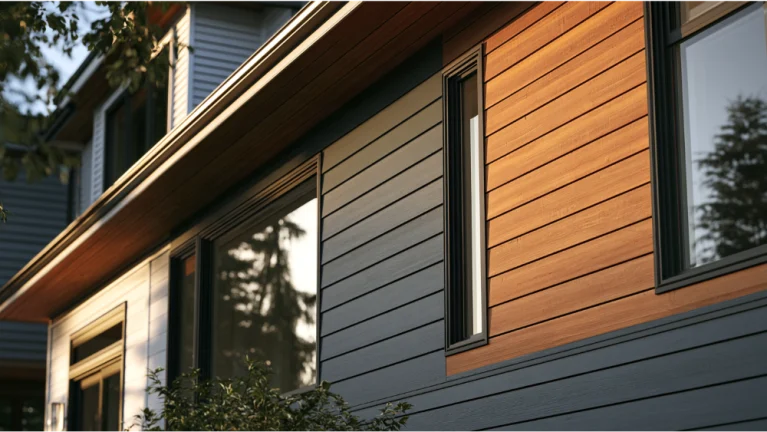
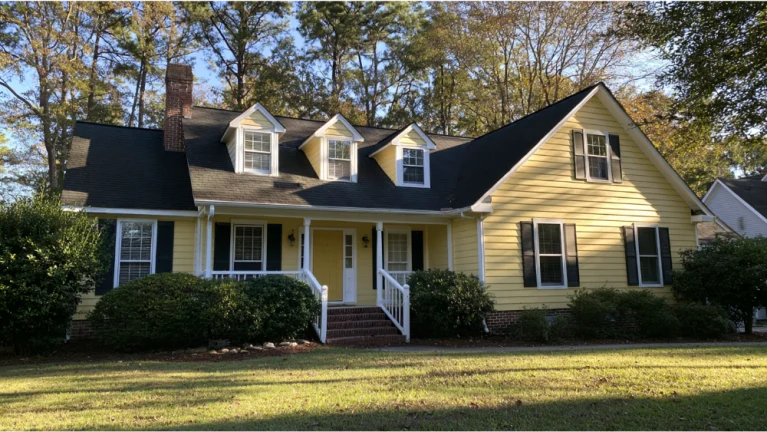
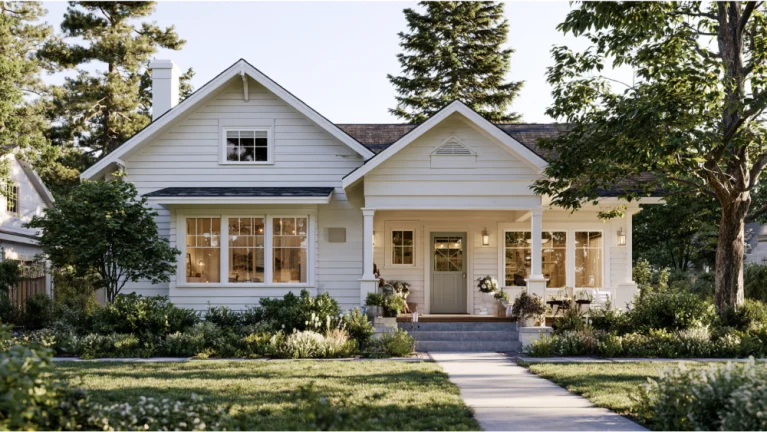
Matching window types to your home’s architectural style is one of the fastest ways to improve curb appeal. California architecture often features windows that merge indoor and outdoor spaces, and the right style leans into that. These are among the most popular window styles across the region’s many architectural styles.
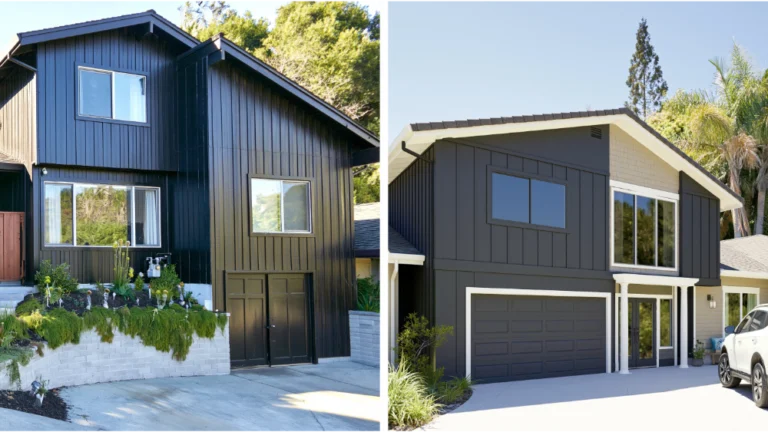
- California ranch and mid-century: sliding, picture, and wide horizontal combinations.
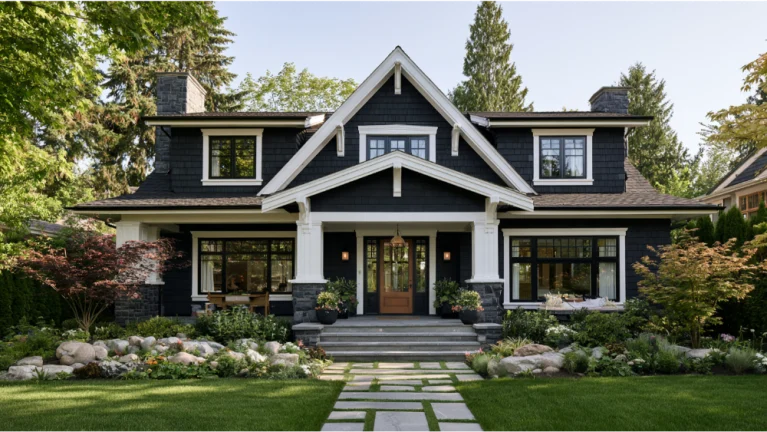
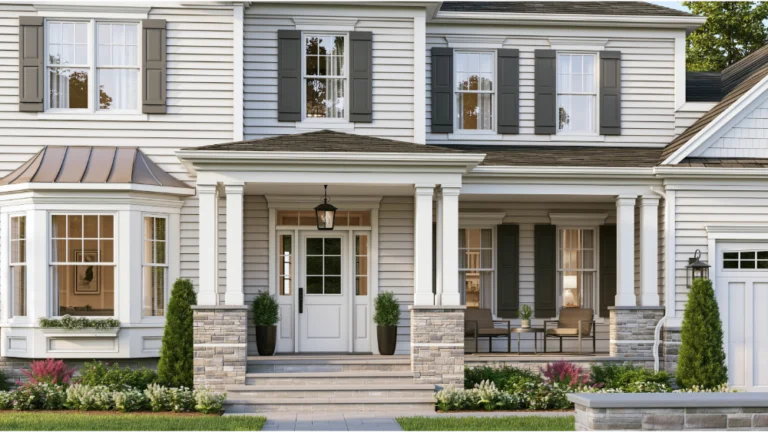
- Craftsman and bungalow: double hung and single hung windows, often grouped together.
- Spanish and Mediterranean: casement windows, arched or geometric shapes, and divided-light looks common on Southern California homes as well.
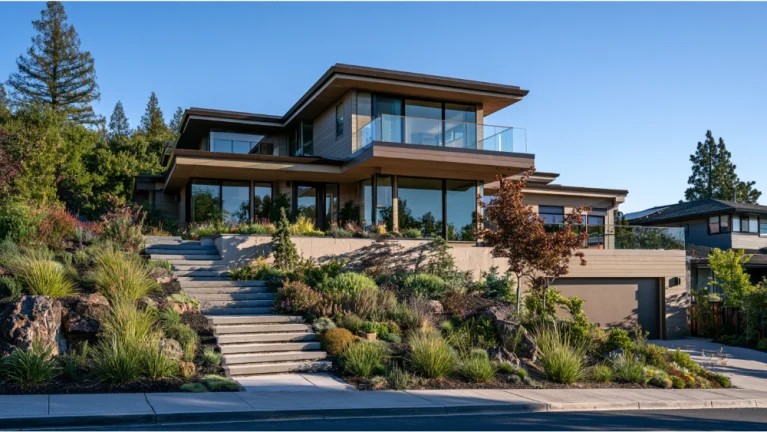
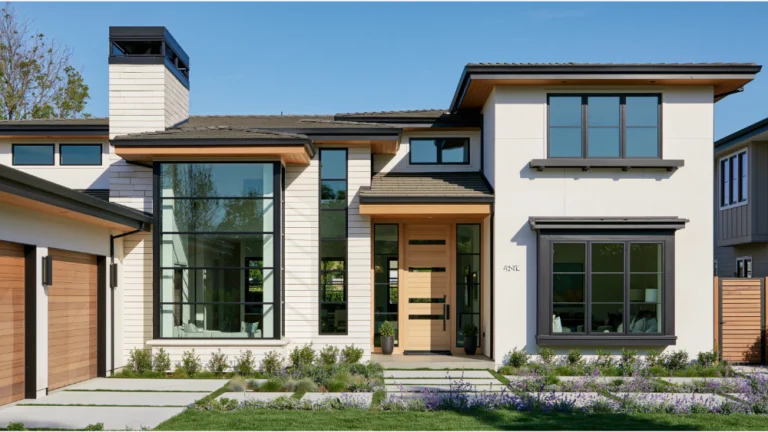
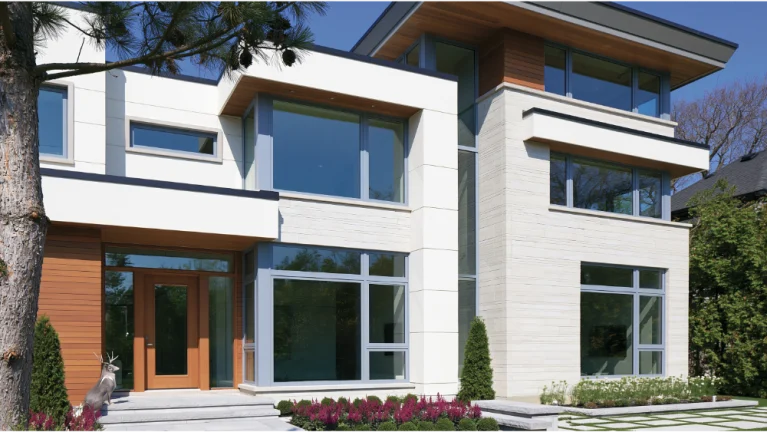
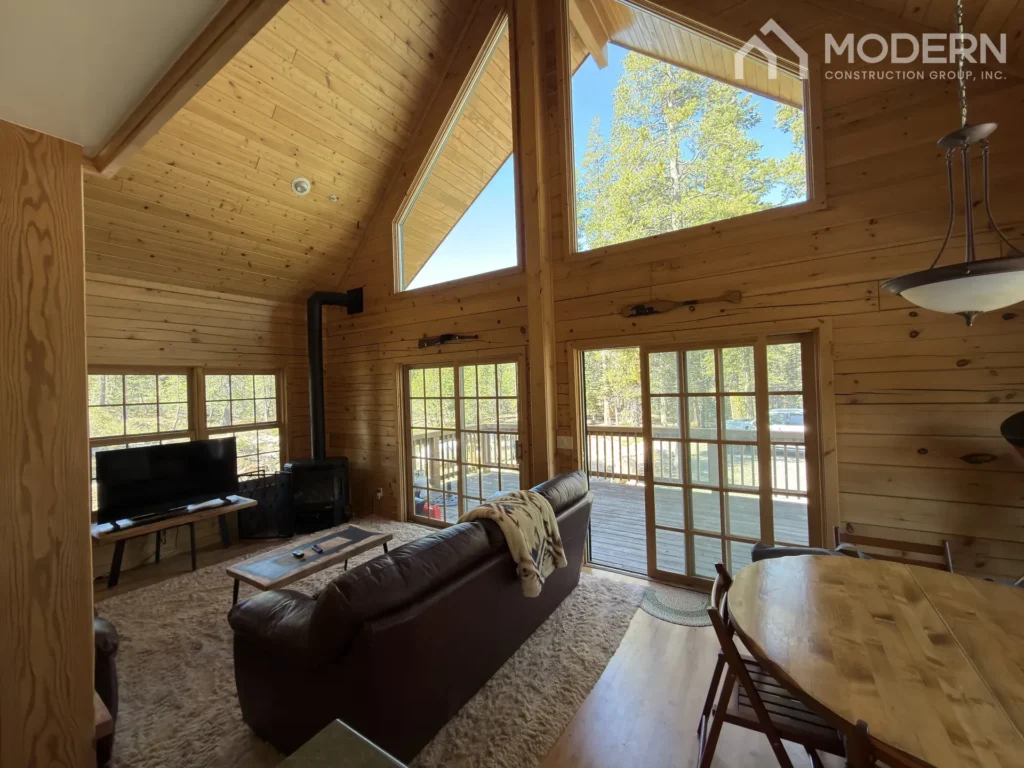
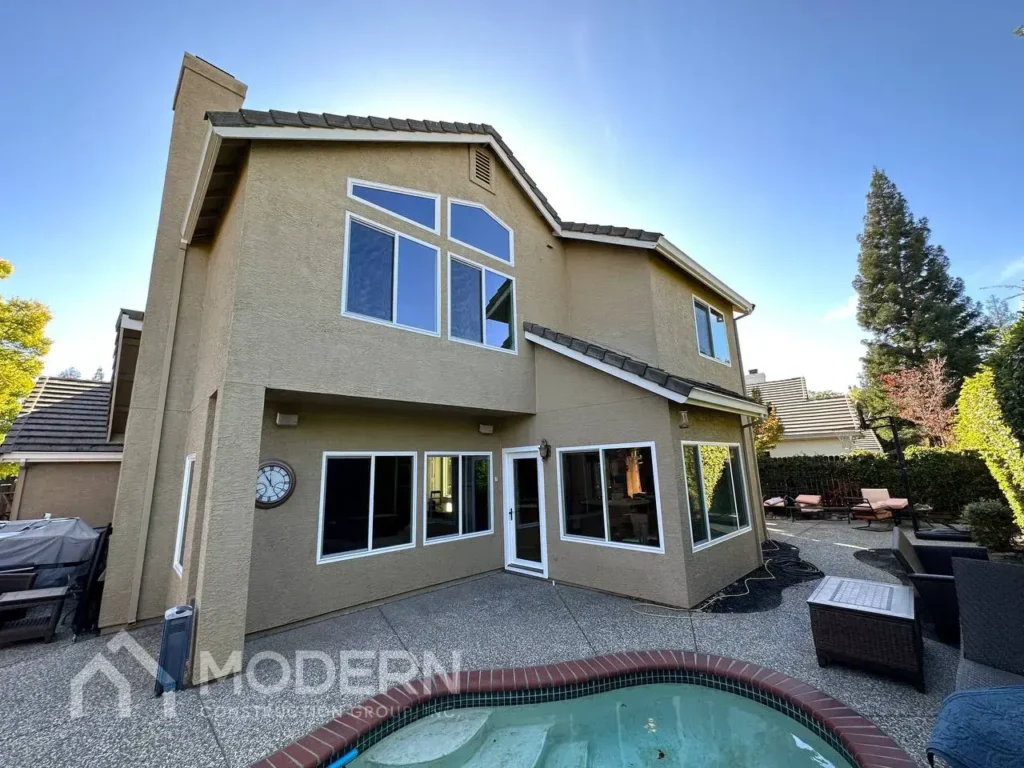
- Contemporary and modern: large picture and casement units, geometric and clerestory windows that accentuate vaulted ceilings, and large glass panels that connect inside to out.
Best Window Styles by Room
How a room is used should drive the window as much as the exterior does.
| Room | Strong Options | Why |
|---|---|---|
| Living rooms | Picture with casement or sliding | Views, maximizing light, optional airflow |
| Bedroom | Single hung, double hung, sliding, casement if egress-compliant | Ventilation and emergency escape |
| Kitchen | Casement, awning, garden, slider | Easy operation and light |
| Bathroom | Awning, obscure glass, small slider | Privacy and ventilation |
| Home office / dining rooms | Picture, casement, double hung | Daylight and comfort |
| Patio-facing rooms | Sliding windows or patio doors | Indoor-outdoor connection |
Energy Savings and Efficient Window Choices for California Heat
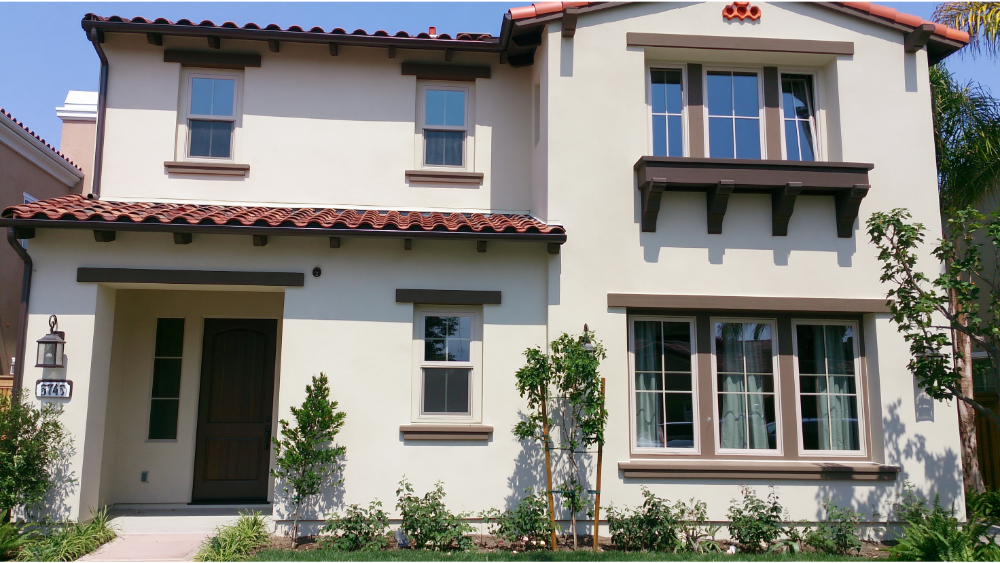
Three numbers on the NFRC label tell you how a window performs. U-factor measures insulation, so lower is better. SHGC (solar heat gain coefficient) measures how much of the sun’s heat comes through, and lower keeps rooms cooler. VT (visible transmittance) measures how much light gets in. An ENERGY STAR rating on the label is a quick signal of excellent energy efficiency, and that label is your comparison tool across any brand or window style.
California’s energy standards use 16 climate zones, and Sacramento sits in Climate Zone 12. West-facing windows take the brunt of afternoon valley heat, so they deserve low-SHGC attention. Multiple panes of insulated glass are standard for most new California installations, and Low-E coatings reduce heat transfer and can cut cooling energy use by up to 30%. These are the choices that produce the biggest energy savings and lower your energy bills, trimming overall energy usage in the process. Where a busy road is a factor, triple pane glass adds strong noise control on top of efficiency. Anlin windows are California-engineered with Low-E3 glass for energy savings and noise reduction, which matters as much for Southern California’s climate as it does in the valley. Just as important, the glass only performs when the window is sealed and installed correctly.
Window Replacement Rules California Homeowners Should Know
The 2025 California Energy Code took effect January 1, 2026 and applies to alterations, which includes window replacement. Your replacement windows generally need to meet the applicable U-factor and SHGC for your climate zone, though the code includes exceptions for certain replacement scenarios. Confirm specifics with your local building department or a qualified installer before work begins.
Bedroom windows often have to meet emergency egress minimums. Sacramento’s guidelines call for at least 5.7 square feet of net clear opening (5.0 square feet at grade floor), a minimum 24-inch opening height and 20-inch width, with the sill no more than 44 inches above the floor. Homes built before 1978 may involve EPA lead-safe practices, which require RRP-certified work. A certified installer handles these details so you don’t have to.
WUI and Fire-Aware Window Choices for Northern California
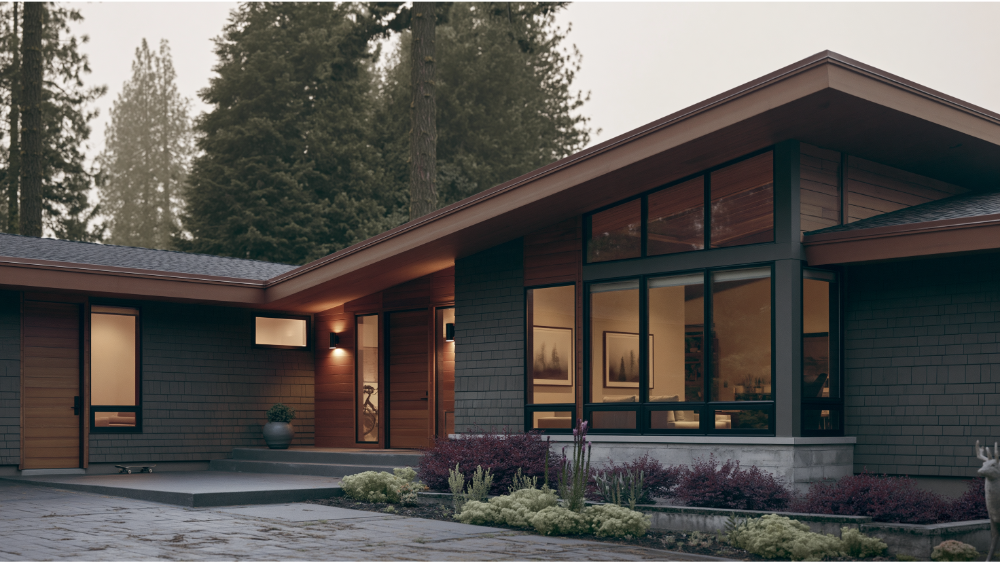
If you live in a foothill or Wildland-Urban Interface (WUI) area, fire resistance comes first. CAL FIRE home-hardening guidance recommends upgrading to double-pane tempered glass, and California Building Code Chapter 7A addresses window glazing in fire-prone zones. No window makes a home fireproof. Windows are one part of a larger home-hardening and defensible-space strategy, and pairing WUI-conscious glass with fire-resistant James Hardie fiber cement siding is a stronger approach to your home’s exterior overall, while also enhancing curb appeal.
Why Professional Installation Makes Premium Windows Perform
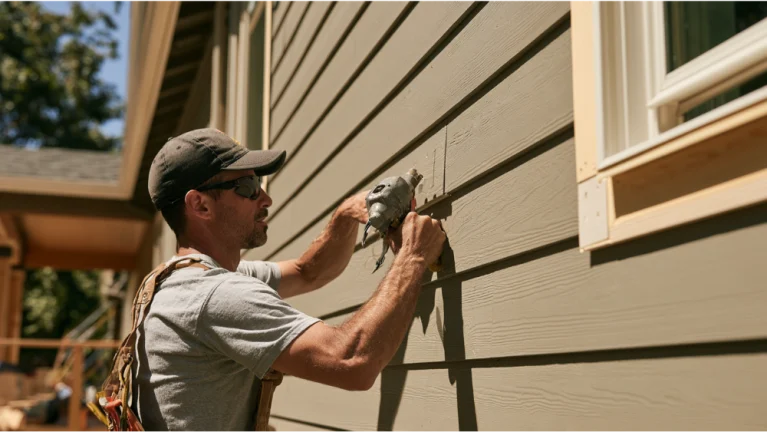
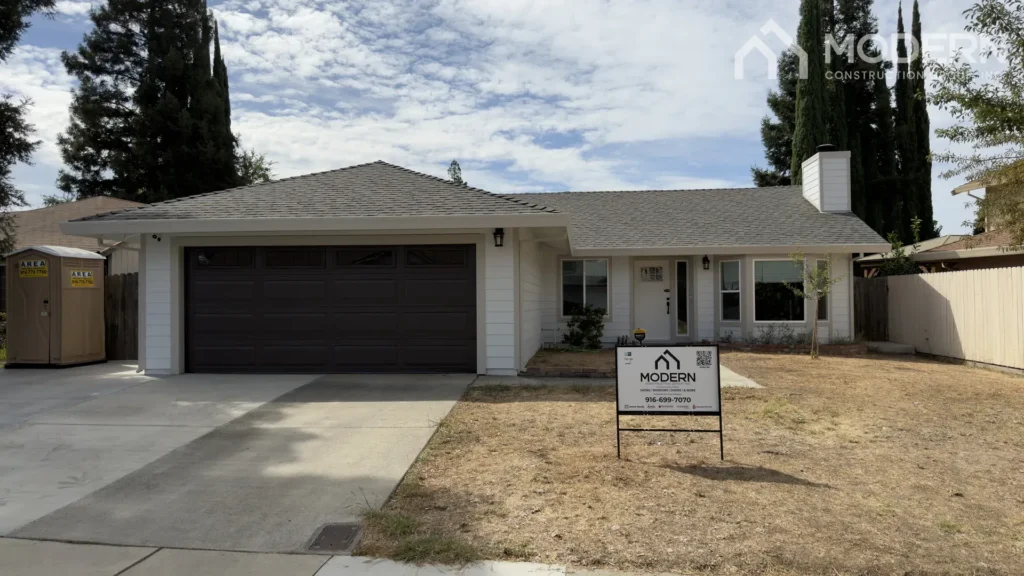
Premium window solutions only deliver the energy efficiency, tight seals, and lasting beauty they’re designed for when installed correctly with climate-specific technique. Modern Construction Group is a family-owned Anlin Authorized Dealer, licensed, bonded, and insured under California license #1092104, with over 25 years of experience. We back our professional installation with a 15-year workmanship warranty, and Anlin windows carry a lifetime warranty with accidental breakage coverage. Whether you are choosing windows or door styles, Owner Gary Chernyetsky stays hands-on with projects, so someone with a personal stake is watching the details. We focus on windows and siding rather than dozens of services, because mastering a few things well is the point.
Get Help Choosing the Best Window and Door Styles for Your Home
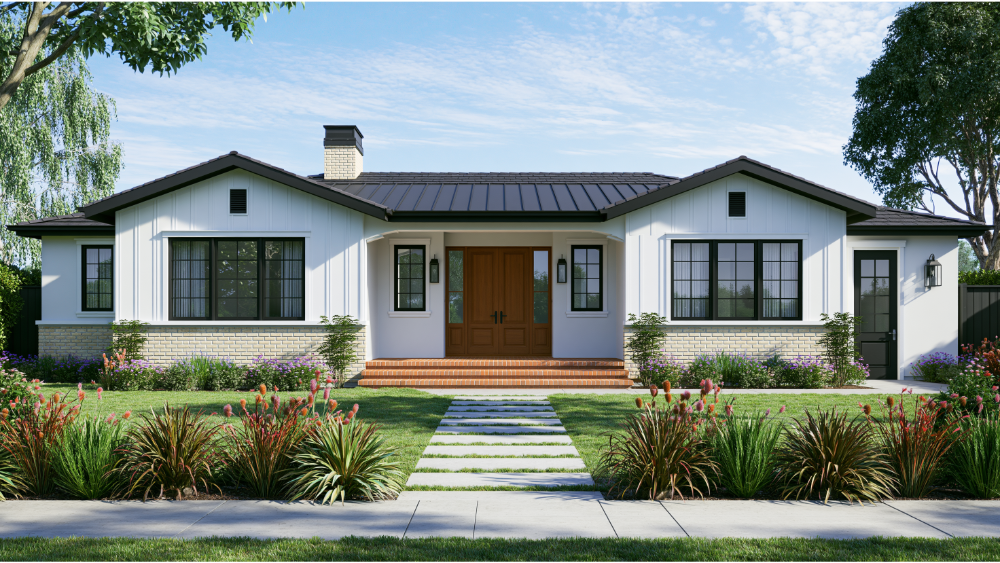
Let’s match new windows to your home’s architecture, orientation, and Northern California climate, and help you choose styles that reduce heat transfer and fit your budget. Get Your Free Estimate Today and call (916) 699-7070. Financing is available if you’d like to spread out your investment.
Frequently Asked Questions
What is the building code for windows in California?
The 2025 California Energy Code, effective January 1, 2026, sets U-factor and SHGC limits by climate zone, and bedroom windows must meet egress minimums. Confirm the specifics with your local building department or a qualified installer.
What are the four most common types of windows?
Single hung windows, double hung windows, sliding, and casement windows, with picture, awning, bay and bow windows, and garden rounding out the popular window styles.
What window styles are trending now?
Large picture and sliding designs that maximize natural light and merge indoor and outdoor space, paired with energy efficient options like Low-E glass and clean modern profiles.
Which window style is best for California homes?
There’s no single best. Sliding and picture windows suit modern homes and valley heat, while casement windows lead on energy efficiency and airflow. The right pick depends on your home and its exposure.