Key Takeaway
LP SmartSide siding is an engineered wood product built from treated wood strands using LP’s SmartGuard process, rated to withstand wind gusts up to 200 mph and hail up to 1.75 inches when correctly installed. This LP SmartSide Siding engineered wood guide covers its 50-year prorated warranty, Class C fire rating, maintenance requirements, and how it compares to fiber cement for Northern California homeowners.
What Is LP SmartSide Siding?
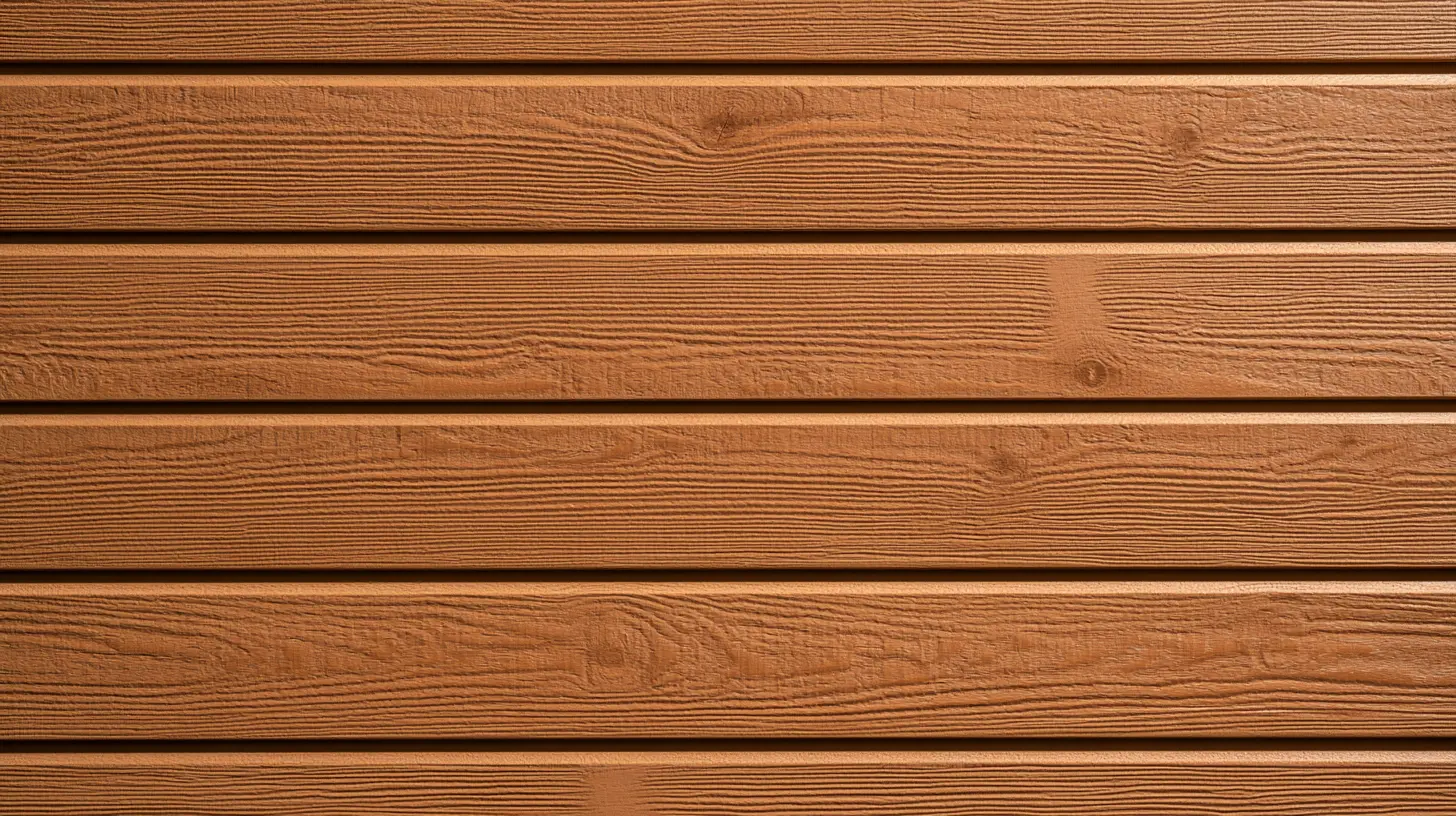
LP SmartSide is a treated engineered wood siding built from wood strands bonded with resins and waxes, protected with zinc borate and a water-resistant resin-saturated overlay. It’s designed to deliver a natural wood look with added durability against moisture, termites, decay, and impact, and LP claims it withstands wind gusts up to 200 mph when installed correctly, along with hail up to 1.75 inches.
If you’re a Northern California homeowner weighing a long-term exterior decision and wondering which siding option earns your money, this is an honest, sourced explanation of what the product is and where it fits. We specialize in James Hardie fiber cement siding, not LP, so treat this as education rather than a pitch.
What Is LP SmartSide Made Of?
LP starts with precisely sized wood strands from sustainably harvested aspen, then applies what it calls the SmartGuard process: binders, water-resistant waxes, zinc borate for insect and fungal-decay resistance, and a resin-saturated paper overlay bonded to the surface. The “substrate” is that treated engineered wood core underneath the overlay, and it’s the part LP warranties for 50 years. Unlike bare particleboard, this core is sealed and treated to resist mold and rot.
It uses wood strand technology, but it isn’t ordinary OSB. The SmartGuard treatment and the overlay are what separate this siding-grade wood product from commodity sheathing.
Environmentally Friendly LP Building Solutions and Siding Products
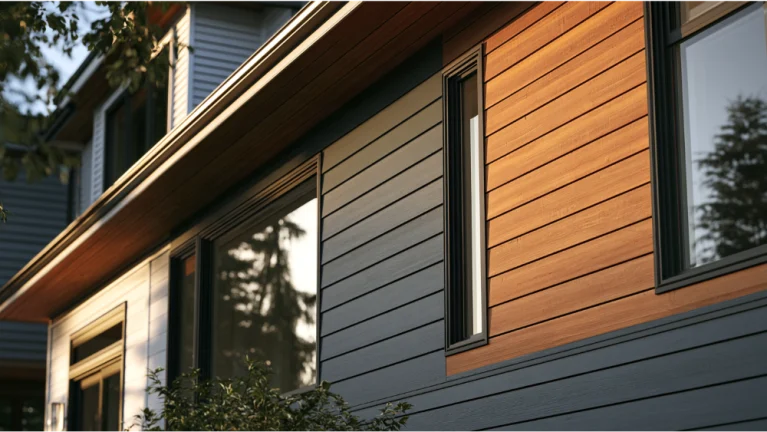
Because the wood comes from sustainably managed sources, LP building solutions market their siding products as an environmentally friendly choice that appeals to homeowners who care about where materials originate. Engineered wood products like these are engineered in the factory for consistency that raw lumber rarely matches, giving real homes a uniform look that traditional wood cannot always promise.
LP SmartSide Products and Style Options
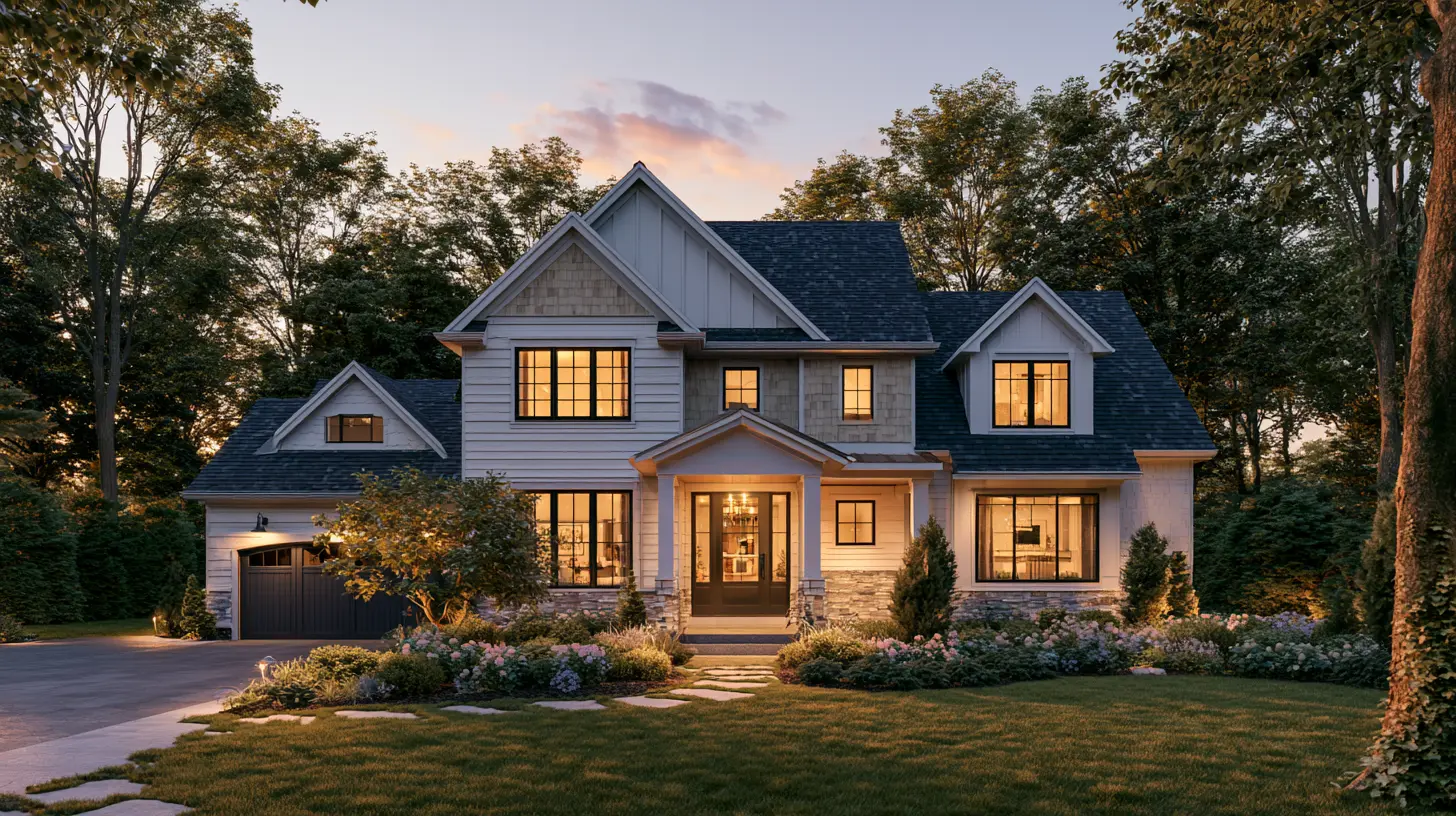
The lineup of LP SmartSide products covers most exterior needs, and the range of styles is one reason homeowners find it attractive:
- Lap siding in various widths, in 16-foot lengths that reduce seams
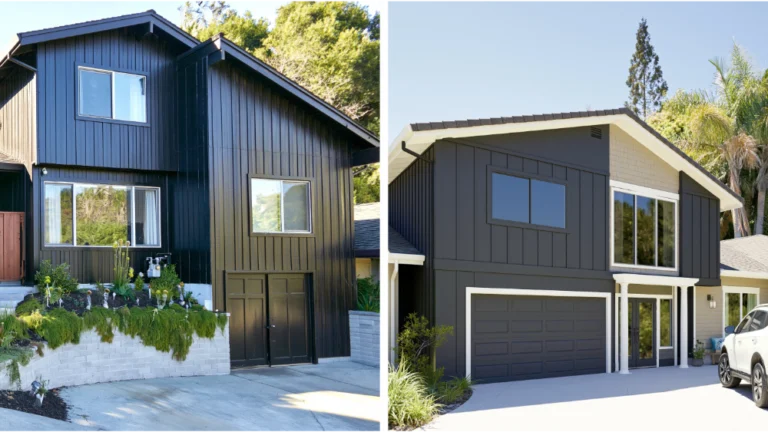
- Panel and vertical siding for board-and-batten and modern looks
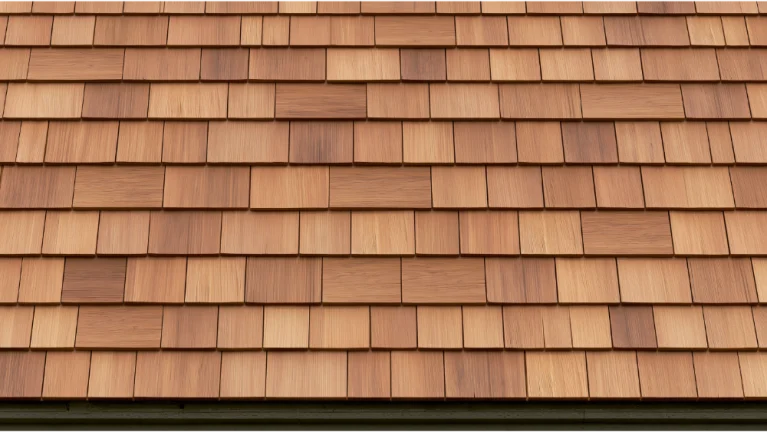
- Shake lap siding that mimics individual cedar shakes
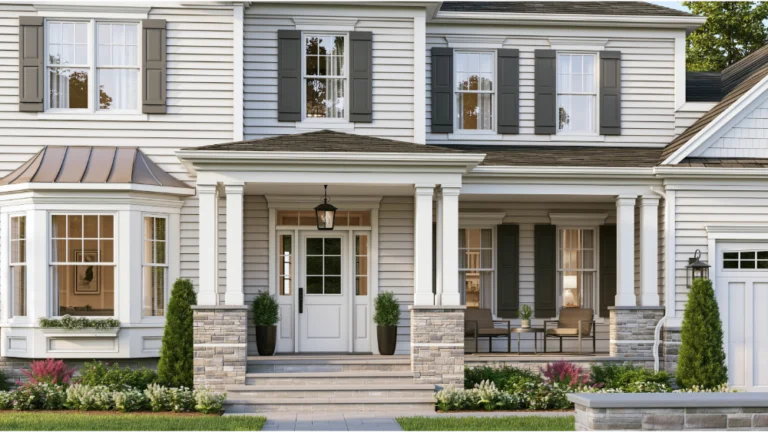
- Trim, fascia, and soffit to match, so the whole house reads as one design
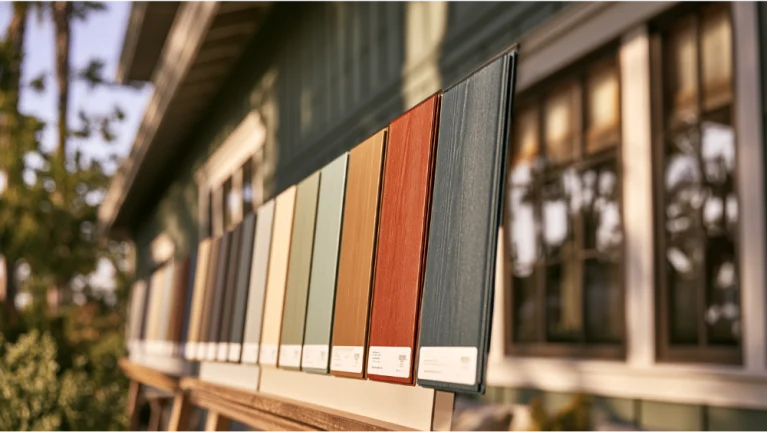
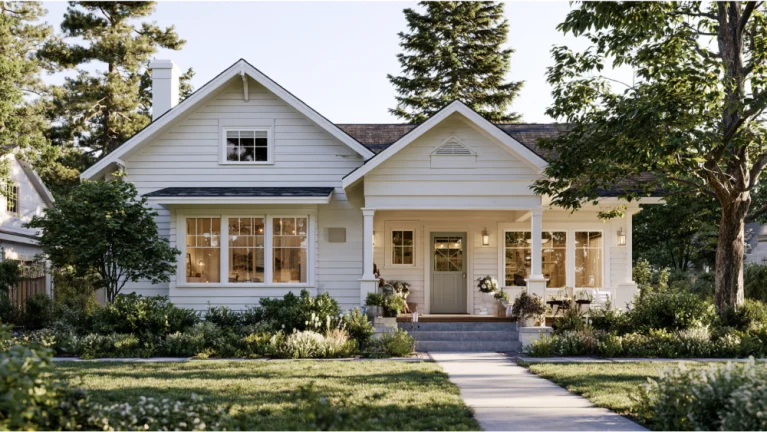
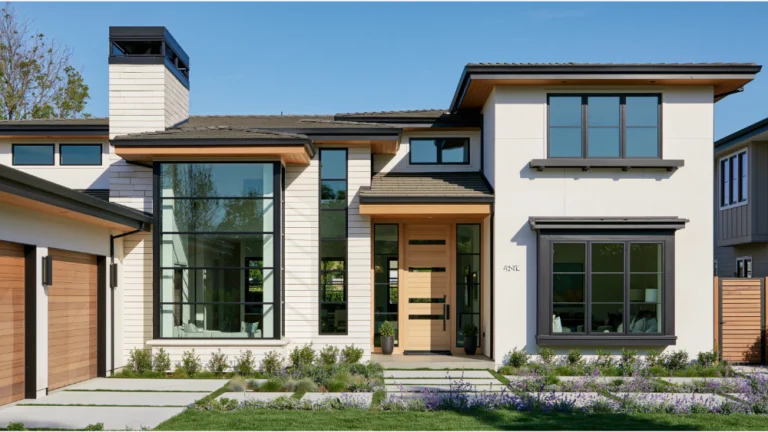
Products come primed at the factory for field painting or as ExpertFinish, LP’s prefinished colors option with 16 shades plus a 2025 Naturals Collection, offered in cedar-texture and brushed-smooth finish options depending on the line. Because it’s engineered wood siding, the appearance is more consistent than real wood, with less board-to-board variability, which helps the finished look stay beautiful across the elevation. The right trim and profiles can complement almost any architectural style.
Key Benefits of LP SmartSide Engineered Wood Siding
The strengths of this engineered wood are real when the product is installed to spec. You get an authentic wood siding appearance without sourcing and sorting natural lumber. LP rates its lap siding to handle wind gusts up to 200 mph and hail up to 1.75 inches, both contingent on correct installation and fastening. The zinc borate treatment adds durability against termites and fungal decay, so the product stays durable across a range of conditions.
Handling is easier than fiber cement too. LP’s catalog lists the lap product as about 45% lighter per square foot than fiber cement, and the 16-foot lengths mean fewer joints and often a faster install. For homeowners who want design flexibility, this siding brings genuine warmth and beauty in profiles and colors, and it tends to be a more affordable wood product than premium natural cedar. Homeowners who have heard good things about engineered wood often like these styles.
Drawbacks and Limitations Homeowners Should Weigh
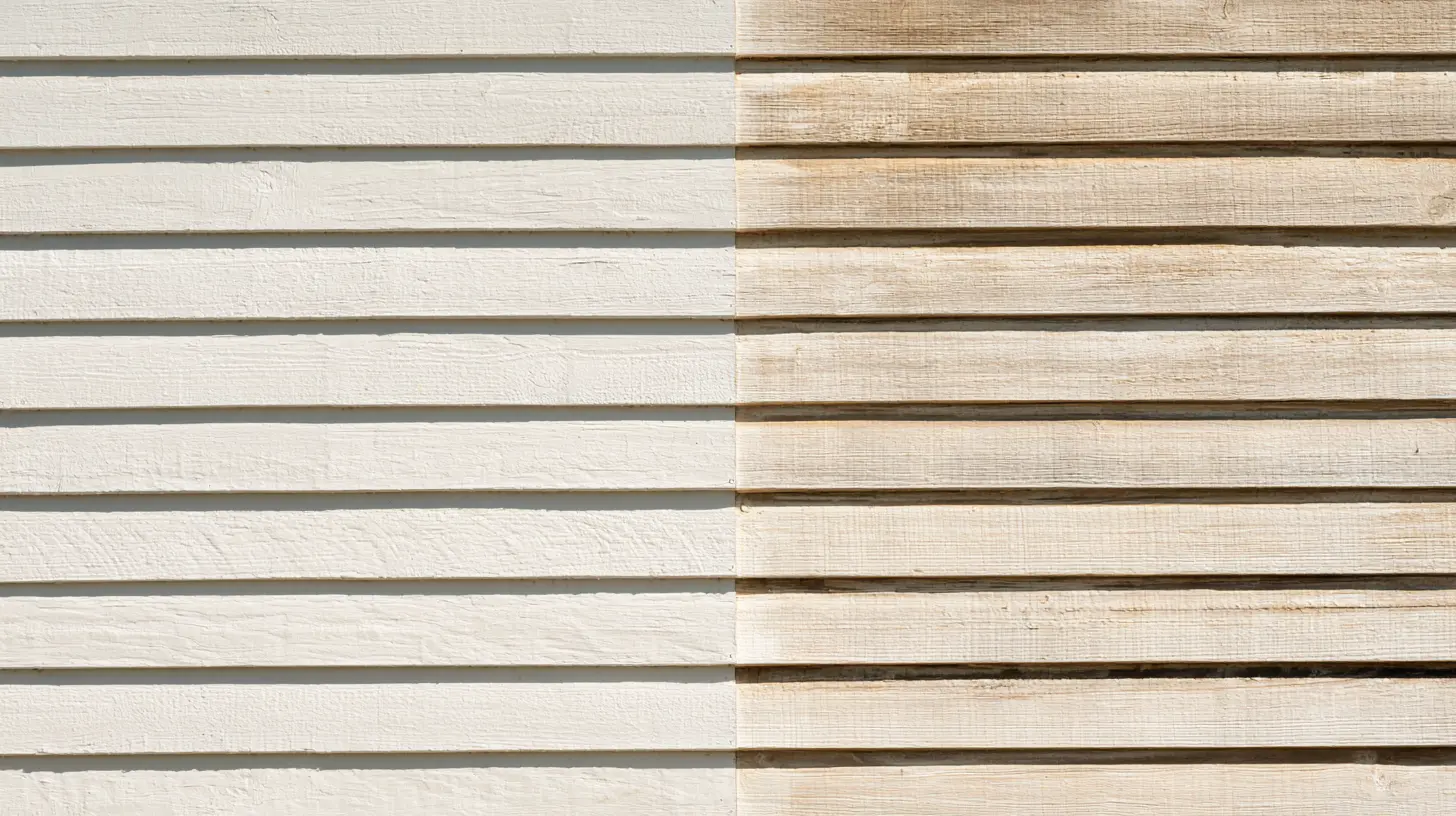
It’s still a wood-based product, which means it’s combustible and depends on paint and maintenance to protect against moisture, warping, and cracking over the years. That’s less upkeep than traditional wood, but it isn’t zero, and neglected boards can still warp.
The zinc borate treatment resists termites, but LP notes it does not stop carpenter ants or bees, because those insects excavate wood rather than eat it. Installation is unforgiving: clearances, gaps, sealed cuts, and proper treatment of the back side all matter for keeping water out. And the headline 50-year warranty is prorated after the early years, which we’ll break down next. The right siding depends on your home, climate, and risk profile.
The LP SmartSide Warranty Explained in Plain English
“50-year warranty” is accurate but incomplete. Here’s how the standard substrate warranty actually works for purchases on or after August 1, 2025:
| Period | What LP covers |
|---|---|
| Years 1-5 | Labor and material to repair or replace |
| Years 6-50 | Material only, prorated 2.22% per year |
| Per project | $500,000 maximum liability |
Hail is covered up to 1.75 inches, with damage defined as a crack, chip, or dent over 3/8 inch, and you must pursue insurance first. ExpertFinish adds a 15-year finish warranty covering issues like peeling and excessive fade beyond 5 Delta E. LP’s Certified Installer Program can extend the initial remedy (substrate 5 to 10 years, finish 5 to 7 years), but that extension covers the product only, not workmanship or installation.
Installation Details That Make or Break Performance
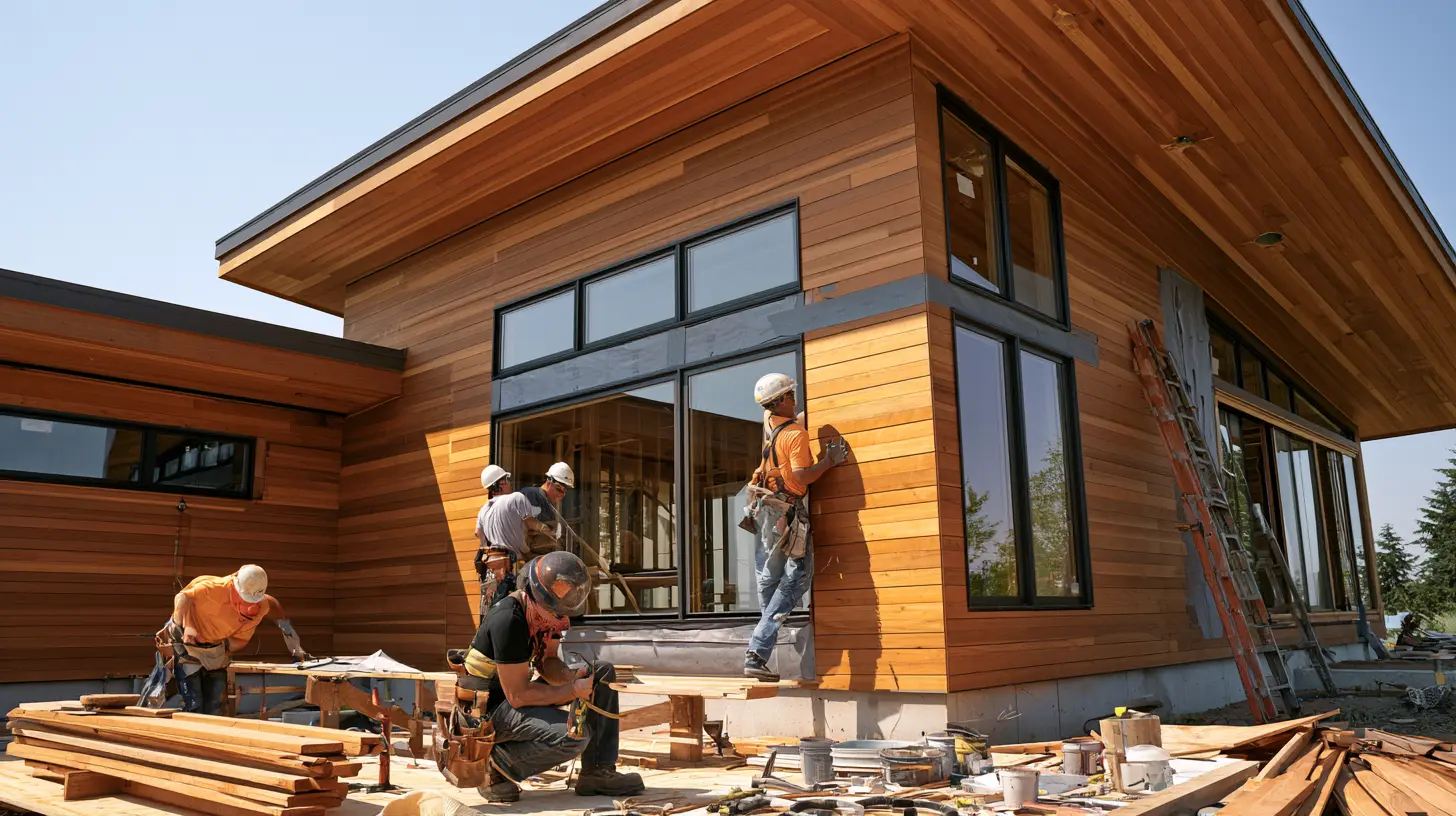
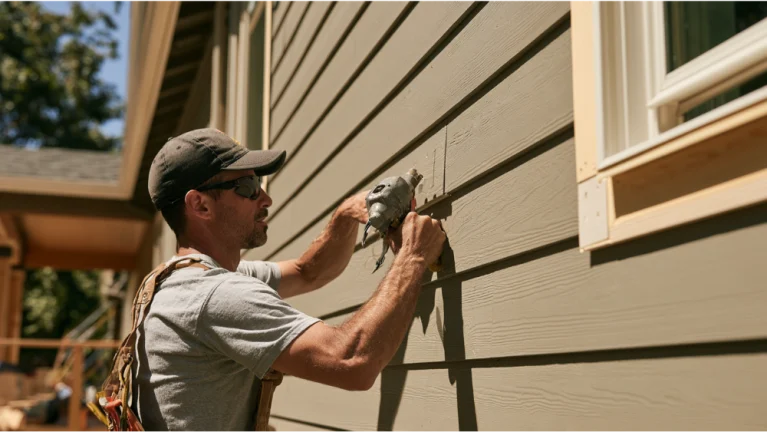
Warranty coverage disappears if the installer skips LP’s instructions, so the details below aren’t optional. They decide how long the siding lasts.
- Minimum 6-inch clearance above finished grade, and 1 inch above horizontal surfaces like porches
- A 3/16-inch gap where siding butts trim, windows, and doors, sealed with sealant
- Seal every exposed cut edge with paint, including the freshly cut back side; field spray-applied coatings on cuts are not recommended
- Back priming or the factory primed and coated back side helps guard the concealed face against moisture
- A water-resistive barrier behind the siding unless local code exempts it
- Correct fastening: 38 Series lap to studs up to 16 inches on center, 76 Series up to 24 inches
- Primed siding painted within 180 days using quality exterior acrylic latex paint, never stain or vinyl-based paint
For any premium siding, the installer’s discipline matters more than the brochure.
Is LP SmartSide Fire Resistant? WUI and Northern California Considerations
Not inherently. LP engineered wood siding carries a Class C surface-burning rating (flame-spread 76-200, smoke-developed 0-450 under ASTM E84 and UL 723). It’s wood-based and combustible, so “fire resistant” as a blanket claim is misleading.
Some specific LP SmartSide assemblies are CAL FIRE BML-listed for WUI use, for example lap siding installed over 1/2-inch gypsum, and panels with enhanced 3-inch on-center perimeter and 8-inch field nailing plus fire-retardant sealant at joints. But WUI compliance depends on the listed assembly and your local building official’s approval, not the product alone, and those listings carry expiration dates that must be rechecked. CAL FIRE notes the WUI code applies to permits filed on or after July 1, 2008 in designated fire hazard zones, and that 60-90% of home ignitions start from embers. That risk is why many WUI homeowners lean toward fire-resistant fiber cement siding for real protection.
LP SmartSide vs. Fiber Cement and Other Types of Siding: How to Decide
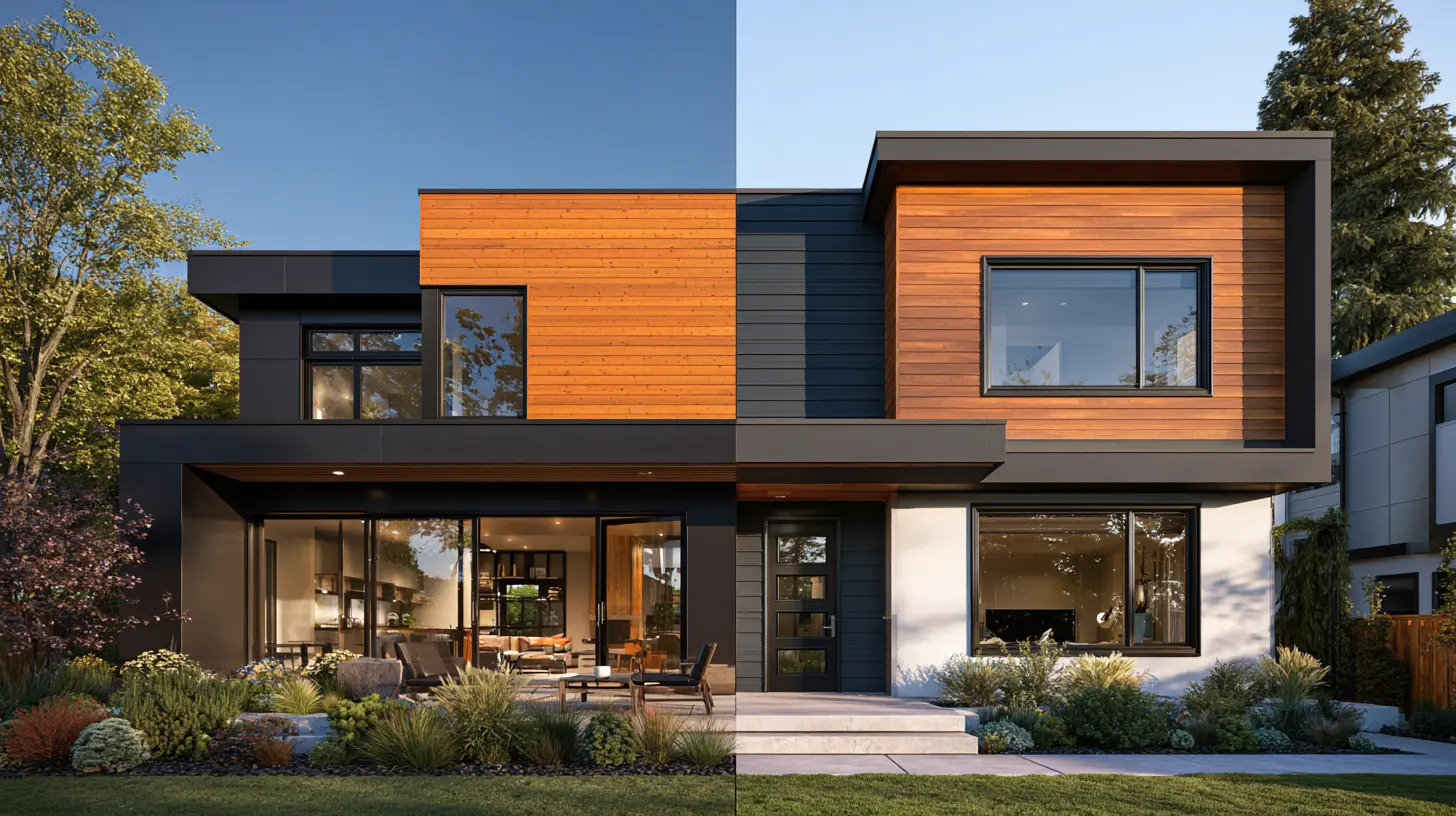
Both are premium engineered wood and cement siding products, and there’s no single winner for everyone. When you compare these siding products against vinyl and other options on the market, the right call comes down to your priorities:
| Factor | What to weigh |
|---|---|
| Fire exposure / WUI | Fiber cement is non-combustible; LP is Class C, wood-based |
| Maintenance | LP needs ongoing paint upkeep |
| Handling / install | LP is lighter and often installs faster |
| Climate | Valley heat, UV, foothill snow, and freeze/thaw all test the finish and clearances |
| Installer | Both demand a trained crew following manufacturer specs |
Where fire resistance and long-term Northern California performance top the list, James Hardie fiber cement is the gold standard, without knocking LP as a wood product.
Is LP SmartSide Right for Your Home? A Homeowner Checklist
- Are you in a WUI or fire hazard zone?
- How much paint and maintenance are you willing to manage?
- Is fire resistance a top priority for you?
- Is your contractor trained on the exact LP instructions, including back priming?
- Do you understand the prorated warranty?
Whatever siding you choose, engineered wood products last longest with a yearly inspection, a wash using a soft brush with mild detergent and a rinse, and quick touch-ups on any paint chips. A material chosen well can serve your house for decades and hold its value across the life of the home. Your future exterior should carry the memories your family builds under it, and that decision deserves careful thought.
The Modern Construction Group Perspective
We’re a family-owned company that deliberately specializes in premium James Hardie fiber cement siding and Anlin windows and doors. Quality Over Quantity, not dozens of services. We do not install LP SmartSide. As a James Hardie Alliance Select Contractor (Licensed, bonded, and insured, CA License #1092104), we help Northern California homeowners who prioritize fire-resistant siding and certified, expert installation. Financing is available. Get Your Free Estimate Today: call (916) 699-7070.
Frequently Asked Questions
What is LP SmartSide engineered wood?
It’s treated wood-strand siding finished with LP’s SmartGuard process and a resin-saturated overlay. It uses wood strand technology but isn’t ordinary OSB.
What are the disadvantages of LP SmartSide?
It’s wood-based and combustible, needs regular paint and maintenance, is sensitive to correct installation and back priming, and its 50-year warranty is prorated after the first five years.
Is LP SmartSide fire resistant?
No, it carries a Class C surface-burning rating and is combustible. WUI use is only allowed through specific listed assemblies with local building official approval.
Is LP SmartSide or fiber cement better for Northern California homes?
It depends on your fire risk and maintenance tolerance. Where fire resistance is the priority, fiber cement is generally the stronger long-term choice.
Does Modern Construction Group install LP SmartSide?
No. We specialize in James Hardie fiber cement siding and Anlin window and door replacement.