Key Takeaway
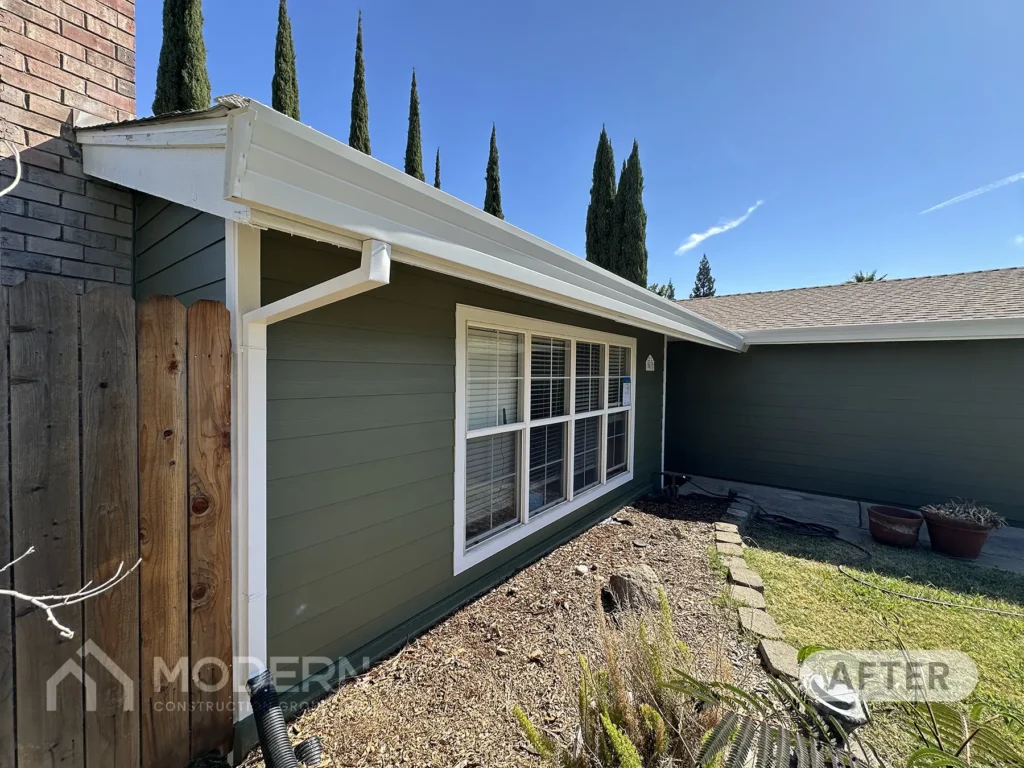
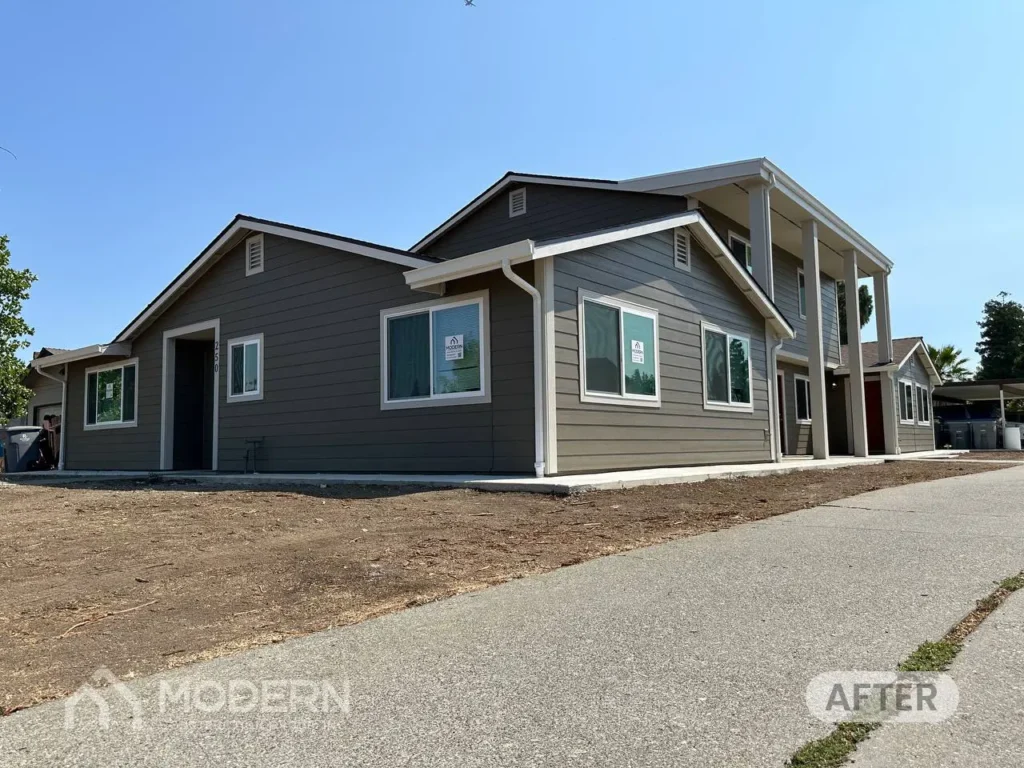
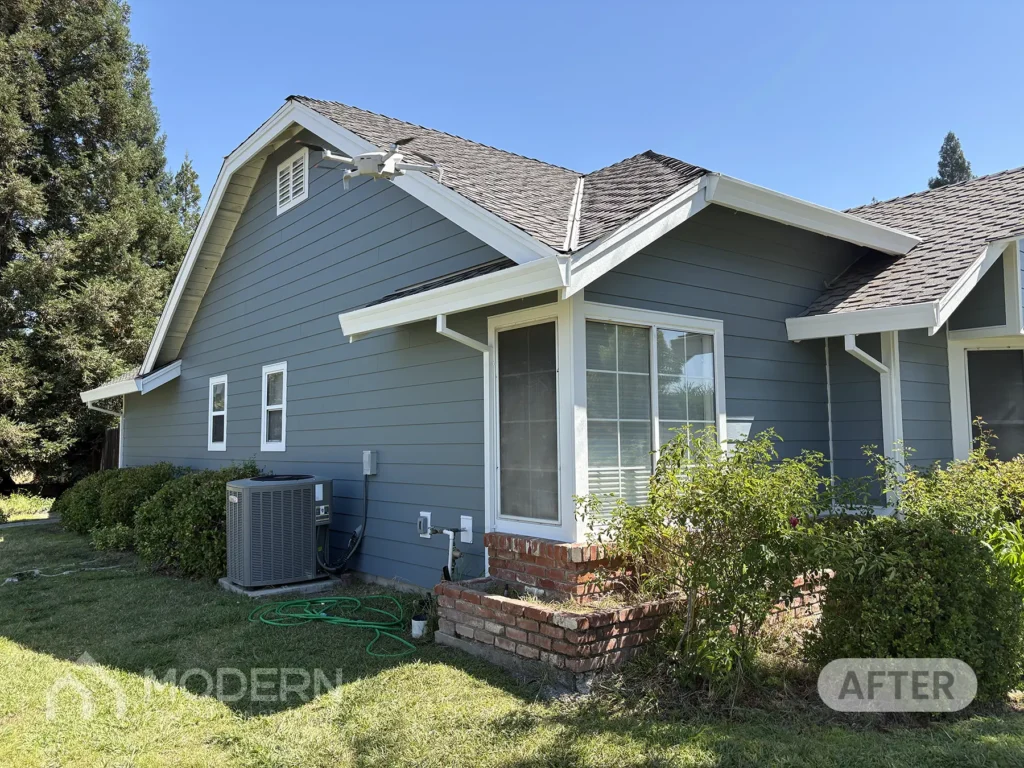
Fiber cement siding is an exterior cladding made from Portland cement, sand, water, and cellulose fibers, steam-cured to create a durable composite that resists fire, pests, rot, and moisture. This siding material lasts 30 to 50 years with proper care and carries a Class A fire rating, making it a strong choice for homeowners in wildfire-prone areas like Northern California.
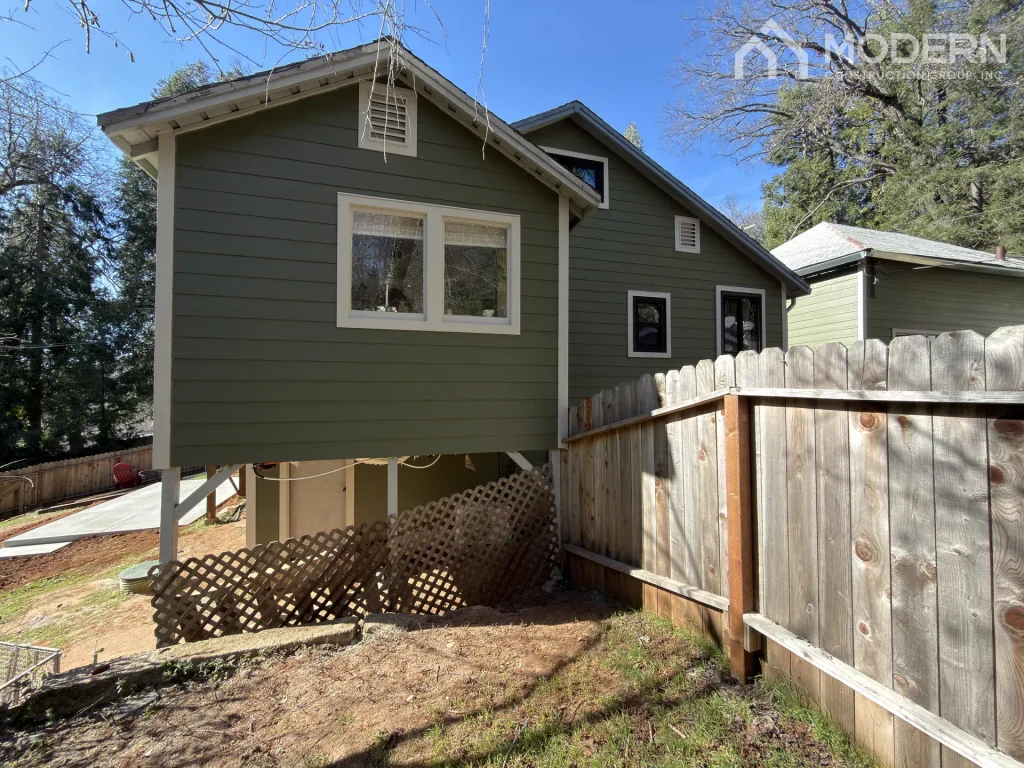
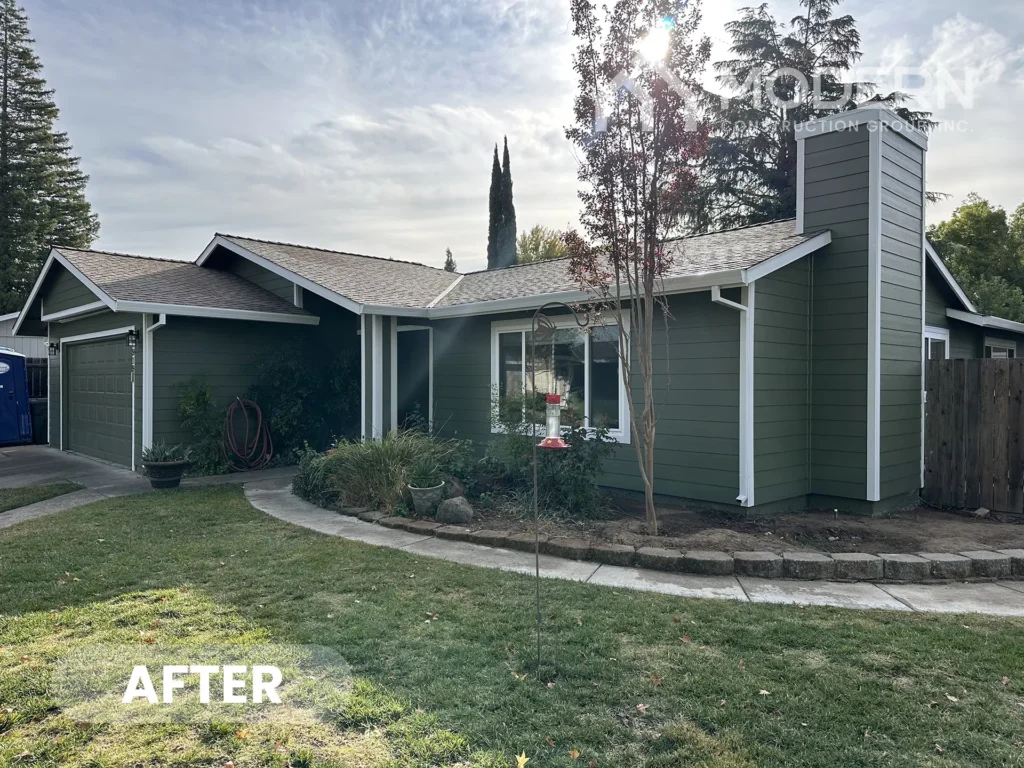
Fiber cement siding is an exterior cladding made from a composite of Portland cement, sand, water, and cellulose fibers, then cured under high-pressure steam to build strength. It gives a home the look of painted wood while resisting fire, pests, rot, and long-term weather far better than most organic materials. With proper installation and care, this siding material can last 30 to 50 years. If you’re weighing a long-term exterior investment, this guide covers what the material is, how it performs, and where it fits. For homeowners in Northern California, climate and WUI fire risk make fiber cement siding especially worth understanding.
What Is Fiber Cement Siding? Materials, Performance, and Pros of the Composite
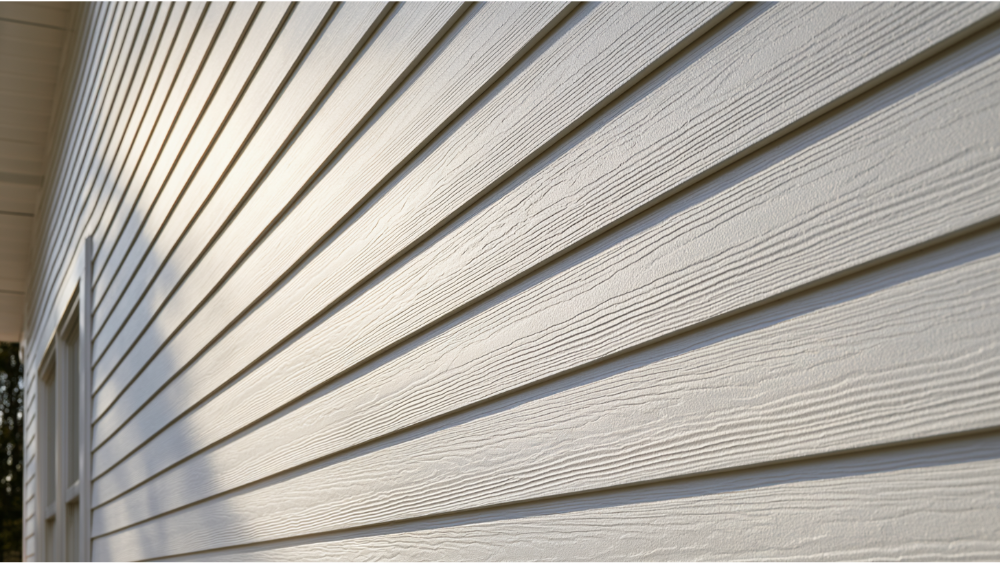
Fiber cement is a composite of four core ingredients, each doing a specific job. Portland cement is the binder that gives the material its hardness and strength. Sand adds stability and structure. Water activates the cement during manufacturing. Cellulose fibers, essentially wood pulp, add flexibility so the fiber cement boards resist cracking. Some manufacturers include recycled materials, and a few blend in other sustainable materials to trim environmental impact. The blend is molded and then steam-cured, which increases density and durability compared with air-drying. The result is a composite siding that behaves very differently from traditional wood or vinyl siding.
You’ll often hear “Hardie board” used as a catch-all for the whole category. That’s a brand name. James Hardie is a manufacturer and our product partner, not the cement siding material itself. We install James Hardie fiber cement siding because it sets the standard for quality in this space.
How Do Fiber Cement Boards Perform in Extreme Weather Conditions?
Fire resistance. Fiber cement is non combustible. It won’t ignite when exposed to direct flame and won’t add fuel to a fire, which is a meaningful advantage over traditional wood siding.
Weather resistance and UV. It holds up across harsh weather and extreme temperatures, from hot and cold to wet and windy, and its strong moisture resistance guards against sun exposure that breaks down other siding types over time. That weather resistance is a huge advantage in Northern California’s shifting seasons.
Pest and rot resistance. It won’t rot the way organic wood does, and because it’s cement-based it never attracts termites or feeds carpenter ants the way natural materials can.
Dimensional stability. Unlike wood, fiber cement resists swelling and warping through moisture cycles, so boards stay flat and joints stay tight.
Mold resistance. Its inorganic makeup gives mold growth nothing to feed on.
Unlike vinyl siding, fiber cement won’t melt in high heat, and it stays impact resistant against wind-driven debris. That said, how well any of this holds up depends heavily on correct installation, which we’ll get to.
What Are the Biggest Pros of Fiber Cement Siding?
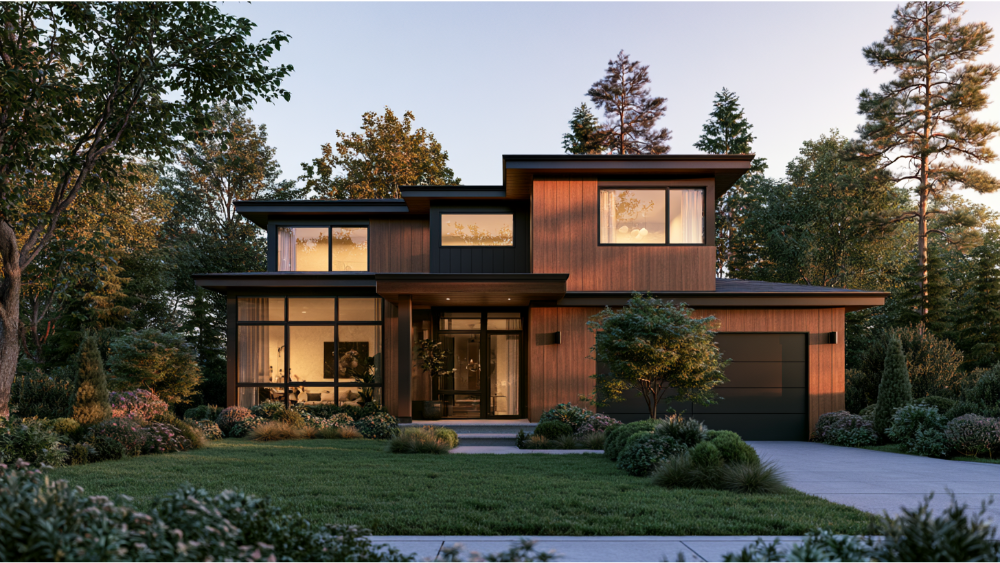
- Premium durability. A 30 to 50 year long lifespan with proper care makes this a worthwhile investment.
- Fire resistance. Non combustible performance and a Class A fire rating that matter in WUI areas.
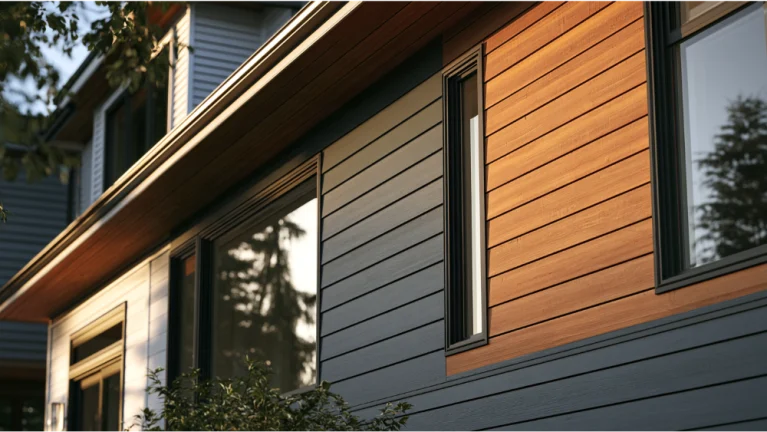
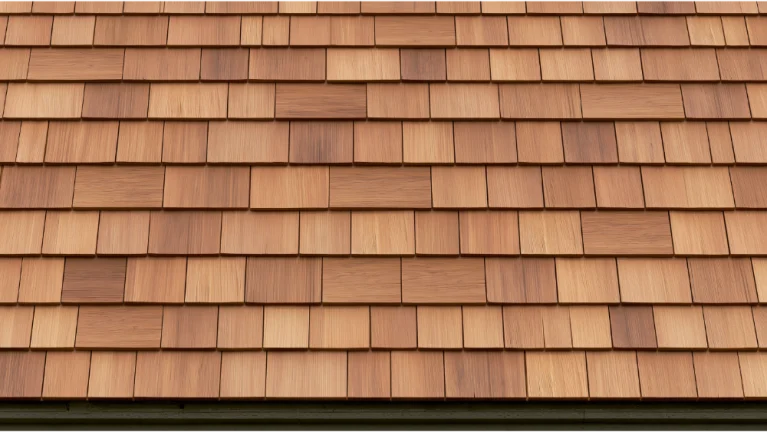
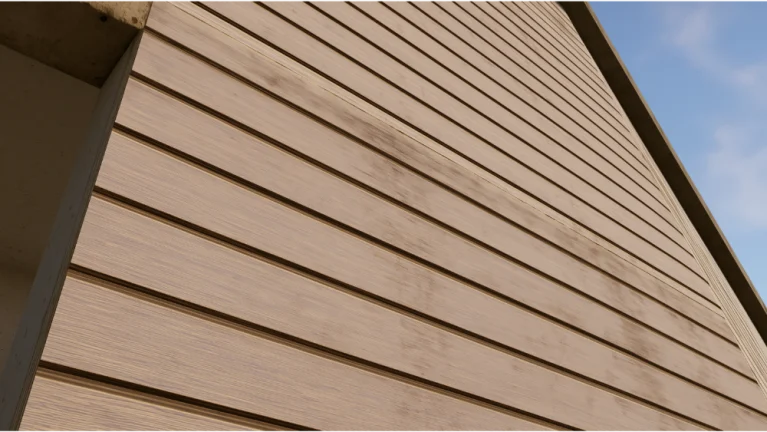
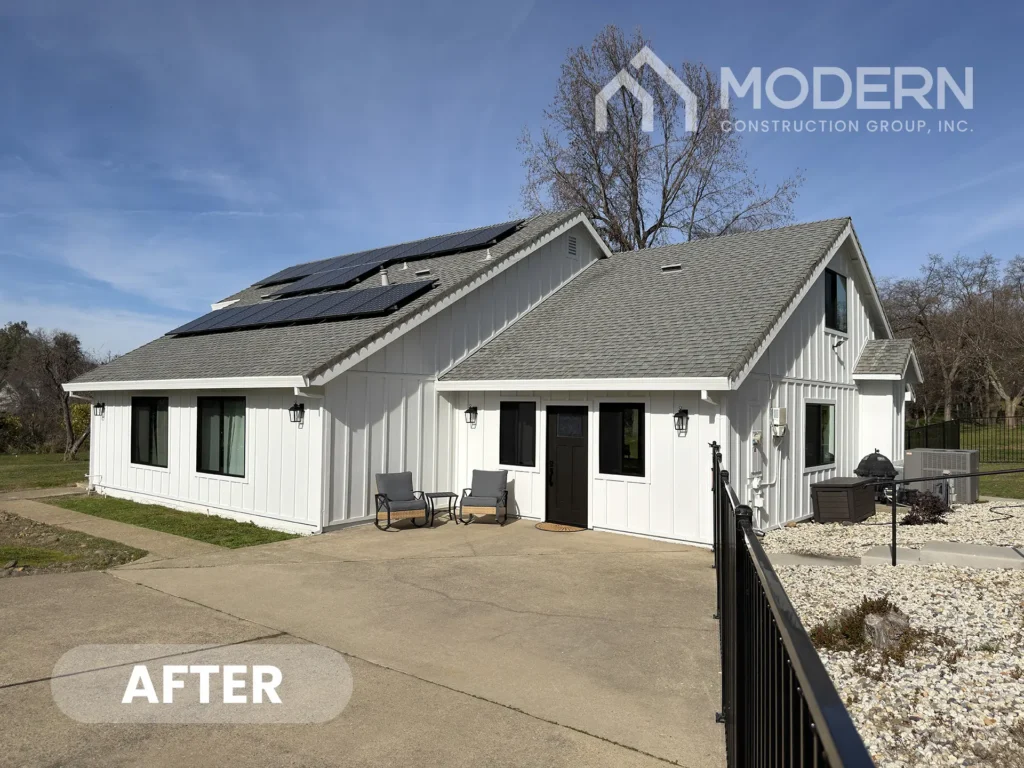
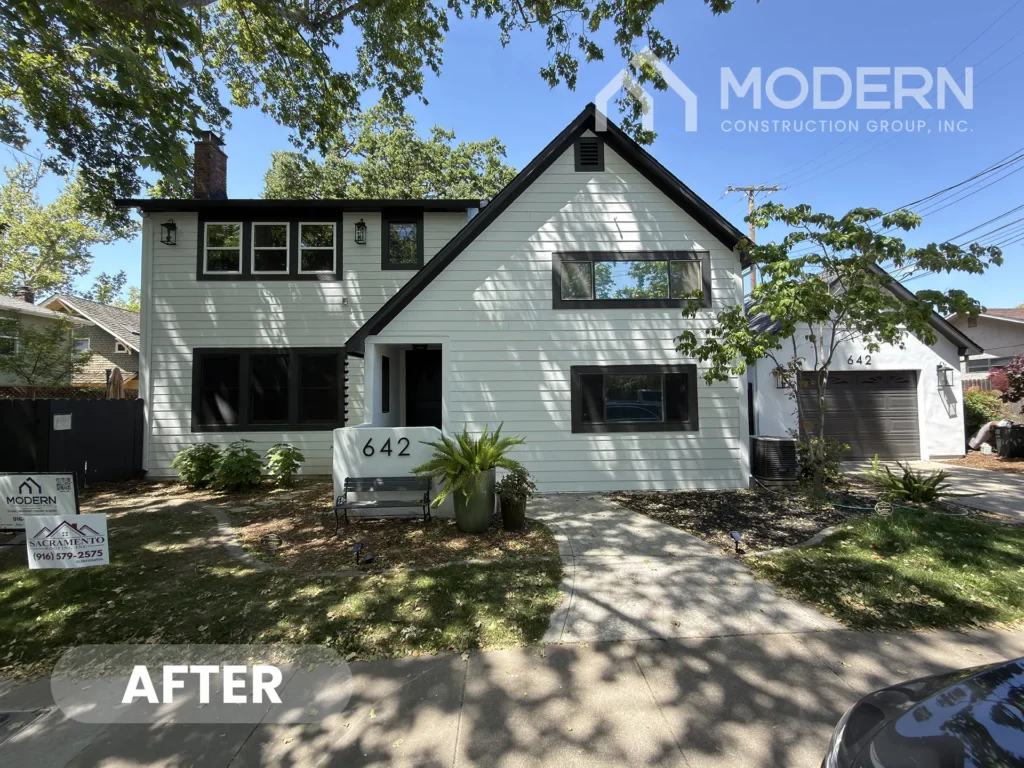
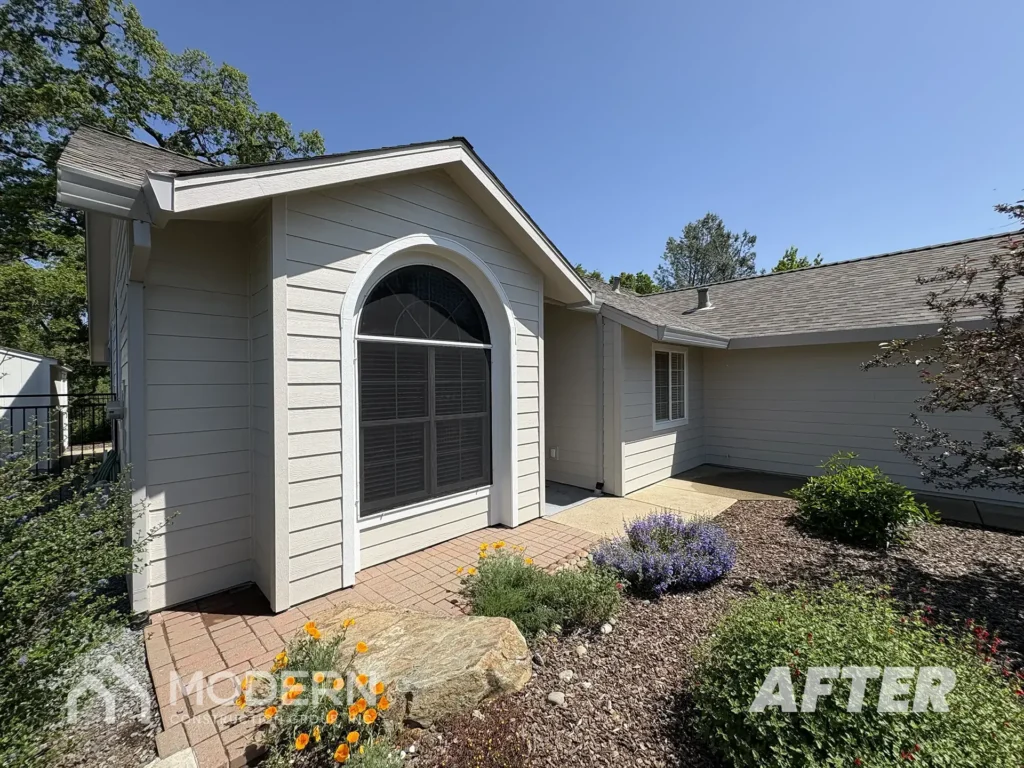
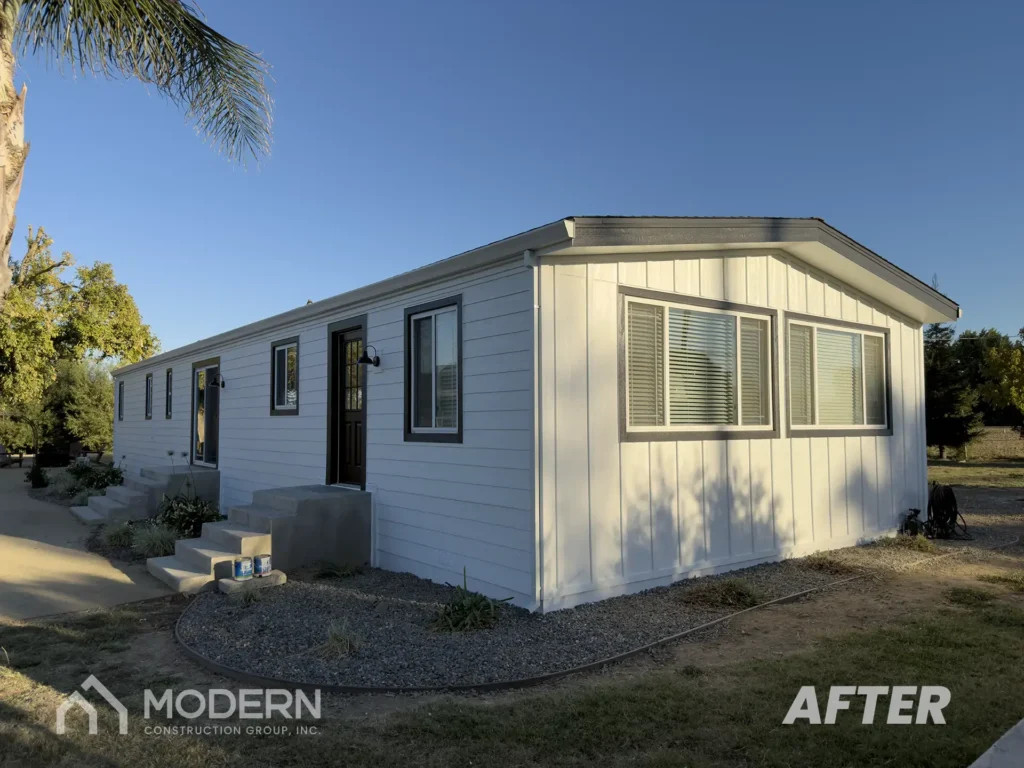
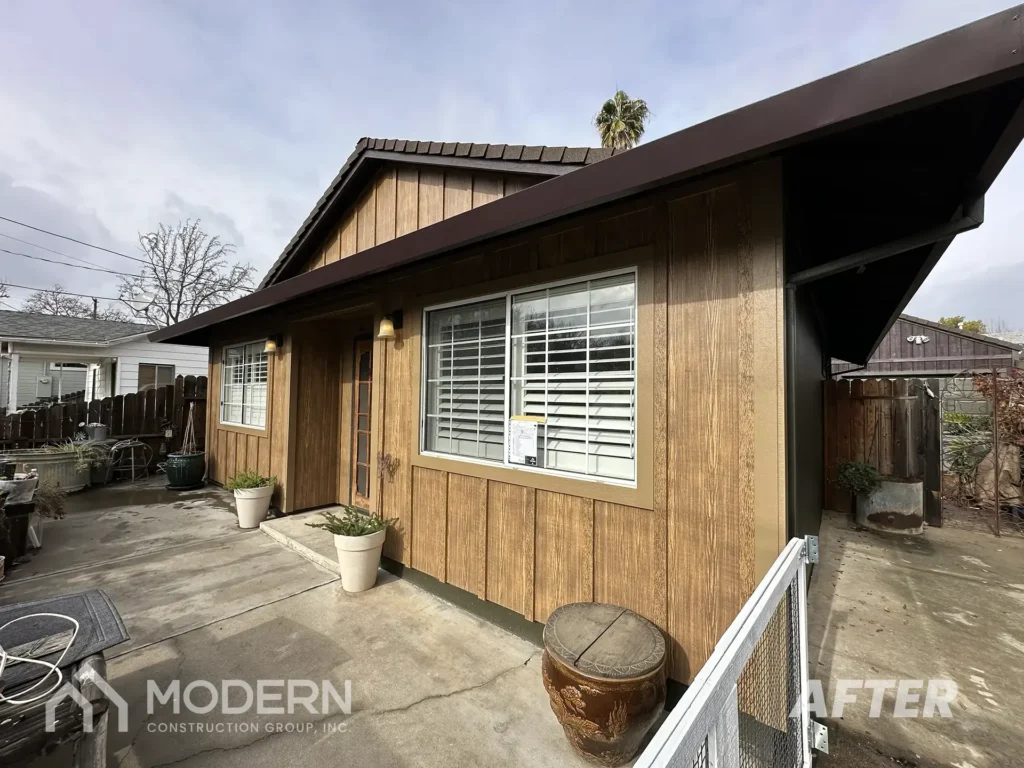
- Lasting beauty and design flexibility. Available in lap, shingle, and vertical panel styles, plus wood grain looks and stucco textures.
- Low maintenance compared with wood. Reduced maintenance means no frequent staining and no constant scraping, with repainting needed only every 10 to 15 years.
- Strong warranty support. James Hardie offers a 30-year material warranty, available when the product is installed correctly.
- Climate fit. Fiber cement performs well through the heat, moisture swings, and fire exposure Northern California homes face.
It’s the gold standard for durability, beauty, and fire resistance, and it tends to add real curb appeal and resale value. Many homeowners choose it precisely because it delivers the warm aesthetic appeal of wood without the constant upkeep.
What Are the Downsides of Fiber Cement Siding?
Honest expectations matter on a decision this size. Fiber cement is fire resistant and non combustible, but it is not fireproof or fully maintenance free, and no siding makes a home immune to fire. It is also not insulation on its own. Its R-value is minimal, roughly R-0.13 to R-0.15 depending on thickness, so it won’t reduce energy costs by itself.
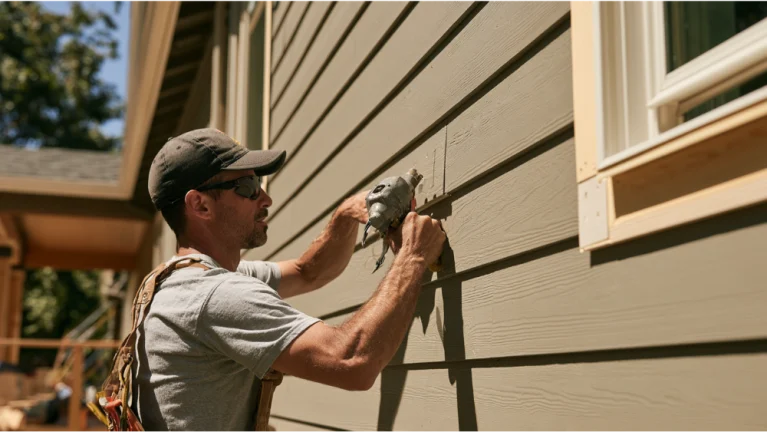
The fiber cement boards are heavy, which is one reason this isn’t a practical DIY material for most homeowners. Cutting it requires specialized tools because it generates respirable silica dust, which is why professionals use dust-controlled equipment and safe cutting practices. There’s also an environmental note worth being upfront about: cement production is carbon-intensive, and fiber cement isn’t recyclable. Painting is periodic, usually every 10 to 15 years, though factory finishes stretch that further. Installation costs and labor costs run higher than lighter products, but that reflects the skill the work demands.
Can Fiber Cement Siding Protect a Home in WUI Areas?
This is where the material earns its reputation, and where generic guides stay vague. Evaluated James Hardie products are classified as non combustible under ASTM E136 and carry a Class A rating under ASTM E84, with a flame-spread index of 0 and a smoke-developed index of less than 5. Several James Hardie fiber cement products are listed in California’s OSFM WUI Listed Products Handbook.
CAL FIRE recommends replacing combustible siding with non combustible or ignition-resistant material, and where full replacement isn’t possible, protecting at least the bottom 2 feet. NFPA identifies the immediate home ignition zone as the 0 to 5 feet closest to the house, and FEMA names fiber cement as a non combustible siding option. One important limit: the substrate’s fire performance is separate from any paint or coating applied to it, so material choice is one part of a broader home-hardening plan.
Is Fiber Cement Energy Efficient for Your Home’s Exterior?
Siding alone is not insulation, and fiber cement is no exception. Its R-value is too low to meaningfully change your energy costs on its own. A truly energy efficient wall comes from the whole assembly working together: the weather barrier, flashing, insulation strategy, and correct installation. Fiber cement contributes to a well-built, moisture-managed home’s exterior, but it’s one layer in that system, not the source of energy savings by itself.
ColorPlus Technology and Design Options
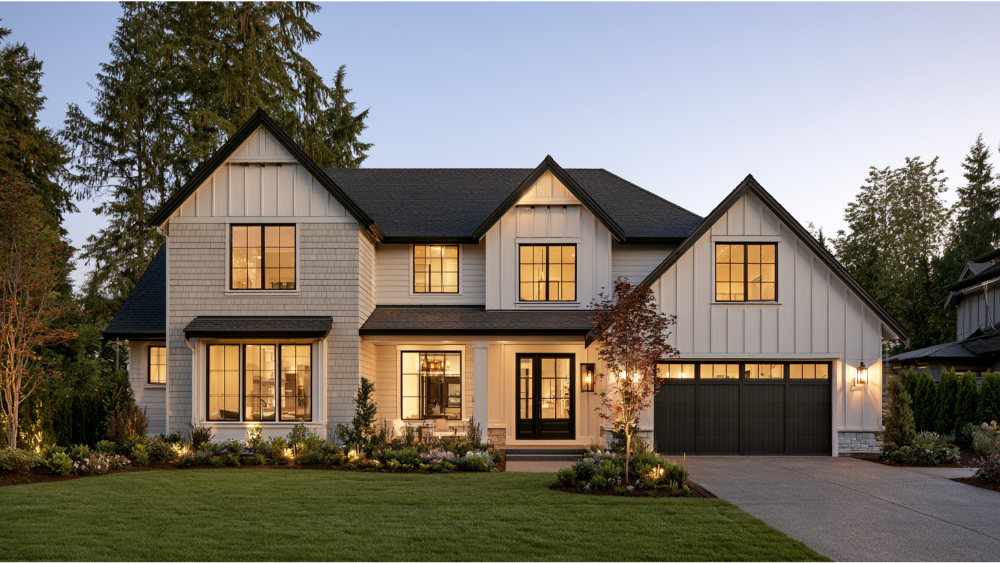
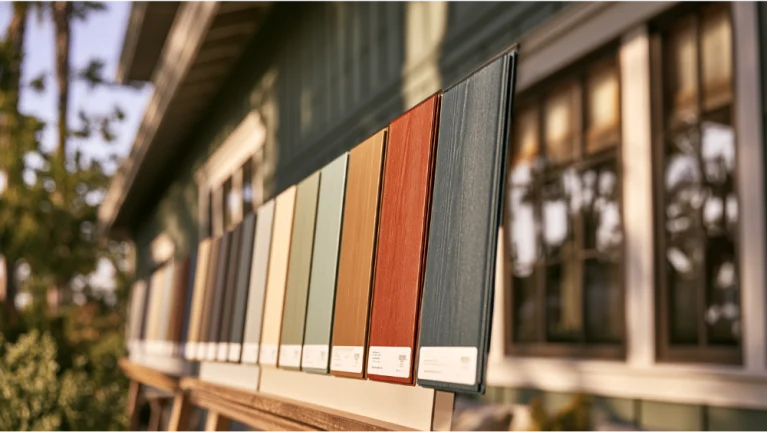
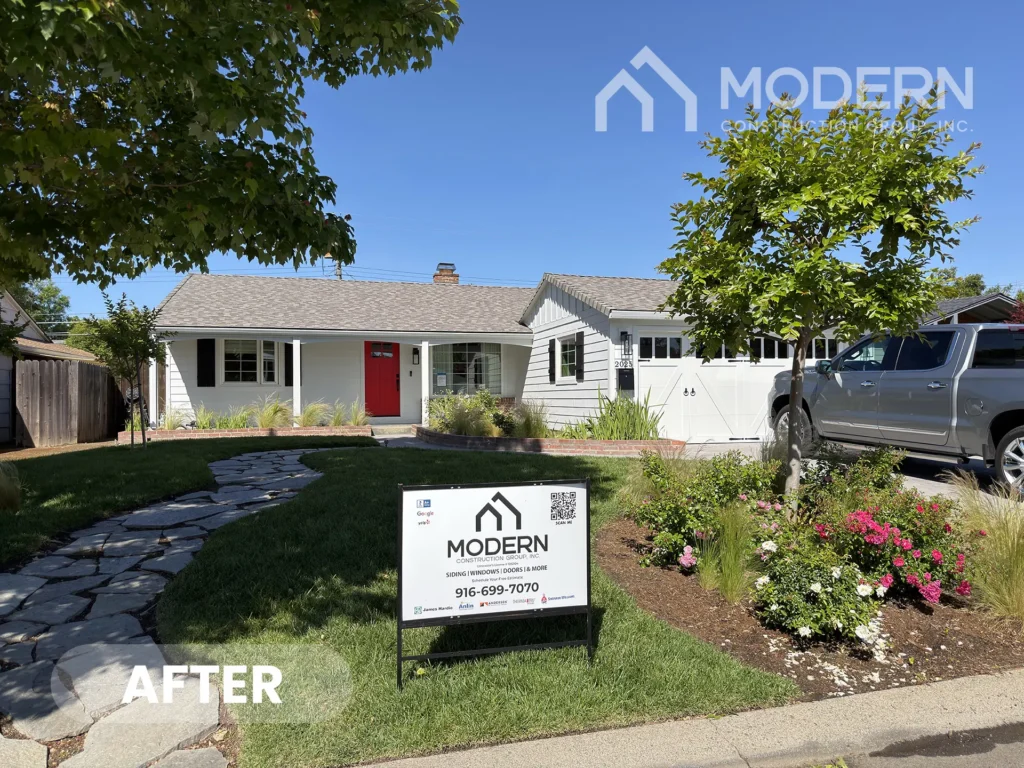
James Hardie’s ColorPlus® Technology finish is baked on at the factory rather than brushed on at the site. That process delivers a consistent, fade-resistant color with lasting beauty, backed by a 15-year limited finish warranty covering peeling, cracking, and chipping. You can choose lap siding for a classic horizontal look, shingle styles for texture, or vertical panels for a modern profile, many with realistic wood grain detail that rivals real wood.
Why Professional Installation of Fiber Cement Siding Matters
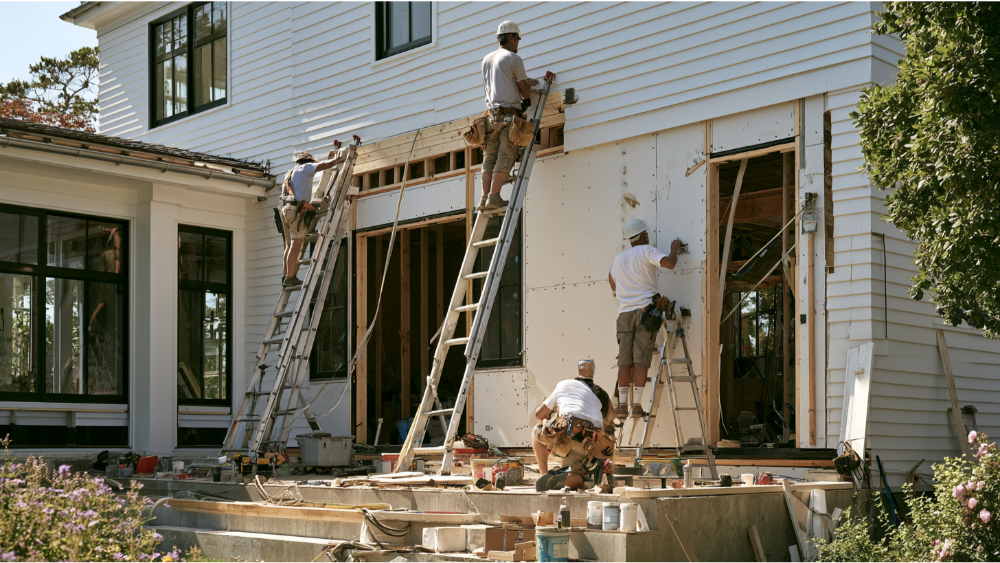
The material is only as good as the installation. Correct fasteners, clearances, flashing, and moisture management determine whether the siding lasts and whether the warranty holds. Manufacturer instructions and code conditions have to be followed to the letter, and cutting has to be done with silica-safe methods to protect the crew. Professional installation of fiber cement siding is skilled work, not a weekend project.
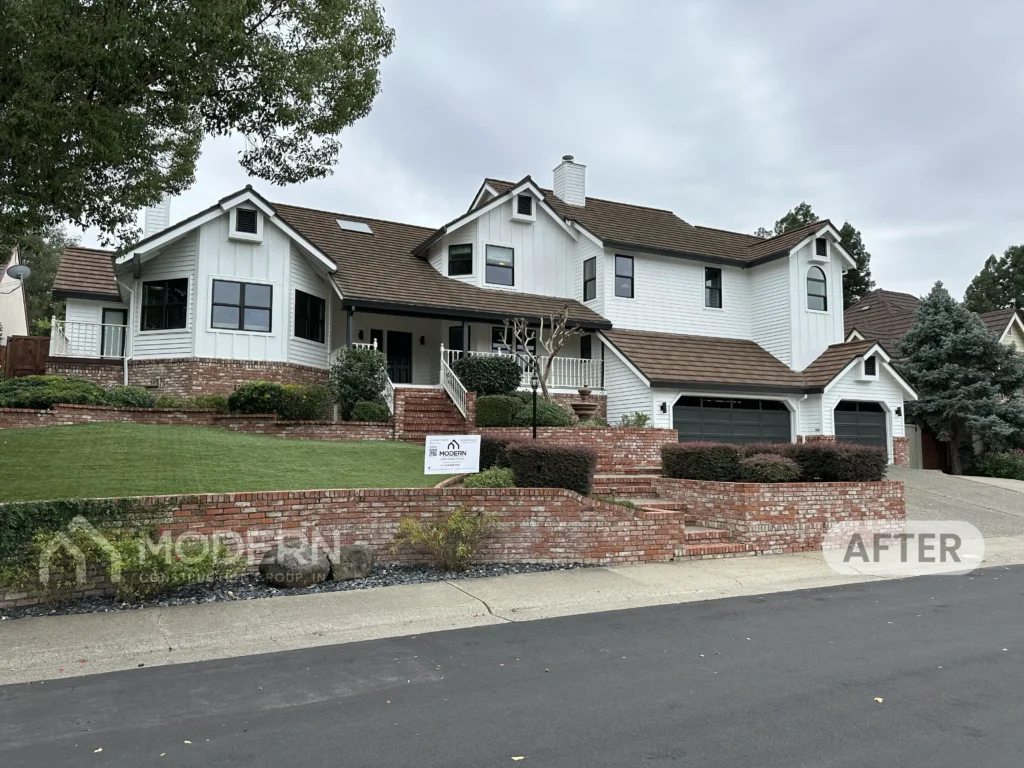
That’s why credentials matter. Modern Construction Group is a family-owned James Hardie Alliance Select Contractor, one of the select few installers certified by James Hardie for installation expertise and business practices. We’re licensed, bonded, and insured under California General Building License #1092104, our owner Gary Chernyetsky is hands-on with project quality, and we back our work with a 15-year workmanship warranty alongside the 30-year material warranty available on the product. We handle your siding project for Northern California conditions specifically, from valley heat to foothill WUI exposure.
Is Fiber Cement the Right Siding for Your Home?
It’s likely a strong fit if:
- You want premium, long-term siding, not a short-term patch.
- You want stronger fire resistance in a WUI or climate-stressed area.
- Long-term curb appeal and minimal maintenance matter to you.
- You’d rather hire a certified installer than a generalist.
Among the many alternatives on the market, fiber cement is also a proven mainstream choice, and finding the right siding often comes down to weighing durability against upkeep. NAHB reported fiber cement was the principal exterior material on 22.6% of U.S. single-family homes started in 2025, and it remains one of the fastest-growing siding categories, outpacing many other options in new construction.
Fiber Cement Siding Costs and Your Free Estimate
Every home is different. Home size, existing siding removal, wall condition, and finish choices all affect scope, which is why accurate fiber cement siding costs come after an on-site look. When you’re ready, we’ll walk your project and give you clear numbers. Financing is available. Get Your Free Estimate Today by calling (916) 699-7070.