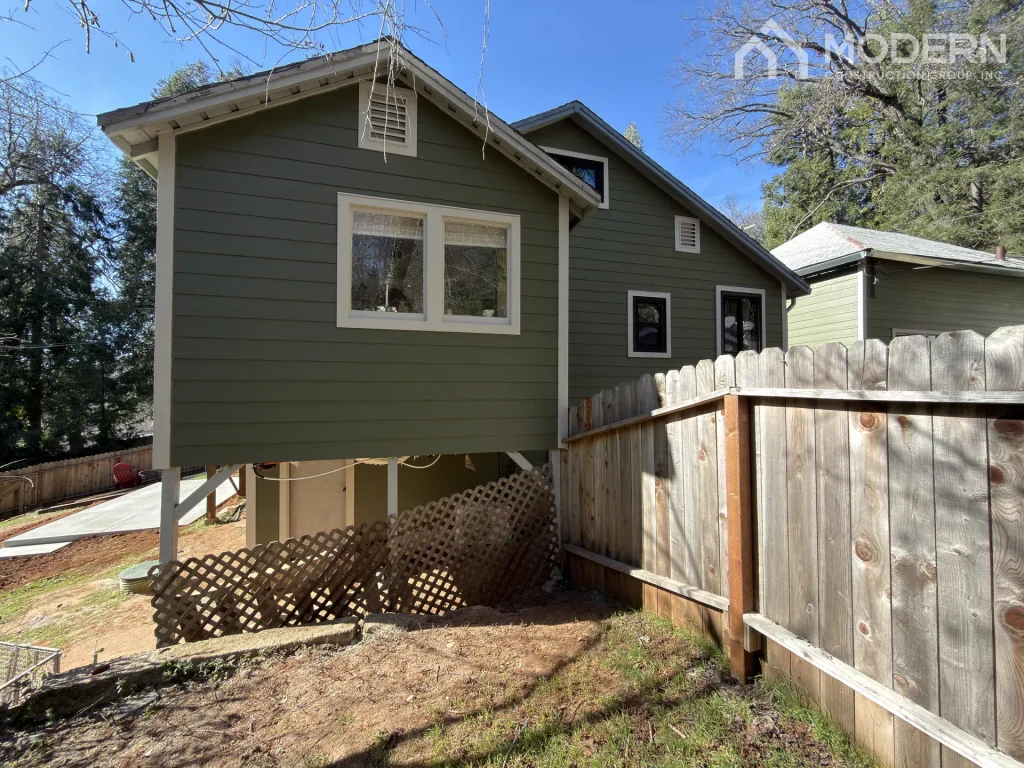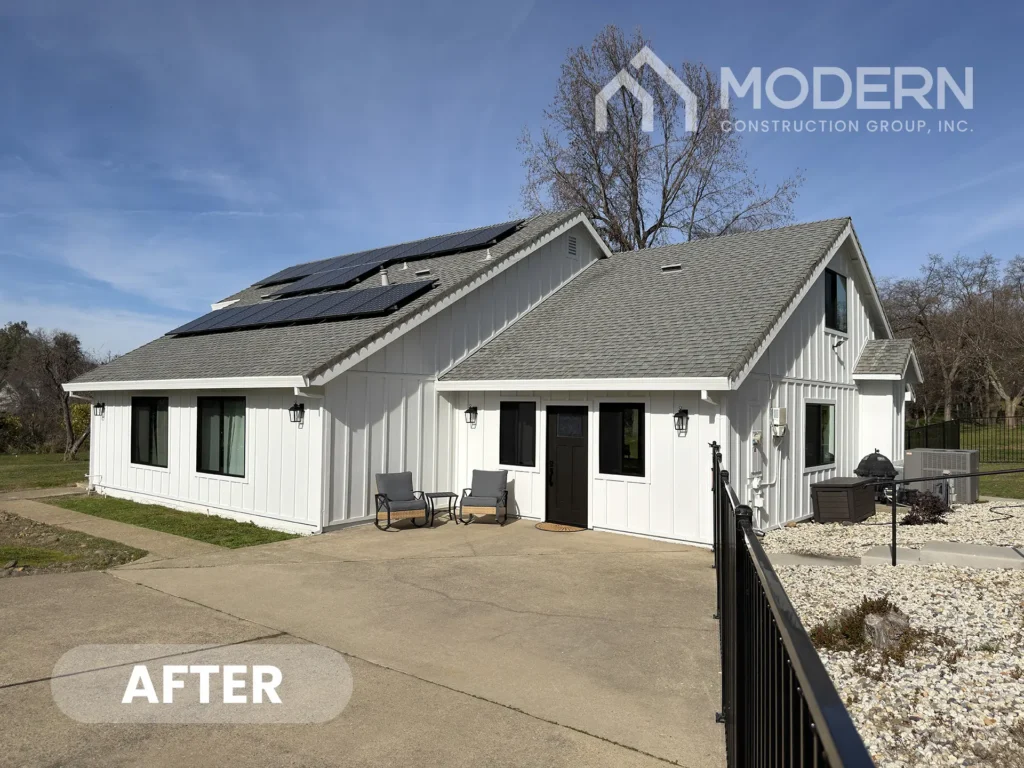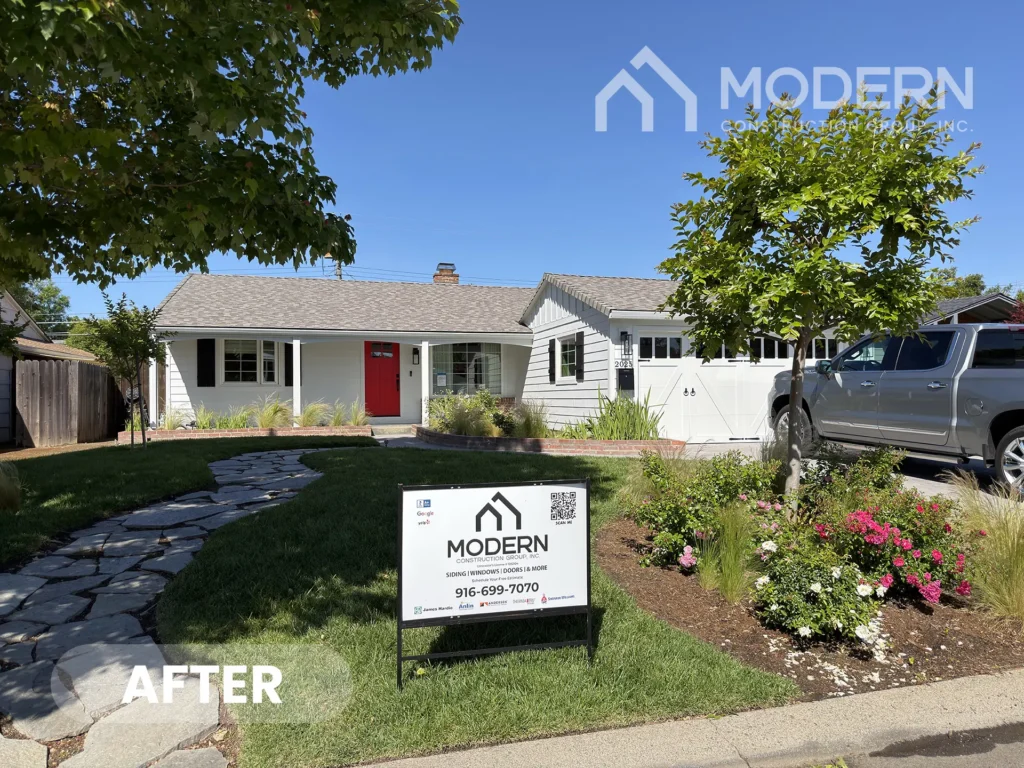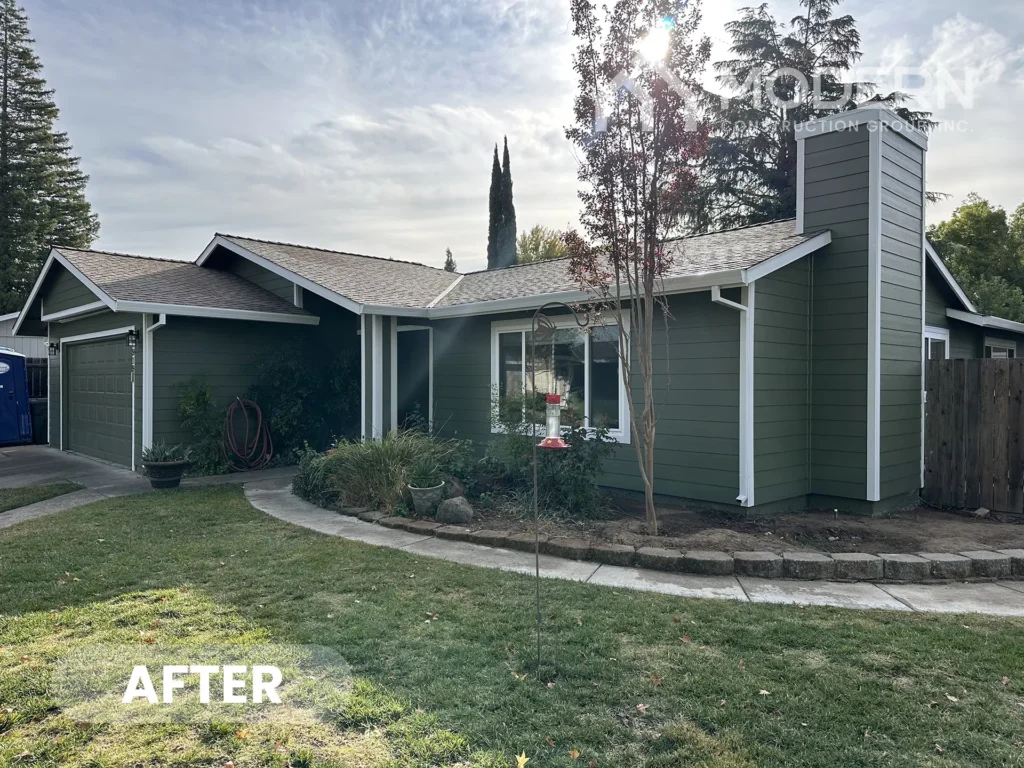
Key Takeaway
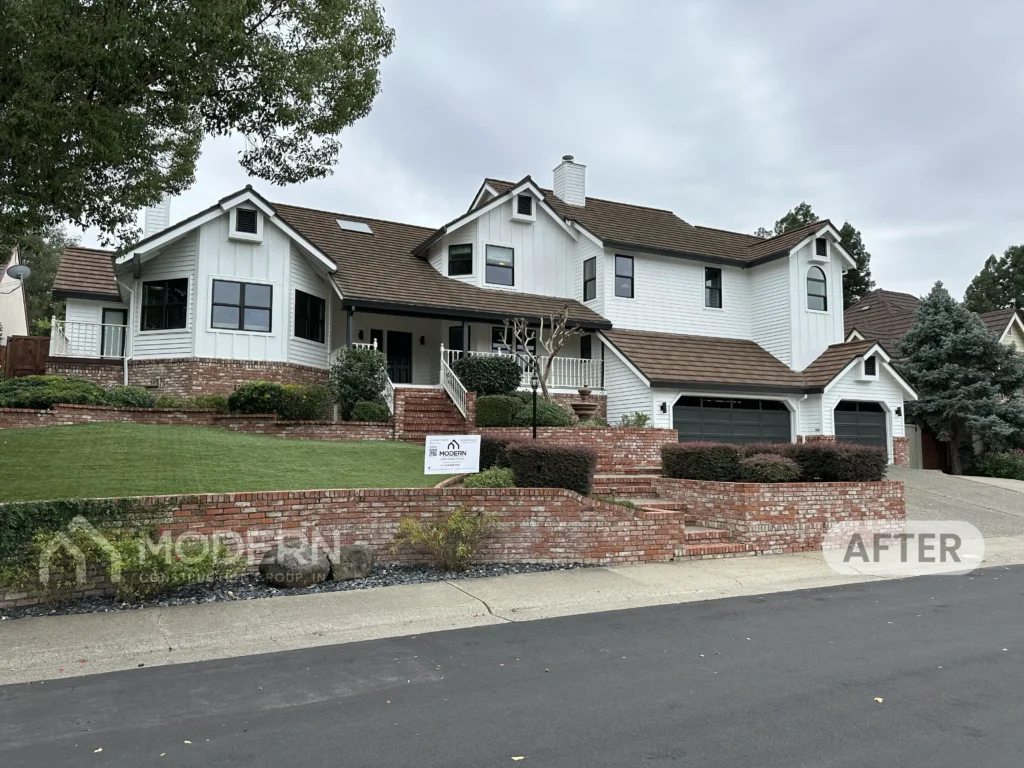
Homeowners replace aluminum siding when denting, chalking, corrosion, loose panels, and water intrusion turn maintenance into a repeating cycle that patching can no longer solve. Aluminum siding replacement is a building-envelope decision: once panels come off, a qualified contractor inspects sheathing, flashing, and moisture barriers before installing a modern system. Fiber cement siding, particularly James Hardie, leads as the replacement choice for Northern California homes due to its fire resistance, fade-resistant factory finish, and 30-year material warranty.
Homeowners replace aluminum siding when denting, chalking, fading, corrosion, loose panels, hard-to-match repairs, or hidden wall problems turn maintenance into a repeating cycle. At that point, patching and repainting stop paying off. What comes next isn’t just a new coat of anything: it’s a full exterior assessment. You remove or evaluate the existing siding, inspect the sheathing and flashing underneath, handle any lead-safe or permit requirements, and install a modern siding system built to last decades. If you own an older house and you’re weighing repair against replacement, this guide gives you a clear decision framework and shows you what actually happens once the old panels come off. Replacing siding is a building-envelope decision, not a cosmetic one.
Why So Many Older Homes Still Have Aluminum Siding
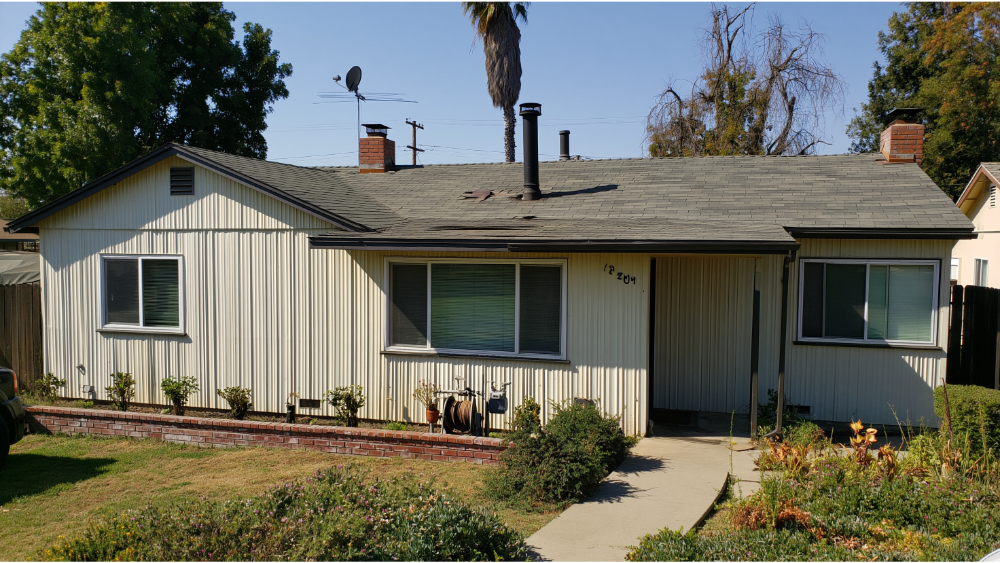
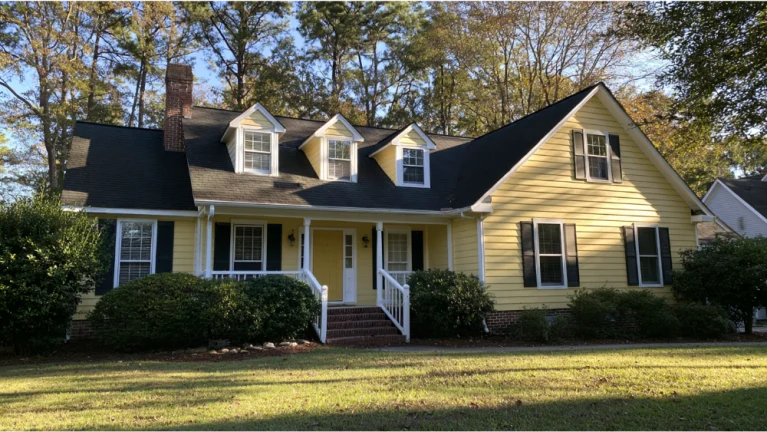
Baked-enamel residential aluminum siding first appeared in 1947, and it became a postwar favorite for good reason. It was easy to install, resisted rot, and didn’t rust the way steel could. Homeowners often used it to cover aging wood siding or masonry, giving a tired exterior a fresh, low maintenance face. By the 1970s, its popularity peaked. You’ll still find aluminum siding wrapping homes across Northern California neighborhoods built in that era, sitting alongside other houses clad in stucco or brick.
The appeal made sense for its time. Aluminum shrugged off weather, needed little upkeep, and gave decent protection against the elements. But most of that older siding was installed without the modern foam backing that today’s systems use, which means it does little for insulation or energy efficiency. Those same homes are now decades old. Finishes have worn, panels have taken hits, and replacement parts have grown scarce. The material that once looked like a smart, low cost shortcut now sits at the center of a bigger decision.
The Most Common Reasons Homeowners Replace Aluminum Siding
Aluminum siding tends to fail on the surface long before it fails structurally. The problems show up gradually, then start to feel like a pattern you can’t get ahead of. There are several reasons that most often push homeowners toward replacement:
- Dents that won’t go away. Hail, ladders, stray branches, and everyday impact leave permanent dimples. Because aluminum is a soft metal, it bends easily and doesn’t spring back, so dents accumulate over the years.
- Chalking and color fading that keep returning. Older finishes from the 1950s and 1960s were prone to chalking, and UV exposure fades panels unevenly. Repainting buys a few years, then the cycle repeats.
- Scratches and corrosion at the base metal. A deep scratch exposes bare aluminum, which can oxidize over time, especially where the finish has been compromised. Moisture and salt spray near the coast can damage aluminum faster than many owners expect, and aluminum siding repair rarely restores the original look.
- Loose, buckled, or noisy panels. As aluminum expands and contracts with temperature swings, panels can pop loose or make popping and pinging sounds during hot afternoons and cool nights.
- Repairs you can’t match. Many older profiles and colors are discontinued, so a new panel or old piece rarely blends in cleanly with the rest.
- Water getting behind the siding. Gaps and failed seams can let moisture reach the wall, where it does quiet water damage you won’t see from the curb and can invite mold growth.
- Dated curb appeal and lost value. The look reads as older-home, and contemporary siding profiles simply present better and support resale value.
- A want for fire-resistant, climate-specific materials. Homeowners in fire-exposed areas increasingly want an exterior built for Northern California conditions, not a generic wrap.
None of these is a crisis on its own. Together, they’re the reason so many homeowners decide that patching one more panel isn’t worth it.
Should You Repair, Paint, or Replace Aluminum Siding?
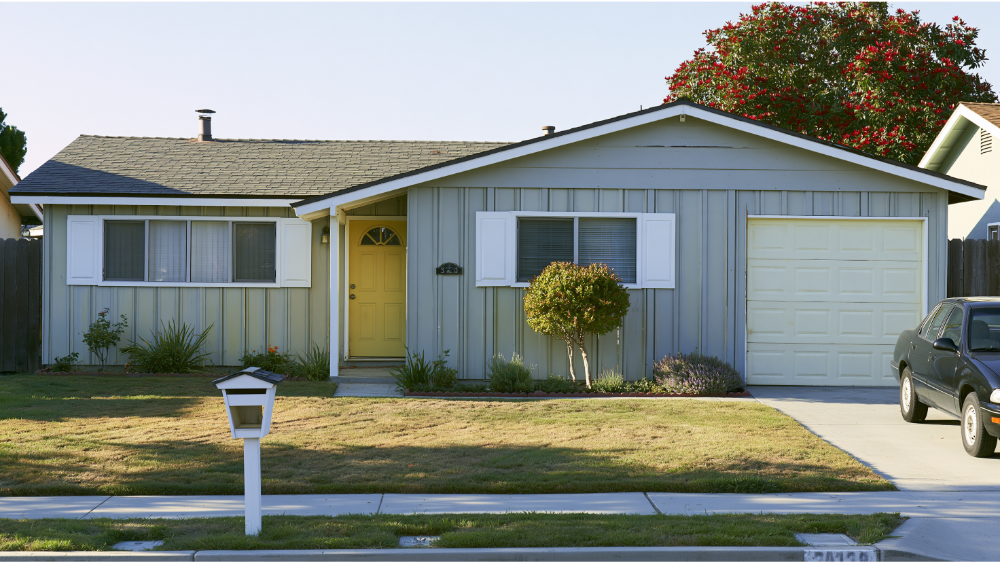
The right move depends on how far the wear has gone and what you want out of the next 20 or 30 years. Repairing aluminum siding is tedious and slow, and matching a faded color is genuinely hard. Here’s a simple way to sort it out:
| Situation | Reasonable next step |
|---|---|
| Damage is small, localized, and matching panels are still available | Repair. A targeted fix can hold for now. |
| Siding is structurally sound but chalky or faded | Paint or refinish. A refresh that buys time, not a permanent fix. Expect to repaint again every few years. |
| Damage is widespread, panels are loose, repairs look patchy, or water intrusion is suspected | Replace. Especially if you want a decades-long exterior you don’t have to babysit. |
Painting is worth understanding as an option, but treat it honestly: it’s a temporary refresh on a material that will keep fading. If you find yourself repainting every few years and still hunting for panels that no longer exist, you’re spending real money to postpone a decision instead of settling it. Doing the job right once beats an ongoing patch cycle. When repairs start to feel endless, replacing your current siding across the entire house usually is the more cost effective path over the life of the home, even though the upfront cost is larger.
What Happens When Aluminum Siding Comes Off? Watching for Underlying Issues
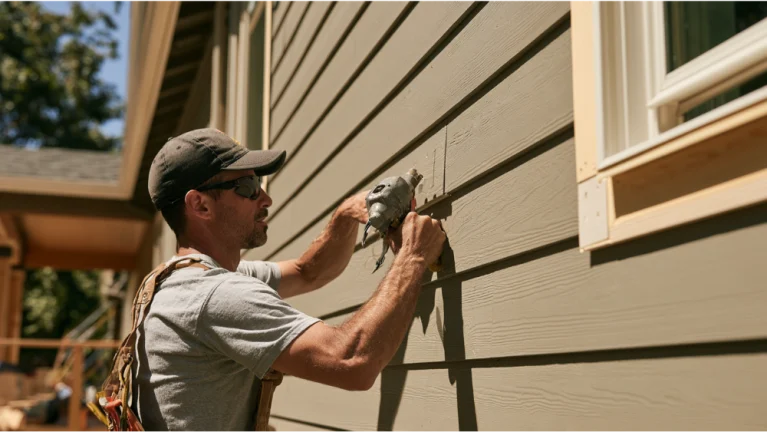
This is the part most siding conversations skip, and it’s where a good contractor earns their keep. Your exterior wall isn’t a single layer. Under the visible cladding sits a system that manages water and protects the structure, and re-siding is your one clear chance to inspect and fix the underlying issues.
When the old aluminum siding comes down, a qualified crew looks at what’s underneath:
- The sheathing, checked for moisture, rot, or soft spots that signal a hidden leak. Damaged wood tends to absorb moisture and stay wet.
- The water-resistive barrier (WRB), checked for missing, torn, or improperly lapped sections that undermine moisture control.
- Flashing around windows, doors, and roof-wall intersections, corrected where it’s absent or failing.
- Pest and water damage that may have been sitting quietly behind the panels for years, sometimes softening the wood framing.
- Insulation opportunities, since the wall is open and accessible and a good moment to add additional insulation and make the house more energy efficient.
The International Residential Code requires exterior walls to form a weather-resistant envelope, with flashing and water management behind the cladding. Building America’s re-siding guidance points to the same priorities: inspect for bulk water penetration, correct poor flashing at windows and roof-wall joints, and integrate new flashing with the WRB. Skip this, and you’ve just hidden old problems, including active water damage, behind new siding.
One more consideration for older homes. If your house was built before 1978, the EPA’s Renovation, Repair and Painting Rule applies to many paid projects that disturb painted surfaces. There are minor thresholds (roughly 6 square feet indoors or 20 square feet on exterior surfaces), but a full re-side clears those quickly. Confirm the requirements and hire a firm that follows lead-safe practices. This is exactly the stage where a licensed, careful contractor is worth every dollar.
Comparing Fiber Cement, New Vinyl Siding, and Wood Siding
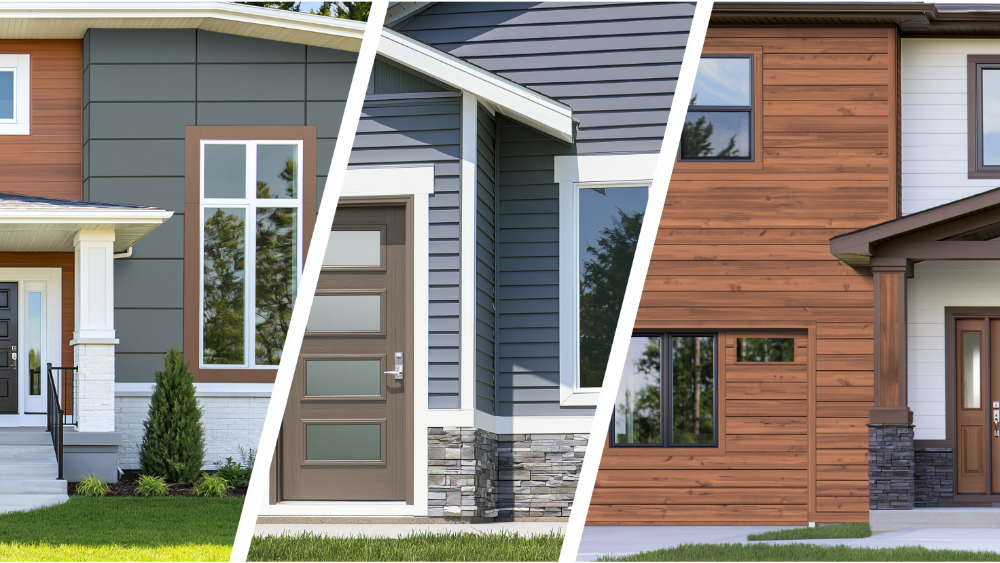
Homeowners replacing aluminum usually weigh a few materials. Vinyl siding is low maintenance and inexpensive to install, and new vinyl siding has improved over older generations, with insulated vinyl offering a bit more thermal performance. Engineered wood siding offers a warm, natural look with reasonable moisture resistance. Both have their place. Some owners even ask about layering aluminum siding with vinyl as a quick cosmetic cover, but that approach traps the old panels and any hidden water damage in place rather than solving it. For Northern California homes, fiber cement siding stands out as the long-term choice.
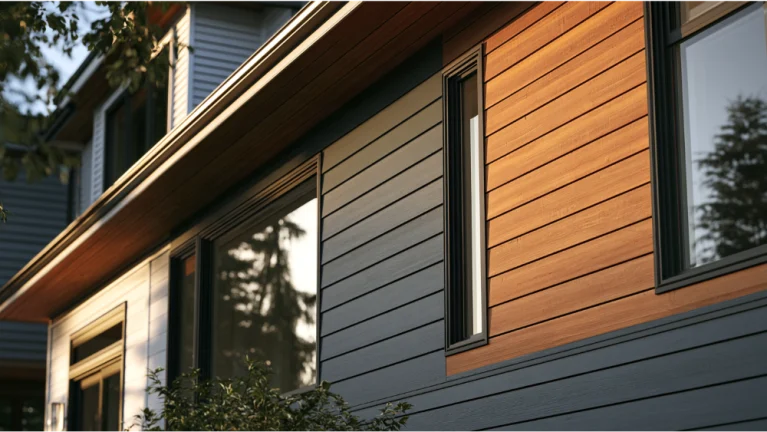
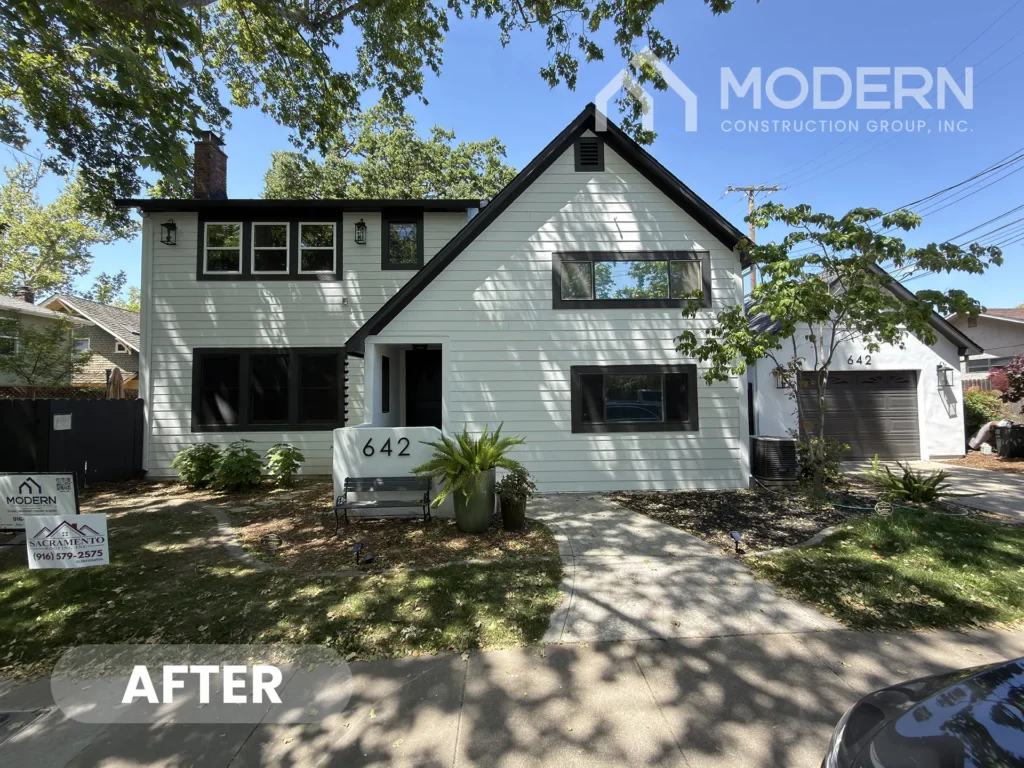
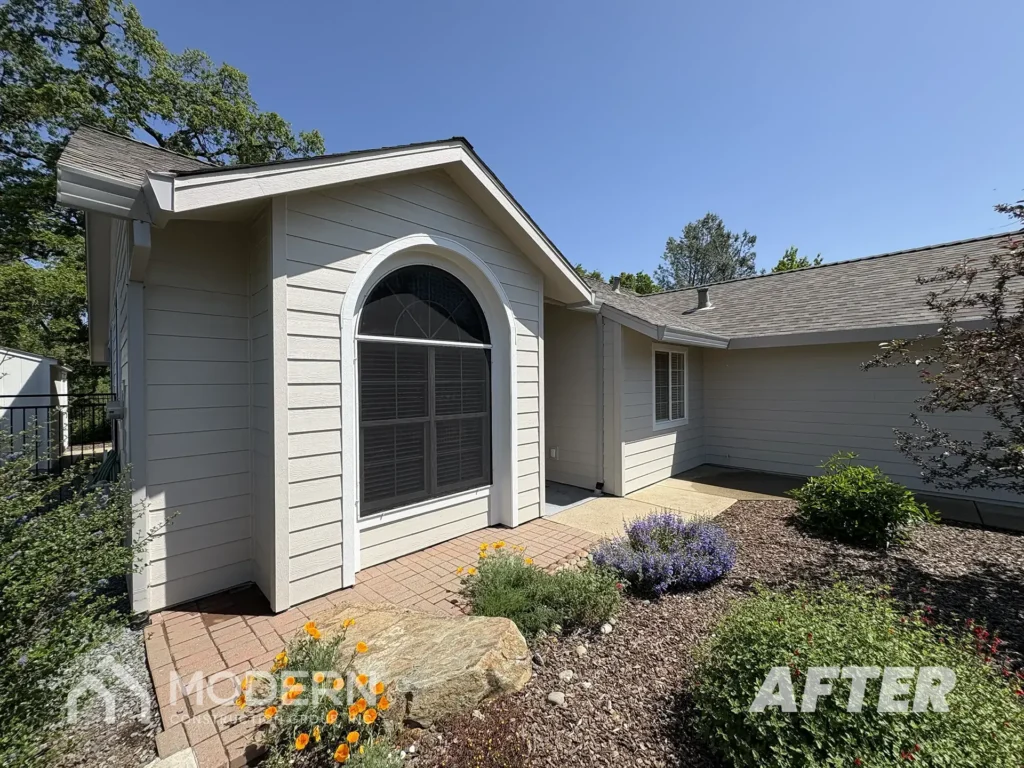
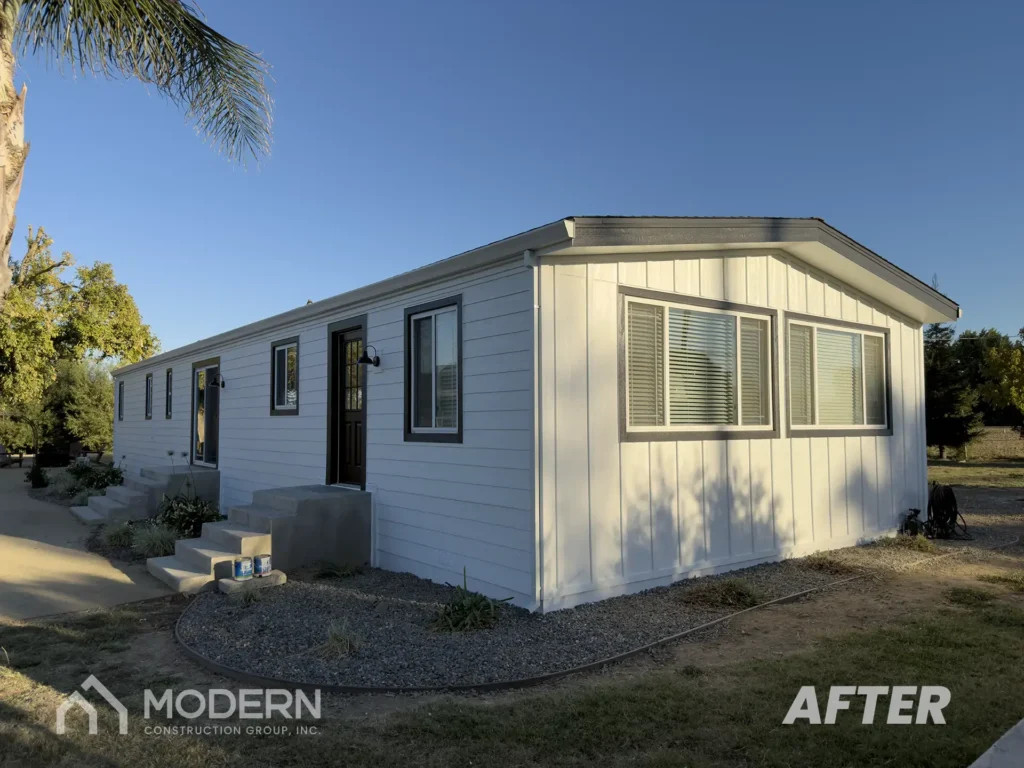
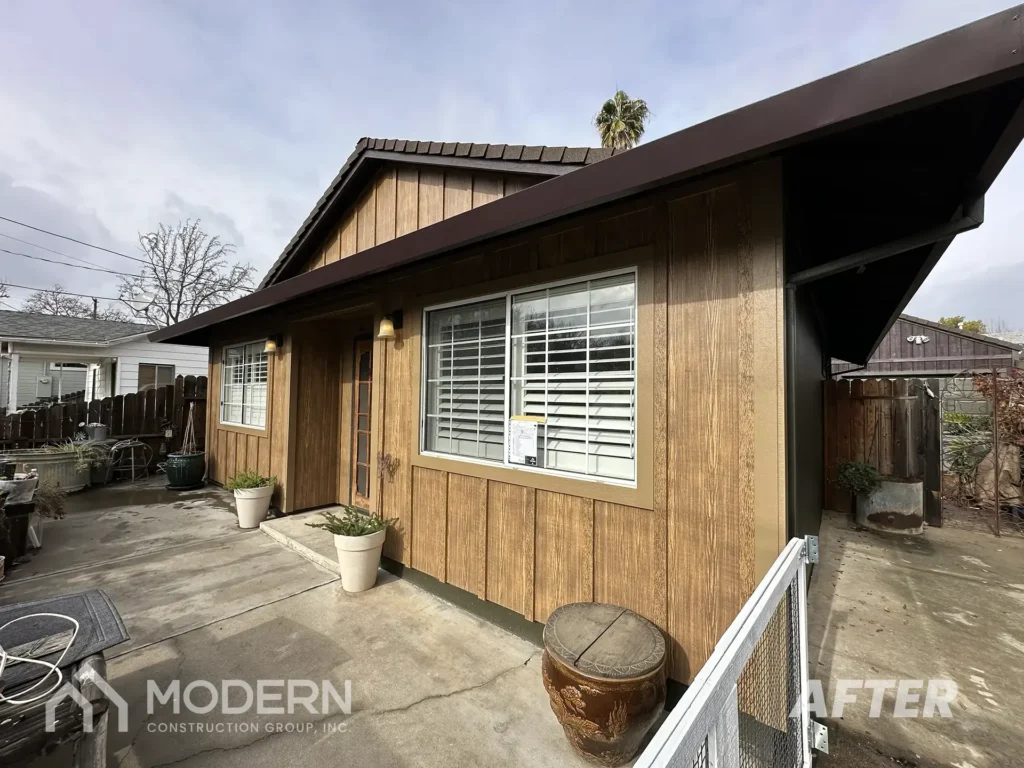
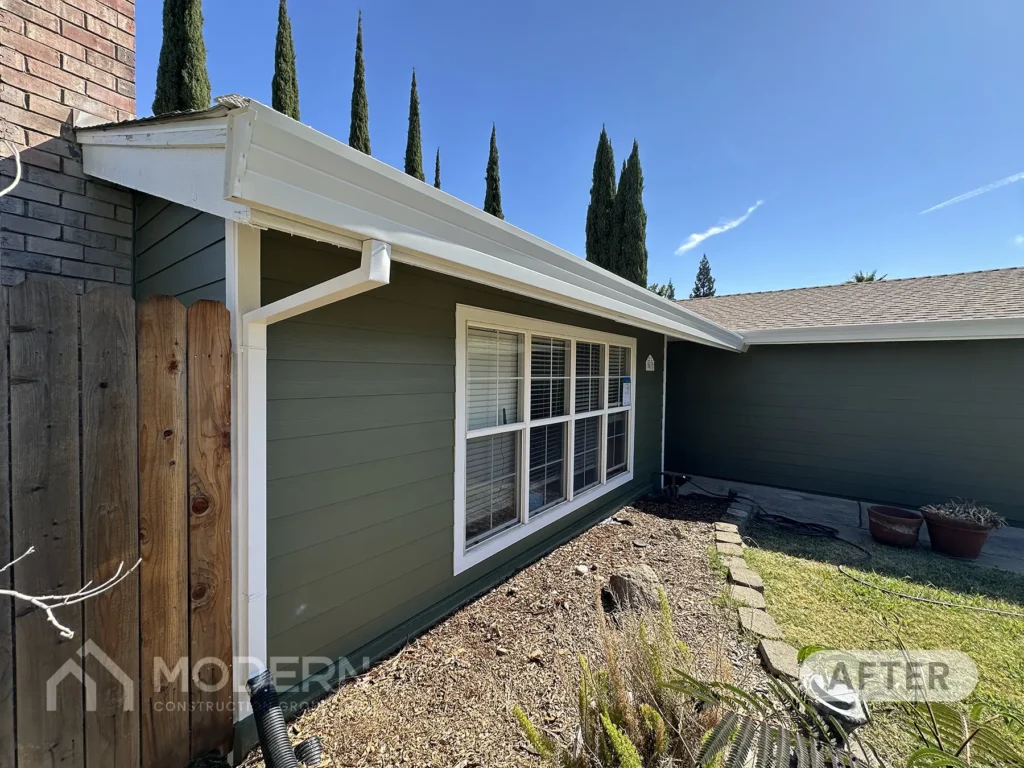
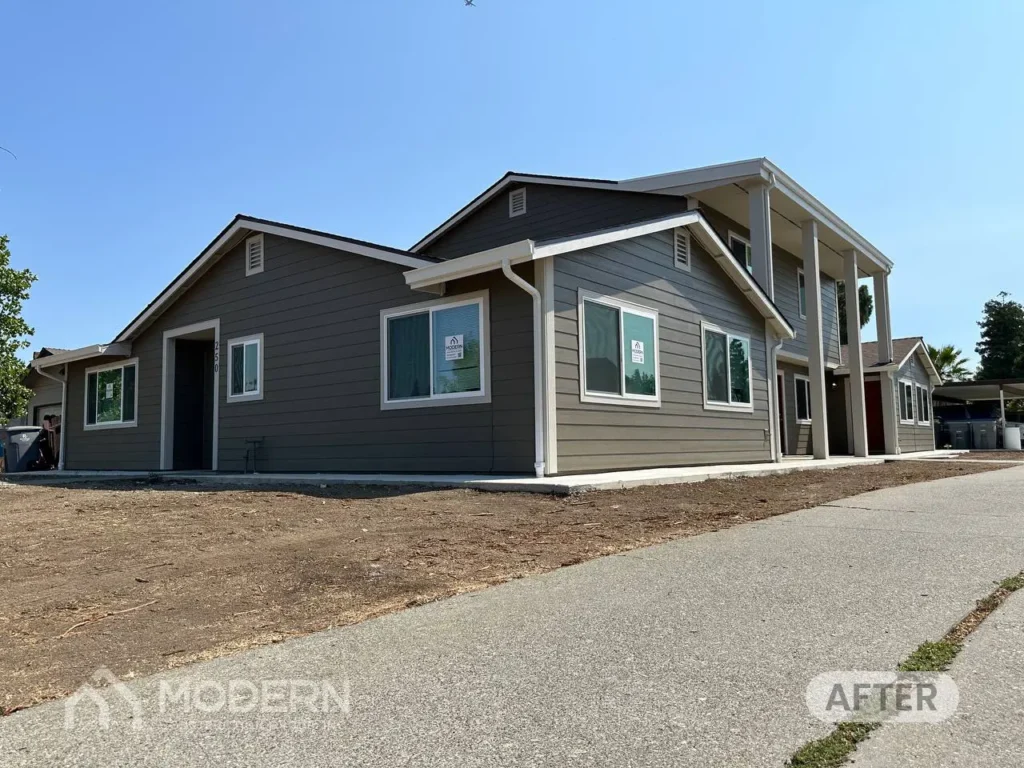
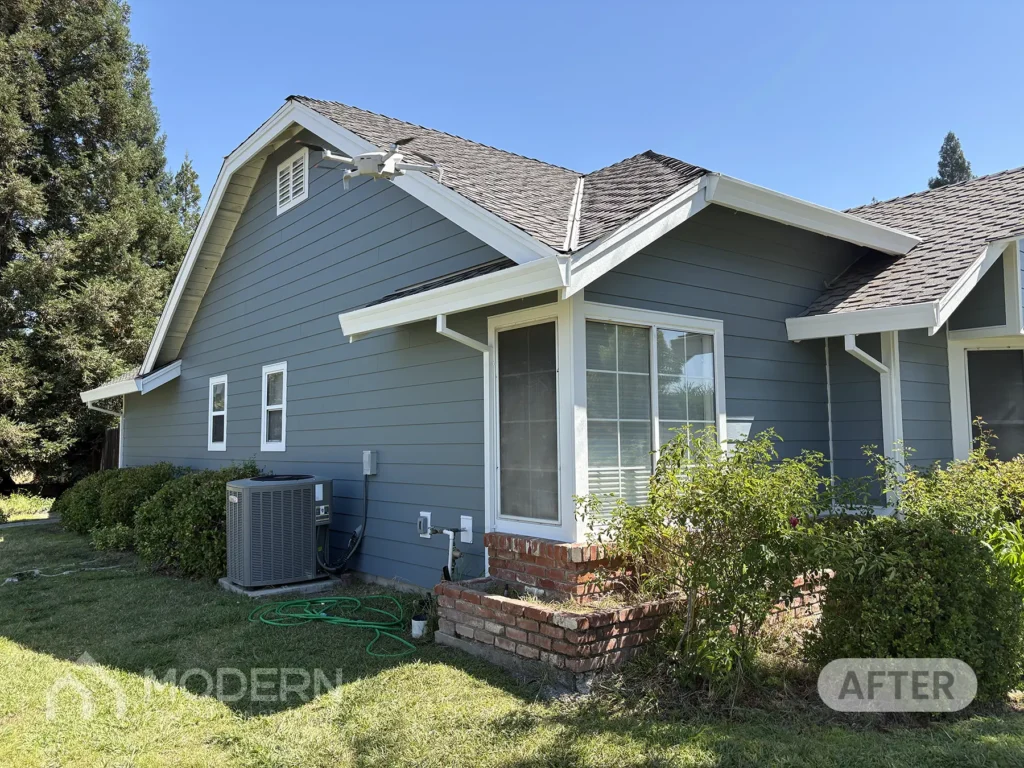
James Hardie fiber cement is the gold standard for durability, beauty, and fire resistance. It’s made from sand, water, cellulose fibers, and Portland cement, and Hardie siding complies with ASTM E136 as noncombustible cladding. That matters here, and we’ll get to why. It resists the denting and impact that plague aluminum, and unlike vinyl it won’t warp or grow brittle in valley heat. It also won’t melt or release toxic fumes the way some combustible materials can when exposed to fire. It holds a crisp, contemporary look that lifts curb appeal.
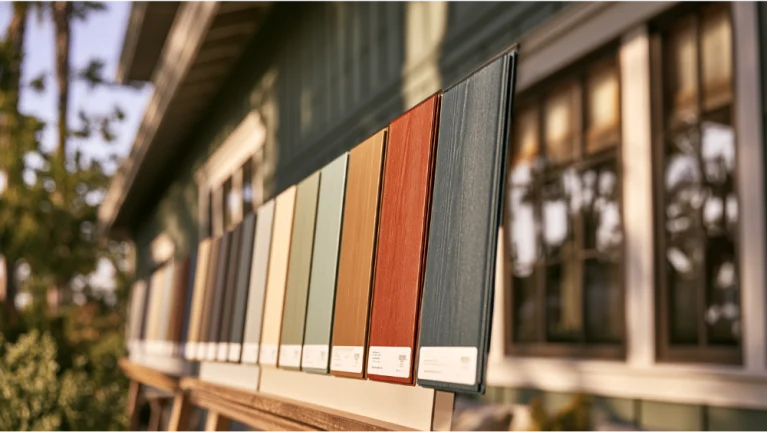
The finish is a real advantage too, and there are other advantages worth weighing. ColorPlus® Technology is a factory-applied, cured finish engineered to resist UV damage and hold color far longer than field-applied paint, which breaks the repaint-every-few-years cycle you fight with older aluminum and even with painted wood siding. A 30-year non-prorated material warranty is available on the substrate, and the ColorPlus finish carries its own 15-year limited warranty against peeling, cracking, and chipping. Installed by certified James Hardie Alliance Select installers, it’s a durable system built to protect and enhance your home for decades. This isn’t the lowest cost siding on the shelf. It’s the right siding when you plan to own the house for a long time.
Northern California Factors That Change the Siding Decision
Where you live changes what your exterior needs to do. Your local climate isn’t gentle on siding, and the right material and installation aren’t universal.
Sacramento valley summers bring warm, dry, mostly cloudless days with strong UV, which is exactly what fades and chalks older finishes and can warp thinner vinyl. A fade-resistant factory finish earns its keep here. Then the winter rainy season arrives, roughly November through February, when more than half the year’s rain falls. That’s when proper moisture control and flashing behind the siding decide whether your walls stay dry and free of water damage.
Fire is the factor that changes the math most. CAL FIRE notes that combustible siding with gaps or penetrations larger than 1/8 inch is a vulnerability to embers and flame, and recommends noncombustible or ignition-resistant siding. If full replacement isn’t feasible, CAL FIRE suggests at least a noncombustible bottom 2-foot zone with metal flashing at the sheathing edge. UC ANR’s Fire Network lists fiber cement among the noncombustible siding options that meet California’s exterior-wall requirements in wildfire hazard areas. Vinyl, by contrast, is combustible and can soften and drop away when exposed to heat.
A note on aluminum and fire: aluminum is a noncombustible metal, but it melts near 1220°F, and an old aluminum assembly can still have gaps, wood beneath, and vulnerable trim. Noncombustible cladding is one piece of home hardening, never a guarantee against wildfire. California’s rules are also changing: Chapter 7A is being replaced by the 2025 California Wildland-Urban Interface Code (Title 24, Part 7), effective January 1, 2026. Confirm the current, property-specific permit and code requirements with your city or county building department or your licensed contractor before you start.
Should You Replace Windows at the Same Time?
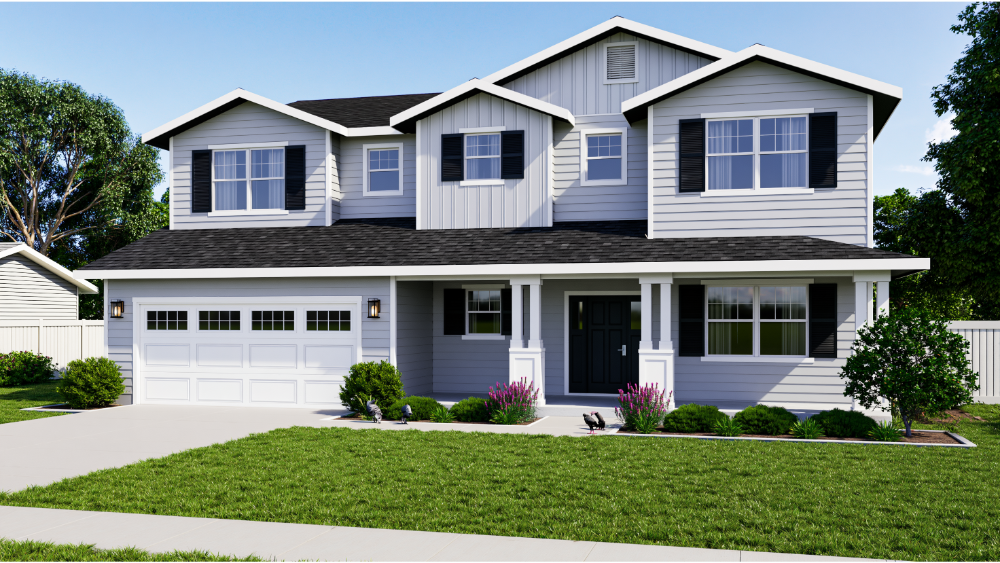
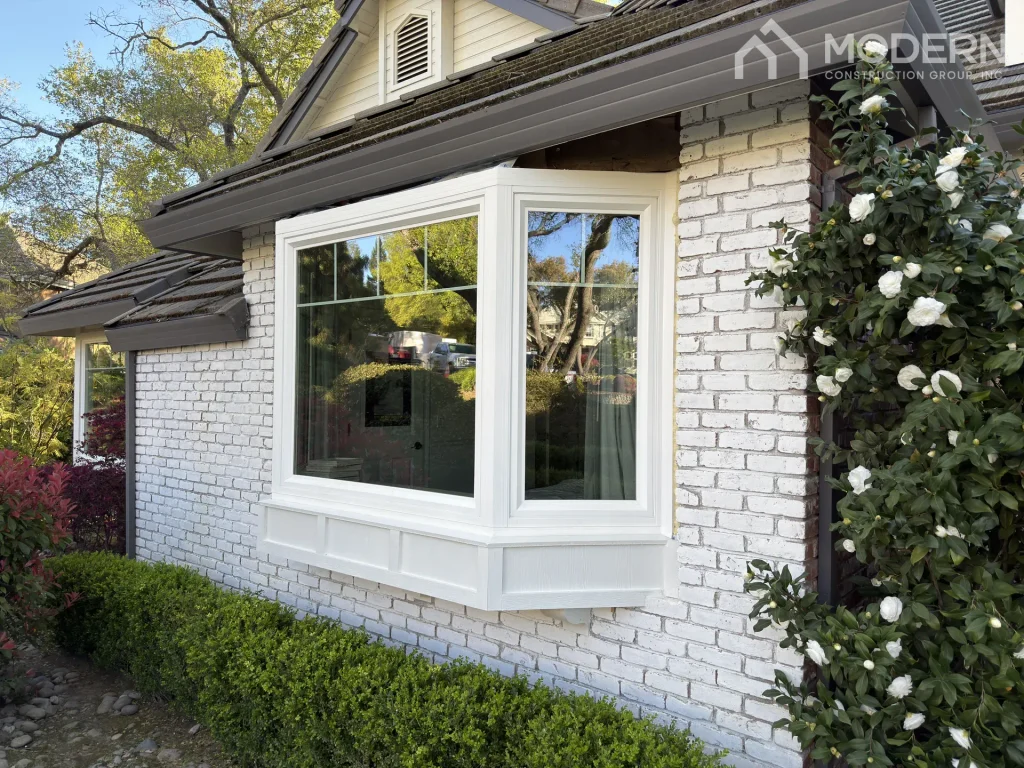
If you’re already re-siding, it’s worth asking. Removing siding exposes the same window and door interfaces that control flashing, trim, and air sealing. Choosing to replace windows during a re-side lets both integrate cleanly with the new water-resistive barrier, so the whole envelope works as one system instead of two projects that never quite met.
The payoff goes beyond tidy flashing. New windows improve energy efficiency, cut outside noise, and make rooms more comfortable through valley heat and winter chill, which can lower your energy costs. As an Anlin Authorized Dealer, we install Anlin windows and doors, which are California-engineered with Low-E3 glass for energy savings and backed by a lifetime warranty that includes accidental breakage coverage. If you’re considering pairing the two, Learn More About Windows and we can walk through what makes sense for your home.
How to Choose the Right Contractor for Siding Replacement
Northern California homeowners have earned their caution about contractors. The real questions are simple: will they show up and do quality work, are they actually certified, and is premium pricing worth it. Here’s what to look for in any contractor before you sign:
- A verified license number you can check, not a vague “fully licensed” claim.
- Product-specific certification for the siding they install, not just general experience.
- A written workmanship warranty in addition to the manufacturer’s material warranty.
- Real reviews and clear accountability if something needs to be corrected.
Modern Construction Group is built around those signals. We’re a family-owned company, which means someone with a personal stake is overseeing the work, not a rotating crew with no one accountable. Owner and founder Gary Chernyetsky stays hands-on with projects, and that oversight shows up in the details that get done right the first time. We’re a certified James Hardie Alliance Select Contractor and an Anlin Authorized Dealer, and we’re licensed, bonded, and insured under California license #1092104.
On warranties, we stand behind our work with a 15-year workmanship warranty, paired with James Hardie’s 30-year material warranty available on the substrate and the 15-year ColorPlus finish warranty. With over 25 years of experience, as stated on our site, we’ve deliberately focused on siding and windows so we can master them rather than spread thin. That’s the difference between a patch and a job that protects your home and its long-term value for decades.
What is the best replacement for aluminum siding?
Fiber cement leads for durability, a fade-resistant finish, and fire resistance, which makes it a strong fit for Northern California homes. Vinyl siding and engineered wood siding are also common choices. The right pick depends on your climate exposure, your look, and how long you plan to own the house.
Do you ever need to replace aluminum siding?
Yes. When denting, chalking, corrosion, loose panels, or water damage turn maintenance into a recurring cycle, replacement fixes the problem instead of postponing it. That’s usually the point where repairs stop being worth the effort or the cost.
Why don’t they do aluminum siding anymore?
Its popularity peaked in the 1970s, then newer, more environmentally friendly materials pulled ahead. They offered better dent resistance, stronger insulation and energy efficiency, and finishes that hold color longer, so aluminum siding gradually fell out of favor for residential exteriors.
What is the average lifespan of aluminum siding?
It’s commonly cited around 20 to 40 years, but treat that as a general planning estimate, not a guarantee. Any siding eventually wears out, and actual life depends heavily on installation quality, climate, how well you maintain it, panel thickness, and the condition of the wall behind it. Coastal homes are more susceptible to corrosion.
Can old aluminum siding be matched for repairs?
Often not cleanly. Older profiles and colors are frequently discontinued, and faded panels are hard to color-match. A common workaround is borrowing a matching piece from an inconspicuous spot and putting the closest available replacement there instead, which is cheaper than a full re-side but leaves the mismatch visible.
Get Your Free Estimate Today
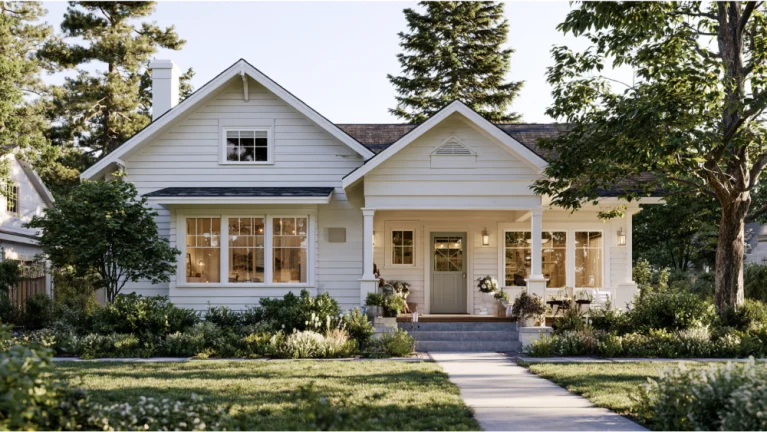
If your aluminum siding has you stuck in a cycle of dents, repainting, and panels you can’t match, replacing it is a chance to rebuild your home’s exterior for the next few decades, done right the first time. We’ll assess what’s behind the old siding, correct the flashing and water management that protect your walls from water damage, and install James Hardie fiber cement built for Northern California’s heat, rain, and fire exposure.
Get Your Free Estimate Today. Call (916) 699-7070 to talk through your project with a certified team that treats your home like the investment it is. Financing is available, and we’re happy to walk you through the options when you reach out.