Key Takeaway
Cedar shake siding delivers a deeply textured, rustic look but requires cleaning once or twice a year, refinishing every 3 to 6 years, and careful moisture management, making it far from low maintenance. For homeowners who want the cedar shake profile without wood-related upkeep, James Hardie HardieShingle fiber cement siding is the leading alternative, offering a noncombustible Class A fire rating and a 30-year material warranty. In fire-prone Northern California, that difference in fire performance and durability often tips the decision.
Cedar Shake Siding at a Glance: Beautiful Wood, Real Upkeep
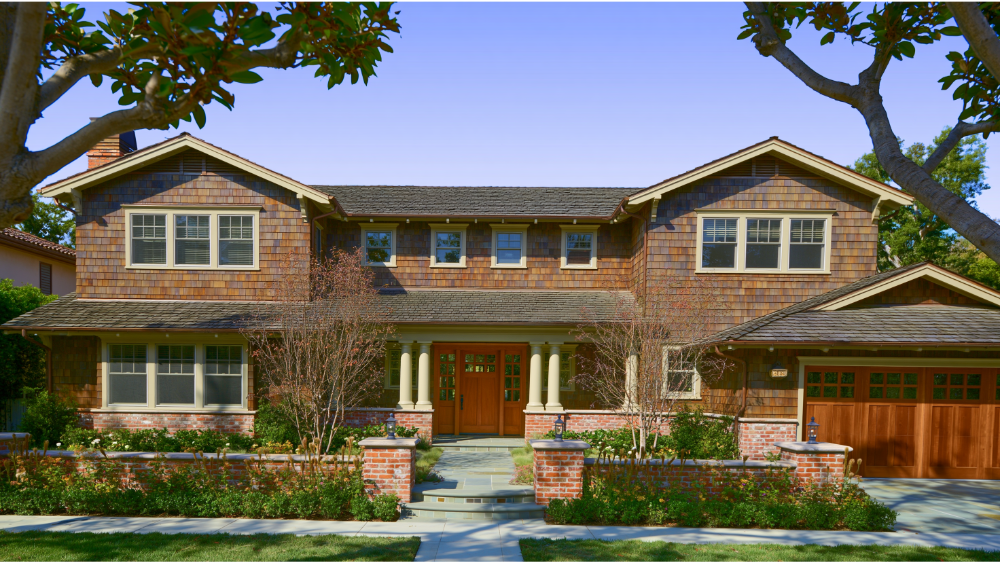
Cedar shake siding gives your home a deeply textured, rustic look that few other materials match. It also asks a lot of you in return: regular cleaning, refinishing every few years, careful moisture management, and an honest reckoning with fire risk, since real cedar is combustible. If you love the cedar shake profile but want less wood-related maintenance, James Hardie fiber cement siding is the premium alternative. It mimics classic cedar shake while adding stronger long-term durability and fire resistance.
This is a decision that lasts 10 to 30 years, so it’s worth understanding both sides. The choice comes down to two things: the gap between how cedar siding looks and what it takes to maintain, and how the material holds up to your local climate and fire conditions. We’ll walk through both, and we’ll touch on where other siding alternatives like vinyl and brick fit into the picture.
What Is Cedar Shake Siding? Shakes vs. Shingles Explained
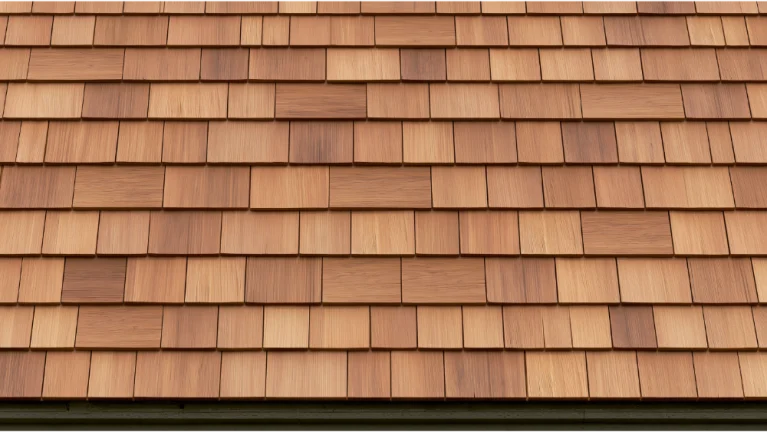
Cedar shake siding is made from cedar split or sawn into individual pieces, then installed as a sidewall covering. The result is a natural wood surface with depth, irregularity, and shadow lines you don’t get from flat panels or from vinyl siding.
People use “shake” loosely, but shakes and shingles aren’t the same thing. Shakes are thicker and often hand-split, so they carry rough, irregular edges and deeper shadow lines for a rustic feel. Cedar shingles are thinner, sawn on both sides, and more uniform, giving a cleaner, more refined face. Homeowners frequently call both “cedar shake,” even when the actual product is a cedar shake shingle sidewall. On a home, shake siding and roof shingles are cut and handled with careful saw blades, and real cedar shingles carry the same wood character across every course.
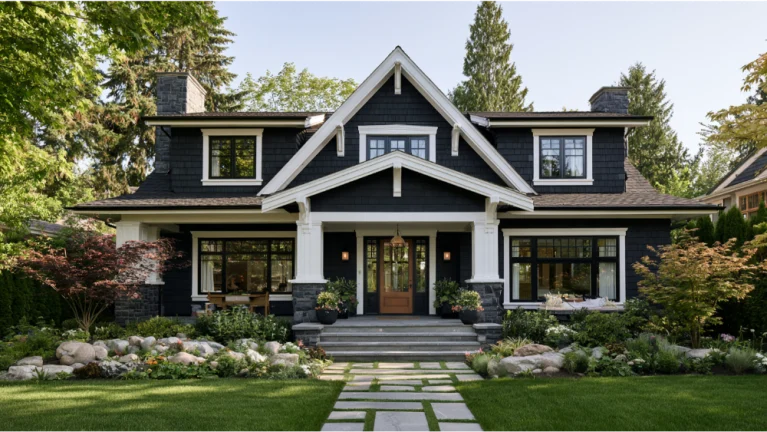
Either way, the appeal is the wood character. New cedar starts a warm golden-brown and, left to weather, softens to a silver-gray over the years. That texture reads especially well on Cape Cod, Craftsman, farmhouse, and coastal-inspired architecture, which is why cedar shake siding has stayed a favorite for so long, from big cities down to small towns.
Why Homeowners Love the Cedar Shake Look
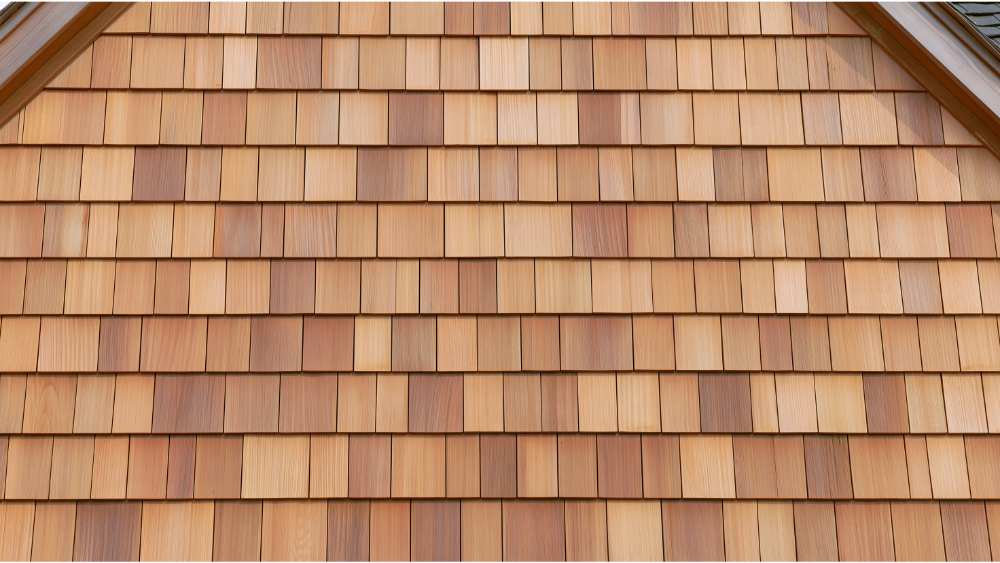
The draw is warmth. Real cedar brings a natural grain and a hand-made quality that flat siding and composite siding can’t fake, and the deep shadow lines give a facade real dimension. It looks like something a craftsman built, not something stamped out. That’s why cedar remains a popular choice for buyers chasing a traditional face.
Cedar shake siding works two ways. As an accent, it adds character to gables, dormers, and entryways, breaking up lap siding with a richer texture. Across a whole house, it defines traditional and coastal styles, wrapping the home’s exterior in a look that feels rooted and timeless. That emotional pull is real, and it’s the reason this material is still on the table for so many homeowners weighing their siding options.
The Upkeep Real Cedar Requires: Beyond Low Maintenance
Cedar is a natural product, and natural products change. To keep cedar shake siding looking its best and performing well, you have to stay ahead of it. This is not a low maintenance material, and it is a long way from maintenance free.
Plan on cleaning the siding once or twice a year to remove dirt, mildew, algae, and moss. Real Cedar recommends a mild, non-phosphate detergent for dirt, and stresses that mildew must be cleaned before you refinish, because restaining over mildew doesn’t solve the problem. Inspect the whole home’s exterior roughly every six months so small issues don’t turn into big ones.
Then there’s the finish. Semi-transparent oil-based stains and cedar oil treatments protect the wood while preserving its grain, but Real Cedar notes they typically last only 3 to 6 years before reapplication, depending on design and weather exposure. Painting cedar is an option too, though paint tends to trap moisture and peel if it isn’t maintained carefully. Across climates, real wood siding generally needs refinishing every 3 to 7 years. How often depends on sun, moisture, and how the home is oriented.
Installation quality drives long-term performance too. Cedar should be finished promptly, with moisture content no higher than 20% before any finish goes on. Pre-drilling near ends, corrosion-resistant fasteners, proper spacing, and correct underlayment all affect how long the siding lasts once it is installed. The recurring maintenance reality looks like this:
- Clean dirt, mildew, algae, and moss once or twice a year
- Inspect the exterior about every six months
- Refinish or repaint every 3 to 6 years, sooner in harsh exposure
- Manage moisture and address damaged shingles quickly
Common Problems With Cedar Shake Siding: Insect Damage and More
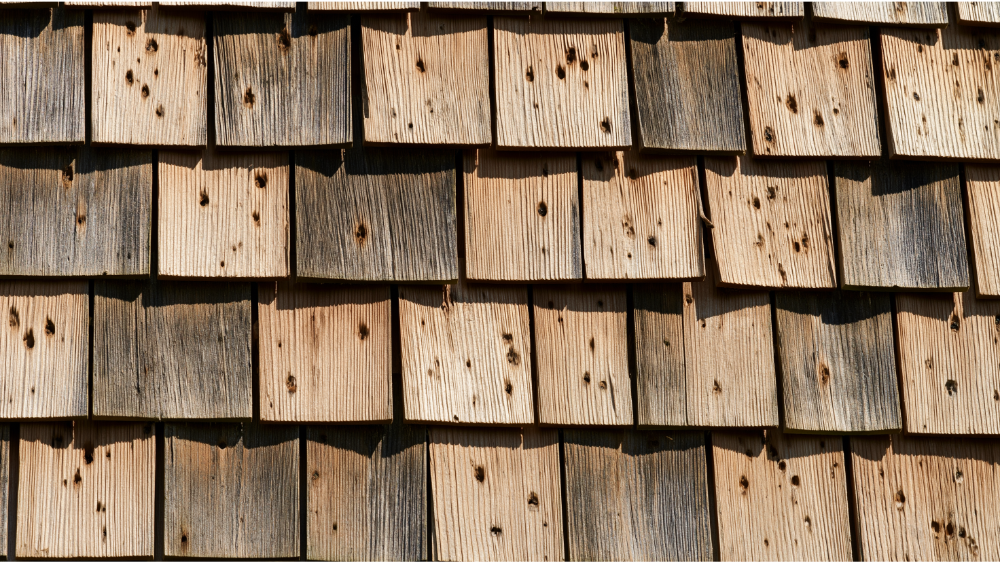
Well-maintained cedar can last 20 to 40 years or more. “Well-maintained” is the operative phrase, because neglected cedar runs into a predictable set of problems:
- UV fading and uneven weathering as UV rays break down the finish
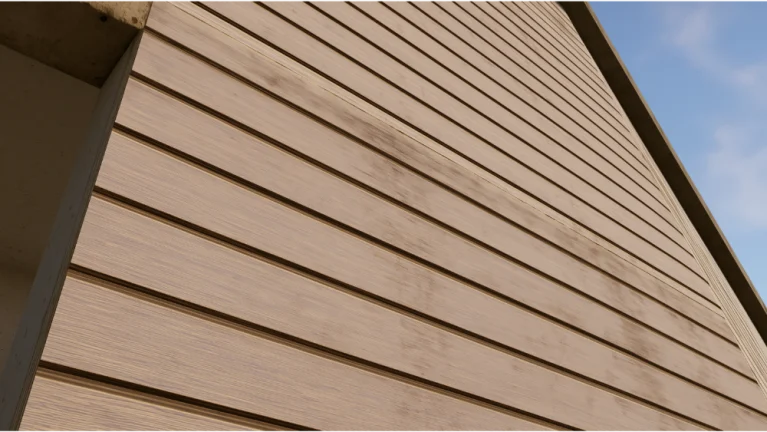
- Mildew, mold, and discoloration in shaded or damp areas
- Rot and water damage when moisture gets trapped behind the shingles
- Curling, splitting, and cupping, which pops nails and opens gaps
- Insect damage and woodpecker damage, including termites and carpenter ants that treat wood siding as a food source
- Fire vulnerability, since cedar is combustible
That last point deserves attention. Real wood siding can allow fire to spread quickly, and combustible siding with gaps, holes, or rot becomes an easy target for embers. In fire-prone regions, that changes the whole conversation about what your home’s exterior is made of.
Why This Material Choice Matters More in Northern California
Northern California puts two opposing stresses on any wood exterior. Sacramento summers are hot, dry, and nearly cloudless. NOAA’s 1991 to 2020 normals show a July average high of 92.6°F and an annual average of 75.7 days at or above 90°F. That relentless sun accelerates finish wear, so cedar’s refinishing clock runs faster here than in milder climates. Then the season flips. Winter rain concentrates roughly from November through February, driving moisture into any siding that isn’t sealed and detailed correctly, and nearby foothill and mountain communities add snow exposure on top of that. A proper rain screen behind the boards helps water drain and dry, protecting the wall assembly.
Fire is the bigger factor. CAL FIRE flags combustible siding with gaps, holes, or rot as vulnerable in wildfire conditions, and identifies penetrations larger than 1/8 inch as a weak point. Where full replacement isn’t possible, CAL FIRE suggests considering noncombustible siding for at least the bottom 2 feet from the ground. UC ANR explains that California’s Chapter 7A requires exterior walls to be noncombustible or ignition-resistant, or an assembly able to resist a 10-minute flame exposure under SFM Standard 12-7A-1, and notes that homes within 30 feet of neighbors should use noncombustible or ignition-resistant siding. Fiber cement is among the materials that can comply, and so are masonry alternatives like brick.
The 2025 California Building Standards Code takes effect January 1, 2026, so confirm what applies to your project with your local building department. In WUI areas, siding material stops being purely cosmetic.
The Fiber Cement Alternative: James Hardie HardieShingle Cement Board Siding
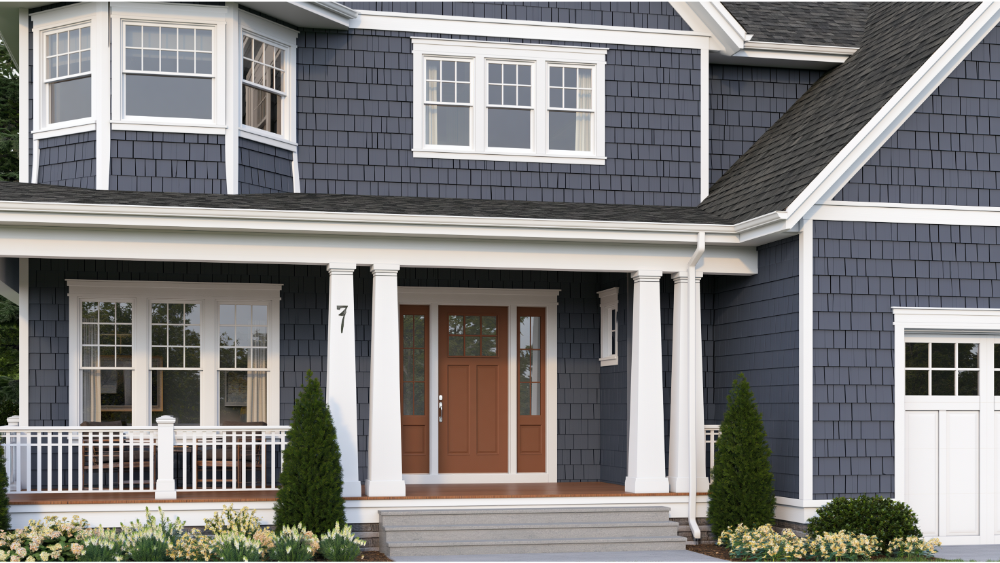
HardieShingle fiber cement shake siding is designed to give you the cedar shake look without the wood-related upkeep. It’s a cement board product made of fiber cement: sand, water, cellulose fibers, Portland cement, and proprietary additives. That concrete-based makeup is part of why it behaves so differently from wood. James Hardie offers it in straight-edge and staggered-edge profiles that mimic the distinct look of classic cedar shake shingles. Unlike faux cedar siding options such as vinyl shakes or engineered wood products like LP SmartSide, fiber cement holds its shape and finish in harsh sun.
The performance difference is where fiber cement earns its place. James Hardie states that its fiber cement products are noncombustible and carry a Class A fire rating when tested to ASTM E84. That’s meaningful in WUI zones, though one caveat matters: fire resistance does not extend to applied paints or coatings, which can char, and no siding makes a home fireproof. HardieShingle is a durable board that is moisture resistant and water resistant, so it resists mold, water damage, and insects like termites, and it holds no appeal for woodpeckers. Instead of a refinishing cycle, it typically needs only an occasional rinse. That’s a genuinely low maintenance material, though it’s honest to say it isn’t fully maintenance free.
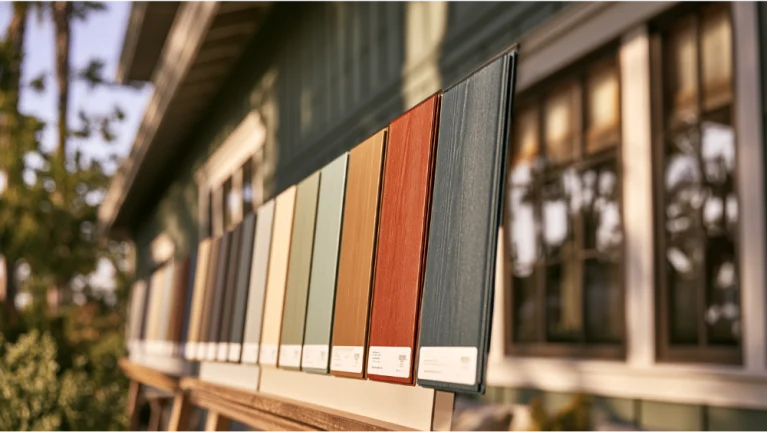
ColorPlus Technology is a factory-applied finish cured onto the boards for color consistency and UV resistance, available in a broad range of styles and colors, which spares you the ongoing painting a wood exterior demands. James Hardie backs the fiber cement with a 30-year non-prorated material warranty, and ColorPlus finishes carry a 15-year limited warranty against peeling, cracking, and chipping. For homeowners who want the cedar profile in a cost effective long-term package, it’s the gold standard for durability, beauty, and fire resistance.
Cedar Shake vs. Fiber Cement Shake Siding: Side-by-Side
| Factor | Real Cedar Shake | James Hardie HardieShingle |
|---|---|---|
| Look and texture | Natural wood grain, weathers to gray | Cedar shake profile, consistent finish |
| Routine maintenance | Clean 1-2x/year, refinish every 3-6 years | Occasional rinsing, low maintenance |
| Fire performance | Combustible | Noncombustible, Class A rated (ASTM E84) |
| Moisture resistance | Prone to rot if trapped | Resists moisture damage |
| Pest resistance | Attracts termites and other insects, woodpeckers | No appeal to pests |
| Finish and color | Stain or paint, reapplied over time | ColorPlus factory finish, UV-resistant |
| Warranty | Varies | 30-year material, 15-year ColorPlus finish |
| Northern California fit | High upkeep, fire concern | Strong fit for heat and WUI areas |
Cedar asks more of you every year, and the staining, the sealing, and all the work of upkeep add real cost over the life of the siding. Fiber cement shake siding trades some natural variation for durability and a much lighter maintenance load. Compared with vinyl siding, which can warp and fade and offers no fire benefit, and with brick, which changes the whole look and budget of a house, fiber cement stays closest to the cedar character homeowners are after. When you install new siding, you can also add insulation behind it, though that is an extra cost worth discussing during planning.
Which Is Right for Your Home? When Cedar Makes Sense vs. Fiber Cement
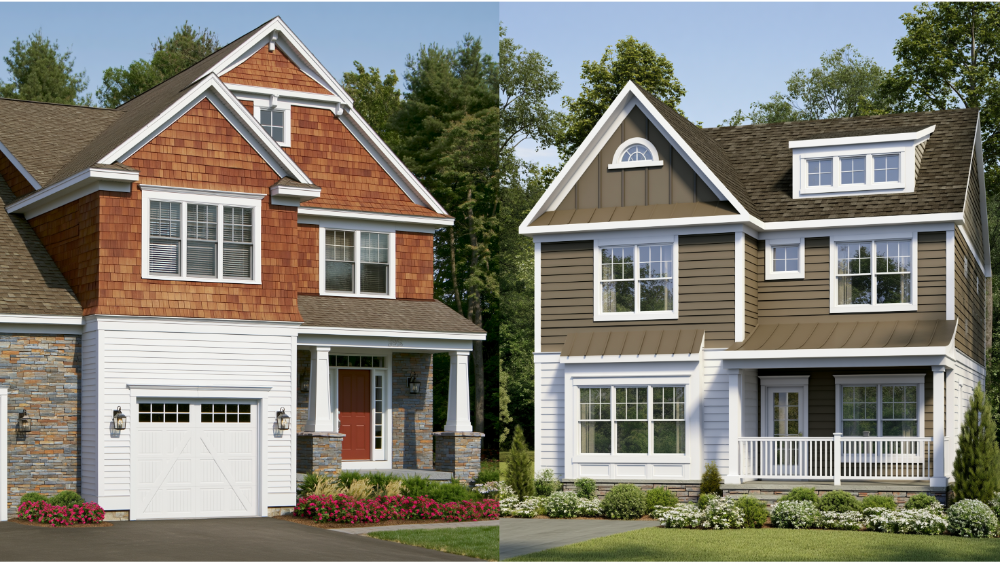
Real cedar still makes sense for historic restorations where authenticity matters, and for homeowners who specifically want natural wood, accept its variation, and are ready to keep up the finish and the painting. Properly maintained, cedar can last 20 to 40 years or more.
Fiber cement is the stronger long-term choice if you prioritize durability, live in a WUI or fire-conscious area, want the cedar look with less wood-related upkeep, or are making a 10 to 30 year exterior decision you don’t want to redo. And if you love a specific cedar accent, you can replace just those shake accents with HardieShingle and keep the character while gaining the performance. Among the shake siding alternatives on the market, it’s the one many homeowners prefer because it holds the look and drops the maintenance.
Why Certified Installation Protects Your Investment
The material is only half the equation. Proper flashing, fastening, spacing, and moisture protection determine how siding actually performs once it’s installed, and correct installation is what keeps your warranty coverage intact. This matters around windows and rooflines especially, where cut corners let water in and even the best board underperforms.
That’s why the installer matters. Modern Construction Group is a family-owned company and one of the select few James Hardie Alliance Select Contractors in Northern California, along with being an Anlin Authorized Dealer. Our certified installers bring over 25 years of experience, and we’re licensed, bonded, and insured under #1092104, with work backed by a 15-year workmanship warranty. We’ve deliberately chosen quality over quantity, mastering fiber cement siding instead of spreading thin across dozens of services. Owner Gary Chernyetsky stays hands-on so someone with a personal stake is accountable for the details.
What is the best substitute for cedar shake siding?
Fiber cement shake siding is the leading substitute. James Hardie HardieShingle mimics classic cedar shake in straight-edge and staggered-edge profiles while adding fire resistance, moisture resistance, and far less maintenance than wood, vinyl, or other alternatives.
Does fiber cement siding really look like cedar shake?
Yes. HardieShingle is designed to capture the distinct texture of classic cedar shake shingles, with ColorPlus Technology finishes in a wide range of colors, so you keep the shake profile without the wood-related maintenance and painting.
Is fiber cement siding fire resistant?
James Hardie fiber cement products are noncombustible and carry a Class A fire rating tested to ASTM E84. That resistance doesn’t extend to applied paints or coatings, and no siding makes a home fireproof.
How often does cedar shake siding need to be refinished?
Semi-transparent oil-based stains on cedar typically last 3 to 6 years before reapplication, per Real Cedar. Across climates, real wood siding generally needs refinishing or repainting every 3 to 7 years, sooner in high-sun or wet exposure.
Get the Cedar Look Built to Last
If you want the character of cedar shake with the durability and fire resistance Northern California homes need, we can help you get there. Get Your Free Estimate Today by calling (916) 699-7070. Financing is available, and we’re glad to walk you through the siding options for your home.