Key Takeaway
Yes, you can paint vinyl siding as long as panels are structurally sound, surfaces are clean and dry, and you use a 100% exterior acrylic vinyl-safe paint in a color no darker than the original shade. Dark colors absorb heat and can warp vinyl, especially in Sacramento Valley summers where July highs average 93.8°F. Paint refreshes curb appeal for 5 to 10 years but does not improve structural performance or fire resistance.
Can You Paint Vinyl Siding? The Short Answer
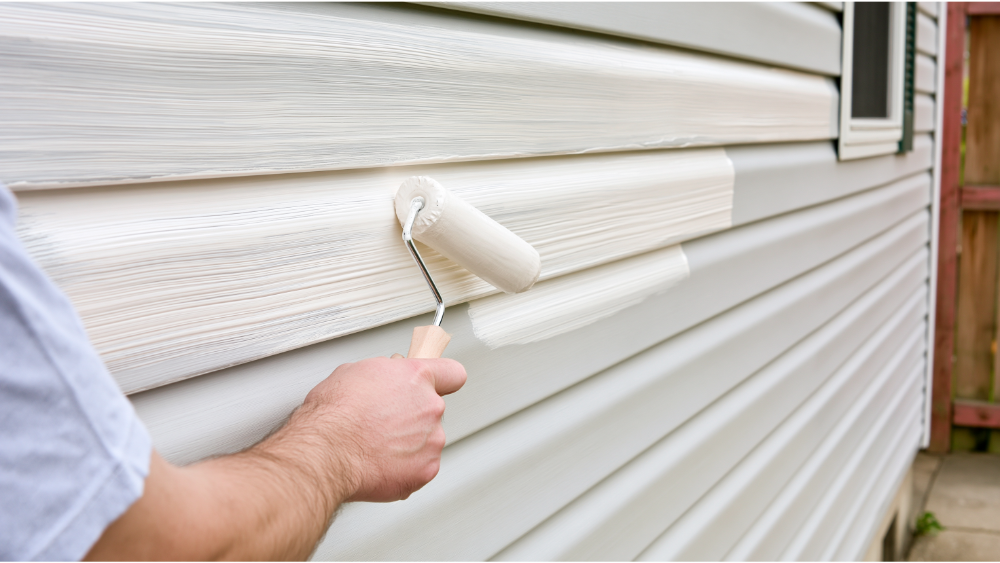
Yes, you can paint vinyl siding, as long as the siding is clean, dry, and structurally sound, and you use a vinyl-safe exterior acrylic coating. Three conditions have to be met: the panels must be in good shape, the paint must be 100% acrylic made to flex with vinyl, and the color should be no darker than the original shade unless the manufacturer approves a vinyl-safe alternative. Darker colors absorb more heat, and that heat can warp the vinyl underneath. If you’re a Northern California homeowner weighing a quick refresh against a bigger siding decision, keep this in mind: paint is a cosmetic update, not a performance upgrade. A coat of paint changes how a house looks, not how well the exterior protects it.
When Painting Vinyl Siding Actually Makes Sense
Painting can be a sensible refresh when the structure is sound and you only want to change the look. A good candidate to paint vinyl siding has:
- Faded or outdated color, but panels that are still solid
- No cracking, buckling, brittleness, or loose sections
- No moisture damage or warping behind the surface
- A conservative color change (staying at or lighter than the original)
- A warranty that has already expired, or a manufacturer that permits painting
The whole decision rests on that word: sound. If the vinyl siding is doing its job and just looks tired, a fresh coat can buy you time and modestly boost curb appeal. For many homeowners, that breathing room is enough to plan a larger siding project on their own schedule rather than under pressure.
What Kind of Paint Works on Vinyl Siding? The Right Paint Matters
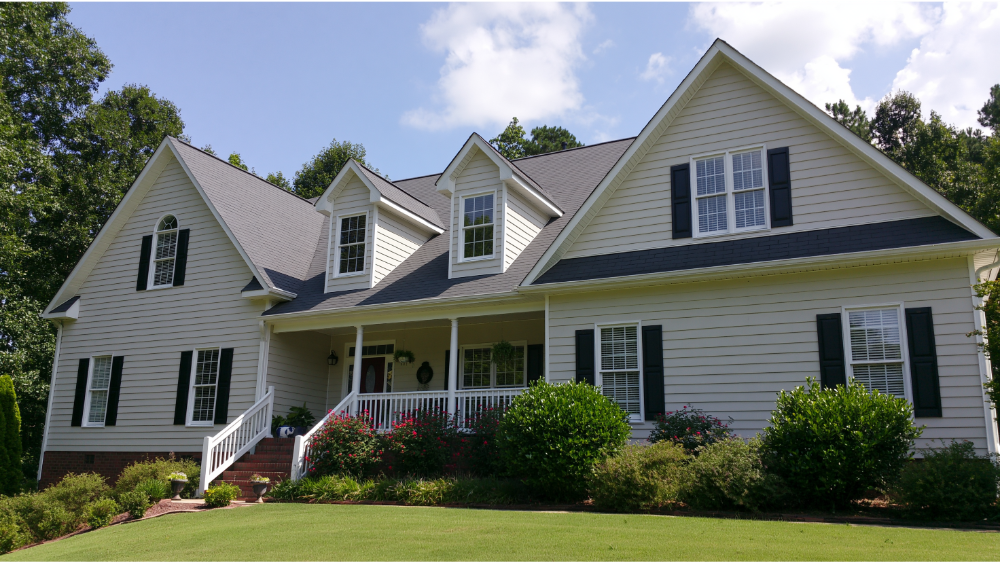
The right paint for vinyl is a 100% exterior acrylic (acrylic latex). Vinyl expands and contracts with temperature changes, and quality paint that is acrylic flexes along with it, which is why it adheres and holds up over time. Oil-based coatings are too rigid and aren’t recommended on vinyl unless a specific manufacturer system calls for them. If you want a slightly deeper shade, some paint lines offer vinyl safe paint formulated to reflect heat rather than trap it. Sherwin Williams, for example, publishes vinyl-safe color collections engineered to stay within safe heat limits, and paint manufacturers like Benjamin Moore offer similar technical guides that steer homeowners toward colors long lasting enough to hold up on vinyl. Whatever product you choose, read the manufacturer’s product data sheet and follow it exactly, since surface prep, primer needs, and application temperatures vary by system. Use the wrong paint and you’ll see peeling paint and warping within a season or two.
Not all vinyl siding responds to paint the same way either. Older or previously coated panels behave differently than newer materials, and even the texture of the surface can affect how well a coat lands, so condition matters as much as the product in the can.
The Dark Colors Rule: Why Darker Paint Warps Vinyl
Dark colors are the number one reason vinyl paint jobs fail. A darker surface absorbs more sunlight and converts it to heat, and that heat transfers into the vinyl substrate. When vinyl gets hot enough it expands, and badly warped or buckled panels often don’t return to their original shape. At that point, replacement is the only fix, and the cost of redoing the work erases any savings from the paint job.
This is where Light Reflectance Value (LRV) comes in. LRV measures how much light a color reflects, from 0 (black) to 100 (white). Lighter tones stay cooler, which is why they are the smarter pick on vinyl. Some paint technical data sheets, including those from Sherwin Williams, warn against painting vinyl below an LRV of 55 or 56 unless you’re using an approved vinyl-safe color. Treat those numbers as manufacturer-specific guidance, not a universal law. In the Sacramento Valley, where July normal highs sit around 93.8°F, conservative color choices matter even more, especially on south- and west-facing walls that bake all afternoon.
Prep Work That Makes or Breaks the Paint Job
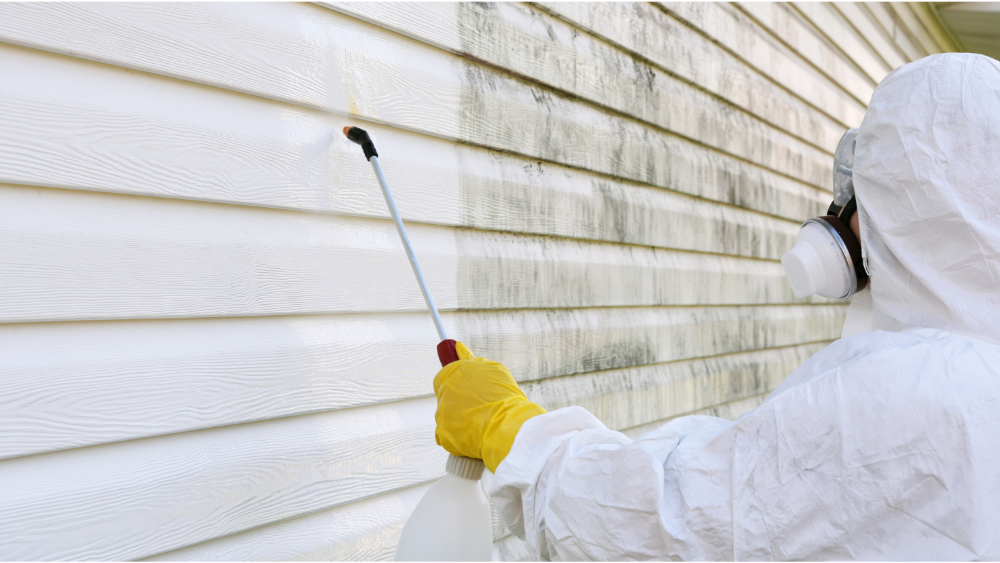
Paint only sticks to a clean, dry surface, and vinyl chalks over time. That powdery residue and dust have to come off, or the new coat won’t bond. Wash away dirt, mildew, mold, and chalk with a mild cleaning solution and a soft brush. Skip a heavy pressure washer setting, which can force water behind panels and damage the structure. Repair or replace any damaged panels before you paint, and let everything dry completely.
Primer isn’t always required. A quality self-priming acrylic on clean, sound vinyl often doesn’t need one, but you’ll want primer if the siding is chalky, stained, or previously painted, or if the product system calls for it. If you spray rather than brush or roll, keep passes even and control overspray so the coat lands consistently. Before you start painting, mask windows and trim, and cover landscaping. Loose shutters can come off entirely for a cleaner finish.
What Doesn’t Work When You Paint Vinyl Siding
Some jobs are set up to fail. Avoid these:
- Painting cracked, brittle, warped, or poorly installed siding
- Coating over heavy chalk without cleaning it off first, which causes peeling
- Going darker than the original on light vinyl without vinyl safe paint guidance
- Ignoring your siding warranty terms
- Painting in direct sun, high humidity, or damp conditions
Weather matters. Aim for a mild window between 60°F and 85°F with low humidity. Over 100°F, paint dries before it can properly adhere. Plan on two coats: apply a smooth first coat, let it cure fully, then follow with a second coat, and never rush the final coat before the surface below is dry. Trying to cover with one coat usually leaves a thin, uneven result. Wait at least a full day after heavy rain and confirm the surface is dry. Brick and other masonry follow different rules entirely, so advice written for one material rarely transfers cleanly to vinyl.
Will Painting Vinyl Siding Void the Warranty?
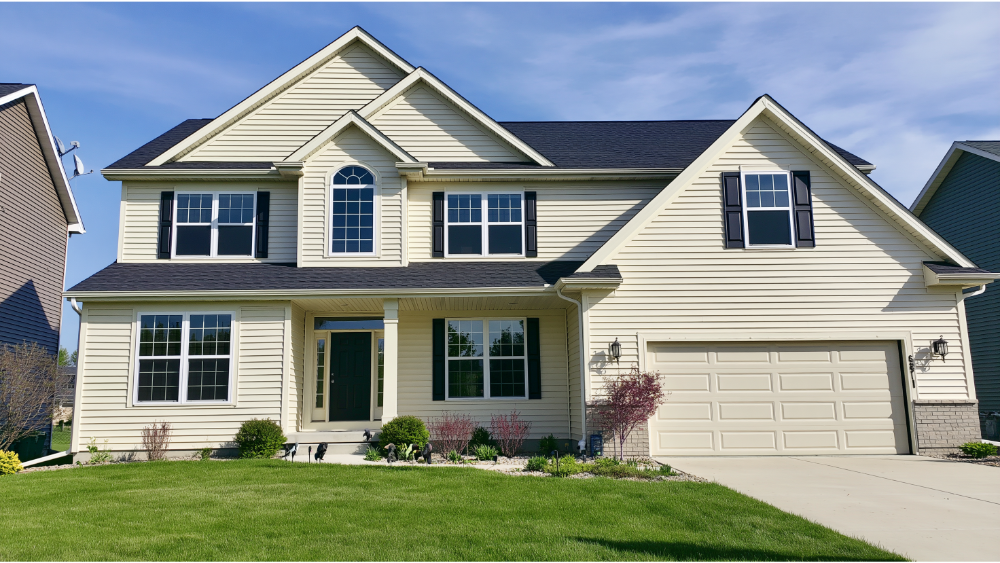
It can, so check your specific siding manufacturer’s warranty before you pick up a brush. Some vinyl warranties simply don’t apply to siding that has been painted or coated over the original finish unless the work is authorized under that warranty. Deviating from a manufacturer’s painting guidelines can void coverage entirely. Certain warranties also exclude heat-related distortion, such as damage from excessive heat buildup. That’s an example of how exclusions can be written, not a universal rule, but it’s exactly why the dark-color question isn’t just cosmetic.
How Long Does Painted Vinyl Siding Last?
Plan on repainting every 5 to 10 years. A well-prepped, well-applied job with the right paint may hold up closer to 10 to 15 years, but the real number depends on prep quality, paint grade, color choice, sun exposure, and climate. Maintenance stretches that timeline: wash the surface annually with mild soap and inspect for damage at least twice a year. A fresh coat is a temporary refresh, not a permanent solution, and each repaint adds to the long-term cost of keeping vinyl looking presentable.
Paint vs. Replacing Vinyl Siding: The Honest Decision
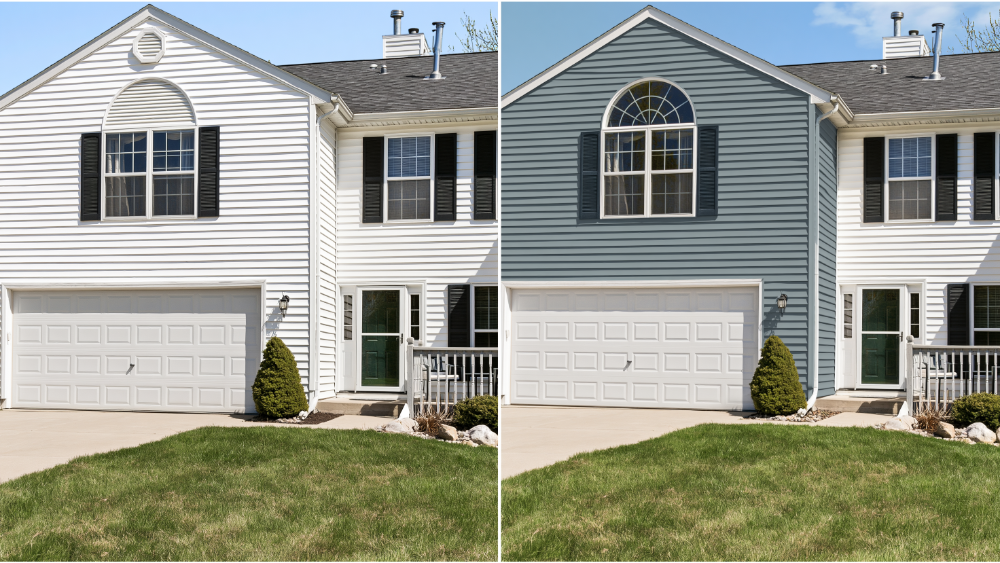
Painting makes sense when the vinyl is sound and you want a conservative color change. It’s a cosmetic move that refreshes curb appeal without touching what’s underneath. Replacing your exterior siding is the smarter next step when panels are warped, brittle, cracked, moisture-damaged, or poorly installed, when you want a much darker or dramatically different look, or when you want your home genuinely protected for the long term. Paint hides age. It doesn’t fix a failing home’s exterior. If you’re wondering whether to repaint again or move on to new siding, and you’d rather do it right once, replacement deserves a serious look, and over the life of the house it often proves the sounder investment.
What’s Next: Exterior Siding in Fiber Cement When Paint Isn’t Enough
When paint would only delay a bigger decision, James Hardie fiber cement siding is the gold standard for durability, beauty, and fire resistance, and it remains a popular choice for owners done chasing repaints. Unlike field-painting old vinyl, ColorPlus® Technology finishes are factory-applied and baked on in a controlled environment, so the color is fade-resistant from day one, which does far more for your home’s curb appeal than any brushed-on coat. Hardie® products come with a 30-year non-prorated material warranty available, and ColorPlus® finishes carry a 15-year limited warranty covering paint and labor against peeling, cracking, and chipping. Modern Construction Group is a family-owned specialist, not a painting company, and every project is handled with expert installation by a James Hardie Alliance Select Contractor. We install premium exterior siding built for Northern California homes and the climate they face, giving your home lasting protection instead of a finish you’ll have to redo.
Northern California: How Heat and WUI Change the Decision
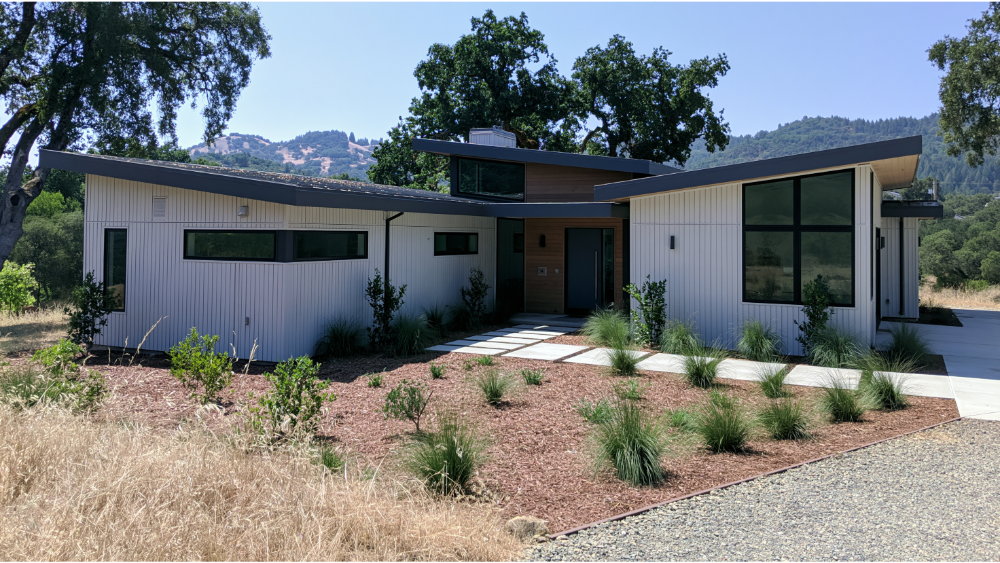
Sacramento Valley heat makes dark vinyl paint far less forgiving, which is why lighter colors are the safer call here. For homeowners in WUI (Wildland-Urban Interface) areas, the paint-versus-replace question goes well beyond looks. CAL FIRE recommends considering replacement of combustible siding with noncombustible or ignition-resistant material, and suggests replacing at least the bottom 2 feet if full replacement isn’t possible. UC ANR advises noncombustible or ignition-resistant siding when homes sit within 30 feet of neighbors. NIST testing also found that certain vinyl materials melted, flowed, and shrank during combustion, so vinyl isn’t a strong fire barrier and can lead to trouble in an ember event. Fiber cement is non-combustible and fire resistant, which makes it a better fit for fire-prone Northern California neighborhoods.
Talk to a Northern California Siding Specialist
If your vinyl siding is faded, warped, or no longer protecting your home the way it should, we can help you decide whether replacement makes sense for your situation. Get Your Free Estimate Today. Call (916) 699-7070. Financing is available, and we’re happy to walk you through the options. Modern Construction Group is licensed, bonded, and insured under California General Building License #1092104.
What is the downside of painting vinyl siding?
It’s a temporary refresh. You’ll likely repaint every 5 to 10 years, dark colors can warp the panels, painting may void your siding warranty, and none of it fixes structural problems underneath.
What paint will adhere to vinyl siding?
A 100% acrylic exterior paint (vinyl safe paint or acrylic latex) adheres best because it flexes as vinyl expands and contracts. Brands like Sherwin Williams publish vinyl-safe lines built for this. Clean off dirt and chalk first, or even the right paint won’t stick.
Can you paint vinyl siding and make it look good?
Yes, with proper prep, the right paint, a conservative color, and mild weather, the results can look sharp. The finish quality depends heavily on the condition of the siding you start with.
Can you paint 20 year old vinyl siding?
You can, as long as the panels are still sound and not brittle, cracked, or warped. Older vinyl that has gone brittle is usually a better candidate for replacement than paint.