Key Takeaway
Double-pane windows work by sealing two glass panes around an insulating gas-filled space, slowing heat transfer and reducing drafts. According to ENERGY STAR, replacing single-pane windows with certified double-pane windows cuts household energy bills by an average of up to 13% nationwide. Real performance depends on the full window system, including Low-E coatings, gas fill, frame quality, and proper installation.
Double pane windows seal two glass panes around an insulating air- or gas-filled space that slows heat transfer, reduces drafts, cuts exterior noise, and helps lower your energy costs. According to ENERGY STAR, replacing old single pane windows with certified new windows lowers household energy bills by an average of up to 13% nationwide. That said, two panes of glass alone are not the whole story. Real performance comes from the full window system, and understanding that difference is what protects your investment.
What Are Double Pane Windows: How They Work and What They Save
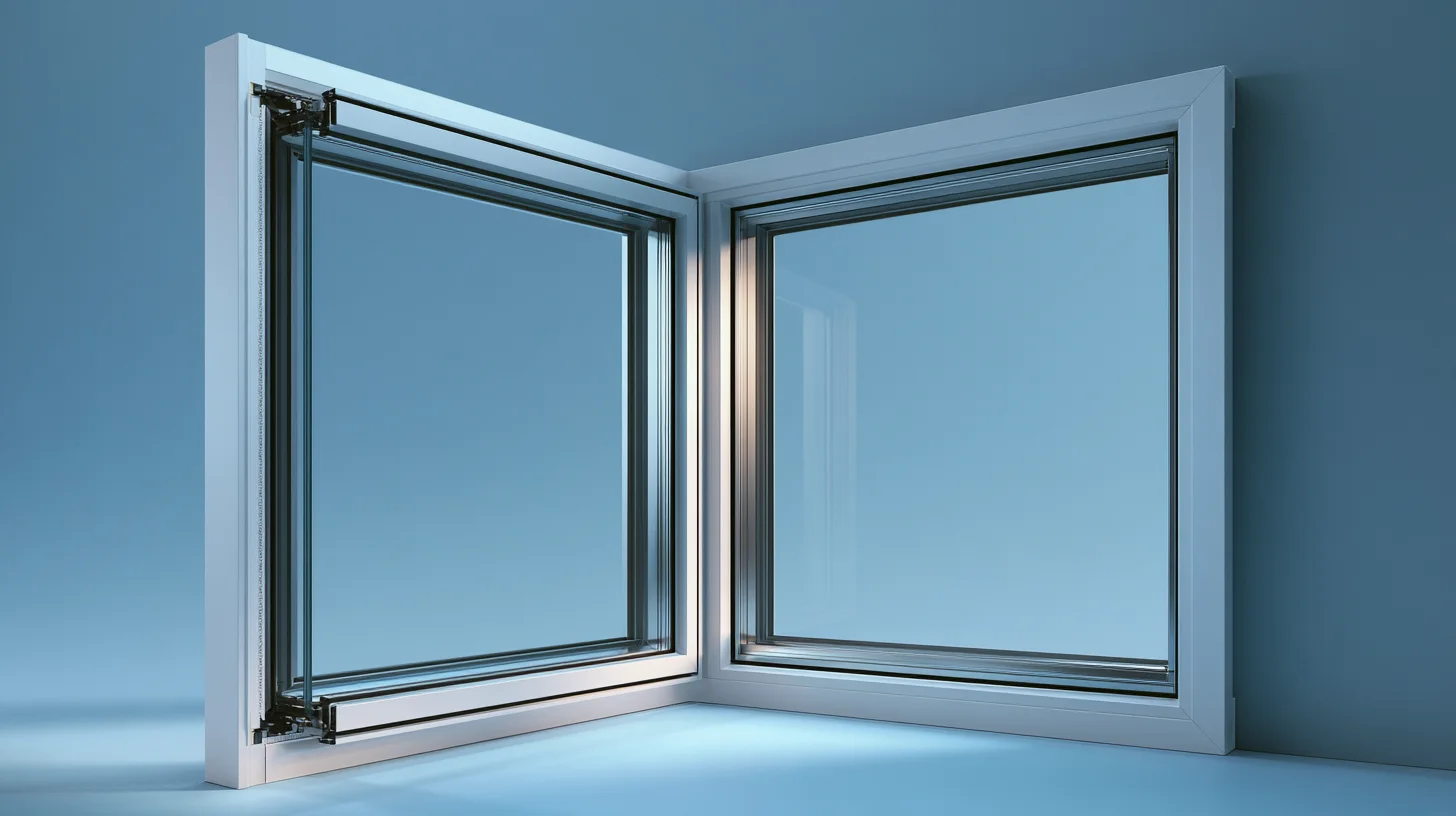
A double pane window, sometimes called a dual pane window or a double-glazed window, uses two sheets of glass sealed around a spacer with an air- or gas-filled space between them. That sealed assembly is called an insulated glass unit, or IGU. Compared with a single layer of glass, the trapped space gives the window much better insulation and a much lower U-factor, which means it holds temperature better and resists heat loss. But pane count is only the starting point. The glass package, the gas fill, the Low-E coating, the frame, and the quality of the installation all determine how well double pane windows actually perform in your home.
How Dual Pane Windows Work
The mechanism is simpler than it sounds, and each part does a job.
The insulating gas and space filled between panes
The sealed gap between the two layers of glass slows warm air from moving indoors and outdoors. This is what gives double pane windows their superior insulation over single pane windows. Manufacturers often fill that gap with argon, a nontoxic insulating gas that’s denser than air and insulates better. Krypton does the same in thinner units. The space filled with dense gas limits how much heat can transfer across the gap, so your heating and cooling system does not have to work as hard.
Low-E coatings and the extra layer of protection
A low-emissivity, or Low-E, coating reflects radiant infrared heat while letting visible light pass through. That keeps summer heat out and interior warmth in, and it helps protect curtains, furniture, and hardwood floors from fading. Combined with the sealed air space, this extra layer pushes the energy efficiency of the whole unit well beyond what a single sheet of pane glass can offer.
The frame, spacers, and seals matter too, since they control air leakage from other sources around the glass. Energy efficient windows commonly pair double glazing, an argon fill, and a Low-E coating to reach ENERGY STAR-level performance.
Energy Efficiency: What Double Pane Windows Can Save

It helps to separate energy savings from comfort savings. On the energy side, ENERGY STAR’s up to 13% nationwide figure reflects lower energy bills when single pane windows are replaced, because the HVAC system works less. The improved comfort side is just as real:
- Steadier indoor temperatures with fewer drafts and hot spots
- Reduced solar heat gain and lower cooling bills in summer
- Noticeable noise reduction from a second layer of glass
- Less UV fading on floors and furniture in your living space
- Better insulation and condensation resistance than single pane glass
- Added security and resale appeal
One caution: a standard double pane window still lets roughly 75% of the sun’s heat inside without the right coating. That’s why the ratings matter, and why the insulating properties of the glass package deserve a close look among all its advantages.
The Ratings That Matter: U-Factor, SHGC, VT, and Air Leakage
The NFRC label tells the real story of a window’s performance. NFRC is the independent body that certifies ENERGY STAR windows. Here’s what to read:
- U-factor (range 0.20 to 1.20): how well the window insulates. Lower is better.
- SHGC (range 0 to 1): how much solar heat gets in. Lower resists heat.
- Visible Transmittance (range 0 to 1): how much daylight passes through. Higher means more light.
- Air Leakage (ENERGY STAR criterion ≤ 0.3 cfm/ft²): how much air sneaks through. Lower means fewer drafts.
Two panes don’t guarantee good numbers. The label does.
What Double Pane Windows Should Do for Sacramento and Northern California Homes
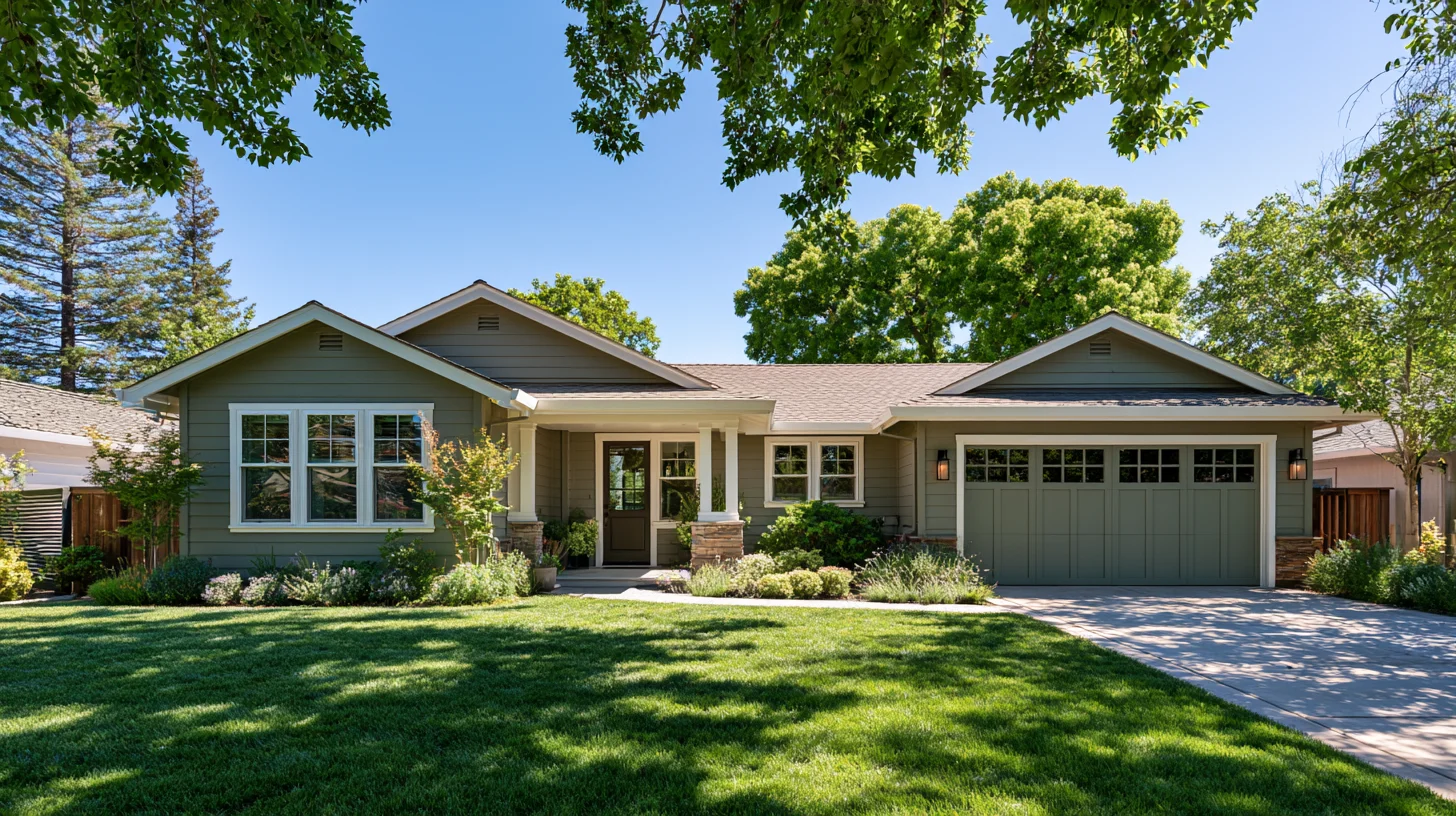
Sacramento sits in California Energy Code Climate Zone 12, where valley heat and long summer afternoons make solar heat gain a genuine comfort and cooling-cost issue. West-facing glass takes the worst of it. That’s why a low SHGC matters so much here, and the Department of Energy recommends low SHGC in warm, cooling-dominated climates rather than cold climates. The 2025 California Energy Code took effect January 1, 2026 for new permits, and Climate Zone 12 carries its own fenestration limits. Because permit paths and exceptions vary, verify current code with your local building department rather than assuming. Choosing the right glass for this climate is where climate-specific knowledge earns its keep.
Dual Pane vs. Single Pane vs. Triple Pane: New Windows Compared
Single pane windows are the biggest upgrade opportunity: a single layer of glass, weak insulation, drafts, and frequent condensation. Some homeowners try to patch this with storm windows added over the original single pane, but storm windows cannot match a sealed, gas-filled unit. Double pane windows, built with Low-E and an argon fill, hit the right balance for most windows in Northern California homes. Triple pane can add insulation, but it usually makes more sense in colder, heating-dominated climates and deserves its own comparison. If you’re weighing that choice, our guide on double pane vs. triple pane windows for Northern California walks through it.
Why Installing Double Pane Windows Well Matters as Much as the Windows
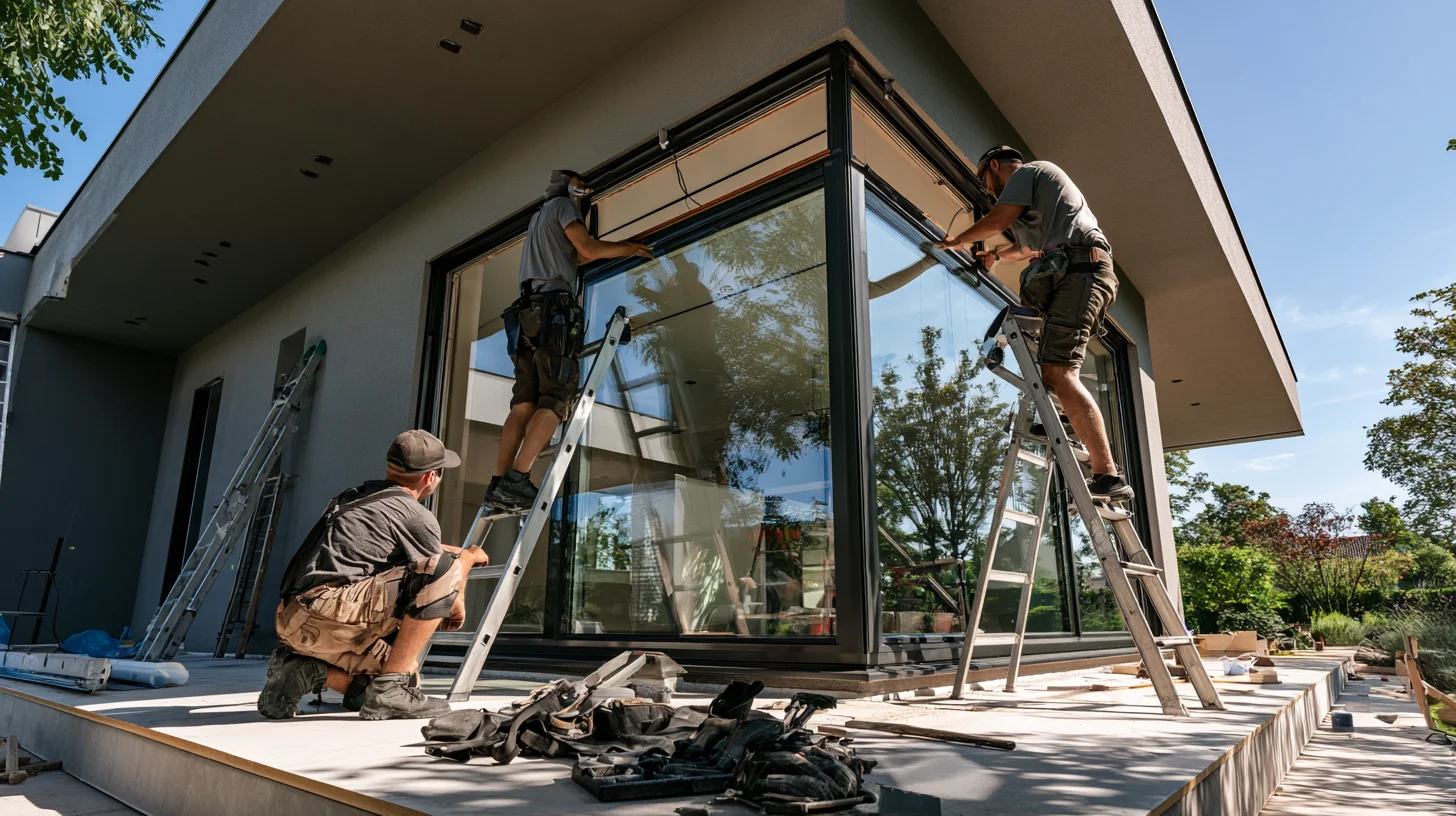
ENERGY STAR is direct about this: even energy efficient windows can be drafty and underperform if installed poorly. Proper air sealing, following the manufacturer’s instructions, and trained installers decide whether you actually get the comfort and savings you paid for. As a family-owned company and an Anlin Authorized Dealer, we install with certified crews and back the work with a 15-year workmanship warranty. Owner Gary Chernyetsky stays hands-on with projects, and that oversight is why installation details get done right the first time.
Choosing Anlin Vinyl Dual Pane Windows With Modern Construction Group
As an Anlin Authorized Dealer, we install California-engineered Anlin vinyl dual pane windows and patio doors built for Northern California performance. Anlin’s Low-E3 glass supports energy savings, noise reduction, and steadier comfort, and its ability to insulate is backed by a lifetime warranty with accidental breakage coverage. We handle window replacement, sliding glass door and patio door installation, and window-to-door conversions, protecting against exterior noise from busy roads along the way. This is premium, long-term protection for your most important investment.
Ready to see what the right windows can do for your home? Get Your Free Estimate Today. Call (916) 699-7070. Financing is available, and we’re glad to walk you through the options.
Frequently Asked Questions
How much will double pane windows save me?
ENERGY STAR reports an average of up to 13% on household energy bills when single pane windows are replaced. Your actual savings depend on climate, home design, window orientation, and installation quality.
How many years do double pane windows last?
With proper maintenance, roughly 15 to 25 years. Product quality and installation strongly affect how long the seal and its insulating properties hold up.
What causes fog between the panes?
Fogging or condensation between the two glass panes means the IGU seal has failed and the insulating gas has escaped. At that point the separated panes need replacement, not cleaning.
Do double pane windows still qualify for federal tax credits in 2026?
The federal 25C credit ended for property placed in service after December 31, 2025, so don’t assume a new install qualifies. Incentives change often, so check current ENERGY STAR, IRS, CEC, and SMUD resources.