Key Takeaway
Replacing windows typically costs between $300 and $1,200 per window installed, but the average cost to replace windows varies significantly based on frame material, window style, installation method, and local labor rates. A retrofit into an existing frame costs less than a full-frame replacement, which involves rebuilding trim, flashing, and surrounding finishes. The only number that matters for your home is a written, project-specific estimate with every cost item spelled out.
There is no single national average price that holds true for your home. Published averages rest on different assumptions: some report costs per window, some report whole-project totals, some include installation and some only the unit itself, and almost none say whether the work is a retrofit or a full-frame replacement. Local labor shifts the number again. The only pricing that means anything for your house is a written, project-specific estimate with the scope spelled out.
Here is what actually moves the cost of window replacement, and how to read a proposal so you can tell a complete one from an incomplete one.
Why Is There No Single Average Window Replacement Cost?
No federal or state agency publishes an official consumer average. The figures online come from homeowner surveys, marketplace project records, contractor cost databases, or national numbers adjusted by regional cost-of-living indexes. Different methods produce different pricing.
Before any published average price means anything, you need its assumptions: the data year, whether the figure is per window or per project, what it includes, the window type and window frame material behind it, the installation method, and the region. Two homes on the same street can land far apart depending on how many windows are involved, the size of the openings, the home layout, and what the crew finds behind the trim.
What’s Included in an “Installed” Window Replacement Cost?
Installed cost means the documented scope of work, not the price of the window. A real installed figure accounts for:
- The window units with the specified glass package
- Removal of the existing windows and disposal
- Opening preparation, flashing, insulation, and air sealing
- Interior and exterior finish work (trim, stucco, siding patching)
- Permits, inspection costs, and site cleanup
- Structural repair if water damage is uncovered at tear-out
Labor typically accounts for a modest share of the total cost, commonly cited at roughly 10 to 20 percent, with materials carrying the rest. A proposal missing any item above is not lower-priced. It is less complete, and the costs that surprise homeowners are usually the ones a thin proposal left out.
Retrofit vs. Full-Frame: The Method That Changes Everything
A retrofit installation sets the new window inside the existing frames. Full-frame removes the old window down to the rough opening and rebuilds trim, flashing, and adjacent siding or stucco. Full-frame takes more labor and more materials, so it costs more.
Two proposals using different installation methods are not comparable, no matter which total is lower. Full-frame is the right call when there is rot, when frames have racked or no longer seal, when water has been getting into the opening, or when you are changing the opening size. Concealed damage often is not visible until the old window comes out, which is why full-frame scope varies more.
What Factors Affect the Average Cost to Replace Windows?
The cost of window replacement depends on a handful of factors you can see on the proposal, and what it takes to replace windows in one home rarely matches the next.
Frame Material and Window Style
Replacement windows come in a few frame materials, and that choice sets the floor for your materials costs. Vinyl is the most common. Fiberglass frames hold up under temperature extremes. Wood windows insulate well and read as premium, though they carry more maintenance. Aluminum windows are strong and light but poor insulators on their own.
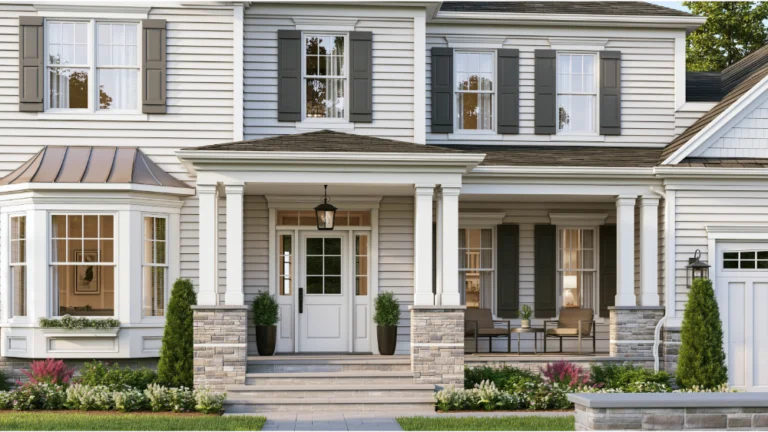
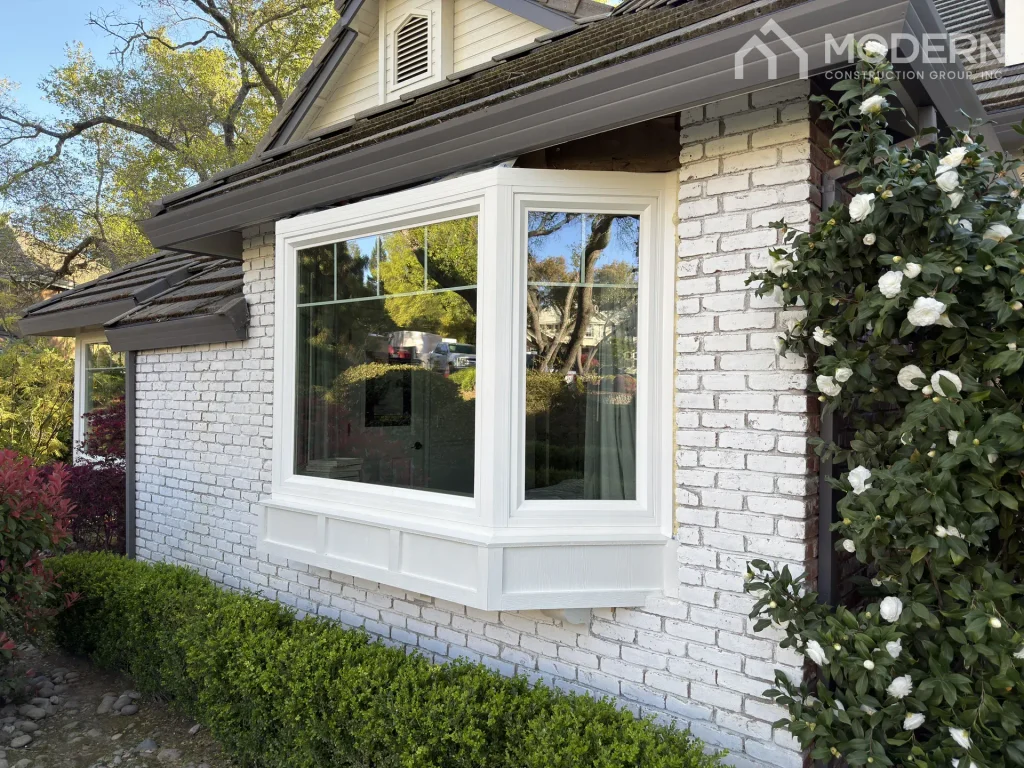
Style matters just as much. Double hung windows are the most common residential choice, and a double hung unit in a sound opening is among the simpler installs. Sliders suit wide openings and casements seal tightly. Bay windows and custom shapes need structural support, larger glass, and extra fabrication, and standard sizes are always less work than custom ones. A bay window also pulls in exterior finish work that a flat opening does not.
Number of Windows, Size, Access, and Condition
- How many windows and how large. Count and opening size significantly impact the total more than any other single factor.
- Access. Second-story and hard-to-reach windows may require scaffolding or fall protection.
- Existing condition. Deteriorated trim, cracked stucco, or damaged siding expands the scope and brings higher costs.
- Concealed damage. Rot or water intrusion found at tear-out requires repair first.
- Permits, inspections, disposal, and cleanup. Legitimate costs on any honest proposal.
Labor: How Much Goes to Installation?
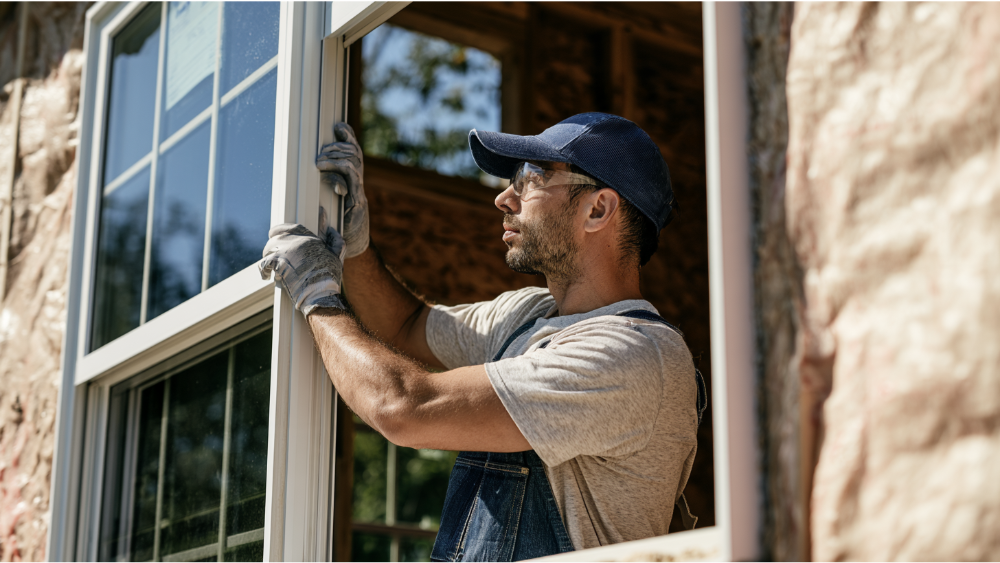
Labor is usually a smaller share than homeowners expect, often that 10 to 20 percent, and it varies with local rates, access, and complexity. It is also the line item with the most influence on whether you are happy with your windows in ten years.
Flashing, insulation, air sealing, and water management decide whether a window performs the way its ratings say. ENERGY STAR makes the point directly: a high quality window can still be drafty if it is installed poorly. Installation that ignores manufacturer instructions can also jeopardize the product warranty. Many contractors treat those details as optional. They are not.
Energy Efficient Windows: Does Better Glass Cost More?
Energy efficient windows cost more upfront and lower the load the window passes into your home. Two ratings tell you most of what you need: U-factor measures how well the whole unit resists heat transfer (lower is better), and SHGC measures how much solar heat comes through.
NFRC labels let you compare those ratings product to product. ENERGY STAR’s residential specification, Version 7.0, took effect October 23, 2023 and sets requirements by climate zone. ENERGY STAR reports that replacing single-pane windows with certified windows reduces household energy costs by an average of up to 13 percent nationally, which shows up on utility bills over time. That is an average under specific conditions, not a prediction for your house.
Insulated systems with two or three window panes improve insulation, and triple pane glass performs best in temperature extremes. Argon and krypton gas fills further reduce heat transfer between panes. For Northern California valley heat, Low-E3 glass and argon-filled units do the most work, and that upgrade matters most on west-facing openings taking afternoon sun.
How to Save Money Without Cutting Corners
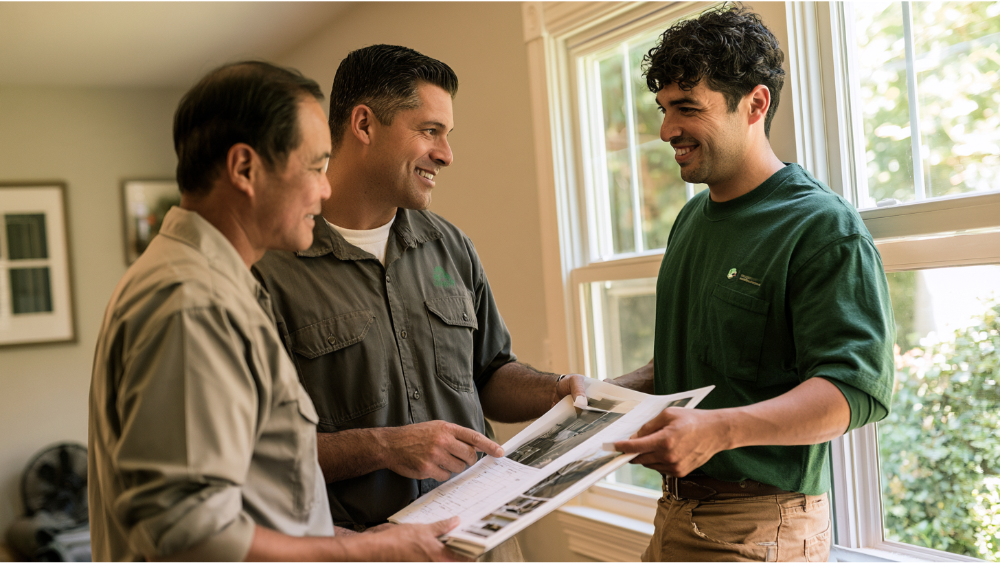
- Replacing multiple windows in one mobilization. Volume pricing is often available on whole-home projects, and labor per window drops when the crew sets up once.
- Phase intelligently if you must. Start with failed, drafty, or damaged windows and the high-solar-gain west and south elevations.
- Be careful with self-sourcing. Buying windows yourself and hiring an installer separately splits accountability. If something fails, you stand between two parties.
- Work with a licensed local specialist. Someone who installs the product line regularly knows its flashing details and warranty requirements.
Should You Repair, Replace the Glass, or Replace the Window?
- Hardware or weatherstripping failing in a sound window: repair restores functionality for far less than replacement.
- Failed insulated glass seal (fogging) in a solid frame: glass or sash replacement may be enough.
- Rot, racking, water intrusion, or frames that no longer seal: full replacement.
- Problems across multiple openings: whole-home window upgrades deliver better performance and a consistent look, which adds value when you sell.
California Rules That Can Change Your Scope
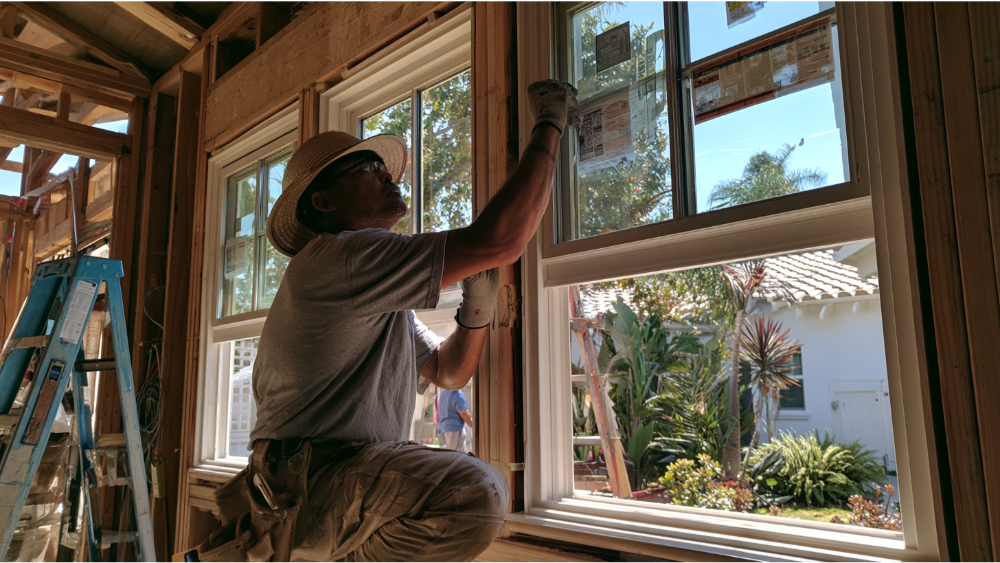
California’s 2025 Building Energy Efficiency Standards apply to permit applications submitted on or after January 1, 2026. Prescriptive U-factor and SHGC limits vary by CEC climate zone, so no single number applies statewide, and a limited alteration exception covers up to 75 square feet of replacement fenestration at relaxed values. The California Energy Commission requires replacement windows sold in the state to carry NFRC certification.
Permit costs vary by jurisdiction. Sacramento County requires a permit for retrofit and cut-in replacements, while the City of Sacramento treats residential changeouts as a minor permit. Verify with the jurisdiction governing your address. Preservation-district properties may require a documented condition report on each existing window.
For homes built before 1978, EPA’s Renovation, Repair and Painting Rule covers paid work that disturbs painted surfaces, and lead-safe containment is a legitimate cost. One timing note: the federal Section 25C credit does not apply to property placed in service after December 31, 2025.
How to Compare Estimates Apples-to-Apples
Every written estimate should name all of the following:
- Manufacturer and product line
- Count, style (double hung, sliding, casement, bay), dimensions, color, and glass package
- NFRC U-factor and SHGC for the specified units
- Retrofit or full-frame installation
- Opening preparation, flashing, and air sealing
- Interior and exterior finish work
- Who pulls the permit
- Lead-safe procedures if the home predates 1978
- Removal, disposal, and cleanup
- Manufacturer warranty and workmanship warranty, separately stated
- A written change-order process
CSLB sets useful guardrails. A written home-improvement contract is required over $500. A down payment cannot exceed $1,000 or 10 percent of the contract price, whichever is less. A license is required when work reaches $1,000 in combined labor and materials, when a permit is needed, or when workers are used. CSLB recommends at least three written bids on identical scope and cautions against automatically accepting substantially lower bids. Verify any license through CSLB before you sign.
Why the Warranty Is Part of the Real Cost
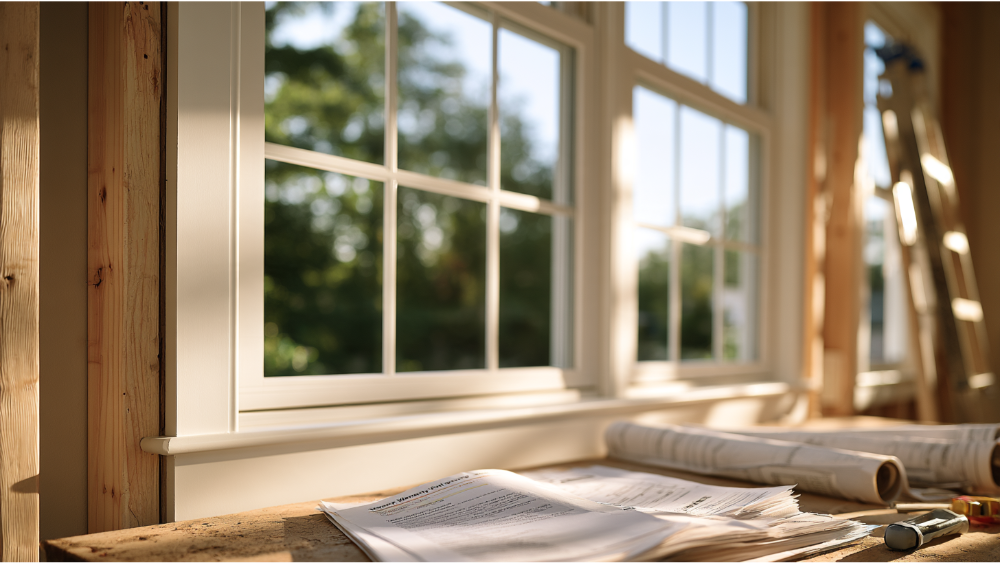
Keep the two coverages separate when you compare. Anlin’s residential coverage is a limited double lifetime warranty that, subject to the full warranty’s terms and restrictions, includes parts, labor, shipping, and accidental glass breakage, and transfers to the next subsequent homeowner. Our installation is backed separately by a 15-year workmanship warranty. The final cost that matters is what it takes to do the job once, correctly.
Are windows with grids more expensive?
Generally yes. Grids add fabrication steps and materials, though the difference per window is usually modest relative to the full project.
Is it worth it to replace windows?
If yours are single-pane, drafty, or no longer sealing, replacement improves comfort and energy efficiency and will enhance curb appeal. ENERGY STAR reports up to a 13 percent average national energy bill reduction when certified windows replace single-pane.
Does the per window cost drop when several are done at once?
Usually. One mobilization spreads setup, access equipment, and cleanup across every opening, so you save on labor.
Do you need a permit to replace windows in the Sacramento area?
Sacramento County requires permits for retrofit and cut-in replacements. The City of Sacramento handles residential changeouts as a minor permit. Confirm with your jurisdiction.
Are replacement windows eligible for a federal tax credit in 2026?
No. The Section 25C credit does not apply to property placed in service after December 31, 2025. Check current manufacturer or utility offers separately.
Get a Project-Specific Estimate for Your Home
Rather than offering dozens of services, we have chosen to master premium Anlin window and door replacement and James Hardie fiber cement siding installation for Northern California homes. As a family-owned Anlin Authorized Dealer, we assess every opening, recommend climate-specific glass for valley heat, and document scope and costs in writing. Licensed, bonded, and insured under California General Building License #1092104, with a 15-year workmanship warranty. Financing is available.
Get Your Free Estimate Today. Call (916) 699-7070.