Key Takeaway
Vinyl replacement windows are custom-sized PVC units that, when matched to your climate zone’s ENERGY STAR ratings and installed correctly, can cut heating and cooling bills by up to 13%. Performance comes from the complete glass-and-frame system, not the frame material alone. Key specs to compare are U-factor, SHGC, and air leakage on the NFRC label.
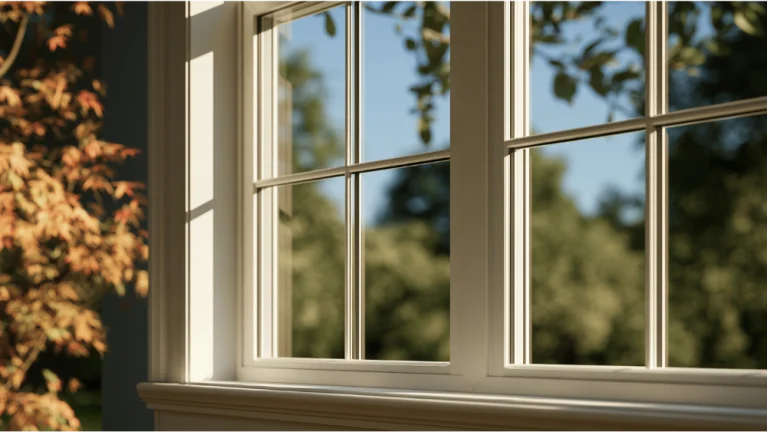
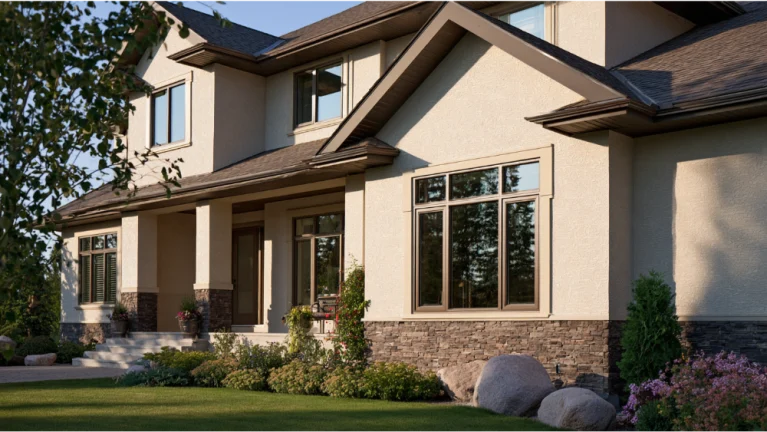
Vinyl replacement windows are custom-sized units with frames and sashes made from polyviny+l chloride (PVC), installed as an insert into your existing frame or as a full replacement. The good ones deliver real energy efficiency, low maintenance, and lasting beauty. That performance comes from the complete glass-and-frame system, climate-appropriate ratings, and expert installation, not from the word vinyl on a brochure or a display at a home improvement store. Vinyl windows are the largest segment of the replacement window market, and quality varies enormously across it.
What Are Vinyl Replacement Windows?

Vinyl is the frame and sash material: PVC with UV stabilizers that resist the effects of sunlight. It does not rot, warp, or need painting, which is the durability case for vinyl over wood.
Replacement windows are custom-built to your existing openings. New construction windows carry nailing fins and suit open walls. Neither type is a store-shelf product.
Frame material is essentially a starting point, not a performance rating. Glazing, coatings, spacers, frame chambers, and installation decide what your windows do.
Are Vinyl Replacement Windows Worth It? Benefits Beyond Curb Appeal
You want a home that stays comfortable year-round, costs less to heat and cool, and looks better from the street. Premium vinyl windows do all three.
- Energy efficient performance. ENERGY STAR states certified windows can cut heating and cooling bills by an average of up to 13% nationwide against non-certified products.
- Comfort. A tight, well-sealed window removes the cold spots near old windows, and multi-pane glass cuts outside noise, creating quieter rooms.
- Durable by design. Vinyl does not rot, swell, or peel, and reinforced frames stand up to the elements and to seasonal expansion.
- Low maintenance. Nothing to paint or refinish, and soap and water maintain the finish with ease.
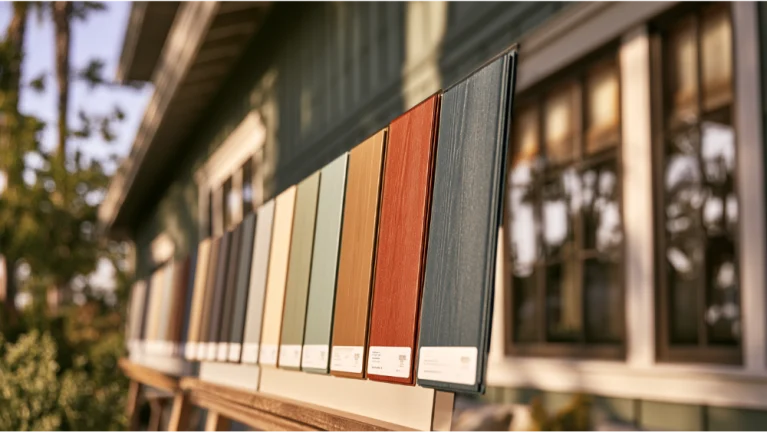
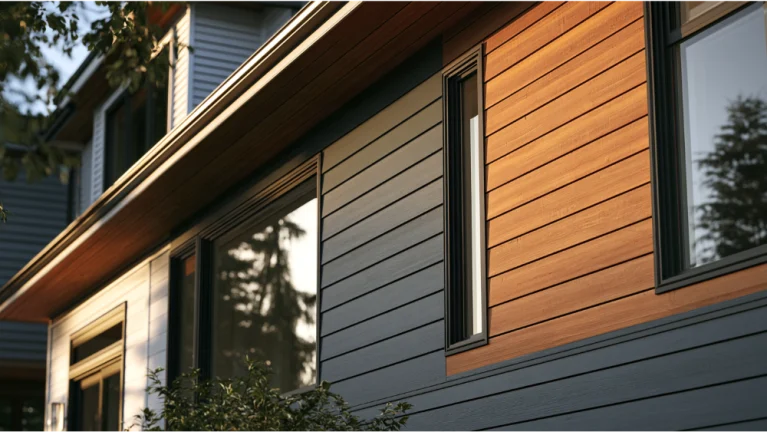
- Lasting beauty. Colors, finishes, and grid options elevate your home’s street presence.
What Are the Downsides of Vinyl Windows?

Quality varies widely between manufacturers and even between lines from one manufacturer, so two vinyl windows that look identical can perform very differently. Vinyl expands and contracts with heat, so frame engineering and reinforcement decide whether a large unit can withstand that movement. Sightlines can be a bit thicker than some alternatives, and colors are chosen up front. For how vinyl compares with fiberglass, aluminum, and wood, see our window frame materials comparison.
Insert vs. Full-Frame Vinyl Replacement: Which Do You Need?
| Insert (pocket) | Full-frame | |
|---|---|---|
| What is removed | Old sashes only | Window, frame, usually trim |
| Existing frame condition | Must be sound and square | Any condition |
| Air and water sealing | Good | Best, insulation and flashing replaced |
Insert units, also called retrofit windows, only work when the existing frame is in sound shape. Concealed rot is the most common reason full-frame becomes the right call, and your estimate should state which method is planned for your project. Homeowners replacing siding at the same time should sequence both jobs so the flashing details line up.
How Do You Find the Best Vinyl Replacement Windows for Your Climate Zone?

The NFRC label is your comparison tool, and it is easy to read once you know which numbers matter.
- U-factor: heat transfer through the whole window; lower insulates better.
- SHGC: solar heat admitted; lower blocks more.
- Air Leakage: 0.3 cfm/ft² is a common maximum.
ENERGY STAR Version 7.0, effective October 23, 2023, sets criteria by climate zone:
| Climate zone | Max U-factor | SHGC |
|---|---|---|
| Northern | 0.22 | ≥ 0.17 |
| North-Central | 0.25 | ≤ 0.40 |
| South-Central | 0.28 | ≤ 0.23 |
| Southern | 0.32 | ≤ 0.23 |
The best vinyl replacement windows are the ones whose certified ratings match your zone and your exposure. For instance, west-facing glass may call for a lower SHGC than a shaded north wall. Windows must meet those criteria as complete units, never by frame material. NFRC says it plainly: ratings evaluate the product, not the installation.
Glass Packages and Frame Construction: Where Energy Efficiency Is Built
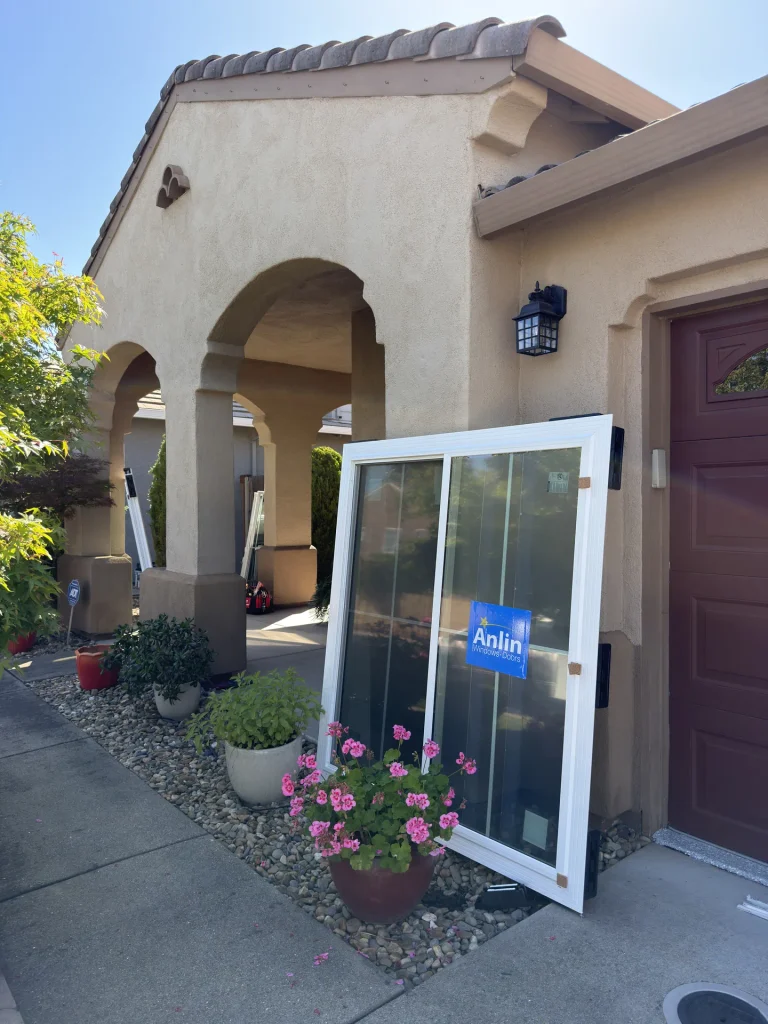
The features behind those numbers are specific: double or triple glazing, low-e coatings, argon fill, warm-edge spacers, and multi-chambered vinyl frames whose air pockets slow thermal transfer. All of them contribute to what the label says. We install Anlin, California-engineered with Low-E3 glass for energy savings and a variety of glass package options for different climate and solar control priorities. Explore the packages, then ask for the NFRC rating on your exact series, style, and size. That is the difference between a spec sheet and a promise.
Why Expert Installation Decides What You Actually Get

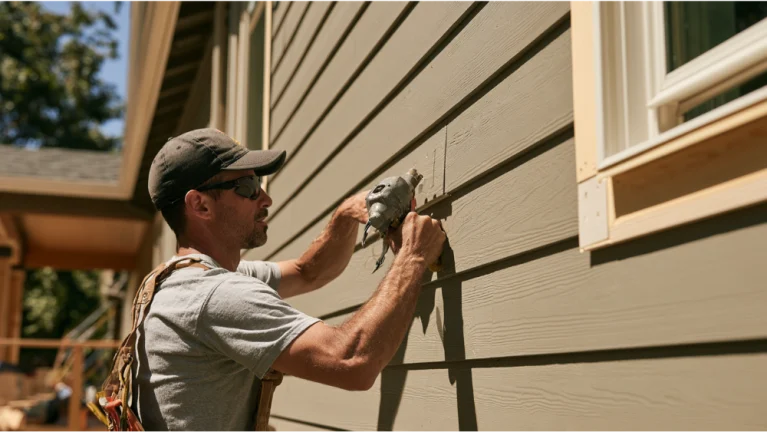
A certified installation means the unit set square, level, and plumb, shimmed and fastened correctly, insulated where the manufacturer allows, sealed inside and out, and flashed so water drains away from the opening. Improper installation can void product warranty coverage entirely, and it is the difference between two contractors quoting the same window. Our certified installers follow the manufacturer’s instructions, and being family-owned means someone with a personal stake checks the details before we call a job finished. Paid work disturbing painted surfaces in pre-1978 homes falls under the EPA’s lead-safe renovation requirements, and window replacement is covered with no square-footage exemption.
What to Ask Before You Approve an Estimate
- Is this insert or full-frame, and what happens if hidden deterioration appears?
- What are the exact NFRC U-factor and SHGC for these windows?
- Which glass features are standard, and which are an addition you pay for?
- What product, glass, labor, and workmanship warranties apply, and is breakage covered?
Two warranties matter, and they are separate. Anlin’s current Limited Double Lifetime Warranty covers parts, labor, and glass replacement for covered claims, includes accidental glass breakage, and transfers to one subsequent homeowner subject to full terms. The workmanship warranty covers installation, and we back ours for 15 years. Both in writing is what buys peace of mind. The federal Section 25C credit is not available for windows placed in service after December 31, 2025. Financing is available.
Frequently Asked Questions
What is the average cost of a vinyl replacement window?
Scope drives it: count and size, operating style, glass package, insert versus full-frame, and frame condition. A free estimate priced to your home is the only honest number.
Are vinyl replacement windows worth it?
Yes, when the glass-and-frame system suits your climate zone and the installation is expert. We are an Anlin Authorized Dealer and install Anlin vinyl windows and doors exclusively.
How long do vinyl replacement windows last?
No national standard covers every product, climate, and installation, so the lifespan ranges you find in a search are not reliable. Read the written warranty instead.
Get Your Free Estimate Today
The vinyl windows you select and the hands that install them are one decision. We are family-owned, an Anlin Authorized Dealer with certified installers, we back our work with a 15-year workmanship warranty, and we are licensed, bonded, and insured under California General Building License #1092104, with over 25 years of experience. Learn More About Windows, or call (916) 699-7070. Financing is available; contact us for details.