Key Takeaway
Fiber cement siding cost is driven by your home’s measured exterior wall area, number of stories, architectural complexity, siding profile, tear-off, and local labor rates – not interior floor area. Installed costs run higher than lighter materials like vinyl due to weight, handling, and detailing requirements. The 2025 Cost vs. Value report estimated 113.7% of cost recouped at resale nationally for a fiber cement siding replacement.
Fiber cement siding cost is determined by your home’s measured exterior wall area, the number of stories and how accessible the walls are, architectural complexity, the siding style and finish you select, whether existing siding comes off, what’s found behind it, trim and moisture-management details, local labor costs and disposal, and the expertise of the crew handling installation. National average figures and per square foot cost ranges help homeowners frame a budget. Only a measured, project-specific estimate gives you a real total cost for your house. This is a 10 to 30 year decision about your home’s exterior shell. Two ideas carry this whole article: installed cost is not material-only pricing, and exterior wall area is not interior floor area.
Why There’s No Single Price for Fiber Cement Siding
Published average fiber cement siding cost numbers disagree for four predictable reasons. Some quote material costs only, as if installation were free. Some reflect new construction on open framing rather than a full siding replacement on an occupied home. Some use interior floor area as a stand-in for siding area, which skews every per square foot figure. And many quietly include or exclude tear-off, trim, concealed repairs, and painting without saying which.
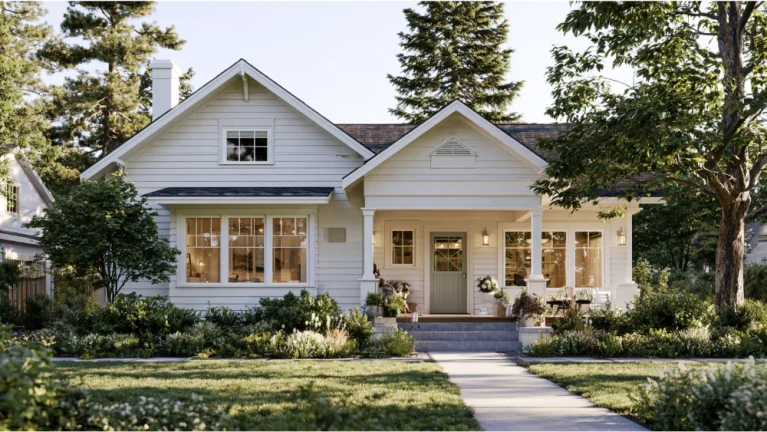
A 2,000-square-foot house does not have 2,000 square feet of siding. A contractor measures the actual exterior walls, accounts for stories, gables, and openings, and adds a waste allowance for cuts. That measurement is where a real fiber cement siding estimate starts, and it’s what turns an average cost per square foot installed into a total cost you can trust.
What a Fiber Cement Siding Estimate Actually Covers
Installed cost for fiber cement siding means the full scope of work it takes to put a finished, weather-tight exterior on your home:
- Fiber cement siding product, profile, and measured quantity
- Trim, corners, soffit, and transition details
- Weather-resistive barrier, flashing, and corrosion-resistant fasteners
- Any insulation or wall-assembly upgrades specified for the project
- Labor, crew, and staging equipment for installation
- Tear-off, hauling, and disposal of old siding and other materials
- Caulking, finishing, permits, and final cleanup
When two estimates land far apart, the usual explanation is that one covers more of this list than the other. That’s a scope difference, not a pricing problem.
What Factors Determine the Cost to Install Fiber Cement Siding?
Exterior Wall Area, Stories, and Site Access
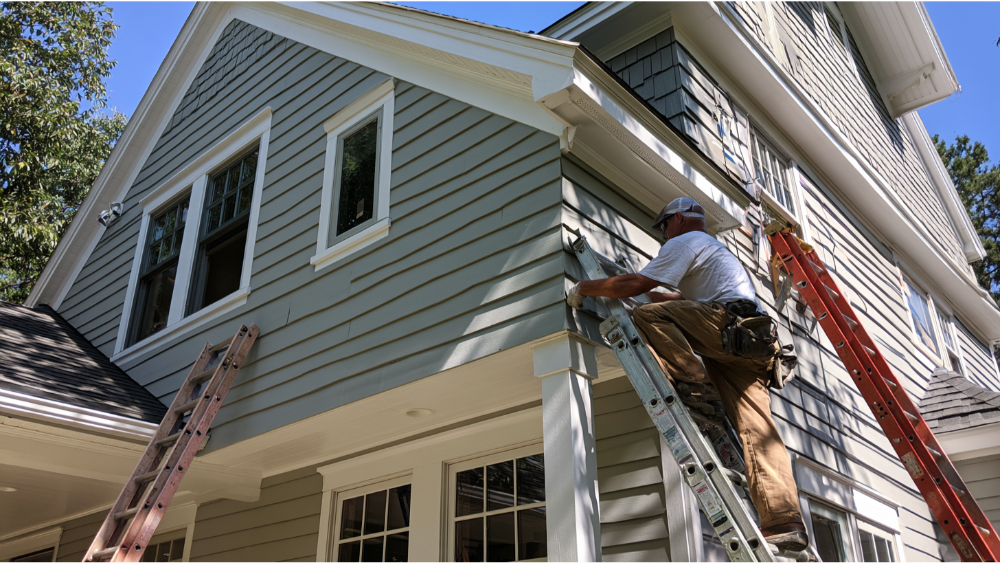
Measured wall area is the single biggest driver of fiber cement siding cost. Everything scales from it: materials, fasteners, installation hours, finishing. Second and third stories, steep grades, tight side yards, and anything requiring staging or lift equipment add to the labor needed, which raises the effective cost per square foot even when the siding itself doesn’t change.
Home Shape, Siding Style, and Architectural Detail
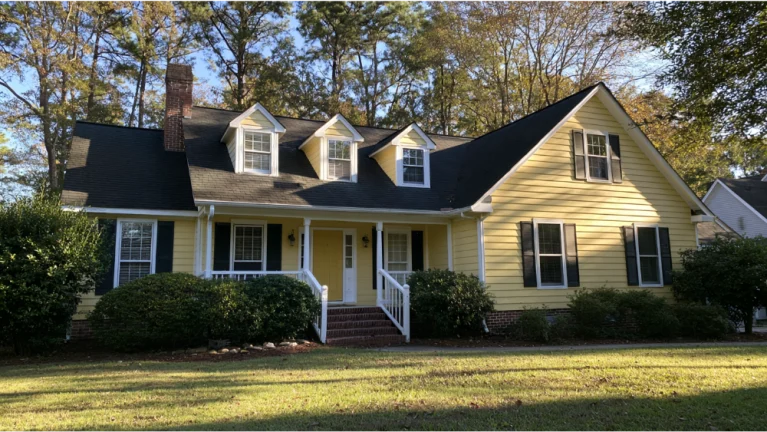
A simple rectangular elevation takes less time to install than one broken up by gables, dormers, and bump-outs. Windows, doors, and other openings each mean more cutting, fitting, trim, and sealed seams, plus more materials to wrap them correctly. Horizontal lap siding remains the most common configuration, and it’s the baseline most published per square foot numbers assume. Detail-heavy architecture adds installation time and is worth every bit of the craftsmanship it demands, but it belongs in the cost conversation from day one.
Tear-Off, What’s Behind the Wall, and Water Management
Removing old siding is its own cost line item: demolition, loading, hauling, disposal, and protecting your landscaping while it happens. Wood siding, stucco, and layered materials each come off differently, and that shows up in labor. Once the wall is open, the project can change. Damaged sheathing, past moisture intrusion, or failed flashing all have to be corrected before new fiber cement siding goes on. Ask any contractor how concealed conditions get documented, priced, and authorized in writing before work continues. A weather-resistive barrier and correct flashing at openings, penetrations, and rooflines are part of a complete fiber cement siding installation, not an upsell.
Fiber Cement Planks, Panels, and Shingles: How Profile Affects Cost
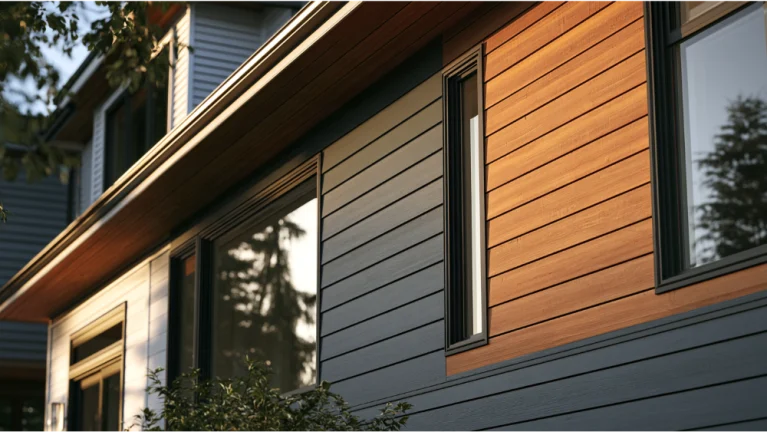
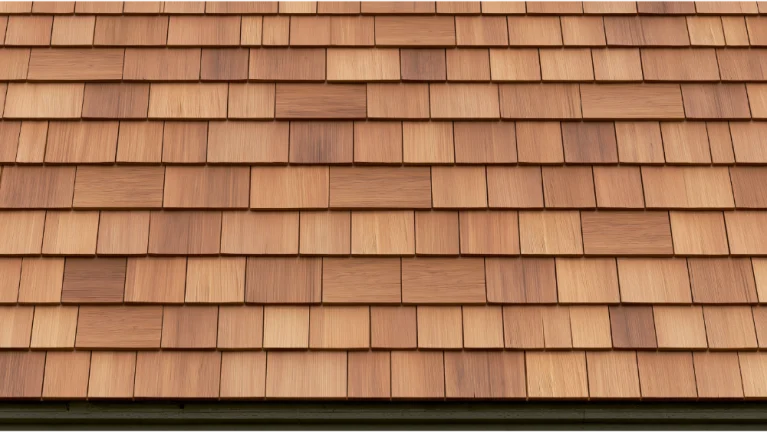
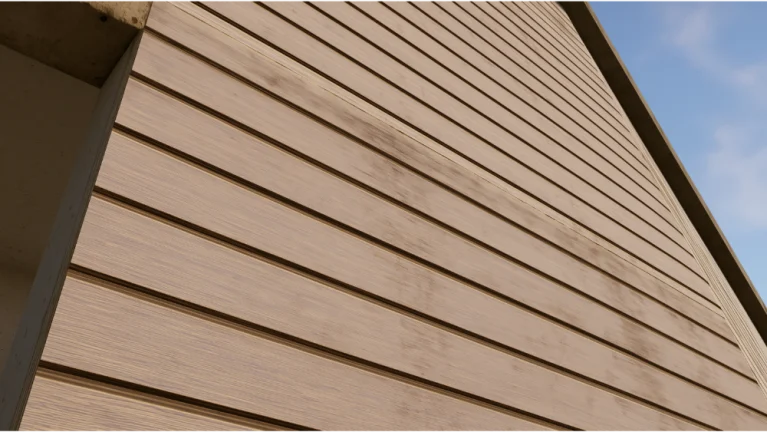
Fiber cement siding is made from cement, sand, and cellulose fibers, and it comes in several profiles. Horizontal lap fiber cement planks are the most familiar. Fiber cement panels used in vertical and board-and-batten layouts cover more wall per piece and call for different trim detailing. Fiber cement shingles and shake styles carry the highest cut count and the most individual placements, which shows up in installation hours and in your cost per square foot. The material is manufactured for both residential and commercial applications, though our work is residential exteriors across Northern California.
Style is an aesthetic choice with a real labor consequence, so decide early and make sure your fiber cement siding estimate reflects the home you actually want.
Factory-Finished vs. Field-Painted Fiber Cement Siding
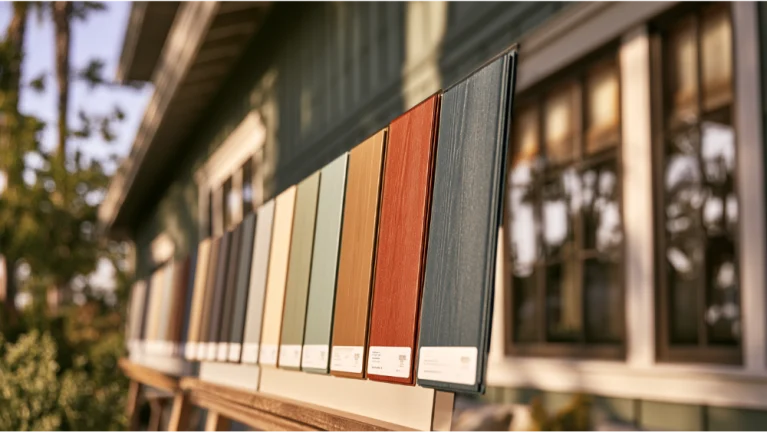
You have two finishing paths. Fiber cement siding can arrive primed and get painted on site after installation, which is a separate scope item with its own schedule and weather dependency. Or it can arrive pre-finished with ColorPlus® Technology, a factory-applied finish baked on in controlled conditions and engineered to resist fading under UV rays, peeling, chipping, and cracking. James Hardie backs that finish with a 15-year limited finish warranty.
Field-painted fiber cement siding is commonly cited as needing repainting on a recurring cycle, which means more frequent painting than a factory finish asks for. We won’t attach a savings figure to that, but it’s a legitimate maintenance cost. Confirm which path your estimate assumes.
The Fiber Cement Siding Installation Process: Why It Takes Specialized Labor
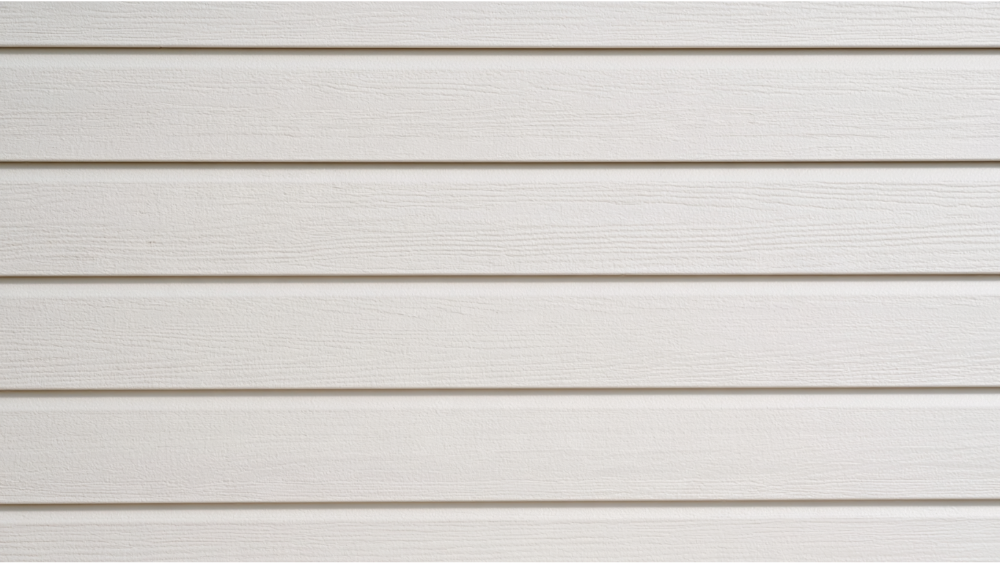
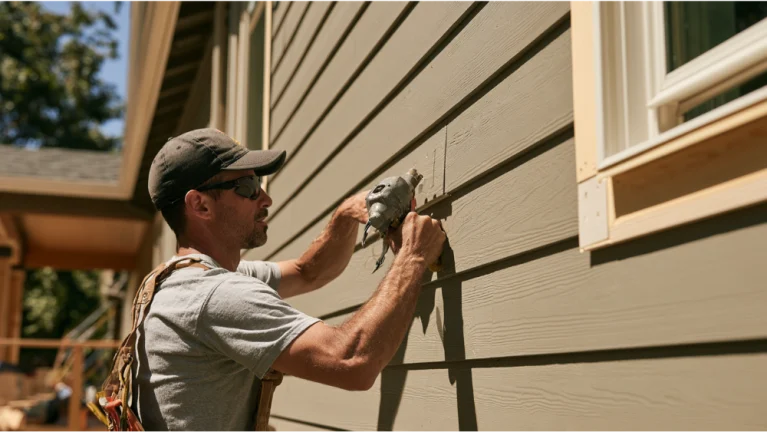
Fiber cement siding is heavy. Planks can weigh over 30 pounds, which affects crew size, handling, and how materials get staged around your home. Cutting fiber cement siding generates respirable crystalline silica, and OSHA’s construction silica standard (1926.1153) specifies controls for handheld power saws cutting fiber-cement board: for qualifying outdoor work with blades eight inches or smaller, the saw must use a dust-collection system with a filter rated at 99% efficiency or greater. NIOSH recommends dust-collecting saws paired with appropriate vacuums.
Then there’s the installation itself. Face-fastening, corrosion-resistant nails, correct clearances at grade and roofline, and adherence to manufacturer installation instructions all determine long term performance. Installing siding this dense is not casual weekend work. That expertise is part of the cost, and it’s why professional installation matters here and why most homeowners who set out to install fiber cement siding themselves rarely capture the savings it appears to promise.
Maintenance Costs, Durability, and Long-Term Value
Maintenance costs are modest but not zero. James Hardie recommends that homeowners clean fiber cement siding roughly every six to 12 months with low-pressure water and a soft, nonmetal brush, and advises against high-pressure washing. Caulked joints and seams should be monitored and repaired when they fail, so periodic inspections belong on the calendar. That adds up to a low maintenance exterior rather than a no-maintenance one. Durability is where fiber cement siding earns its place: it resists rot, pests, and decay, it holds up under heavy rain and sustained valley heat, and a service life of 30 to 50 years is commonly cited when the product is installed and maintained properly. As a dense mineral-based material, fiber cement absorbs more heat than wood or vinyl.
Is Fiber Cement Siding Worth It Compared to Other Materials?
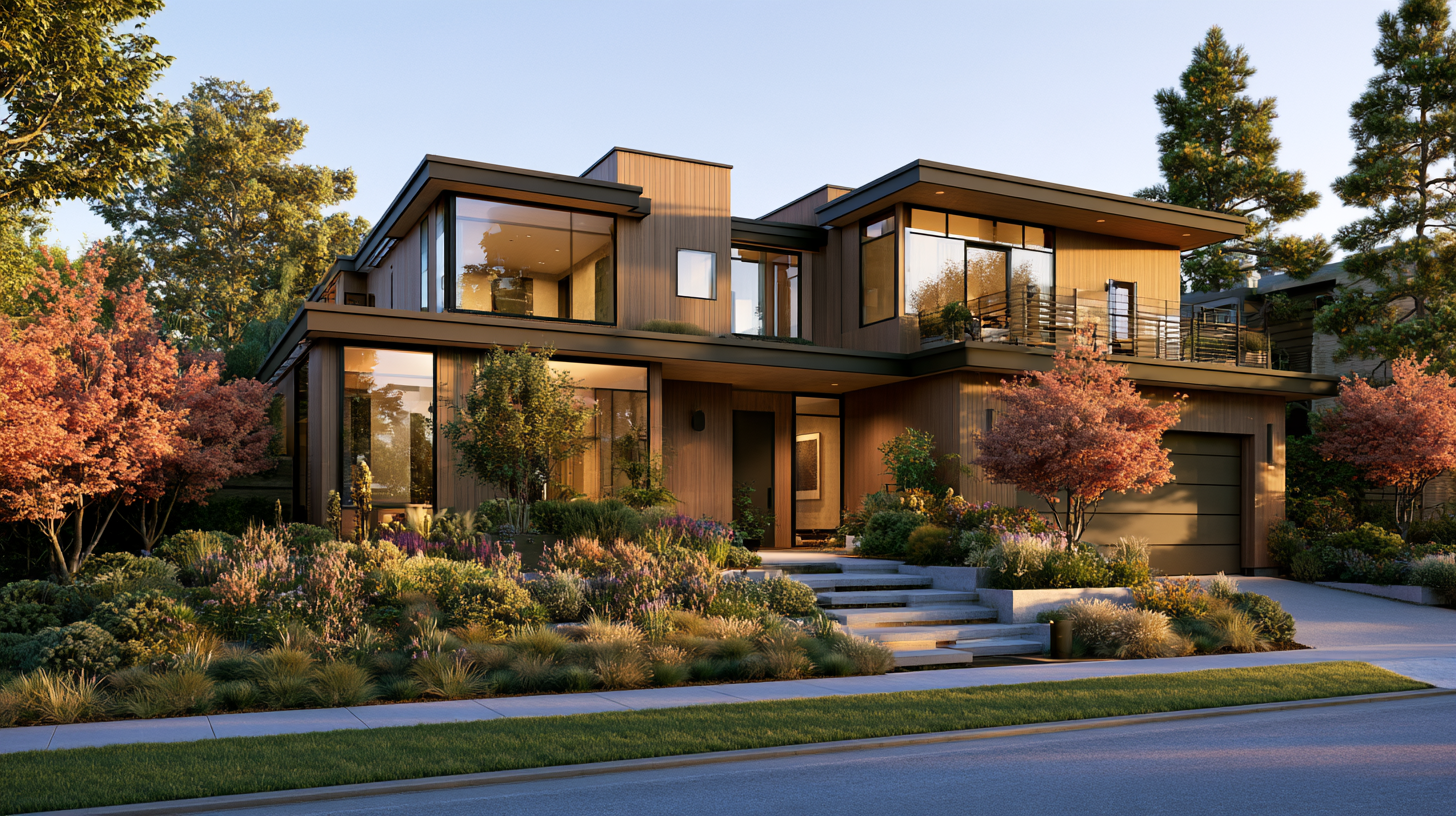
Compare materials on performance. Against wood siding, fiber cement siding doesn’t rot or feed insects, and it asks for minimal maintenance next to wood’s repainting and repair load. Homeowners cross-shopping fiber cement against vinyl siding, wood, or brick are really comparing durability profiles and long-term value. Hardie® fiber cement siding backs its durability with a 30-year non-prorated, transferable limited substrate warranty, and it complies with ASTM E136 as noncombustible cladding. That classification applies to the substrate, not to every paint or coating applied over it, and siding is one component of a building envelope. FEMA identifies fiber cement as an example of noncombustible or ignition-resistant exterior siding, which matters in WUI areas, though no siding makes a home fireproof.
The 2025 Zonda/Journal of Light Construction Cost vs. Value report modeled a standardized 1,250-square-foot fiber cement siding replacement and estimated 113.7% of cost recouped at resale nationally. That’s a model, not a guarantee for your house. The honest comparison is doing this once, correctly, versus paying the total cost twice.
How to Compare Fiber Cement Siding Estimates and Contractors
Putting every bid against the same checklist is the important step that gets skipped:
- Product line, profile, and finish named exactly
- Measured quantities and square foot takeoffs, not rounded guesses
- Trim, flashing, and weather-barrier installation scope spelled out
- Tear-off and disposal of old materials included or excluded, in writing
- A documented process for authorizing concealed repairs
- Permits, cleanup, payment schedule, and written exclusions
- Product warranty and a separate workmanship warranty
That last point gets missed constantly. James Hardie does not warrant a contractor’s installation, so the manufacturer warranty and the installer’s workmanship warranty are two different protections. ALLIANCE members complete required installation training, carry valid insurance credentials, participate in review monitoring, and submit annual invoices demonstrating qualifying product experience.
We’re a family-owned James Hardie Alliance Select Contractor, one of the select few contractors certified by James Hardie, and an Anlin Authorized Dealer. We’re licensed, bonded, and insured under California General Building License #1092104, we back every fiber cement siding installation with a 15-year workmanship warranty, and we bring over 25 years of experience to every exterior. Owner Gary Chernyetsky is on projects personally, which is how the details get caught before you ever have to point them out.
Frequently Asked Questions
How much does fiber cement siding cost for a 2,000 sq ft house?
Interior floor area doesn’t determine fiber cement siding cost. What matters is measured exterior wall area, stories, openings and architectural detail, and the full scope of installation work. A measured free estimate is the only way to get a real number.
What are the disadvantages of fiber cement siding?
It’s heavier than other siding materials, requires specialized cutting tools and dust controls, and needs periodic cleaning plus caulk maintenance. Correct installation matters more here than with lighter materials, so installer experience carries real weight for homeowners.
Is fiber cement siding expensive?
It’s a premium siding, and the cost per square foot to install fiber cement siding runs higher than lighter materials because of weight, handling, and detailing. It also carries a 30-year non-prorated limited substrate warranty, and the 2025 Cost vs. Value research above speaks to long-term value.
How does fiber cement siding compare to vinyl siding?
Fiber cement siding is noncombustible per ASTM E136 and resists rot and pests. Vinyl is lighter and simpler to install. Different materials, different durability profiles, different installation requirements.
Get Your Free Estimate Today
Let’s measure your home and give you a scope you can actually compare. You’ll get a project-specific estimate for premium James Hardie fiber cement siding installed by certified installers. Financing is available. Get Your Free Estimate Today or call (916) 699-7070.