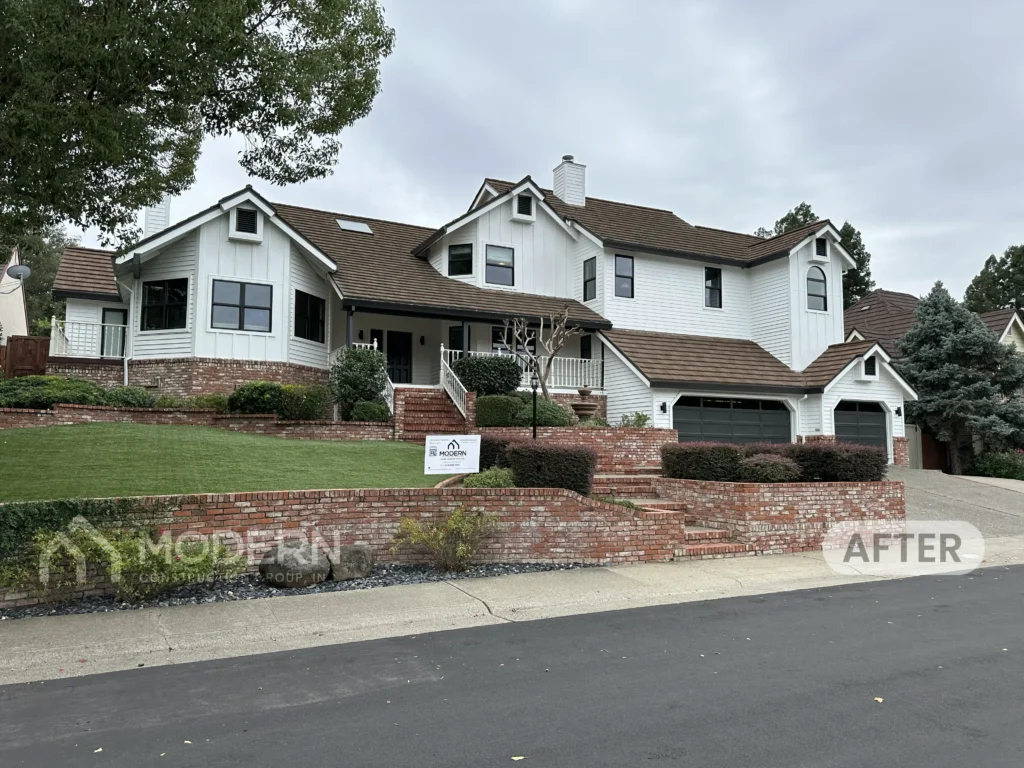
Key Takeaway
The main types of siding are fiber cement, vinyl, natural wood, engineered wood, metal, stucco, brick veneer, and natural stone veneer. No single material suits every home: the right choice depends on fire exposure, climate, maintenance tolerance, and your wall system. Among common options, fiber cement leads for homeowners prioritizing fire resistance, low upkeep, and a 30-year material warranty.
The main types of siding are fiber cement, vinyl, natural wood, engineered wood, metal, stucco, brick veneer, and natural stone veneer. There is no universal best choice among the house siding options on the market today. The right material depends on your climate exposure, how much maintenance you want, your home’s architecture, and how well the wall system behind the siding is built. This guide is for homeowners planning a 10 to 30 year investment who want the pros and cons before comparing bids.
Siding materials vs. siding styles: what’s the difference?
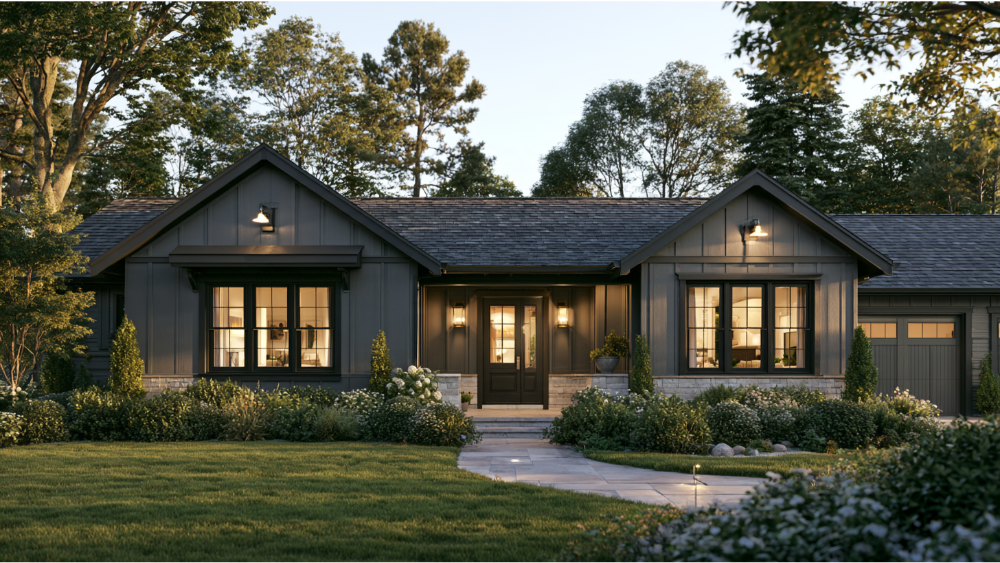
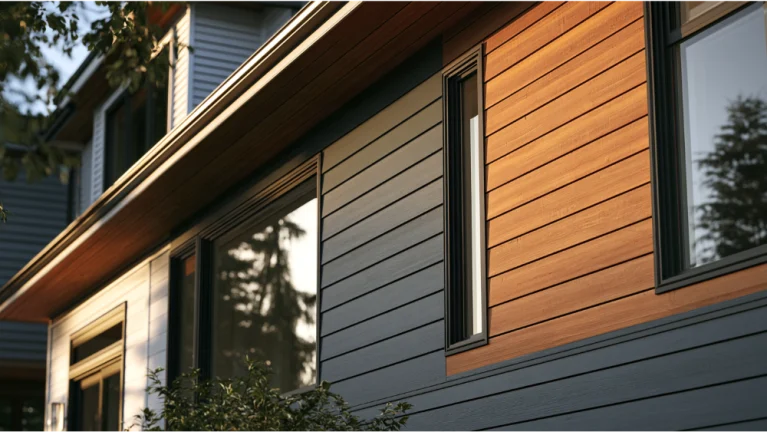
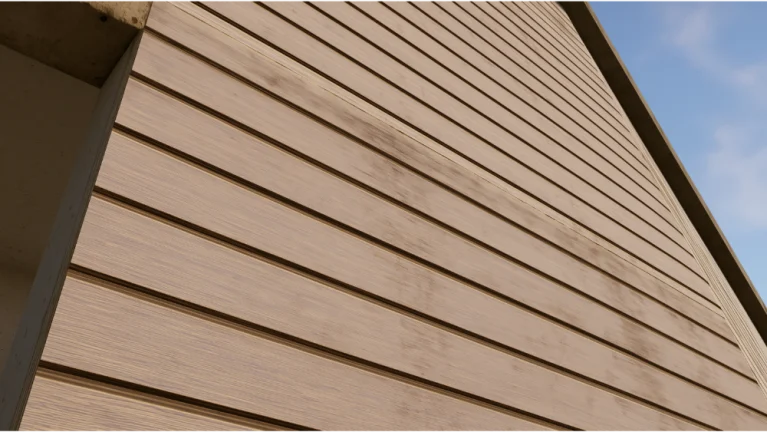
Material is what the cladding is made from: fiber cement, vinyl, wood, engineered wood, metal, stucco, or masonry veneer. Style, also called profile, is its shape on the wall: horizontal lap, board-and-batten, shingle or shake, vertical panel, architectural panel.
One material can produce several looks, so comparing board-and-batten against fiber cement doesn’t make sense. Decide on material performance first, then pick the profile that suits your home.
The different types of house siding at a glance
| Siding material | Look | Fire behavior | Moisture, pests, and upkeep |
|---|---|---|---|
| Fiber cement | Lap, panel, shingle, board-and-batten | Noncombustible products available | Resists moisture and pests; low upkeep with factory finish |
| Vinyl | Lap, vertical, shake | Combustible; can melt | Moves with temperature; low finish upkeep |
| Natural wood | Authentic grain, many profiles | Combustible | Prone to rot and insects; refinish cycle |
| Engineered wood | Wood-like texture, lap and panel | Combustible wood-based | Better than raw wood; moderate upkeep |
| Metal | Modern | Noncombustible; can deform | Corrosion where coatings fail; low upkeep |
| Stucco / EIFS | Textured, monolithic | Cement plaster is noncombustible | Drainage dependent; crack repair |
| Brick veneer | Traditional | Noncombustible | Needs flashing and weeps; very low upkeep |
| Stone veneer | Natural or manufactured | Noncombustible | Support dependent; low upkeep |
Among single-family homes started in 2025, vinyl was the principal exterior material on 27.7%, stucco 24.1%, fiber cement 22.6%, and brick just under 17%, per NAHB analysis of Census data. Both vinyl and fiber cement hold large shares, but fiber cement showed the strongest long-term growth.
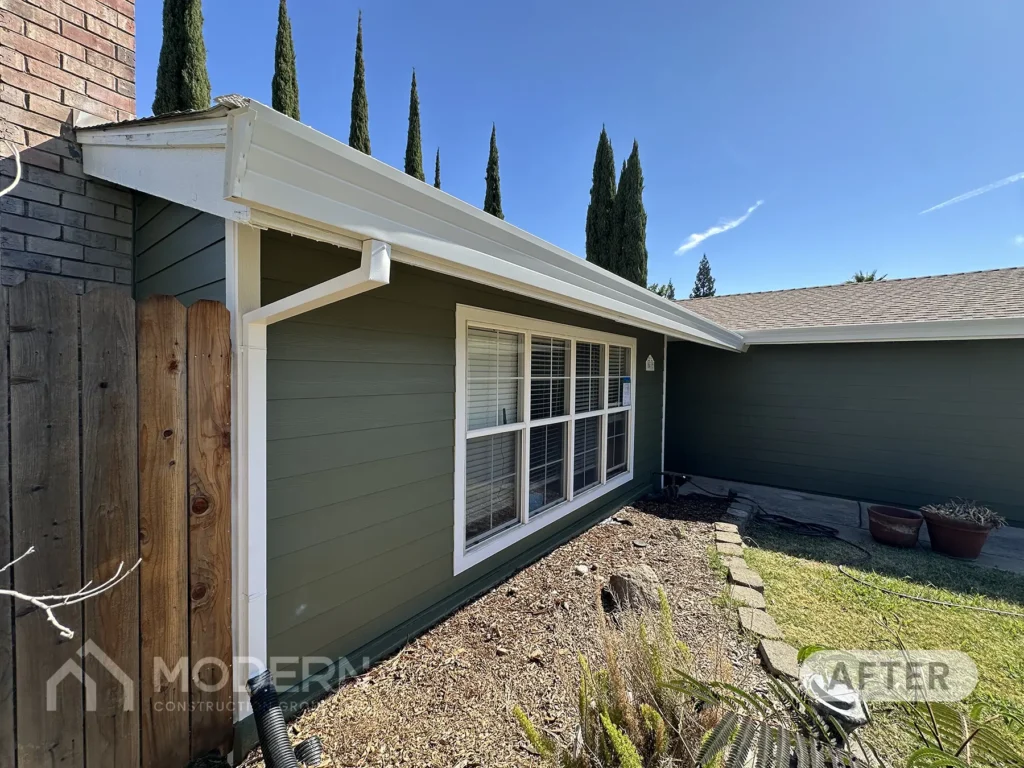
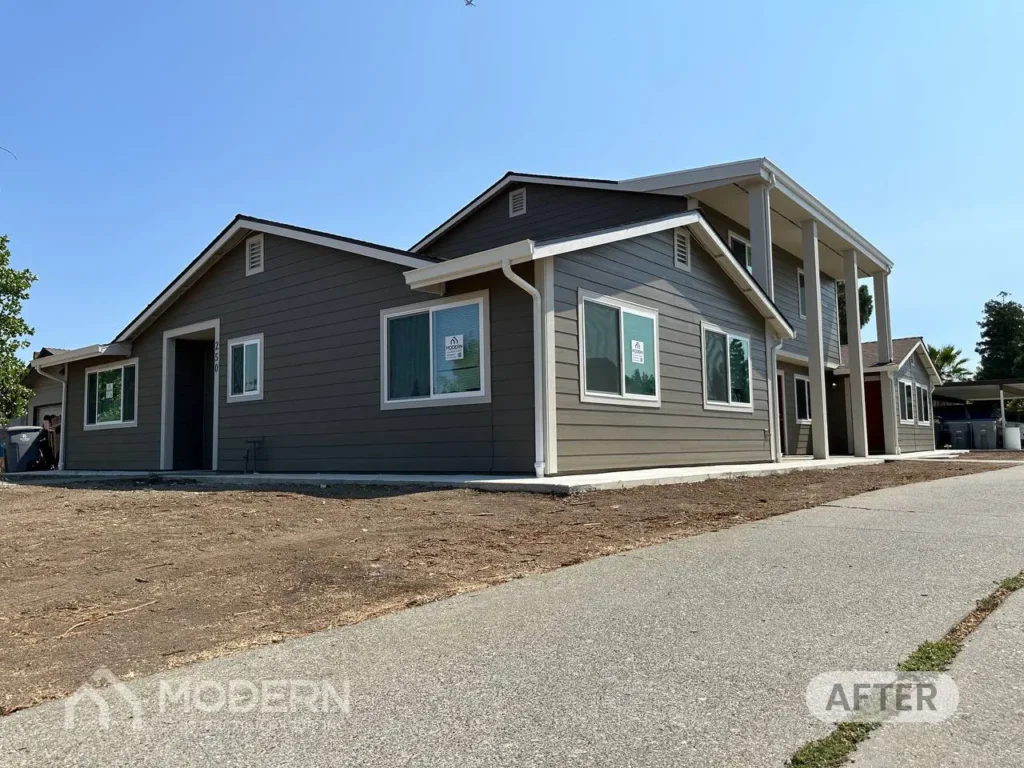
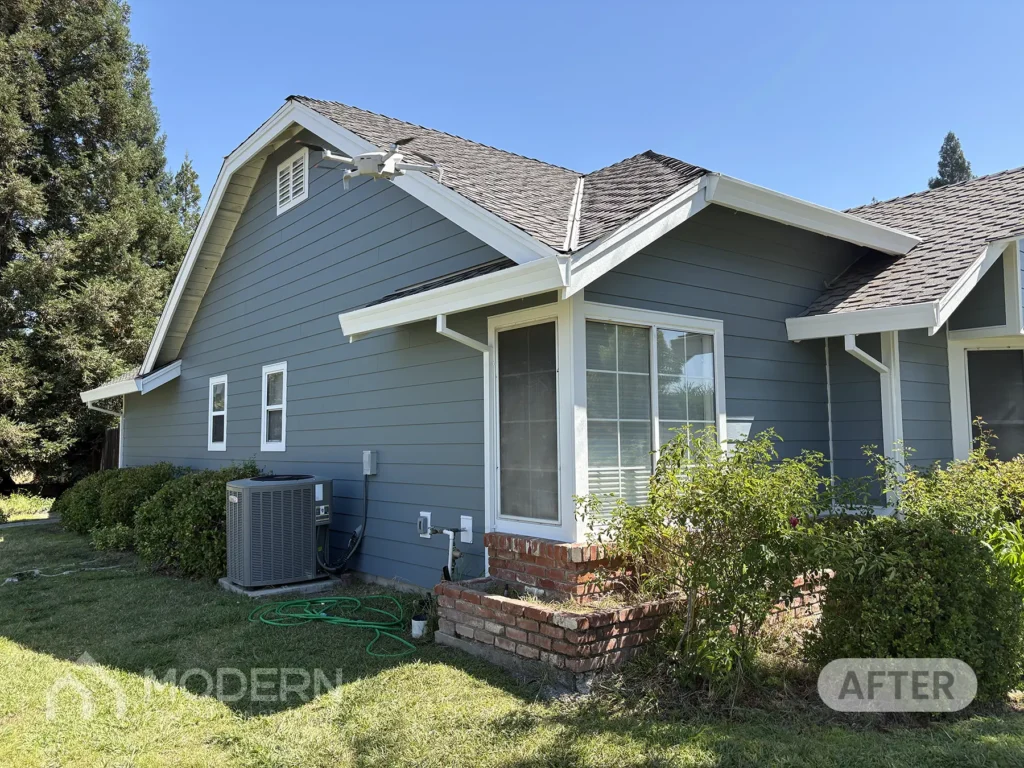
James Hardie fiber cement siding
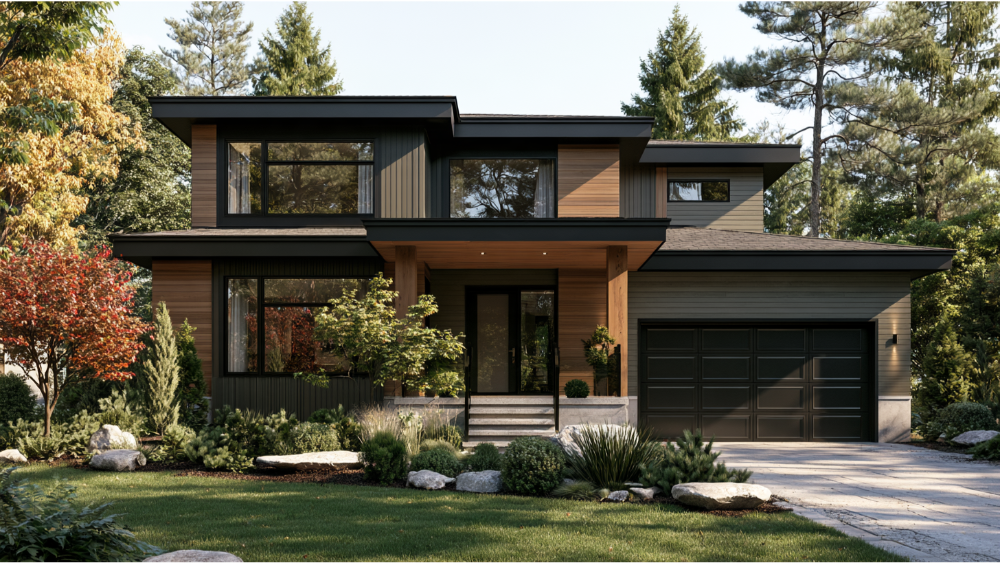
Fiber cement is a composite of Portland cement, sand, water, and cellulose wood fibers. That composition explains why it behaves so differently from wood or plastic cladding: it doesn’t feed pests, it won’t rot the way damp wood can, and it holds its dimensions through temperature swings.
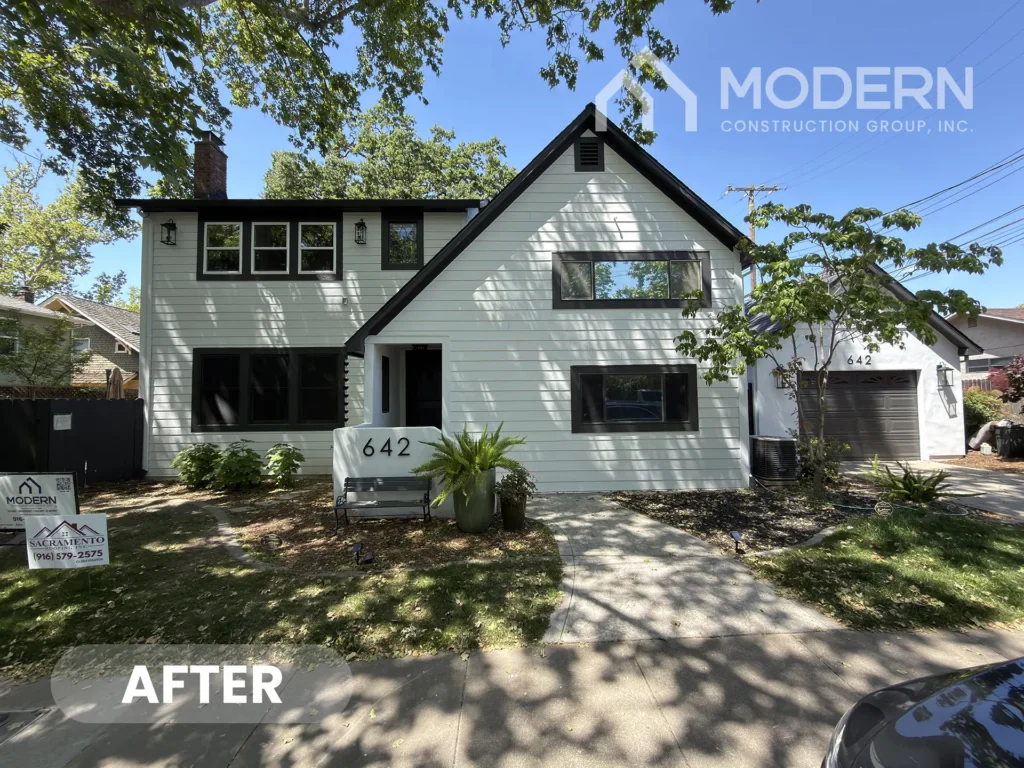
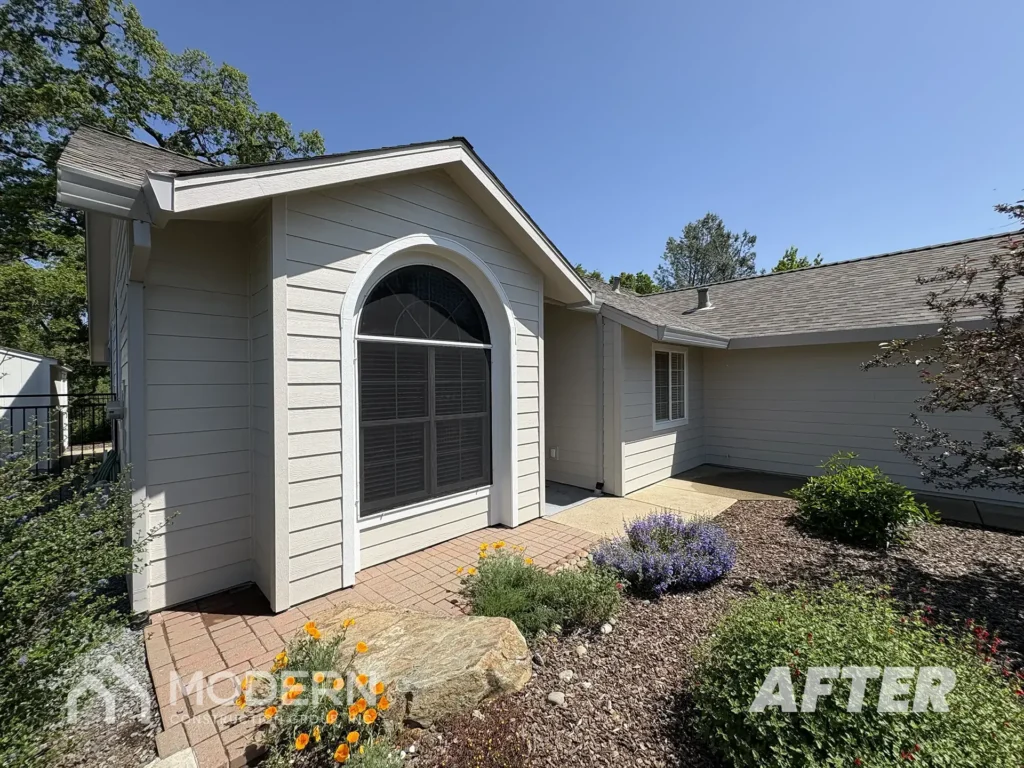
James Hardie makes it in lap, panel, shingle, and architectural-panel formats, so one material can deliver a traditional clapboard elevation, a farmhouse look, or a clean contemporary panel design. For homeowners weighing durability against curb appeal, it is the gold standard.
Fire behavior, ColorPlus® Technology, and warranty coverage
James Hardie states that its siding complies with ASTM E136 as noncombustible cladding. Two qualifiers belong with that: applied paints and coatings are not immune to heat damage, and noncombustible siding is not a substitute for a fire-resistance-rated wall assembly where one is required. Fire resistant is a fair description. Fireproof applies to no home.
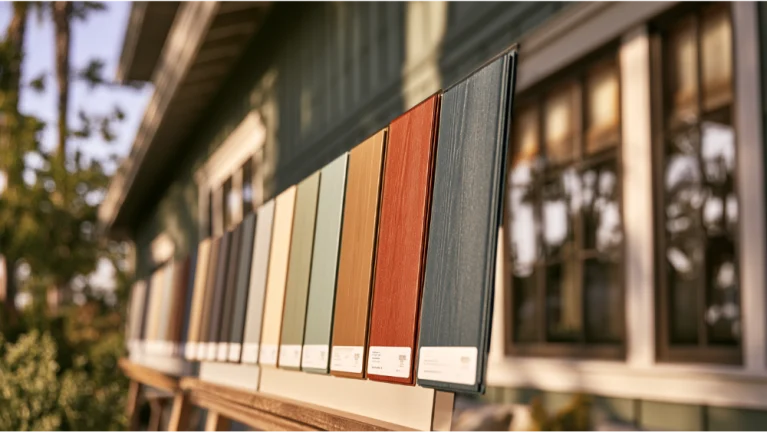
ColorPlus® Technology is a factory-applied, baked-on finish engineered for color consistency and resistance to fading, peeling, and cracking, a real difference from field-painted siding under heavy UV. Qualifying James Hardie products carry a 30-year limited substrate warranty, with a 15-year limited ColorPlus® finish warranty on current lines.
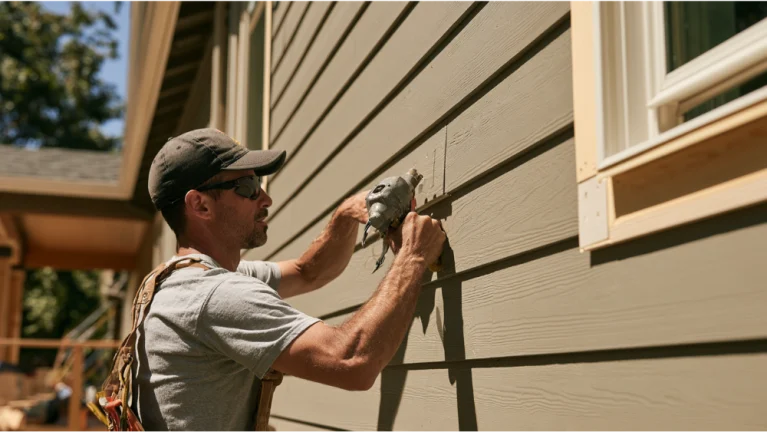
Fiber cement also rewards precise installation. Fastener placement, clearances, and flashing follow manufacturer specifications, which is why certified installation matters so much with this material.
Vinyl siding
Vinyl siding is rigid PVC cladding and the most-used principal exterior material in new single-family construction. The Census Bureau reports 265,000 of the 1,005,000 single-family homes completed in 2025 used vinyl as the primary exterior wall material.
Its main advantage is low finish upkeep, since color runs through the product rather than sitting on top as paint. It moves, though, expanding and contracting noticeably with temperature, so material-specific fastening is not optional. Insulated vinyl with rigid foam attached can add continuous insulation and reduce thermal bridging for a more energy efficient wall, per Department of Energy guidance.
Vinyl is combustible and can distort or melt under extreme heat, and FEMA’s Marshall Fire assessment observed poor performance including melting. Damaged panels usually mean replacement rather than refinishing. Our fiber cement vs. vinyl siding breakdown goes deeper.
Natural wood siding
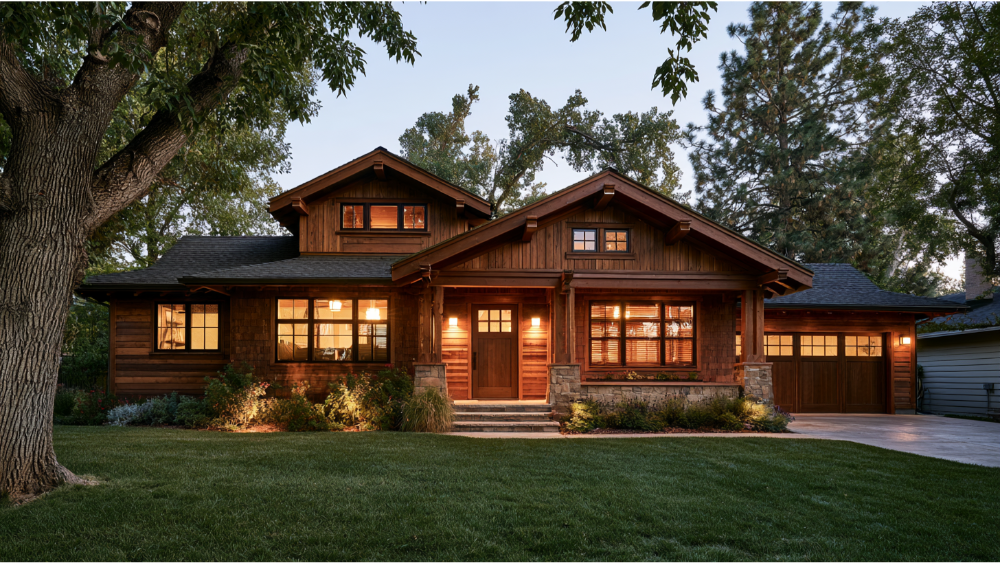
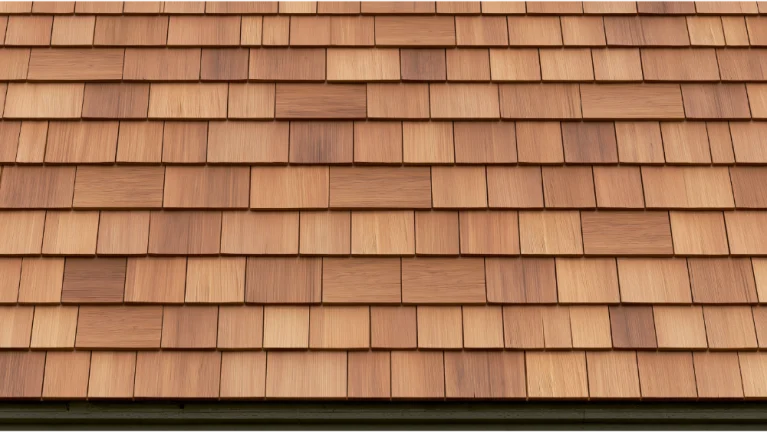
Real wood siding comes as lap or clapboard, wood shingles and shakes, and board-and-batten. Cedar is the wood species homeowners ask about most, and for good reason: authentic grain, natural oils that slow decay, and a warmth no manufactured product fully imitates.
Finish maintenance runs on a cycle commonly cited as every three to five years depending on exposure, and boards can cup, warp, or split while staying vulnerable to moisture, rot, and insects. Wood is combustible, and FEMA recommends replacing combustible siding with noncombustible or ignition-resistant materials in wildfire-risk applications. If your home sits in a WUI fire zone, that carries real weight. Where wildfire exposure affects your homeowners insurance, ask your carrier what your policy expects.
Engineered wood siding
Engineered wood siding is made from wood strands or fibers bonded with resins and treated during manufacturing, then formed into lap or panel profiles. Against untreated solid wood it offers wood-like texture, lighter weight, fewer defects, and better resistance to moisture and insects.
It is still a combustible wood-based product, and performance varies widely between products, with cut edges and flashing details doing much of the work. Evaluate the specific product against its ANSI/APA performance standard rather than the category.
Metal siding
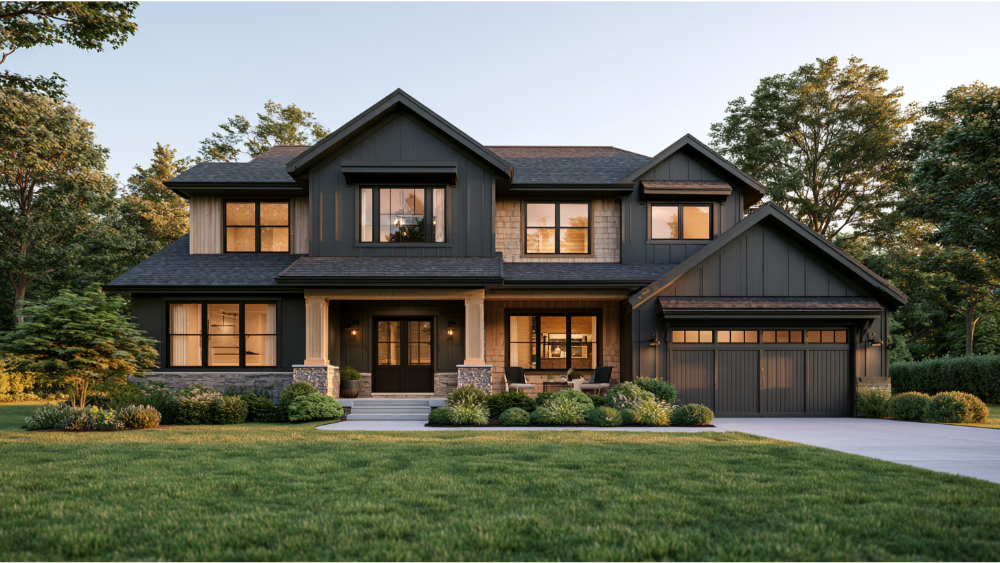
Steel siding and aluminum are noncombustible, resist rot and insects, and ask little beyond coating upkeep. The honest limits: aluminum dents fairly easily, steel can corrode where coatings are breached or in coastal salt air, and noncombustible metal can still deform under severe heat. On most traditional homes, architectural fit is the real constraint.
Stucco, brick veneer, and natural stone
Traditional stucco is Portland cement plaster applied in coats over lath. It’s durable and suits hot, dry conditions, but performance depends almost entirely on drainage, joints, and penetration detailing. It cracks as the structure moves, and trapped moisture invites rot. EIFS is a different multilayer system and should be evaluated on its own terms.
Brick and stone on modern homes are nearly always veneer, nonstructural cladding over a framed wall. Brick veneer is noncombustible and close to maintenance-free, though longevity depends on support, flashing, and weeps. Stone carries a high cost per square foot installed, which is why it usually appears as an accent alongside a primary siding material.
Common siding styles: lap siding, board-and-batten, shingle, and panel
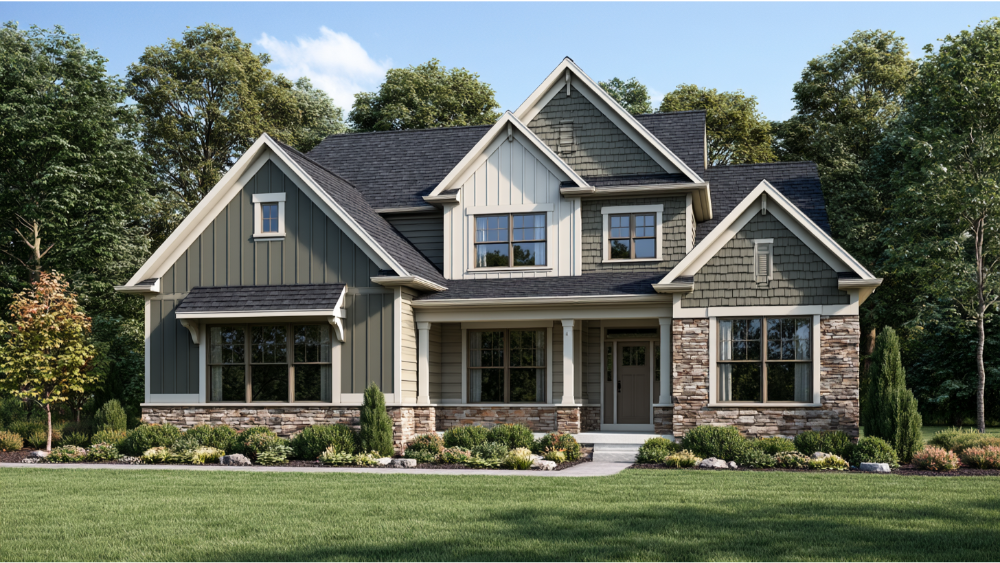
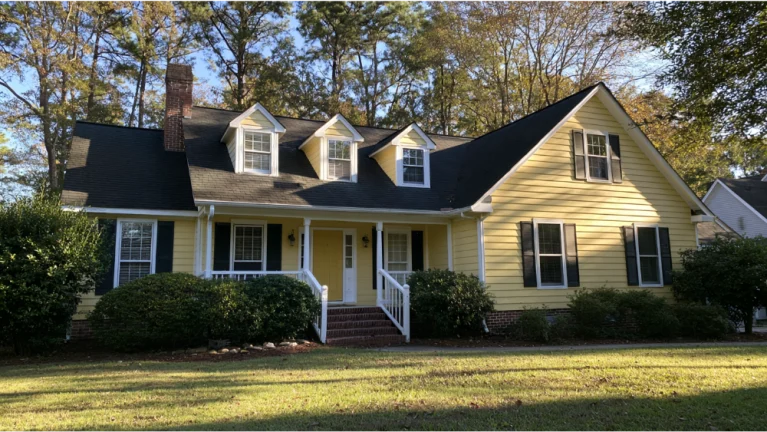
- Horizontal lap siding: the most familiar profile, and it works on nearly every architectural style.
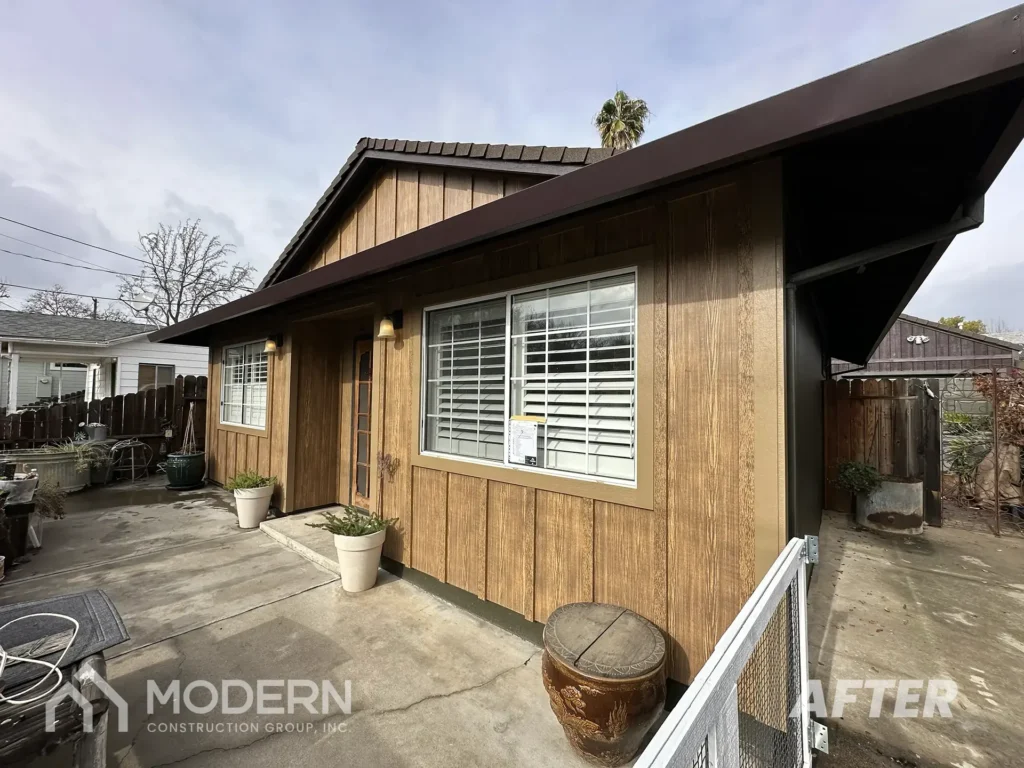
- Board-and-batten: vertical boards with narrow battens over the seams, for farmhouse character.
- Shingle or shake: texture and detail, often used on gables, dormers, and entry accents.
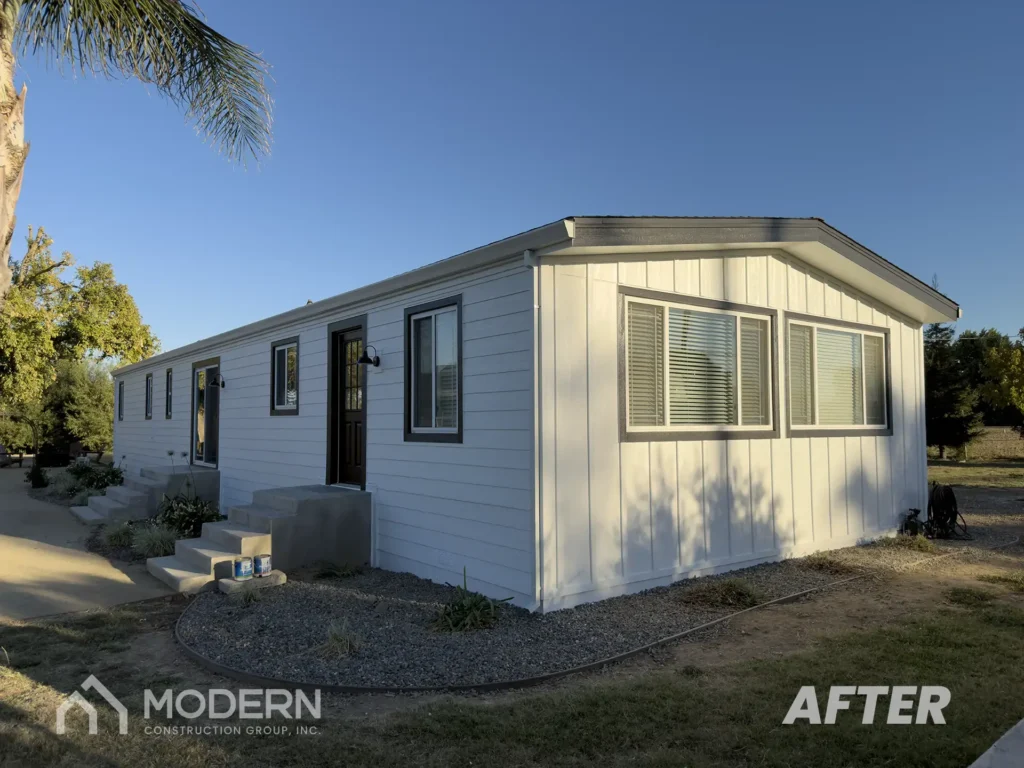
- Vertical and architectural panel: clean contemporary lines with minimal visual interruption.
Mixing two profiles in the same material adds curb appeal. Lap across the main body with board-and-batten on a gable reads as a designed elevation rather than a patchwork, because the color scheme and texture stay consistent.
What drives siding cost?
We don’t publish pricing, and no honest guide can quote a number that fits your home. What we can explain is how cost is built.
Siding is measured in squares, and one square equals 100 square feet of wall area. A two-story elevation with gables, dormers, and many windows carries more cut work and trim than a simple single-story box, which is why similar-sized homes land far apart. What moves cost most:
- Material and profile. Cost generally climbs from vinyl through engineered wood and fiber cement to brick and stone veneer.
- Tear-off and repair. Removing old siding, plus any sheathing or moisture damage underneath.
- Wall system work. Water-resistive barrier, flashing, trim, and penetration detailing.
- Access. Height and staging raise installation costs.
- Finish. A factory finish costs more upfront and removes a recurring repaint cost later.
Then there’s the cost no estimate lists: doing it twice. Refinishing cycles, repairs, premature replacement, and the energy costs of a poorly detailed wall all belong in the comparison.
How do you choose the right siding for your climate?
Think in exposure terms rather than geography. Different siding types respond differently to each of these:
- Wildfire and ember exposure: favor noncombustible or ignition-resistant materials, and watch joints and transitions.
- High heat and UV: fade resistance and dimensional stability matter most.
- Freeze-thaw and snow: moisture absorption plus ground and roof clearances.
- Rain and humidity: drainage detailing and resistance to rot and mold.
- Coastal salt, wind, and hail: corrosion behavior, fastener selection, and how easily damage can be repaired.
Building materials alone don’t decide the outcome. Wall design and workmanship create too much variation for blanket claims that one material always wins.
Why installation matters as much as the siding material
Siding sheds most of the rain that hits your home’s exterior walls. It does not waterproof them. Long-term moisture performance depends on the water-resistive barrier, flashing, drainage, penetrations, and clearances behind the cladding.
The 2024 International Residential Code (Chapter 7) generally requires exterior walls to form a weather-resistant envelope with a water-resistive barrier, flashing, and a means of draining water that gets past the siding. It’s a model code, adopted and amended locally, so check with the authority having jurisdiction and follow the manufacturer’s current instructions.
Fiber cement shows how standardized this is: code-recognized panel and lap siding products must comply with ASTM C1186, Type A, minimum Grade II, with a maximum 12-inch lap width and a minimum 1¼-inch overlap. Homes built before 1978 may also have lead-based paint, and the EPA recommends a lead-safe certified contractor for regulated exterior work.
Frequently Asked Questions
What are three major types of board siding?
Lap or clapboard installed horizontally with each course overlapping the one below, board-and-batten installed vertically with battens over the seams, and shingle or shake. All three come in wood, engineered wood, and fiber cement.
What is considered the best siding for a house?
There’s no universal answer. The drivers are fire exposure, moisture demands, maintenance tolerance, architecture, warranty coverage, and installed cost. Among common options, fiber cement is the most frequent shortlist choice for homeowners weighting fire resistance, low maintenance, and long-term material warranty protection. It offers more dimensional stability than vinyl and more predictable upkeep than other types of wood-based cladding.
What siding is best for fire-prone or WUI areas?
FEMA recommends noncombustible or ignition-resistant exterior coverings such as fiber cement, stucco, brick, or concrete masonry in wildfire-exposed applications. Joints and transitions stay weak points even with noncombustible siding, and siding alone is not a fire-resistance-rated wall assembly.
Planning new siding? Get your free estimate
You want an exterior that protects your home for decades and looks better doing it. We’re a family-owned James Hardie Alliance Select Contractor and Anlin Authorized Dealer serving Northern California, with certified installers and over 25 years of experience. Licensed, bonded, and insured under California General Building License #1092104. Our 15-year workmanship warranty stands alongside the 30-year material warranty available on qualifying James Hardie products. Financing is available, so contact us for details. Learn More About Siding.
Get Your Free Estimate Today. Call (916) 699-7070.