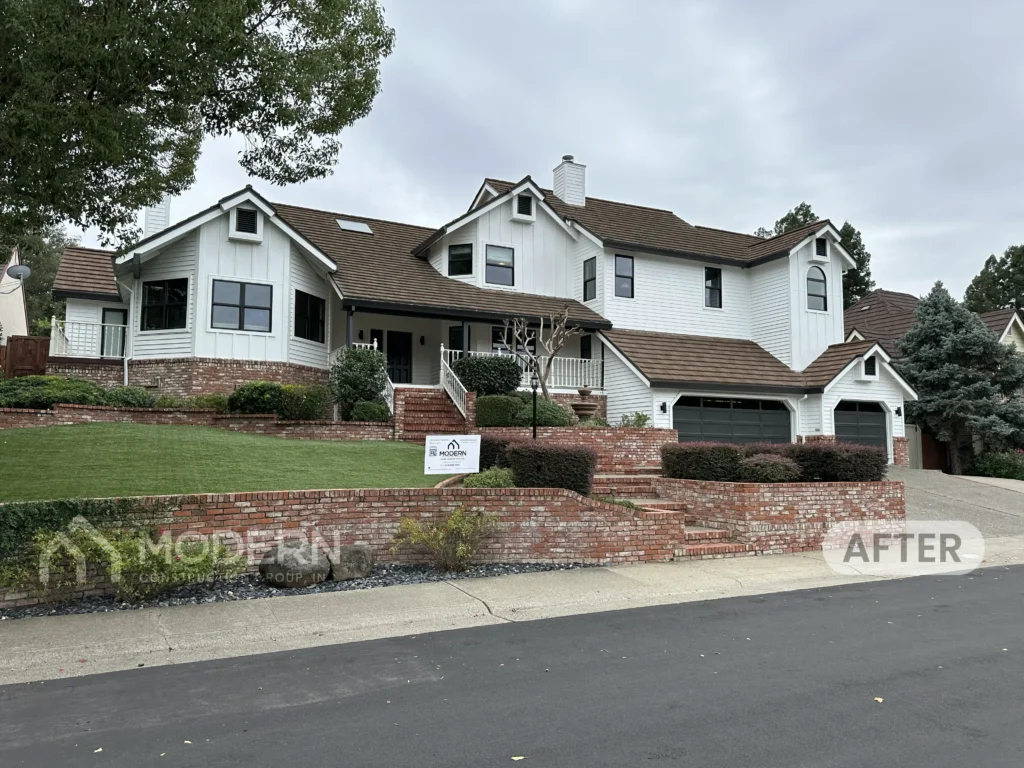
Key Takeaway
The most popular siding colors in North America include Arctic White, Iron Gray, Cobble Stone, Aged Pewter, and Pearl Gray, according to James Hardie. To choose the right siding color for your home, start with fixed elements like your roof and masonry to identify warm or cool undertones, then test physical samples against the actual house in direct sun and shade. A color that looks perfect on screen can read completely wrong next to a warm terracotta roof.
The right siding color coordinates with the elements that aren’t changing (your roof, your brick or stone, your windows) while reinforcing your home’s architectural style. Narrow your options by undertone first, then confirm your finalist with physical samples held against the actual house in real sunlight. A color that looks perfect on a screen can read completely wrong next to a warm terracotta roof.
Most homeowners start with a photo of a house they love and work backward. It’s faster to start with your home’s exterior exactly as it stands today and eliminate the colors that were never going to work on it.
You’re making a 10 to 30 year decision, so this guide gives you exterior color ideas and a method you can repeat. Two ideas run through all of it: fixed versus changeable design elements, and undertone (whether a color leans warm or cool) as something separate from the color’s name.
How Do You Choose a Siding Color? (The Short Answer)
- Start with the permanent features you’re keeping. Roof, masonry, and any windows staying put set your boundaries.
- Identify warm versus cool undertones. Two grays can look nothing alike next to the same brick.
- Match your home’s architectural style. Some palettes flatter the proportions; some fight them.
- Decide how much contrast you want. High-contrast and tone-on-tone color schemes both work well.
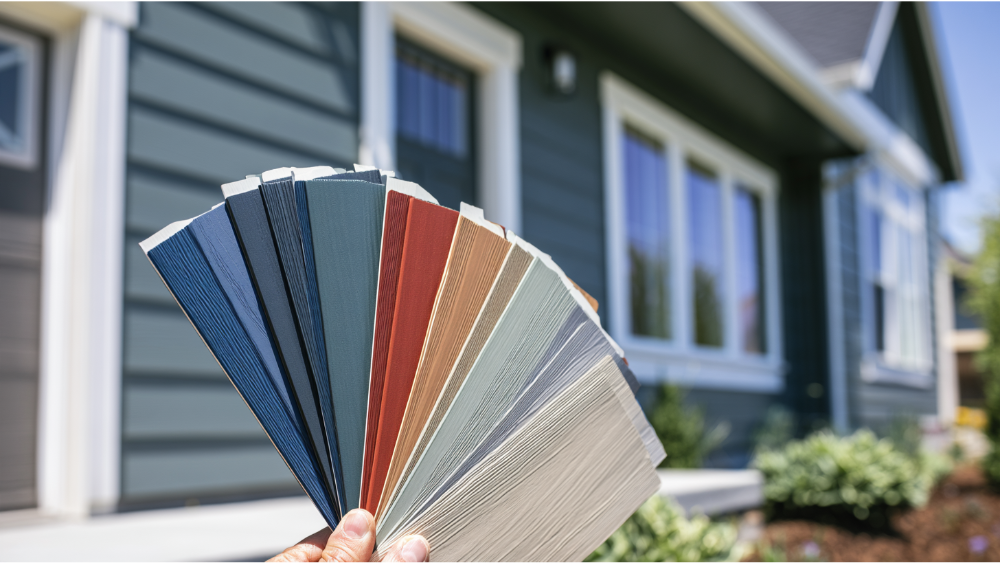
- Test physical samples on the house in different lighting conditions before you order anything.
Visualization tools help with steps four and five, but they’re screening tools. Elimination comes first, inspiration second.
Siding Color Ideas by Color Family
| Color Family | Best Architectural Matches | Pairs With | Trim Approach | Watch Out For |
|---|---|---|---|---|
| White and cream | Colonial, Cape Cod, modern farmhouse | Cool or warm roofs | Black or charcoal accents | Shows dirt near unpaved areas |
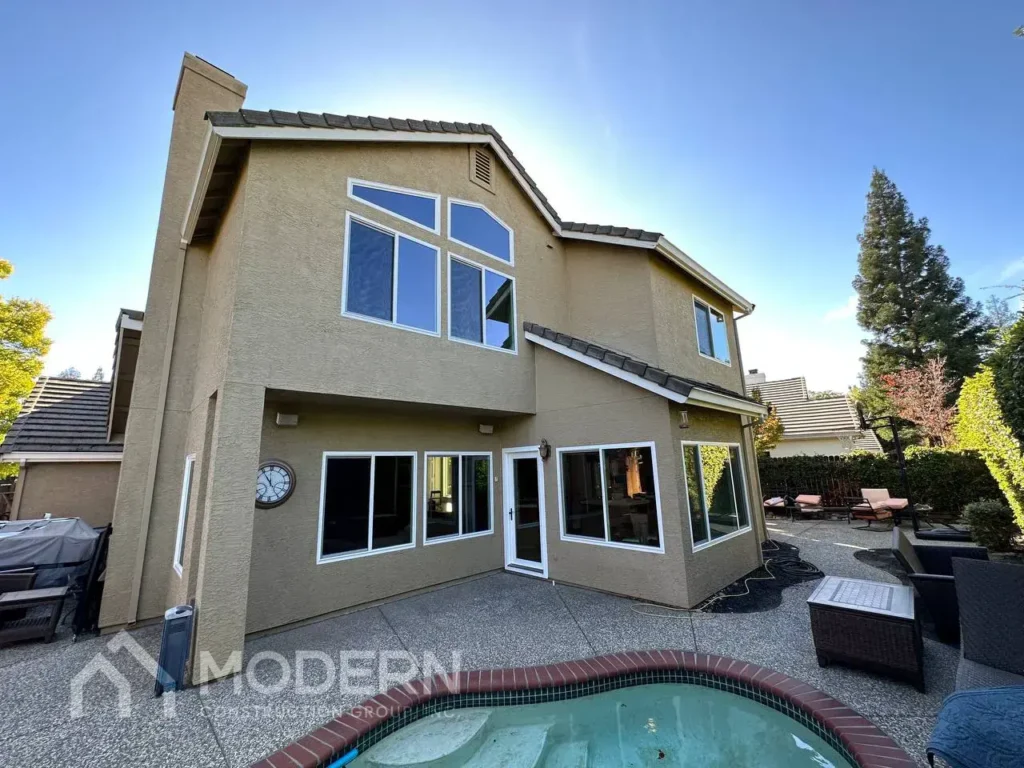
| Beige, taupe, greige | Ranch, Craftsman, traditional | Warm brown roofing, red brick | Warm white or cream trim | Flattens with too little contrast |
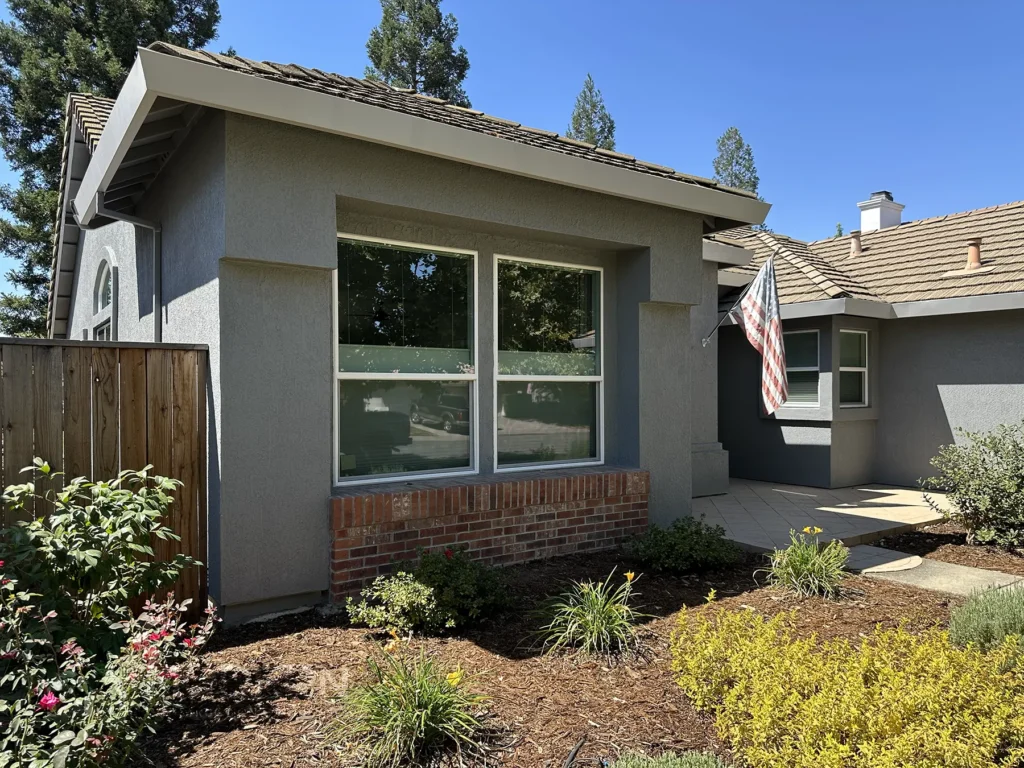
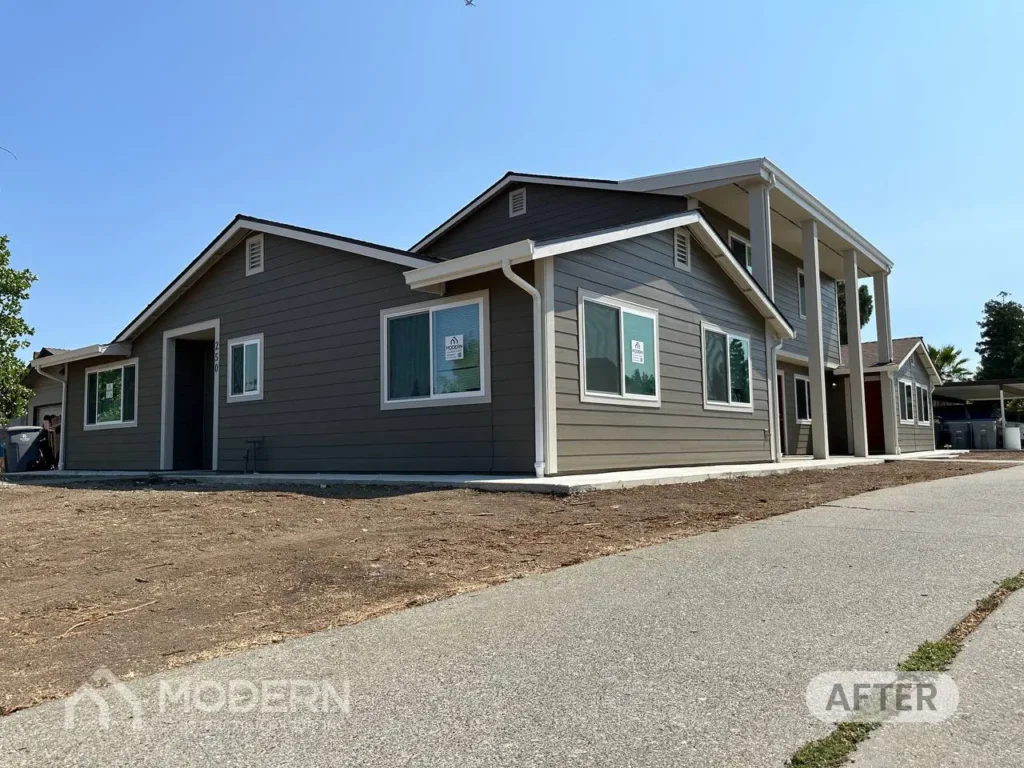
| Light and warm gray | Nearly all architectural styles | Gray or black roofing, gray stone | White trim for crispness | Blue-gray against warm masonry |
| Charcoal to near-black | Contemporary, modern farmhouse, Tudor | Dark roofing, light stone | Bright white or tone-on-tone | Absorbs more heat |
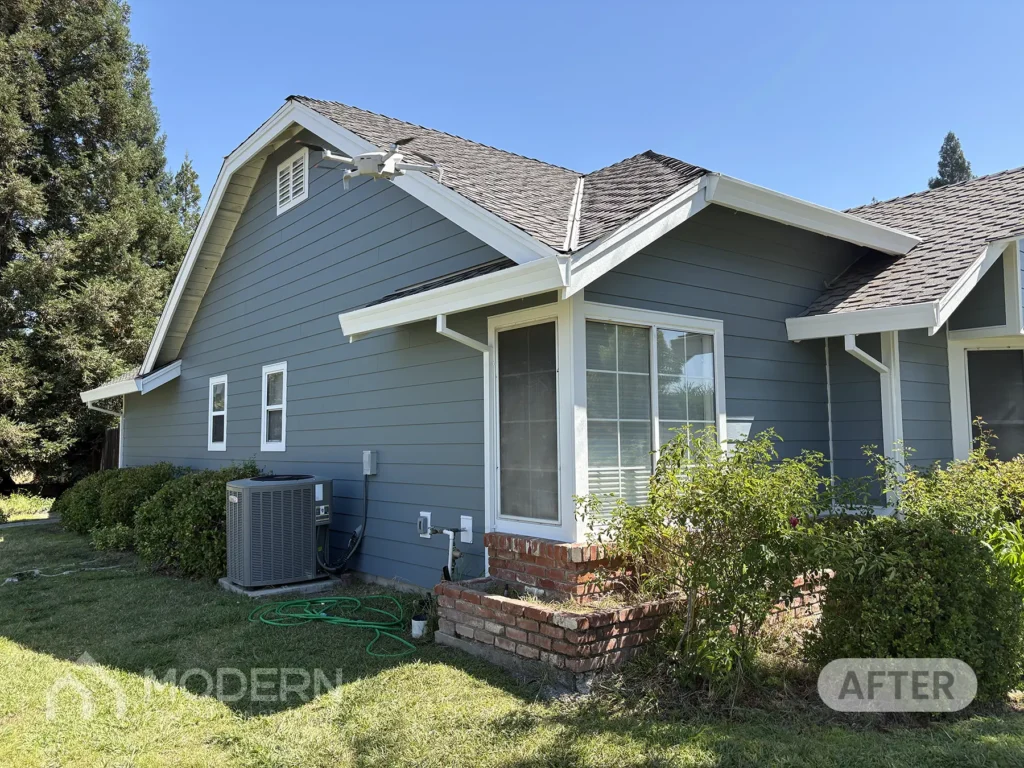
| Muted blue to navy | Cape Cod, Colonial, coastal | Cool gray roofing | White trim, wood door | Reads cold near orange brick |
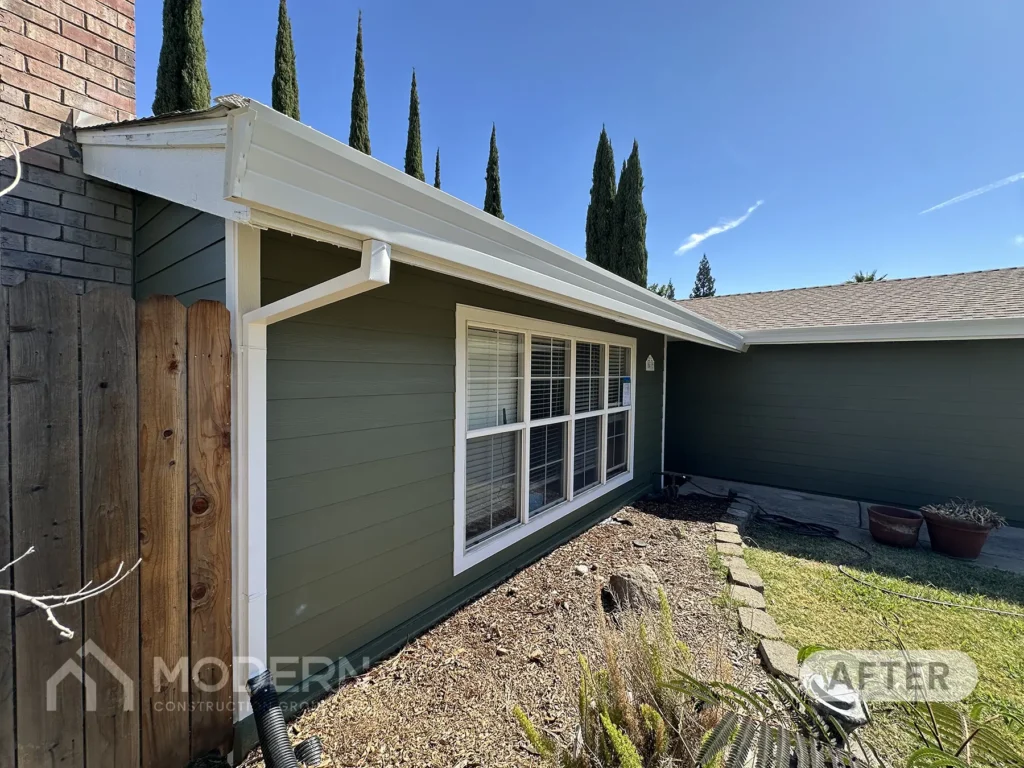
| Sage to deep green | Craftsman, bungalow, rustic | Brown, green, weathered roofing | Cream or warm white | Disappears into heavy landscaping |
| Brown and earth tones | Ranch, mountain, Craftsman | Warm roofing, stone, cedar | Cream, bronze, or black | Dated without a fresh accent |
James Hardie color names appear below where they’re accurate. Availability varies by product line and ZIP code, so confirm before you commit.
White and Cream Siding
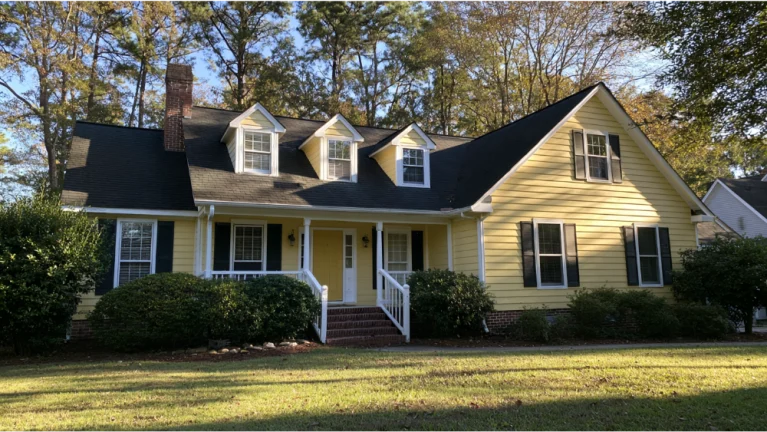
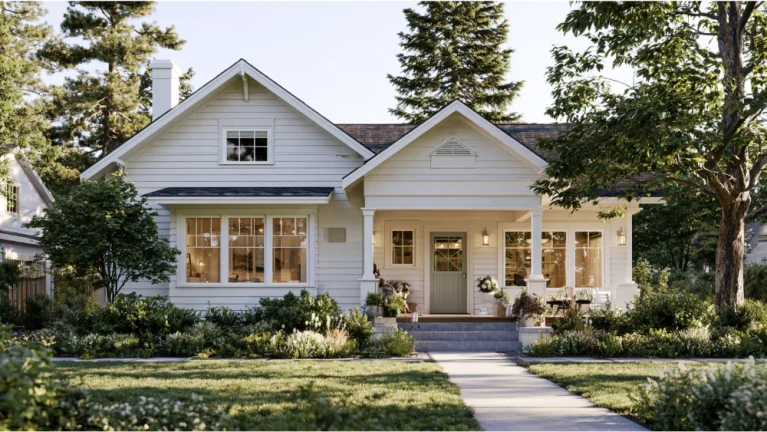
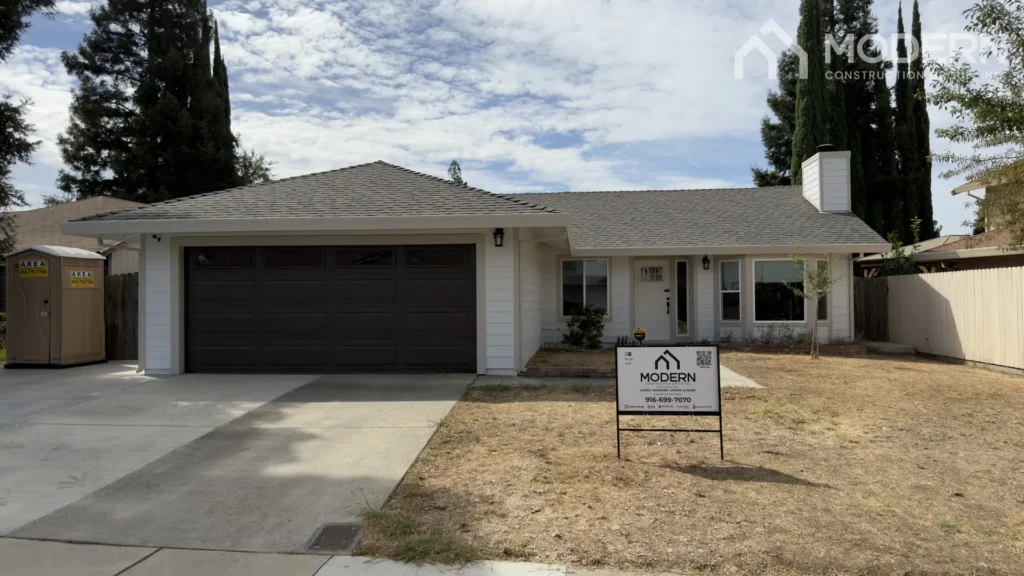
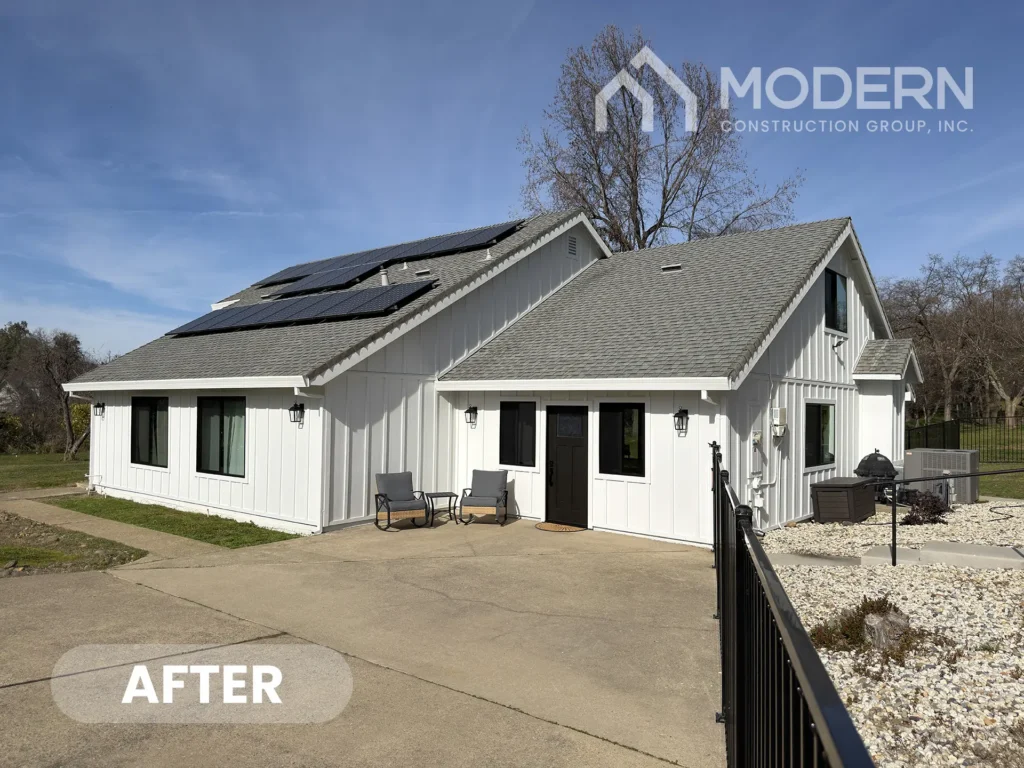
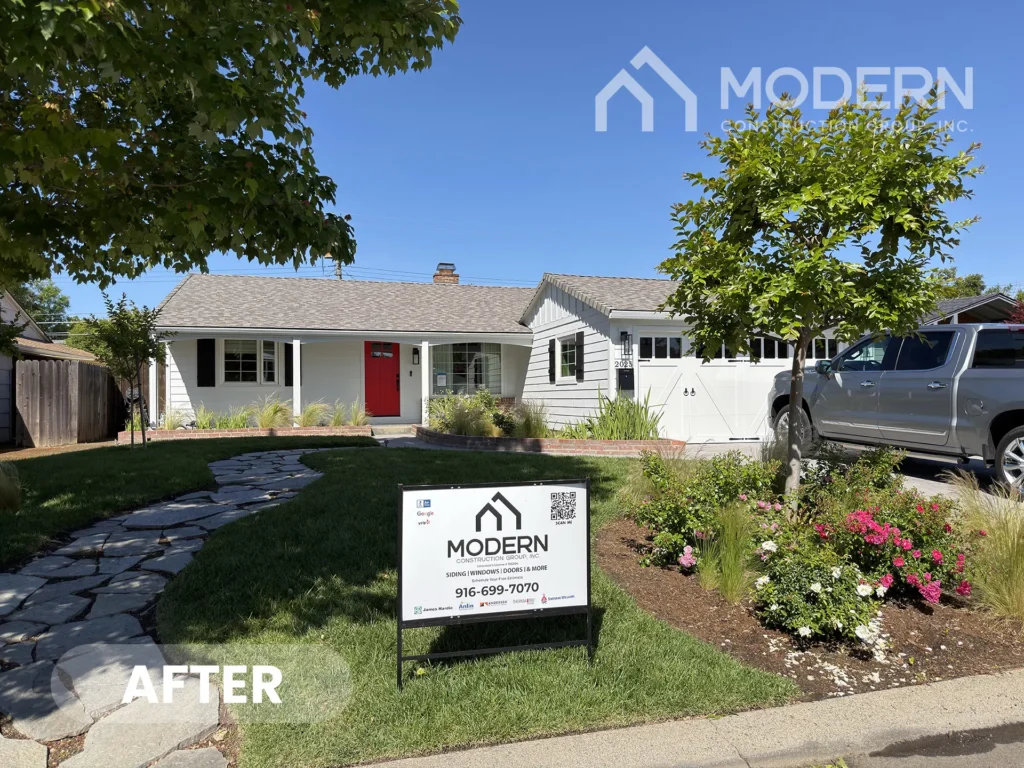
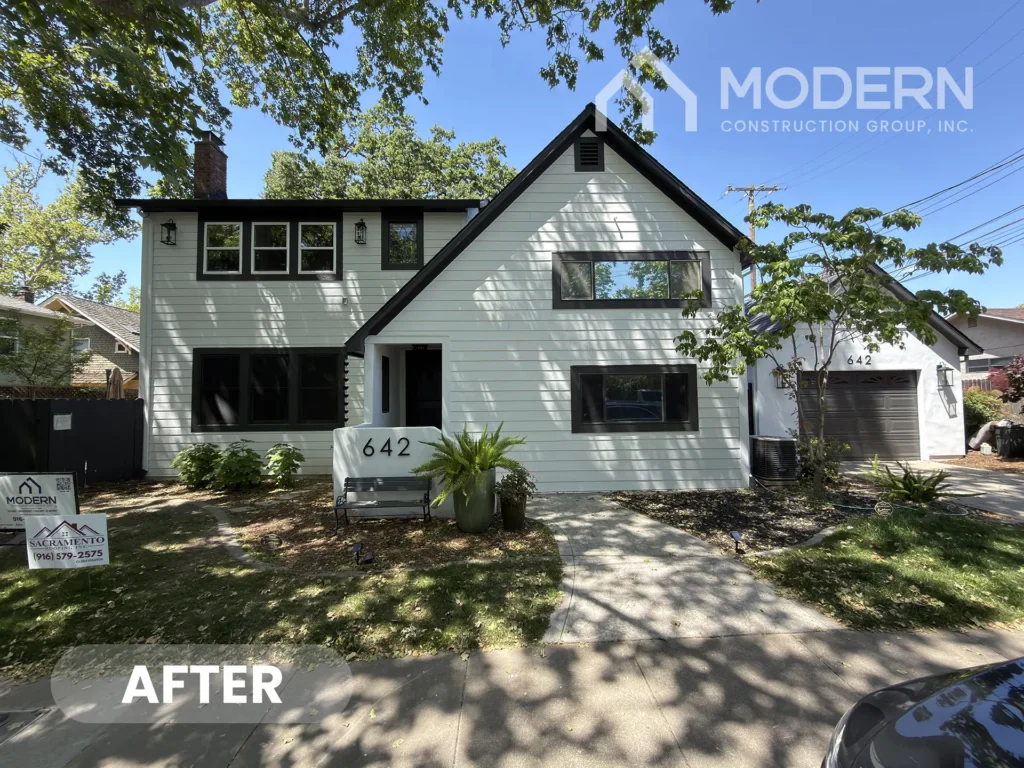
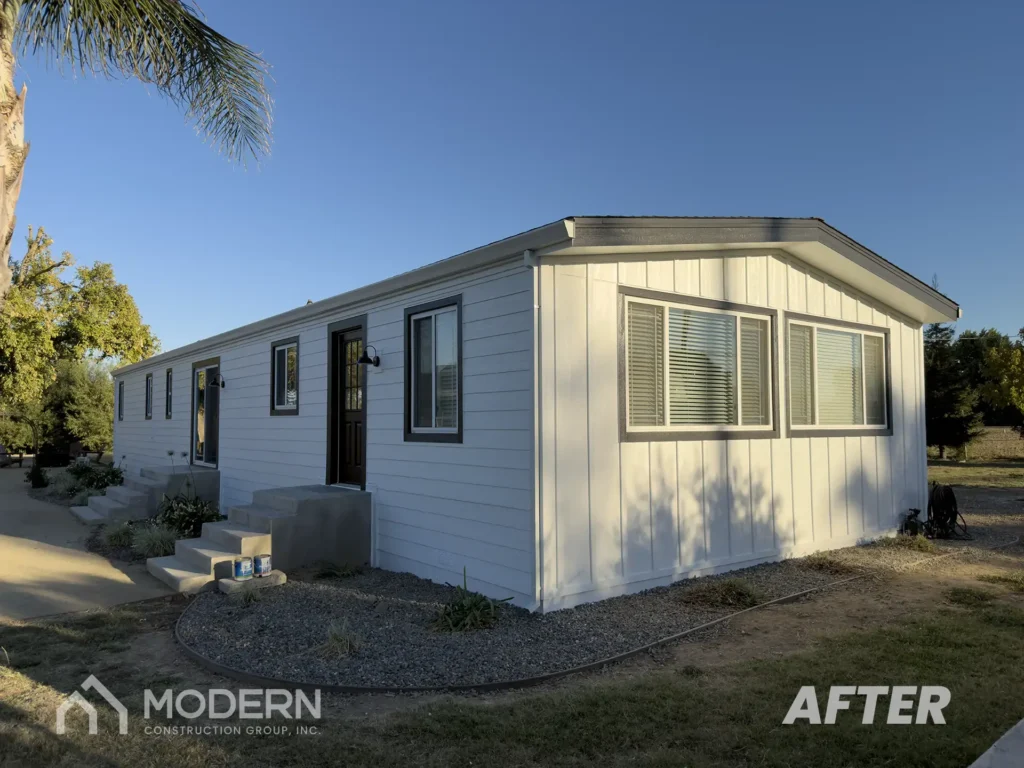
Arctic White is James Hardie’s most popular color in North America and close to universally popular for a reason: it works with almost any roof and makes a smaller home feel larger. Cream and off-white warm it up when your masonry has orange or yellow in it, and they make an entry feel more inviting. A light field lets trim and the front door carry the personality. One tradeoff: bright white shows dust and pollen sooner than beige or gray.
Beige, Taupe, and Greige Siding
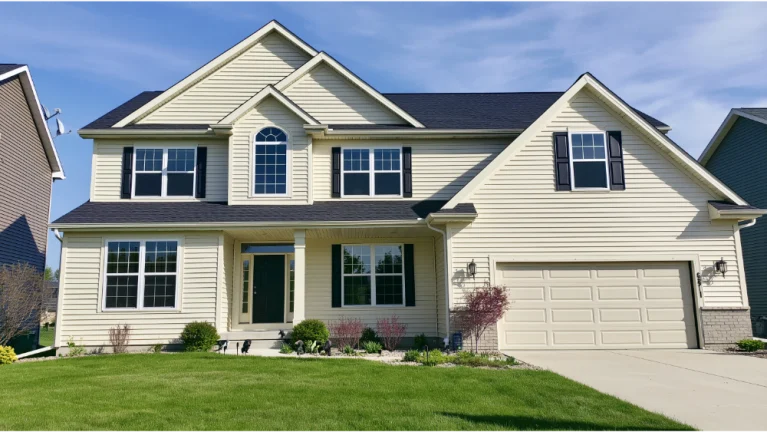
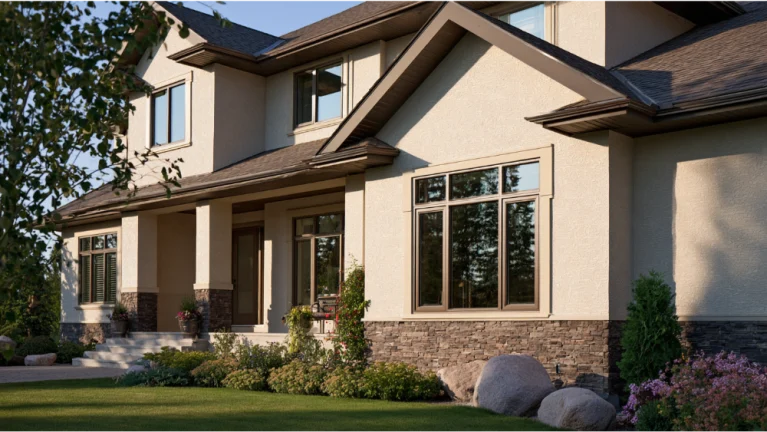
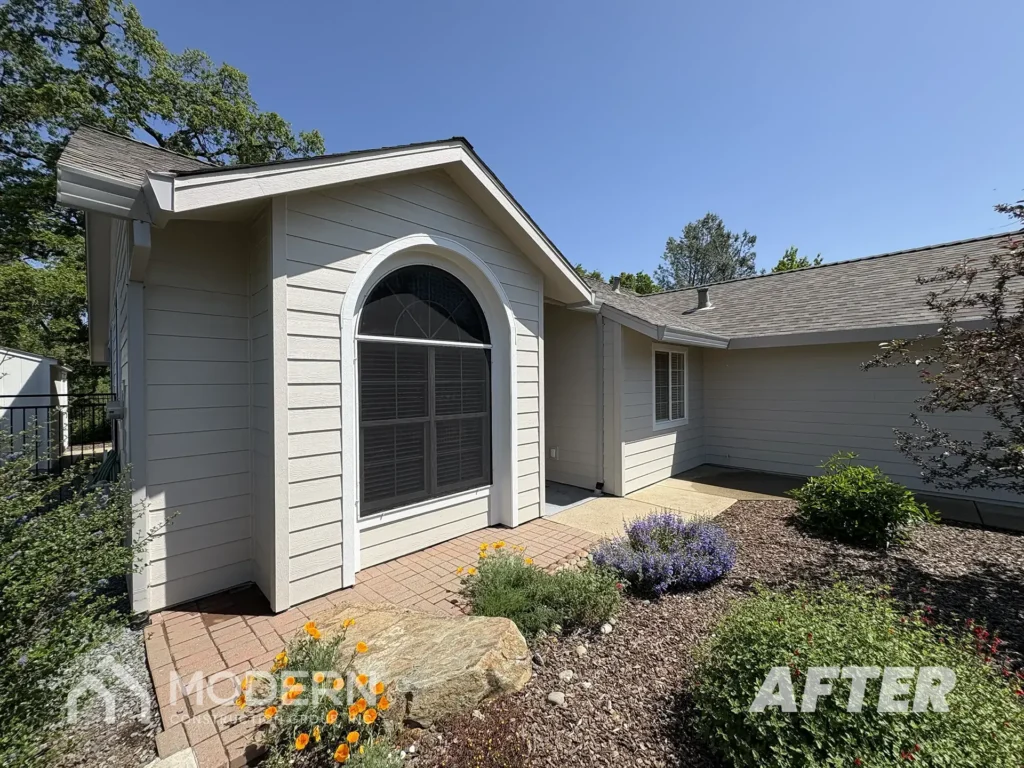
These deliver a stable, classic look that ages well. Cobble Stone is a warm neutral color that coordinates with red brick and brown roofing without competing. Beige and taupe read soft in full sun and noticeably richer in shade, so judge them on more than one wall. Greige bridges warm and cool when your exterior has both. The real risk is flatness, so pair it with crisp warm white trim and a darker door.
Light Gray and Warm Gray Siding
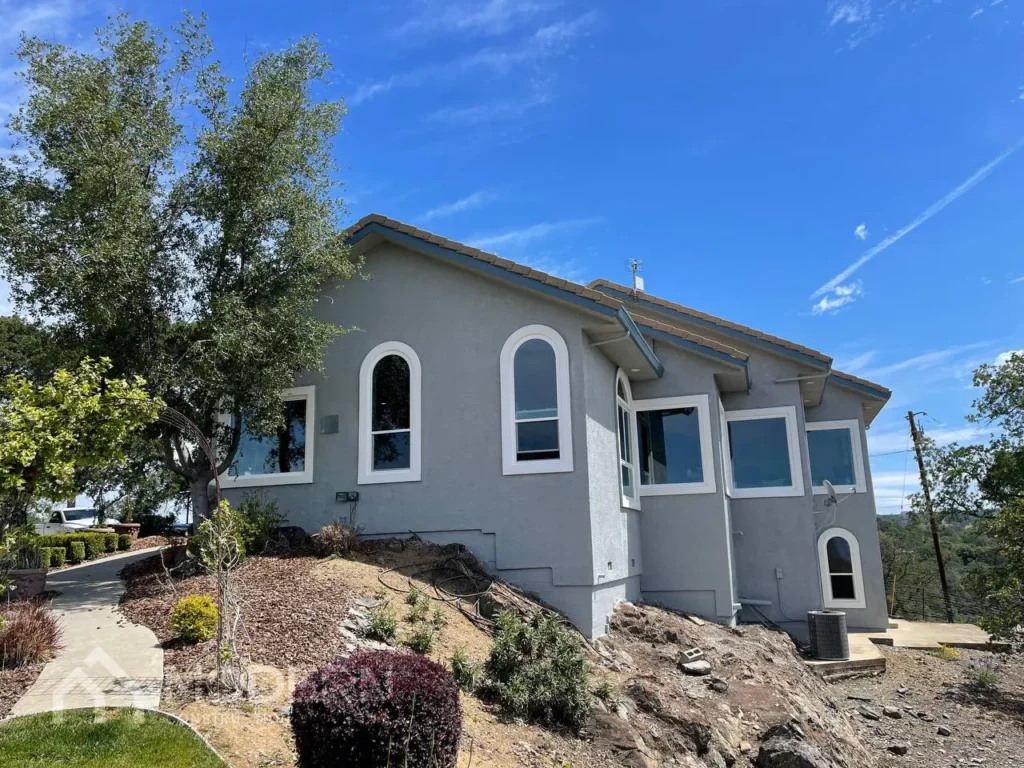
Gray remains the most versatile neutral because it reads modern without shouting. Pearl Gray lifts a shaded exterior, while Aged Pewter sits mid-tone and hides dust well. Check the undertone carefully, because a blue-gray next to warm brick is one of the most common mismatches we see. Warm gray blends with tan stone and cedar; cool gray belongs with black roofing and gray stone. Two grays with near-identical names on a screen can look like different colors against the house.
Charcoal, Iron Gray, and Near-Black Siding
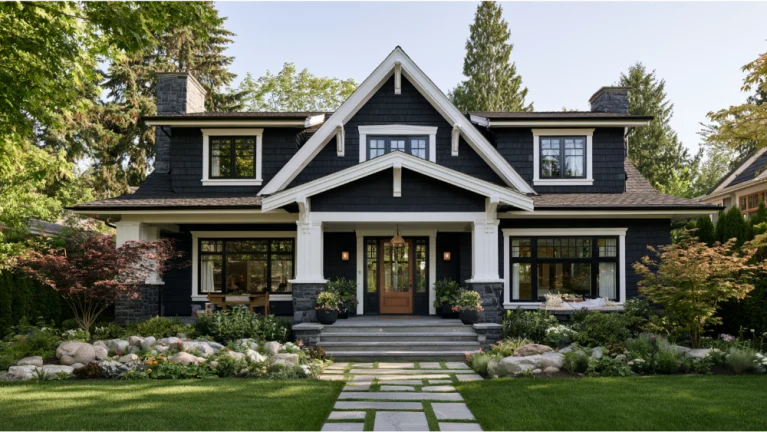
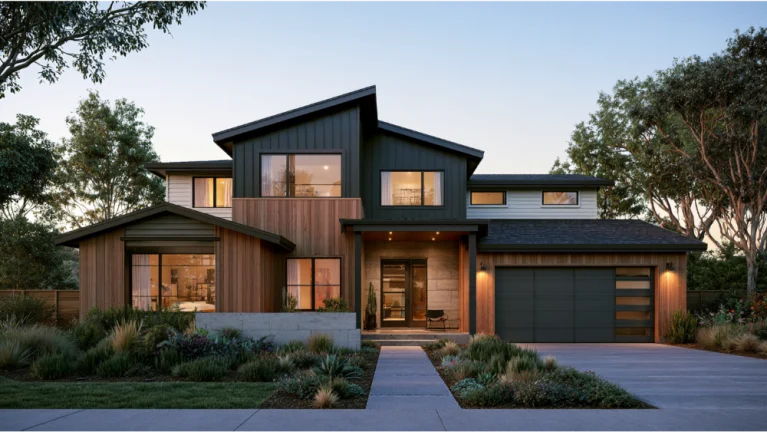
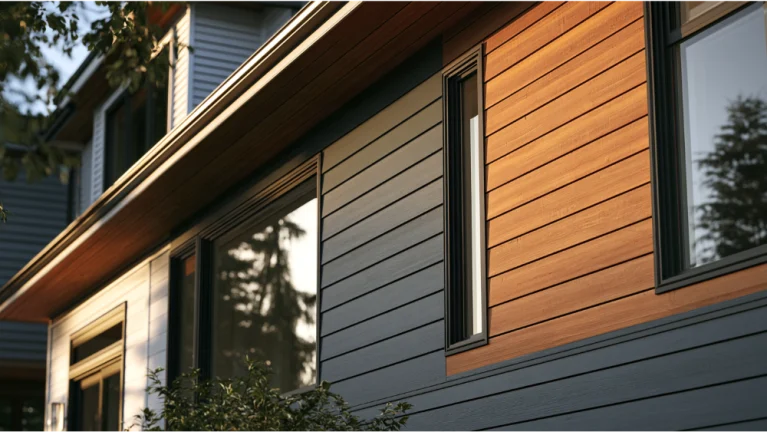
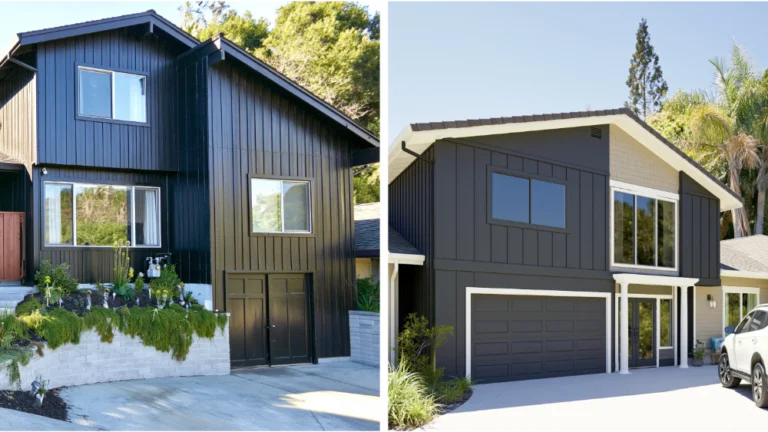
Deep neutrals and dark shades add depth and emphasize a home’s shape and rooflines. Iron Gray works as a full-house color or as an accent on gables and a garage wing. Dark siding draws the eye straight to trim, so that choice carries more weight in the overall look. A near-black field with bright white casings creates the sharpest contrast available. Tone-on-tone trim gives you the same presence more quietly.
Blue Siding, From Muted to Navy
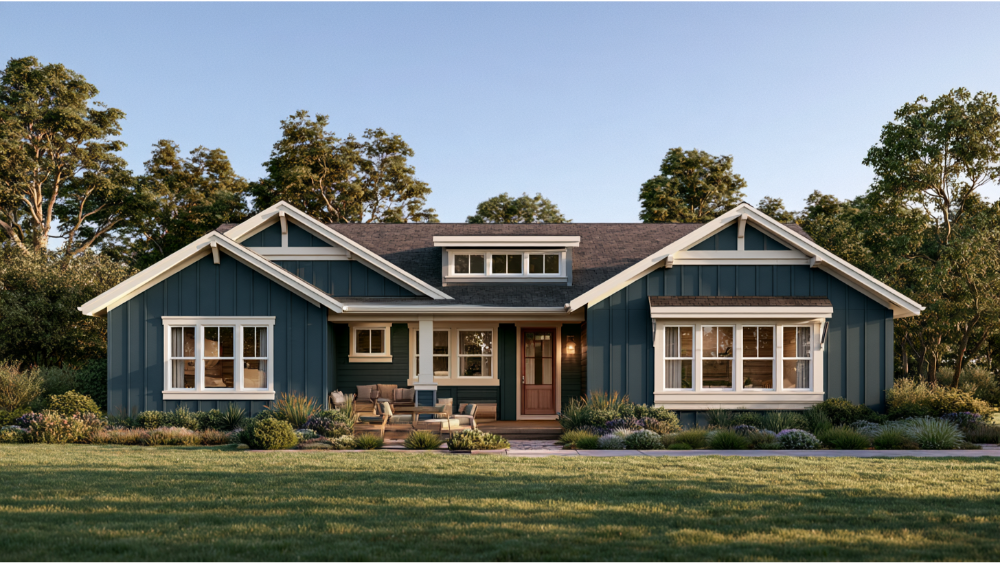
Boothbay Blue has long been a favorite in the West, and deeper navy shades add real character to Colonial and Cape Cod homes. Blue needs cool-leaning fixed elements to feel intentional rather than accidental. A muted blue-gray hue is the easiest entry point, since it behaves like a neutral from the curb and only reads blue up close. Navy paired with white trim and a natural wood door is a combination that has outlasted several trend cycles.
Sage and Deep Green Siding
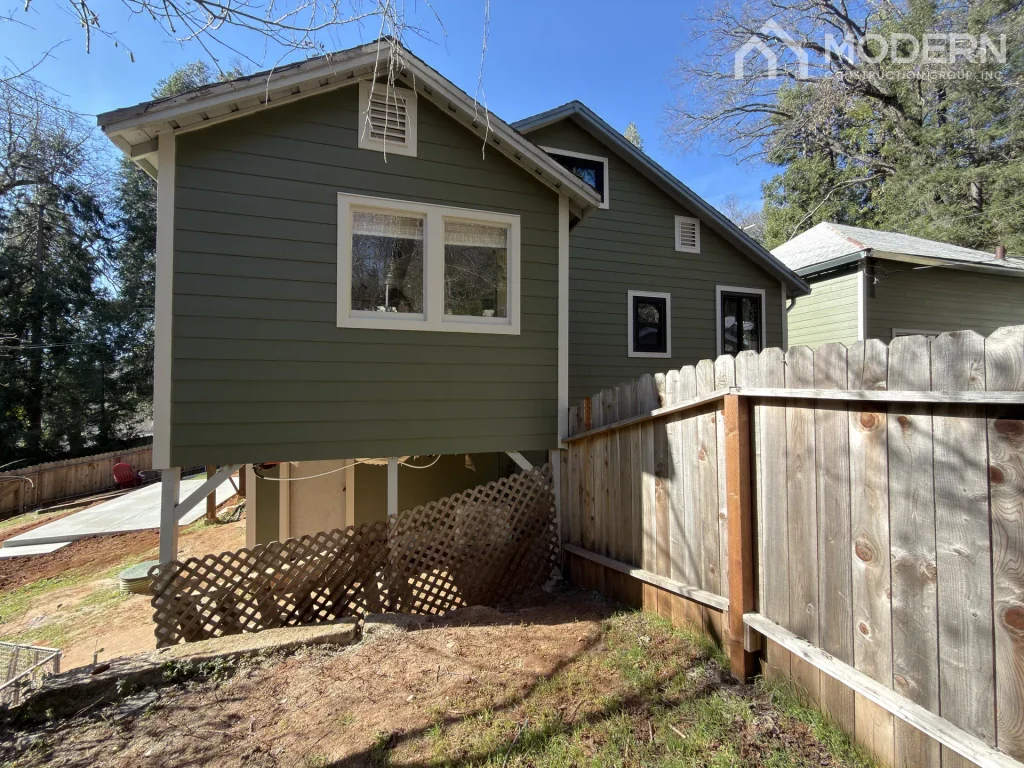
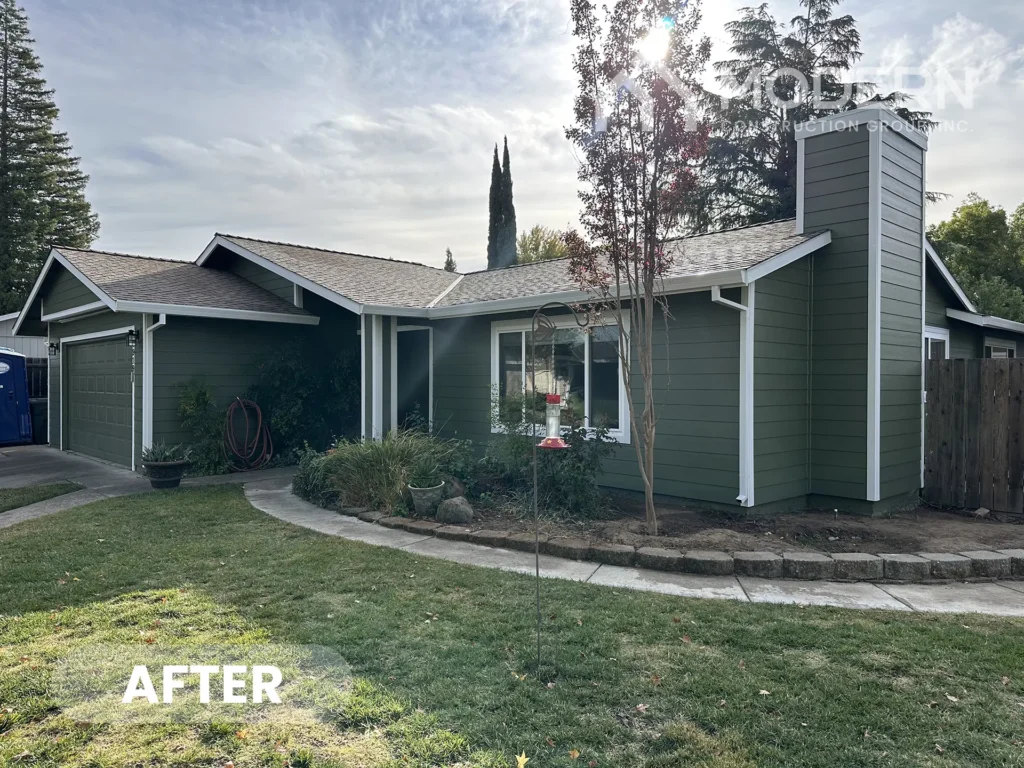
Earthy greens harmonize with the landscape better than almost anything else. Cypress is a muted green that’s popular in northern regions, while Emerald is a rich, saturated option for a house meant to stand out. Sage behaves like a warm neutral from the street. Deep green needs light trim, or the house blends into mature trees and loses its outline.
Brown and Earth-Tone Siding
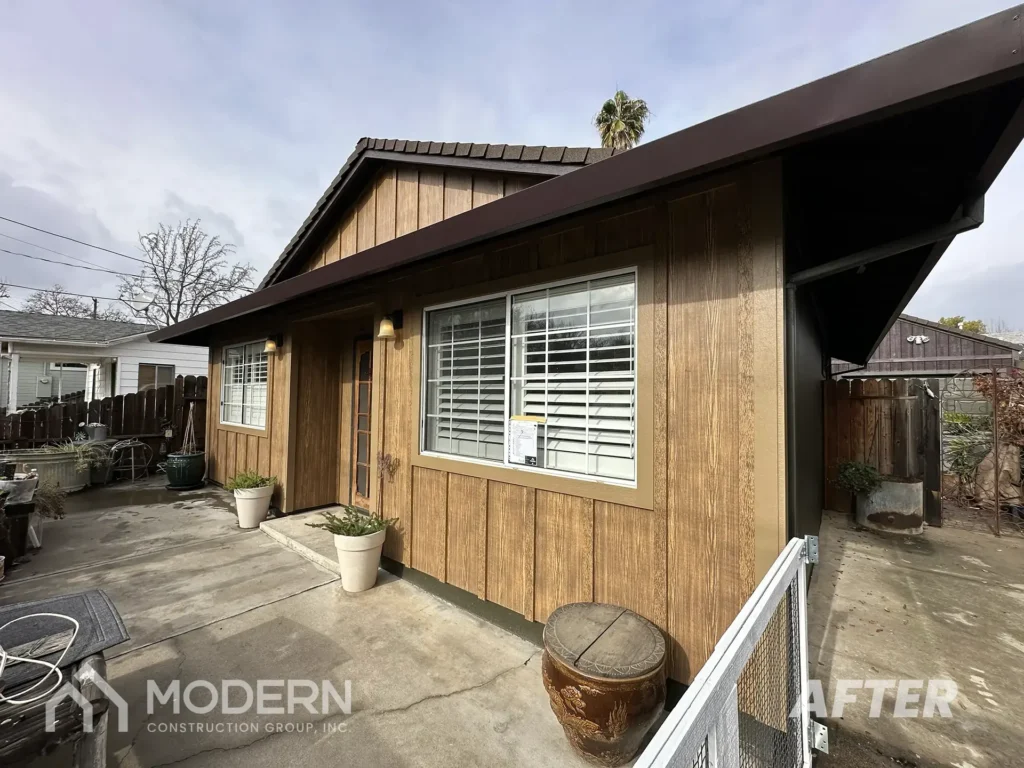
Brown tones and warm earth colors suit homes surrounded by trees, stone, or natural materials. They read grounded rather than trendy. One crisp accent, a black door or a bronze light fixture, brings the palette to life. A brown field with cream trim rarely looks out of place on a mountain home.
What Are the Most Popular House Siding Colors in 2026?
James Hardie named Iron Gray its 2026 Color of the Year, a deep neutral meant to work as either a main color or an accent. The company also reports Arctic White among its most popular colors in North America, followed by Iron Gray, Cobble Stone, Aged Pewter, and Pearl Gray.
Read those as manufacturer-specific figures, not a ranking across every siding brand. Gray in its many shades continues to trend alongside warm beige neutrals. Popular colors make a useful shortlist, not a verdict; your roof and masonry decide more than any trend report will. (We review this section annually.)
Match Your Siding to What’s Staying on the House
Roof Color and Undertone
Your roof is usually staying, and it’s a large visible surface, so let it filter your options first. Warm roofing pairs with warm siding families, cool with cool. A brown or terracotta roof pushes you toward beige, taupe, and warm gray. Black and charcoal roofing opens up cool gray, blue, and near-black. Treat that as a framework, not a rule you can’t break.
Brick and Stone
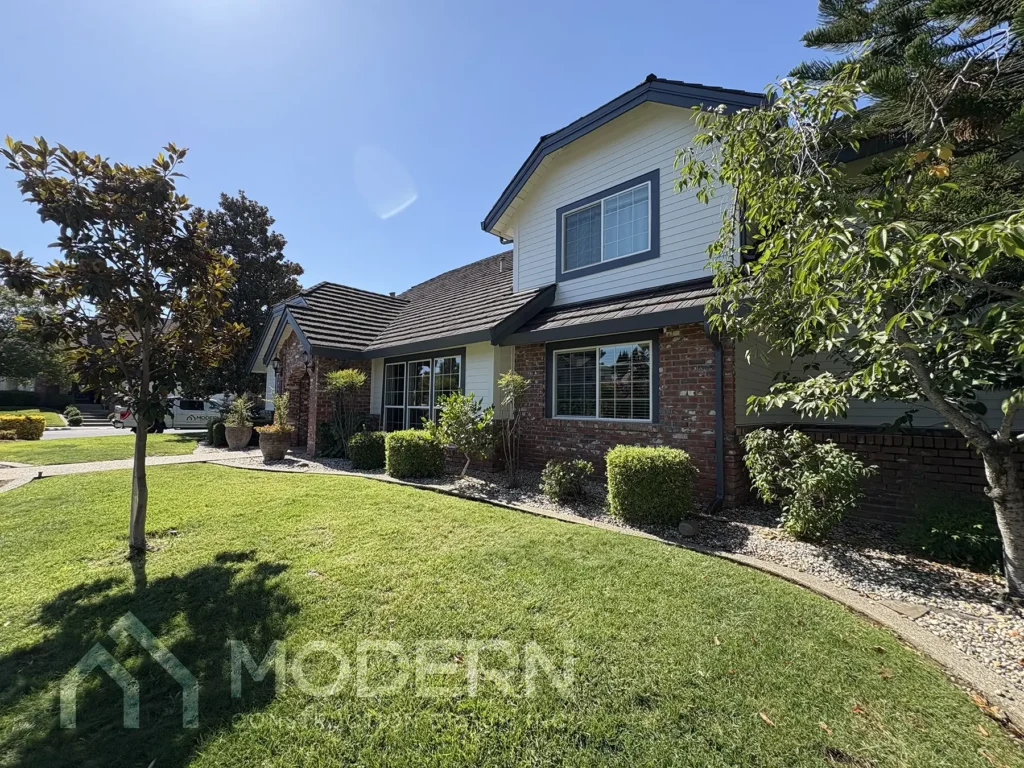
Red brick leans warm, which is why greige, taupe, warm white, and deep green sit comfortably beside it. Cool gray stone supports the gray and blue families. Mortar matters more than people expect: a wide, pale joint lightens the whole wall. Hold your sample right against the masonry, not six feet away.
Windows, Gutters, Garage Doors, and the Front Door
Count all of these as fixed unless they’re part of the project. If you’re replacing windows or doors anyway, you gain real flexibility. We coordinate Anlin window and door replacement with new siding when both are in scope, so you set frame color and siding color palette together.
Landscaping and Neighborhood Context
Mature trees, exposed soil, and hardscape all cast color onto your walls. Choosing siding colors that reflect your natural surroundings is what makes an exterior feel like it belongs, so judge samples with those other design elements in the frame. In denser neighborhoods, modern neutrals with clean contrast improve curb appeal without clashing next door.
Choose an Exterior Color Palette That Fits Your Home’s Architectural Style
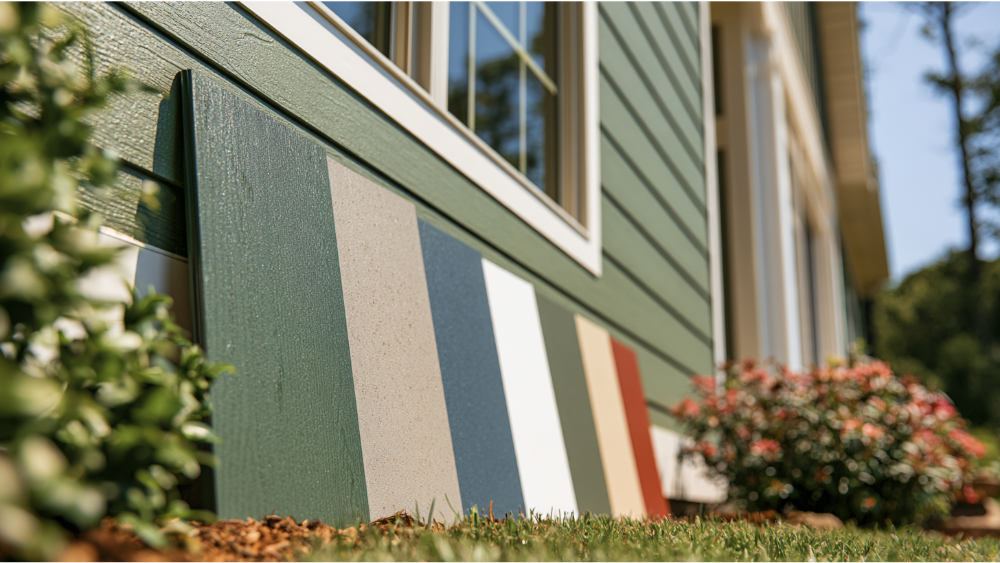
Siding should support the architecture, not compete with it. Most architectural styles carry a historical color palette that flatters their proportions, and starting there saves you from second-guessing later.
Colonial and Cape Cod
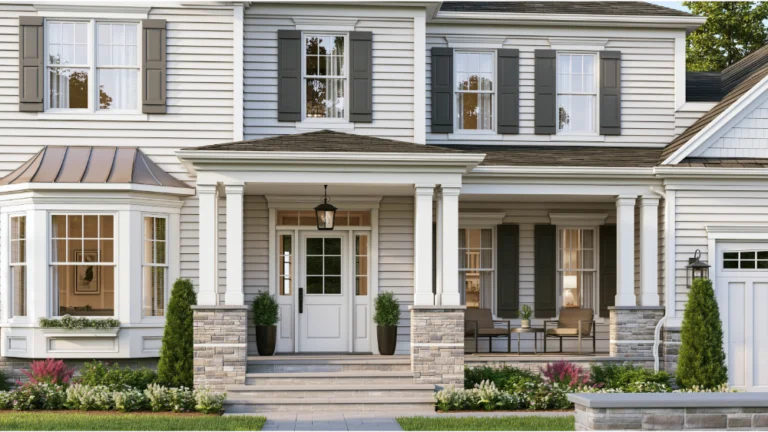
White, cream, muted blue, and soft light gray with crisp white trim and black shutters. One accent hue on the door is plenty.
Craftsman and Bungalow
Earth tones, sage and deeper greens, and warm browns paired with cream trim and natural wood.
Ranch and Split-Level
Warm neutrals and greige, often with a second color or a change in textures on the entry to break up long horizontal lines.
Modern Farmhouse
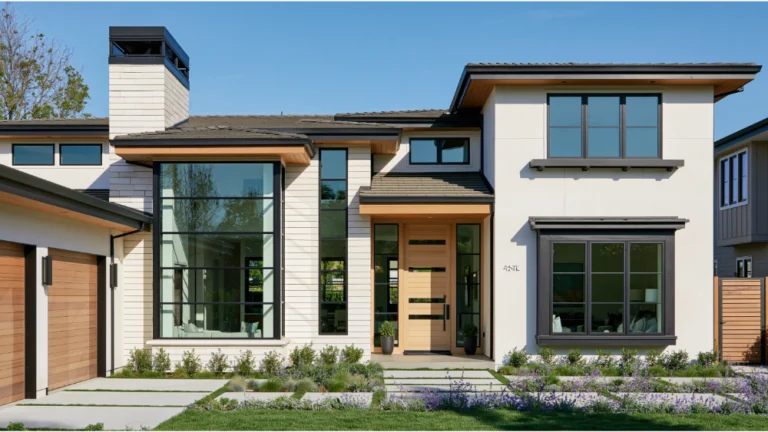
Arctic White or a soft warm white with black trim and windows, sometimes with a darker accent wing.
Contemporary and Tudor
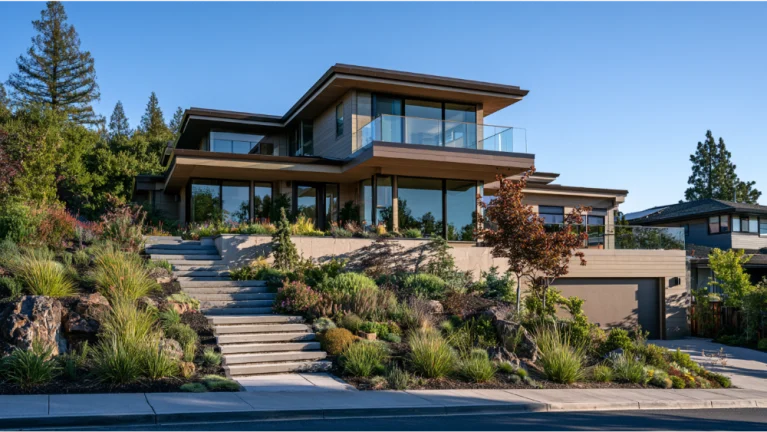
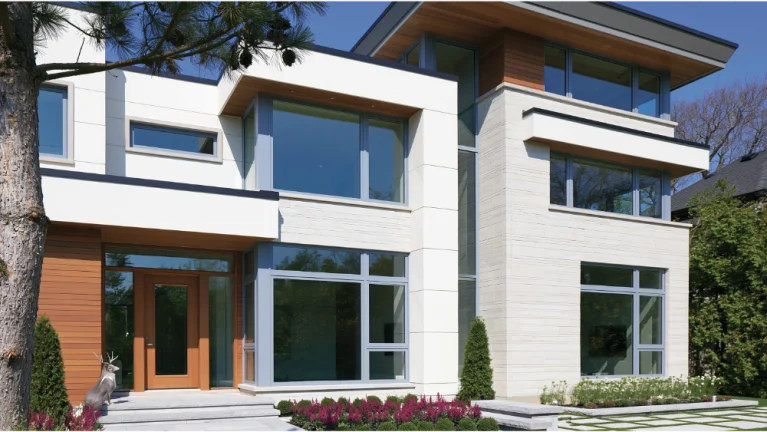
Contemporary homes take charcoal, near-black, and tone-on-tone palettes well. Tudor exteriors rely on contrast between light field colors and dark timber detailing.
Light Gray or Dark Siding: Which Is Better?
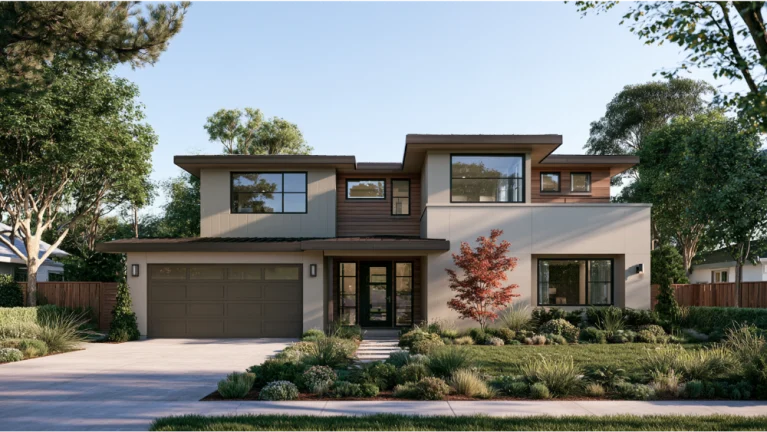
A light color like Arctic White makes a small home feel larger and a tight entry space feel more open. Darker colors like charcoal or navy emphasize massing and architectural lines, which suits homes with strong geometry.
On heat and fading, be careful with broad claims. Berkeley Lab’s cool-walls research measures solar reflectance, not visible color, and specialized pigments can make a dark finish more reflective than it looks. Reflective walls show the broadest benefit in ASHRAE climate zones 1 through 4, and the effect depends on insulation, orientation, and climate. ColorPlus® Technology is engineered to resist UV-related fading along with chipping, peeling, and cracking, though no finish is fade-proof.
- Small or shaded house: lean lighter.
- Strong rooflines and deep overhangs: dark rewards you.
- Full southern exposure with no shade: expect a dark wall to run warmer.
- Undecided: use a darker shade as an accent and a light gray or beige as the field.
How to Choose a Trim Color and Accent Colors
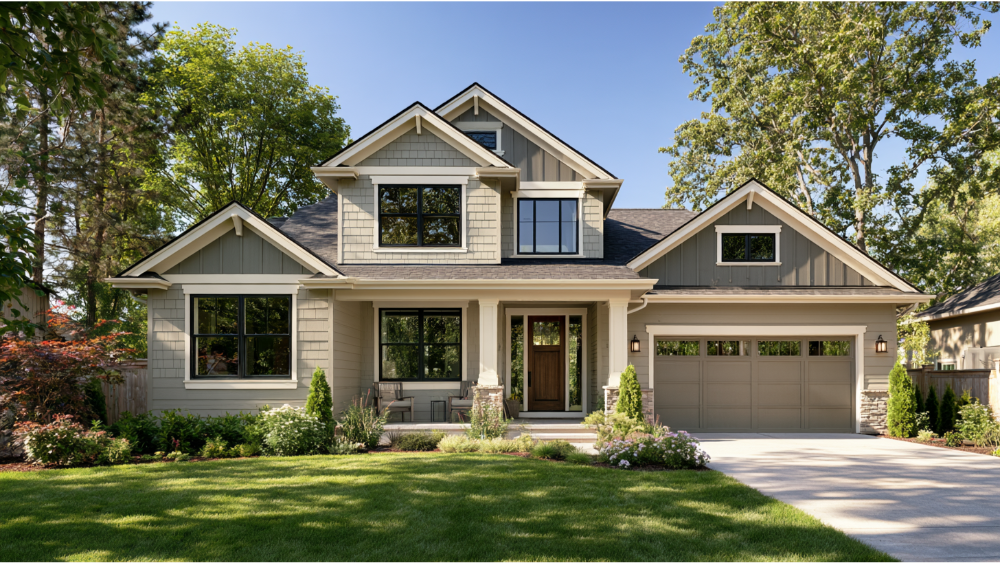
Pick your siding first, then choose complementary colors for trim and accents. Trim is what defines windows, rooflines, and architectural details.
High-Contrast Trim (White Trim on Dark Siding)
White trim against deep blue, gray, or green gives you a clean, graphic exterior. Reverse it, and a darker trim like black on Arctic White produces the crisp combination driving modern farmhouse design.
Tone-on-Tone for a Quieter, Modern Look
Trim within a shade or two of the siding reads calm and contemporary. It lets texture and form carry the façade instead of outlines.
One Restrained Accent Color (Door, Shutters, Gables)
Keep bold accents to a single element, usually the front door. Mixing siding profiles (lap, shingle, vertical siding) creates interest on gables or entries while your palette stays cohesive.
ColorPlus® Technology vs. Field-Painted Siding: Why the Finish Matters
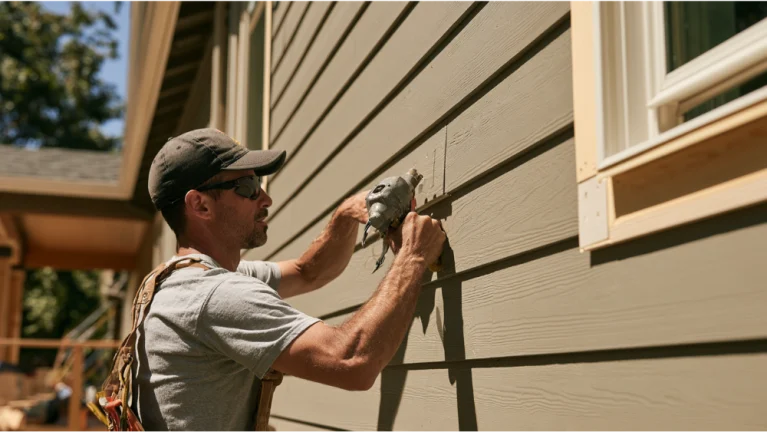
ColorPlus® Technology is a factory-applied, baked-on finish, cured between coats for consistency and adhesion. Primed siding painted on site can’t match that process; the coating sits on top of the board rather than bonded through a controlled cure. James Hardie backs ColorPlus® finishes with a 15-year limited finish warranty, separate from the 30-year non-prorated limited substrate warranty on the fiber cement itself, and separate again from our 15-year workmanship warranty. Review James Hardie’s current warranty terms for full coverage details.
Statement Collection® vs. Dream Collection®
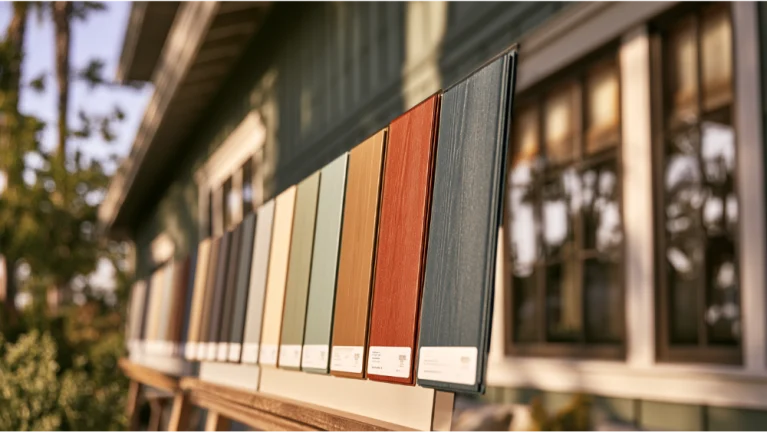
The Statement Collection® offers up to 19 curated colors, usually enough once your fixed elements have narrowed the field. The made-to-order Dream Collection® offers nearly 700 ColorPlus® finishes in the U.S. for homeowners chasing a very specific hue. Availability varies by product and region.
Can You Repaint It Later?
Yes. ColorPlus® siding can be repainted, but touch-ups and repainting should follow current manufacturer instructions, since alterations can affect finish-warranty coverage.
How to Test Siding Colors in Natural Light Before You Order
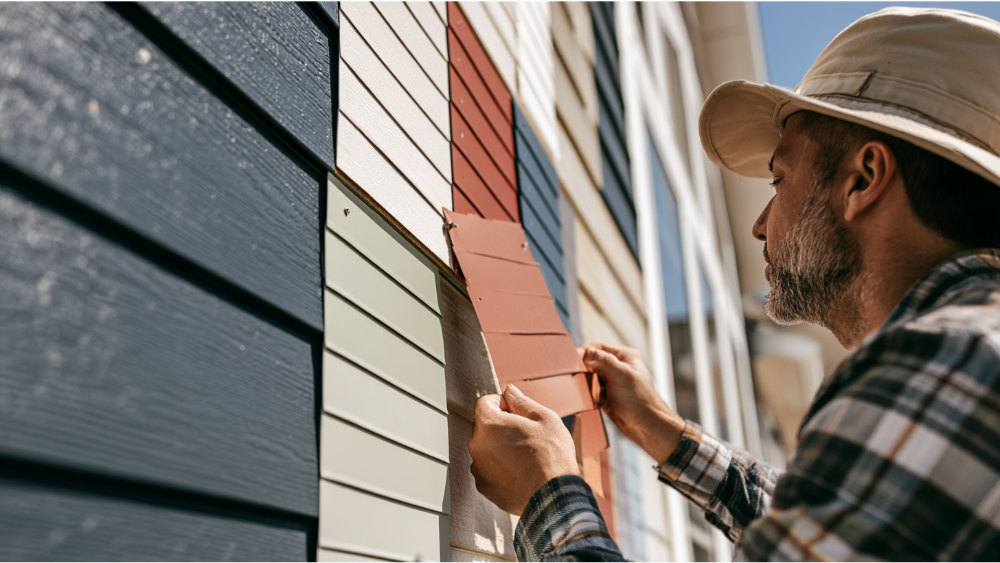
- Use the Hardie™ Designer visualizer with a photo of your home’s exterior to build a shortlist.
- Order physical samples in the correct profile and texture. James Hardie currently offers up to three free samples of select products (terms may change).
- Hold samples directly against the roof, brick, and stone, and check more than one elevation.
- View each finalist in direct sun and in shade, then again in morning and afternoon light.
- Step back to the curb and judge the whole façade, not the swatch. The best match still looks right from there.
- Confirm color availability by ZIP code, and check HOA or historic-district requirements before ordering. Those vary by community, so ask locally.
Color Is Only Part of a Lasting Exterior
A cohesive color palette on premium material, installed correctly, is what still looks right in 20 years. Color has nothing to do with how the substrate performs: Hardie® fiber cement complies with ASTM E136 as noncombustible cladding and ASTM E84 for surface-burning characteristics, though applied coatings can still char in direct flame. That fire resistance comes from the fiber cement, not the shade you pick, which matters for homeowners in WUI areas.
We’re a family-owned company, a James Hardie Alliance Select Contractor and Anlin Authorized Dealer, with Gary Chernyetsky personally overseeing project work. Licensed, bonded, and insured under California General Building License #1092104.
Get Your Free Estimate Today
Bring us your roof, your brick, and your vision for the exterior. We’ll get physical samples onto your actual walls so you can see them in real light before anything is ordered. Get Your Free Estimate Today or call Modern Construction Group at (916) 699-7070. Financing is available. You can also Learn More About Siding.
Frequently Asked Questions
What is the most popular siding color?
James Hardie reports Arctic White as its most popular siding color in North America, followed by Iron Gray, Cobble Stone, Aged Pewter, and Pearl Gray. That’s manufacturer data, not a ranking across all brands.
What siding color is popular in 2026?
Iron Gray is James Hardie’s 2026 Color of the Year, a deep neutral that works as a main color or an accent. Gray shades broadly continue to trend, along with warm neutrals like Cobble Stone.
What siding colors go with a gray roof?
Cool gray roofing supports light gray, charcoal, muted blue, and crisp white siding colors. If the roof has a warm or brownish cast, a greige or beige palette blends better than a true cool gray.
Should siding be lighter or darker than the roof?
Either works. Undertone matters more, so match warm roofing with warm siding families and cool with cool, then decide contrast.
Is it better to have light or dark siding?
Light siding makes a smaller home feel larger and stays cooler in direct sun. Darker siding emphasizes architectural lines. Your exposure, house size, and style should decide it.
Which siding colors are the most timeless?
Warm white, beige, greige, light gray, and muted navy have stayed in favor for decades because they read classic rather than current. They also let you refresh the look later by changing a door or trim color instead of the whole exterior.