Key Takeaway
For energy efficient windows in California, look for NFRC-certified products with a U-factor of 0.27 or lower and an SHGC of 0.23 or lower, especially in hot inland zones like Sacramento’s Climate Zone 12. Title 24 compliance and certified installation are required, not optional. The right combination of Low-E glass, insulated dual-pane units, and quality installation delivers real comfort and lower energy bills.
If you’re planning a long-term upgrade to your home’s exterior, here’s the short answer: for a California home, look for NFRC-certified windows with a low U-factor, a low SHGC for hot inland areas, tight air-leakage performance, and documented compliance with the current California Energy Code (Title 24) for your climate zone. Then make sure they’re installed by certified contractors. A U-factor around 0.30 or lower is a strong starting target for most California homeowners, and in the Sacramento valley, controlling solar heat matters just as much as insulation. Get those pieces right and you get real comfort, fewer drafts, and lower energy bills, not just a nice sales brochure.
Energy Efficient Windows: What to Look For in California Homes
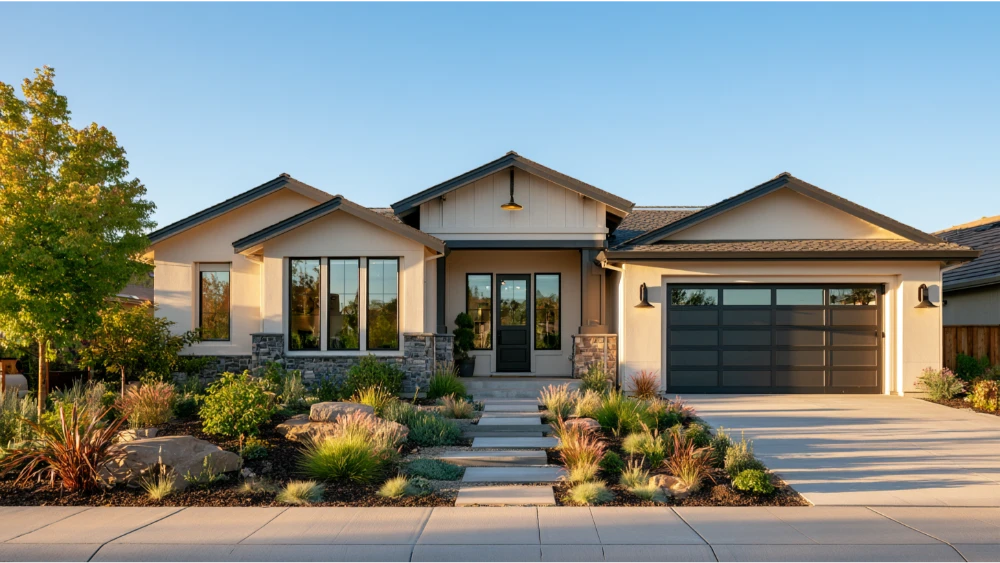
California doesn’t leave window performance to guesswork. The state’s Title 24 Energy Code sets minimum efficiency requirements, and the 2025 California Energy Code took effect January 1, 2026, applying to alterations like window replacement, not just new construction. California is also divided into 16 climate zones, and the right window changes depending on where you live. Not all windows are created equal, and a coastal home has different needs than a foothill home with wide temperature swings, which differs again from the valley floor. What works in Southern California, with its milder coastal stretches and hot desert interior, does not automatically work here. Sacramento sits in Climate Zone 12, where long, hot cooling seasons mean solar heat control is a priority. This is exactly the kind of detail generalist contractors overlook, and it’s why climate-specific knowledge matters. California also offers rebate programs from time to time, so check current utility offerings before you upgrade.
How to Read the NFRC Label
Every certified window carries an NFRC label, and it’s the neutral scorecard that lets you compare products fairly. Learn to read five numbers:
- U-factor measures insulation. Lower is better, because it means less heat transfer through the glass.
- SHGC (Solar Heat Gain Coefficient) measures how much solar heat comes through. Lower blocks more heat, which matters in hot climates.
- Visible Transmittance measures daylight. Higher means more natural light.
- Air Leakage measures drafts through the product. Lower is better.
- Condensation Resistance is scored from 0 to 100. Higher resists condensation better.
The right glass coatings also block most UV, which can cut fading of floors and furniture by up to 75%. That’s one of the comfort benefits you’ll notice for years with new energy efficient windows.
The Two Numbers Sacramento Homeowners Should Ask For: U-Factor and SHGC
If you remember only two numbers, make them U-factor and SHGC. U-factor tells you how much heat escapes in winter. SHGC tells you how much summer sun turns into indoor heat and higher cooling costs. Low-E glass reduces that solar heat gain significantly, which is why it matters so much in valley heat. These special coatings help your home stay cool without giving up daylight. For many larger replacement windows projects in Sacramento (Climate Zone 12), the prescriptive targets are U-factor ≤ 0.27 and SHGC ≤ 0.23. There’s a narrow exception: up to 75 square feet of vertical replacement fenestration may meet U ≤ 0.40 and SHGC ≤ 0.35, but treat that as a limited allowance, not the plan. Confirm your exact climate zone with the CEC climate-zone tool or your local building department. Glazed doors with 25% or more glass are evaluated like windows too.
ENERGY STAR Certified vs. Title 24: They Are Not the Same
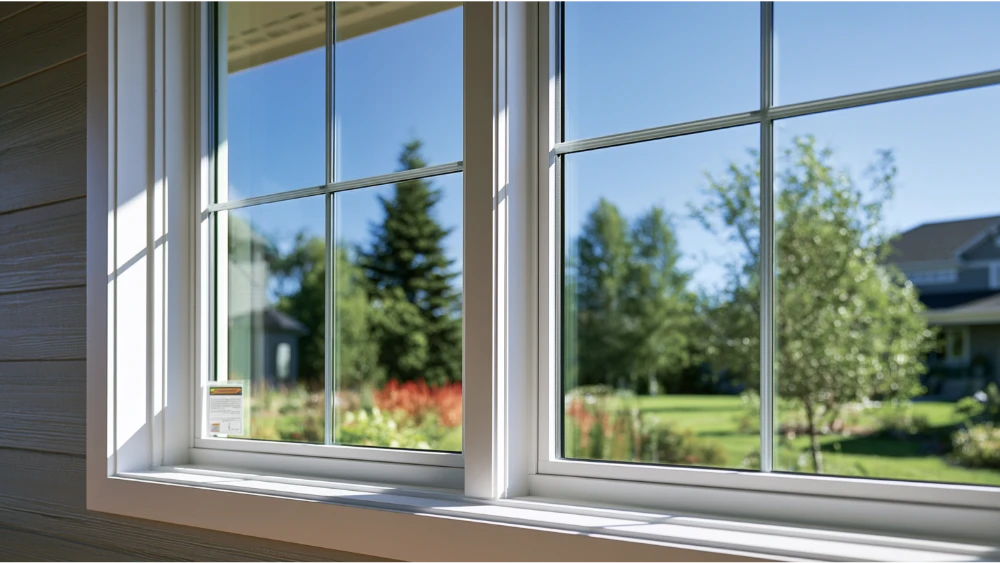
This is the most common point of confusion for most people shopping for new windows. ENERGY STAR is a national certification, using national climate zones, with the current specification effective October 23, 2023. Title 24 is California code compliance, using the state’s own CEC climate zones. A window can be ENERGY STAR certified for one region and still need verification for your specific project and local code path. So don’t assume an ENERGY STAR sticker automatically satisfies California requirements. It’s a useful signal, and ENERGY STAR notes that replacing your current windows can trim heating and cooling energy bills by up to 13% nationwide on average, which also means less energy use and lower greenhouse gas emissions over the life of the home. Take that as general education, not a guaranteed figure for your home.
Glass and Frame Key Features That Actually Improve Energy Efficiency
The NFRC numbers come from the parts you can’t always see. Low-E coatings (including Low-E3) reflect heat while letting visible light through, so you keep the daylight and lose the unwanted heat. Modern windows with dual-pane insulated glass are the baseline for real performance, and gas fills like argon between the panes improve insulation further. Compared with old single pane windows, the difference in energy savings and comfort is dramatic. Warm-edge spacers and quality frame materials also matter, since vinyl, fiberglass, and composite frames insulate far better than aluminum. Tight seals keep cold drafts out and help you save on energy costs. Triple-pane windows offer the highest insulation, but a well-built dual-pane window with strong Low-E performance handles most Northern California needs. Anlin’s California-engineered Low-E3 glass is a good example of this balance in practice.
Energy Efficiency Is Only as Good as the Installation
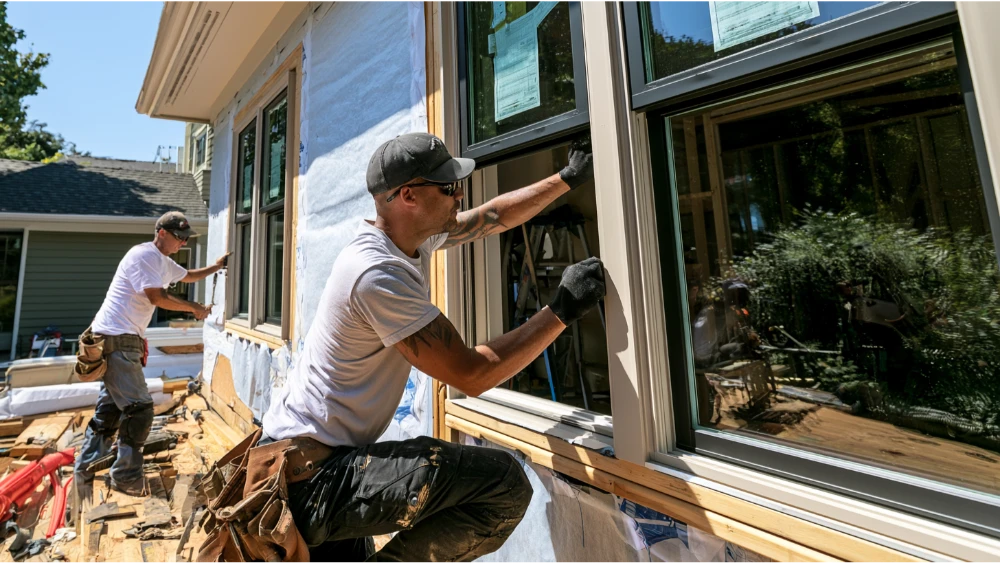
The best-rated window will underperform if it’s installed poorly. ENERGY STAR stresses following the manufacturer’s installation instructions, and some warranties are voided outright if certified installation isn’t used. Proper flashing, sealing, and a precise fit are what actually stop air leaks, reduce heat loss, and keep your HVAC system from working overtime, which is where the real energy savings come from. It also keeps dust and cool air where they belong. This is where certified installers earn their keep. As an Anlin Authorized Dealer with certified installation and a 15-year workmanship warranty, Modern Construction Group builds accountability into every project. We’re family-owned, and Gary Chernyetsky stays hands-on with quality because our name is on the result.
What to Ask Before Signing a Window Replacement Agreement
A good contractor will answer these in writing without hesitation:
- What is the exact U-factor and SHGC for each window, and can you put it in the contract?
- Is the product NFRC certified?
- Is it ENERGY STAR certified for the correct climate zone?
- Does it meet California Energy Code requirements for my project and zone?
- Who handles permits and inspections?
- What installation method is used?
- What product warranty and workmanship warranty apply?
ENERGY STAR specifically recommends writing the exact ratings into your agreement, so nothing gets swapped for a lesser product. The right contractors won’t flinch at these questions, and the answers help you weigh the factors and services that actually protect your budget.
Northern California Considerations: Heat, Noise, and WUI Fire Zones
Valley summers run long and hot, and the foothills bring sharper temperature swings. Windows that block the sun make daily comfort noticeably better and cut cooling costs during the worst of it, and quality dual-pane glass also reduces outside noise, which homeowners near busy roads tend to appreciate most. If your home sits in a WUI (Wildland-Urban Interface) area, there’s a separate consideration: CAL FIRE recommends double-pane tempered glass for wildfire-exposed homes and notes tempered glass is about four times more resistant to breaking in a wildfire. Keep these as distinct goals. An energy efficient home is more comfortable and cheaper to run, but new windows don’t make a house fireproof or guarantee any insurance benefit.
Why Modern Construction Group Recommends Anlin Windows and Doors
We’re a family-owned Northern California specialist, and we deliberately focus on two disciplines rather than dozens. Quality over quantity. For windows and doors, that means Anlin, and we’re a proud Anlin Authorized Dealer. Their California-engineered Low-E3 glass is built for exactly the valley heat and comfort demands homeowners here face, and it carries a lifetime warranty with accidental breakage coverage. Paired with our certified installation and 15-year workmanship warranty, it’s the right long-term choice to protect and enhance your most important investment, whether you’re upgrading current windows or finishing a new home. Financing is available if you’d like to spread the cost and put the money to work over time, easing the sting of rising energy bills while you build toward lower utility bills.
Ready to see what the right windows can do for your home and how much you might save? Get Your Free Estimate Today. Call (916) 699-7070.
Frequently Asked Questions
What should I look for in energy-efficient windows?
Look for an NFRC-certified window with a low U-factor, a low SHGC for hot inland zones, tight air-leakage performance, and documented Title 24 compliance for your climate zone, installed by certified contractors.
Is there a tax credit for energy-efficient windows in 2026?
The federal Section 25C window credit (30% of product cost, up to $600) applied to products installed between January 1, 2023, and December 31, 2025, and is not allowed for property placed in service after that date. Check current utility programs like SMUD, and verify details before you buy.
What is the cheapest time of year to replace windows?
Pricing varies with style, size, and season, so we don’t quote seasonal deals. Planning ahead and scheduling during quieter periods can help you manage costs. Request a free estimate for your specific project.
What is considered a good energy rating for windows?
A U-factor around 0.30 or lower is a solid general benchmark. For larger replacement projects in Sacramento (Climate Zone 12), aim for U-factor ≤ 0.27 and SHGC ≤ 0.23.