Key Takeaway
Engineered wood siding is more dimensionally stable and lower-maintenance than solid wood siding, but both are combustible, finish-dependent materials requiring ongoing coatings and inspection. In this solid wood vs. engineered wood siding comparison, fiber cement stands out for Northern California homes in wildfire-prone areas, offering noncombustible options, a 30-year substrate warranty, and significantly less upkeep over decades.
Engineered wood siding is generally more stable and lower-maintenance than solid wood siding, but both are still wood-based siding options that need protective coatings, careful installation, and ongoing upkeep. Natural wood siding offers unmatched grain and character. Engineered wood siding trades some of that authenticity for better dimensional stability. If you’re a homeowner weighing a 10 to 30 year exterior decision, that tradeoff matters, and so does what happens after installation: fire exposure, moisture movement, and coating life. Below is an honest comparison of both wood siding materials, plus what changes for Northern California homes, especially those in wildfire-prone areas where fiber cement often becomes the stronger long-term choice.
Quick Comparison: Solid Wood vs Engineered Wood Siding vs Fiber Cement
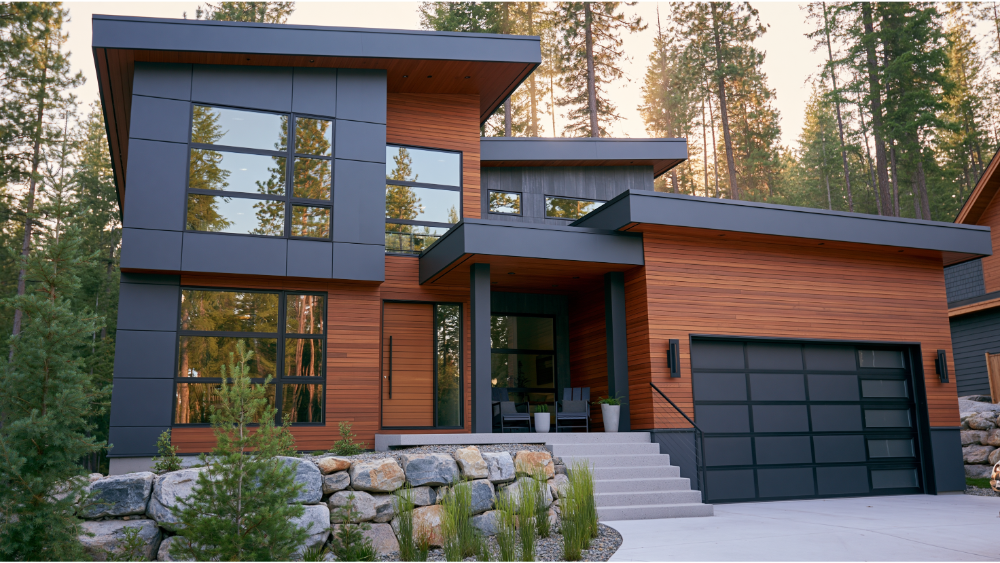
Here’s how the three most common wood-look siding options stack up across the concerns that actually shape a long-term decision. Fiber cement is included openly, because for many Northern California homes it belongs in the conversation. We’ve left vinyl and composite siding out of the table because this comparison focuses on wood and its closest alternatives, though homeowners often cross-shop vinyl and composite siding too.
| Solid Hardwood | Engineered Wood | Fiber Cement | |
|---|---|---|---|
| What it is | Natural milled lumber | Wood fibers/strands + resins | Cement, sand, cellulose, water |
| Best feature | Authentic grain | More stable than raw wood | Fire and rot resistance |
| Main drawback | High maintenance | Still finish-dependent | Not natural wood |
| Maintenance | High | Moderate | Low |
| Moisture resistance | Low | Moderate | High |
| Pest resistance | Low | Treated, varies | Not a food source |
| Fire & WUI fit | Combustible | Combustible | Noncombustible options |
| Best-fit owner | Historic authenticity | Wood look, less movement | Long-term protection |
What Is Natural Wood Siding?
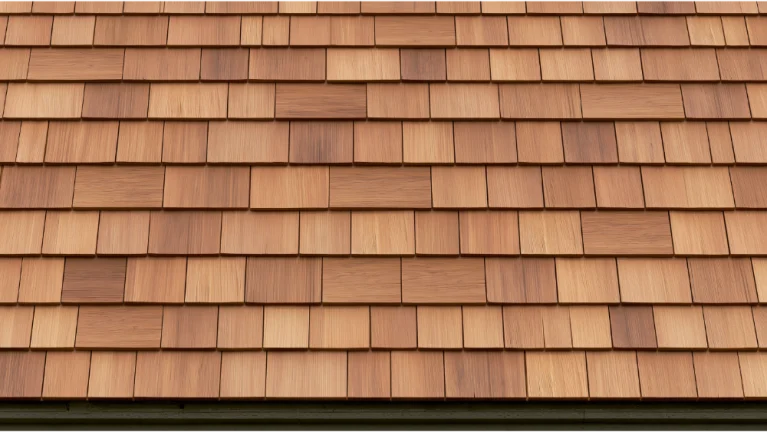
Natural wood siding is milled directly from trees, usually cedar, redwood, or pine. It comes as boards, clapboard, board and batten, shakes, or shingles. What draws people to solid hardwood is real: rich natural grain, and a traditional look that suits historic homes beautifully. At first glance, real wood feels like the obvious choice for authenticity.
The catch is that natural wood moves with moisture and temperature. The USDA Forest Products Laboratory notes that moisture accumulation and major moisture swings can cause checking, warping, paint failure, and rot. Left unsealed or neglected, solid wood can also split or attract wood-destroying insects. Untreated wood is especially vulnerable, and it needs regular maintenance including painting, staining, sealing, and inspection to stay sound. That upkeep drives the true long-term cost well beyond the price per square foot at purchase.
What Is Engineered Wood Siding and Composite Siding?
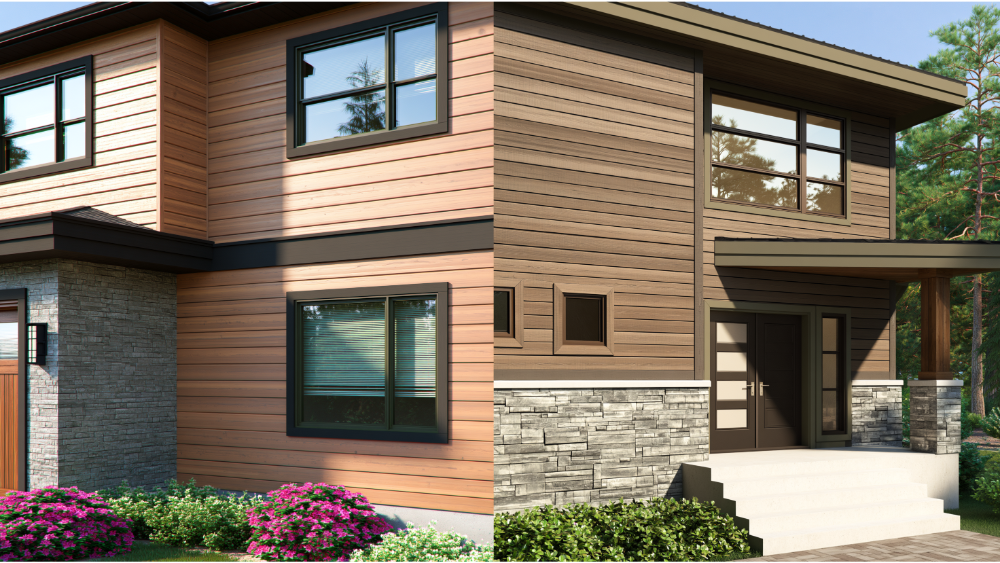
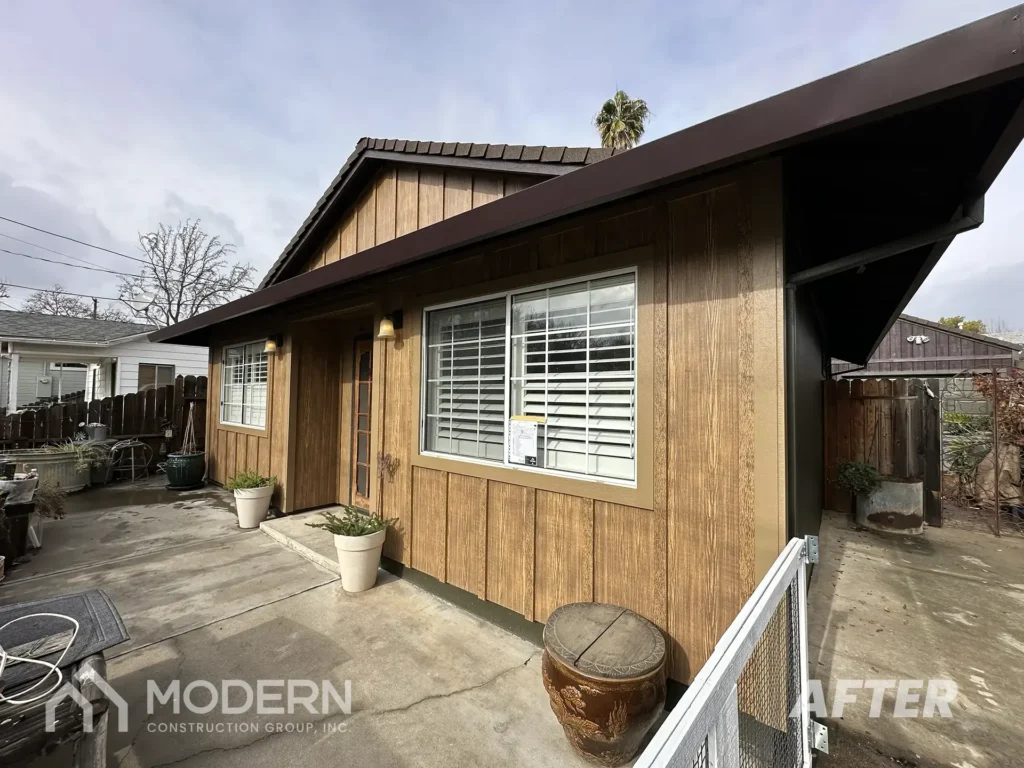
Engineered wood siding is a reconstituted, wood-based product. Wood strands or fibers are bound with resins and adhesives, often treated with something like zinc borate to resist rot and insects, then sold unprimed, factory primed, or fully prefinished. The result is more uniform and more impact-resistant than many solid hardwood options, with deeply embossed grain textures. It’s worth noting that engineered wood siding is a different animal from engineered hardwood flooring; the flooring uses a real hardwood veneer over a plywood core, while engineered wood siding is a strand or fiber composite made for the outside of a home. Products like LP SmartSide fall into this composite siding category.
It’s still wood-based and still finish-dependent. The Composite Panel Association describes engineered wood siding as treated for long-term weathering resistance when adequately protected by house paint. APA rates certain engineered wood products as structural products with known strength properties, with strands bonded under heat and pressure for decent durability. One important point: engineered wood varies widely by manufacturer, substrate, and treatment. One product does not represent all of them, so manufacturer instructions and tested assemblies matter.
Appearance: Which Looks More Like Real Wood?
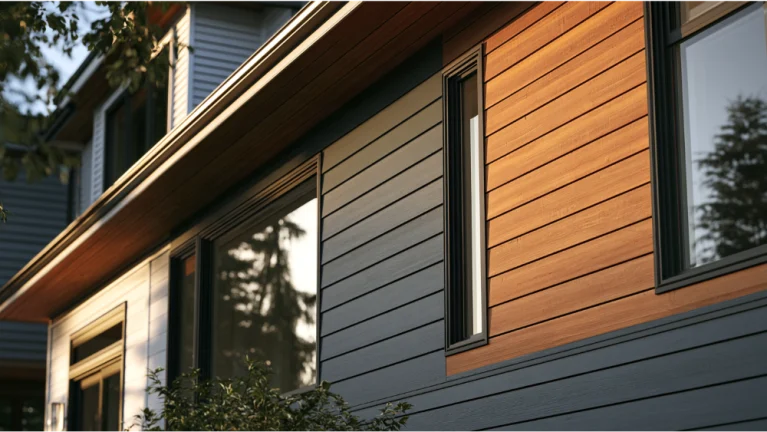
Solid wood wins on natural authenticity. If you want a stained finish that shows authentic wood grain, nothing imitates it perfectly. Engineered wood siding can look convincing, especially when painted, and it’s offered in lap siding and shake profiles that integrate with many architectural styles thanks to embossed grain textures. Some products even come in wider planks for a cleaner exterior look. Vinyl reads as the least convincing wood substitute of the common materials.
If your heart is set on stained natural wood, solid lumber is the more genuine choice. If you’re after a clean, painted exterior with lasting beauty, fiber cement delivers wood-look design with fewer wood-related weaknesses, something we’ll return to shortly.
Durability: Moisture, Movement, and Rot
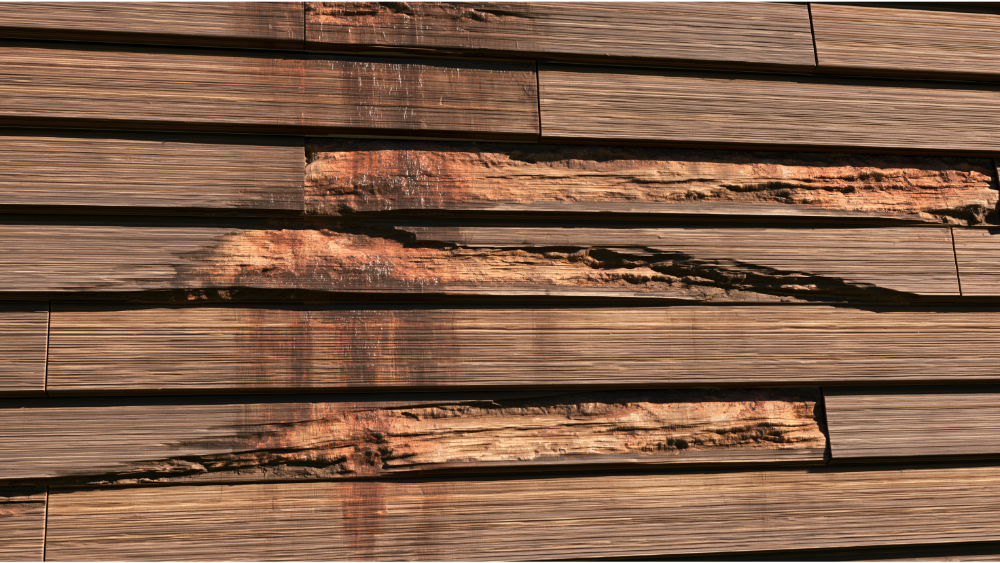
Solid wood absorbs moisture, which means swelling, movement, and eventually rot if water gets in and stays. Engineered wood siding offers better dimensional stability and is more impact resistant, but that water resistant performance still hinges on coatings, sealed edges, flashing, and correct installation. For maximum durability, APA emphasizes sealing cut edges during installation precisely because sudden moisture changes damage wood-based siding and invite fungal decay.
In Northern California, durability means handling valley heat and strong sun, winter rain, and the occasional snow load in foothill communities. No wood-based siding shrugs off those conditions on its own, whether it sits on a raised foundation or above a concrete slab. It performs as well as its finish and its installation allow.
Maintenance and Engineered Wood Siding Cost: The Real Long-Term Difference
This is where the two diverge most. Solid hardwood generally needs more upkeep: regular paint, stain, or seal, an annual inspection, and refinishing roughly every four to six years depending on the finish, per This Old House. Engineered wood siding eases some movement issues but still needs coatings and inspection, typically periodic repainting every seven to ten years. In high sun and moisture exposure, the Composite Panel Association says engineered wood may need refinishing as often as every three years, and it should happen before severe weathering starts.
Cost follows maintenance. Engineered wood siding cost is often more mid range than premium solid hardwood on materials, but the honest number is the sum of materials, labor costs, and decades of refinishing. A pre primed board reduces labor costs at the finishing stage and can be a cost effective way to shorten the timeline, since a factory finish means less field prep. Contractors price both by the square foot, and installation is a large share of the total on any siding project. A cheaper board that demands frequent repainting can cost more over 20 years than a more stable product installed correctly, and it can also affect resale value. Installation timing matters too. APA notes that weather can damage unprotected wood within four weeks of exposure, and preprimed products should generally be top-coated within 60 to 90 days. Neither option is maintenance-free. Both ask something of you for the life of the home.
Fire Resistance and WUI Areas: The Comparison Most Articles Miss
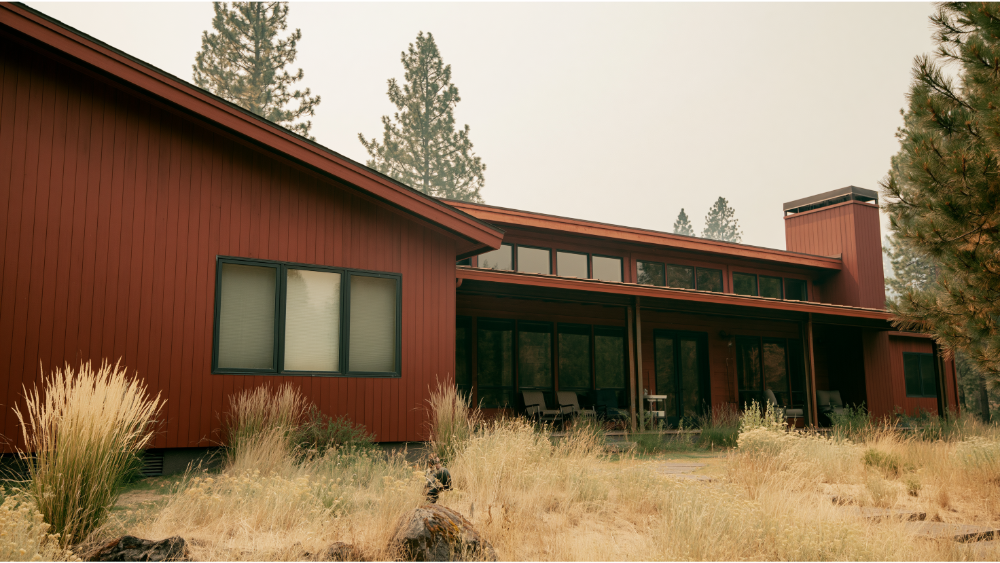
Both solid wood and engineered wood siding are combustible. That’s the honest starting point for fire safety, and it’s the piece most national comparisons skip. Some wood-based products or assemblies can be listed for use in Wildland-Urban Interface (WUI) areas, but those approvals are specific to tested assemblies, not the material in general.
It also helps to know that noncombustible and ignition-resistant are not the same thing. CAL FIRE’s home hardening guidance and the UC ANR Fire Network both recommend noncombustible or ignition-resistant materials in wildfire-prone settings. UC ANR lists fiber cement, metal, and traditional three-coat stucco as noncombustible siding, and notes that untreated combustible siding must pass SFM 12-7A-1 penetration-resistance requirements, which include a 10-minute flame exposure for exterior wall assemblies. Noncombustible is judged by tests like ASTM E136, which uses a vertical tube furnace at 750°C. The CAL FIRE/OSFM WUI Listed Products Handbook lists multiple fiber cement products, some classified as noncombustible under ASTM E136. If full siding replacement isn’t possible, CAL FIRE suggests noncombustible material for at least the bottom two feet from the ground, with metal flashing. No siding makes a home fireproof, but for WUI-focused projects, fiber cement is a clearer fit.
Pest and Insect Resistance
Solid wood can attract termites and other wood-destroying pests when moisture and exposure conditions favor them. Engineered wood siding is often treated for decay and insect resistance, though the specifics vary by product and manufacturer. Fiber cement simply doesn’t offer the same food source as wood-based siding, which removes that concern from the equation.
Why Proper Installation Matters More Than Homeowners Realize
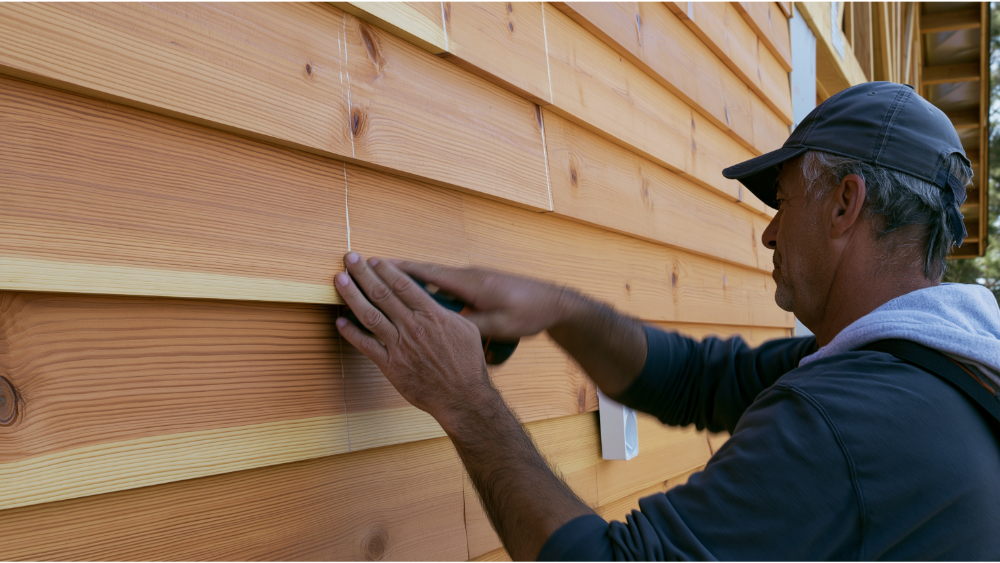
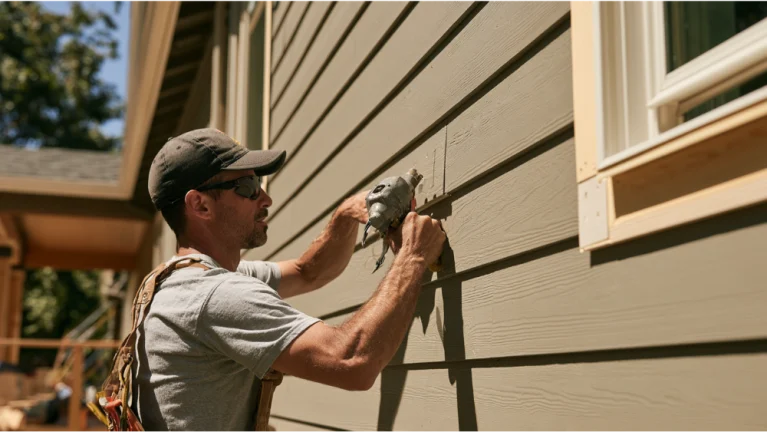
The best siding in the world will fail early if it’s installed poorly. Wood-based products can be cut and fitted with standard woodworking tools, which allows for easier installation, but they still depend on flashing, proper clearances, correct fasteners, sealed cut edges, careful caulking, and a sound water-resistive barrier behind the siding. Only when it is properly installed does a wood-based product perform to spec. APA is direct about it: seal all edges before installation, seal cut edges during installation, and top-coat within the recommended window.
Both solid and engineered wood siding can rot or swell within a few seasons when these details are skipped. This is exactly where certified installers and a real workmanship warranty earn their keep. Not all contractors follow manufacturer specs, and a material’s specs only hold up when the crew does.
What About Fiber Cement Siding vs Wood?
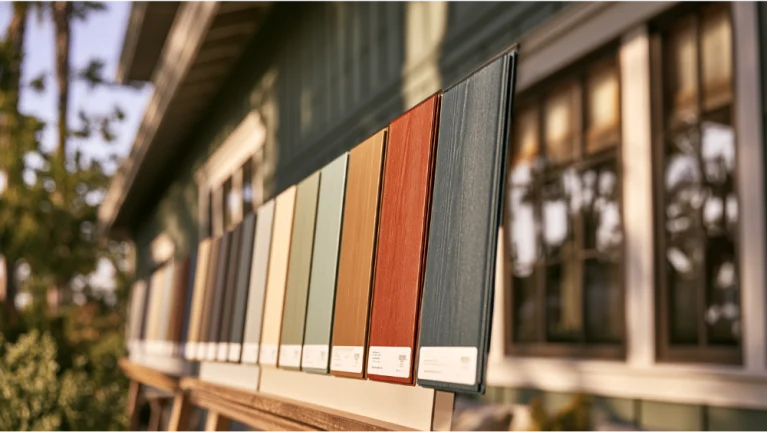
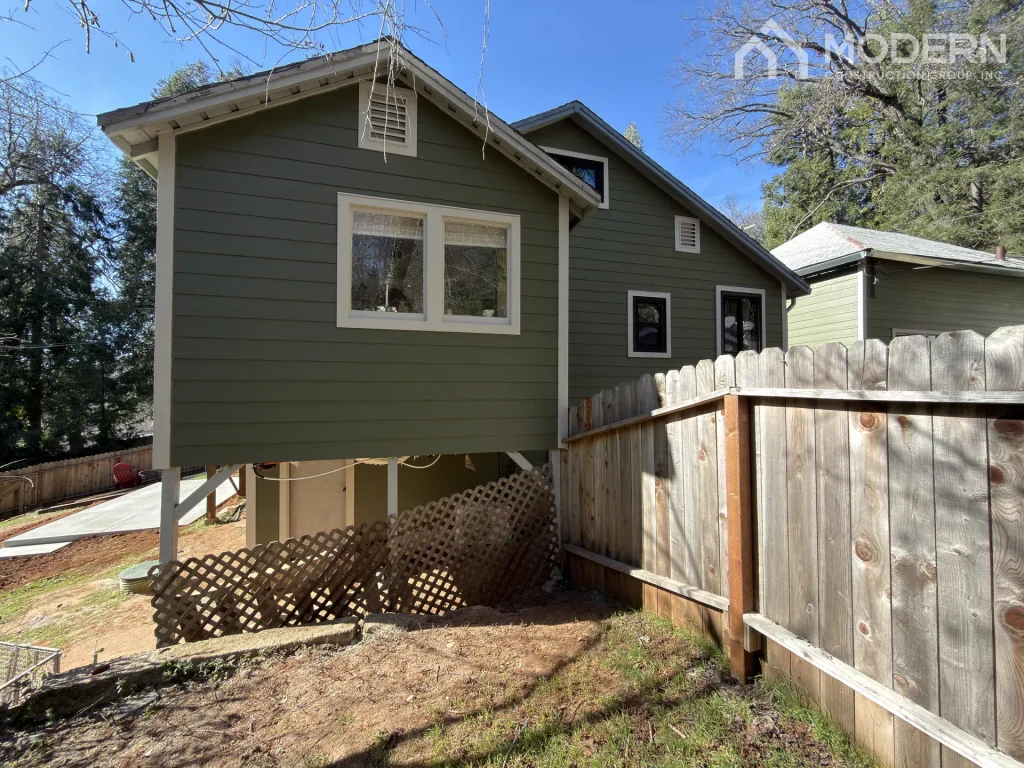
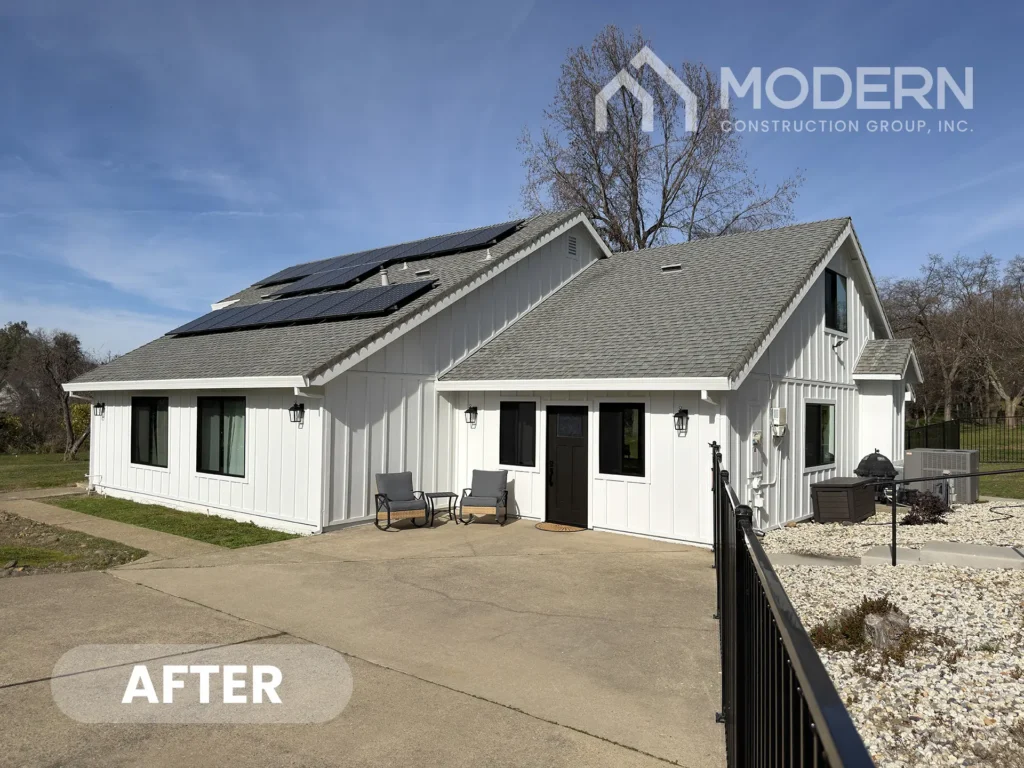
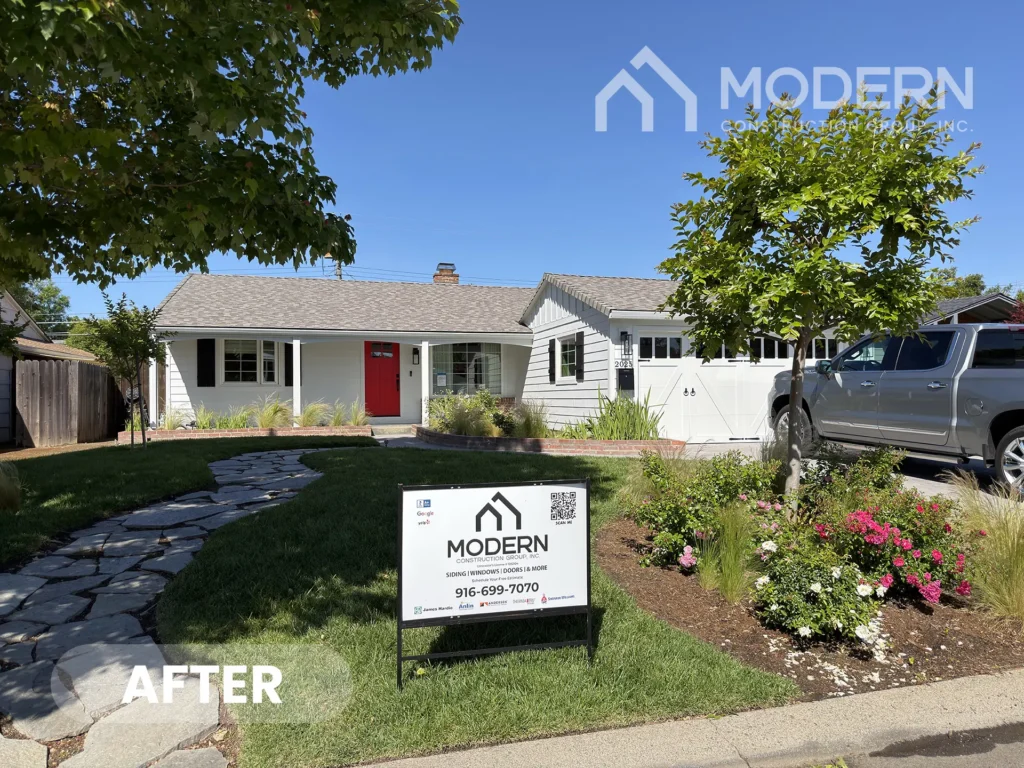
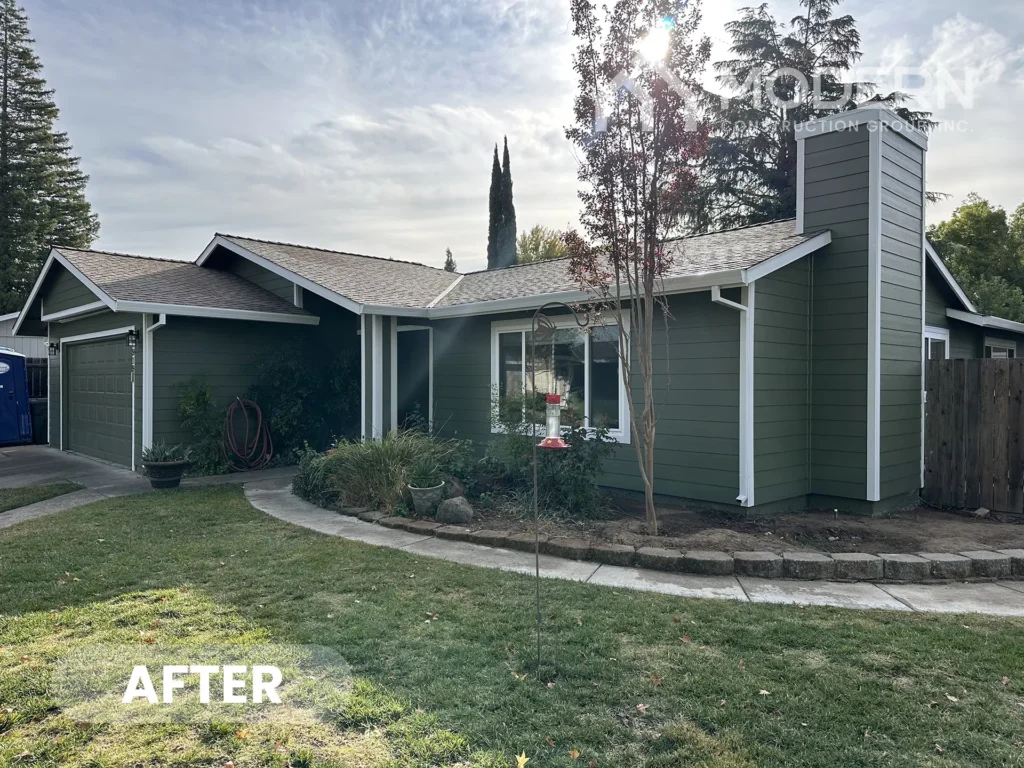
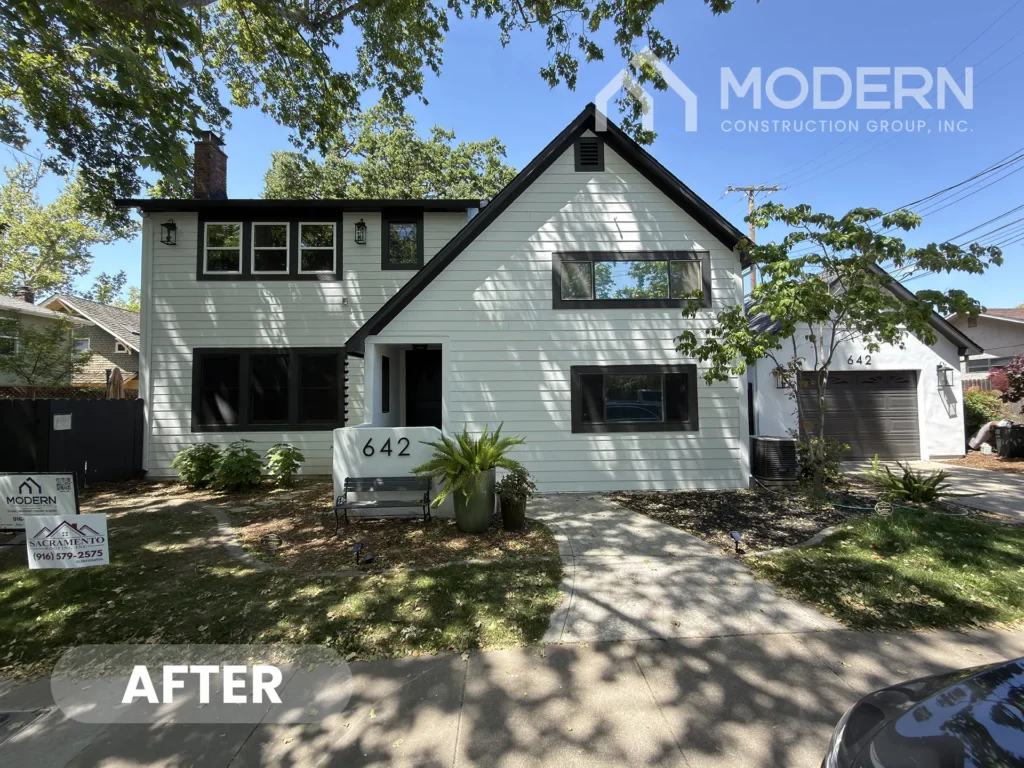
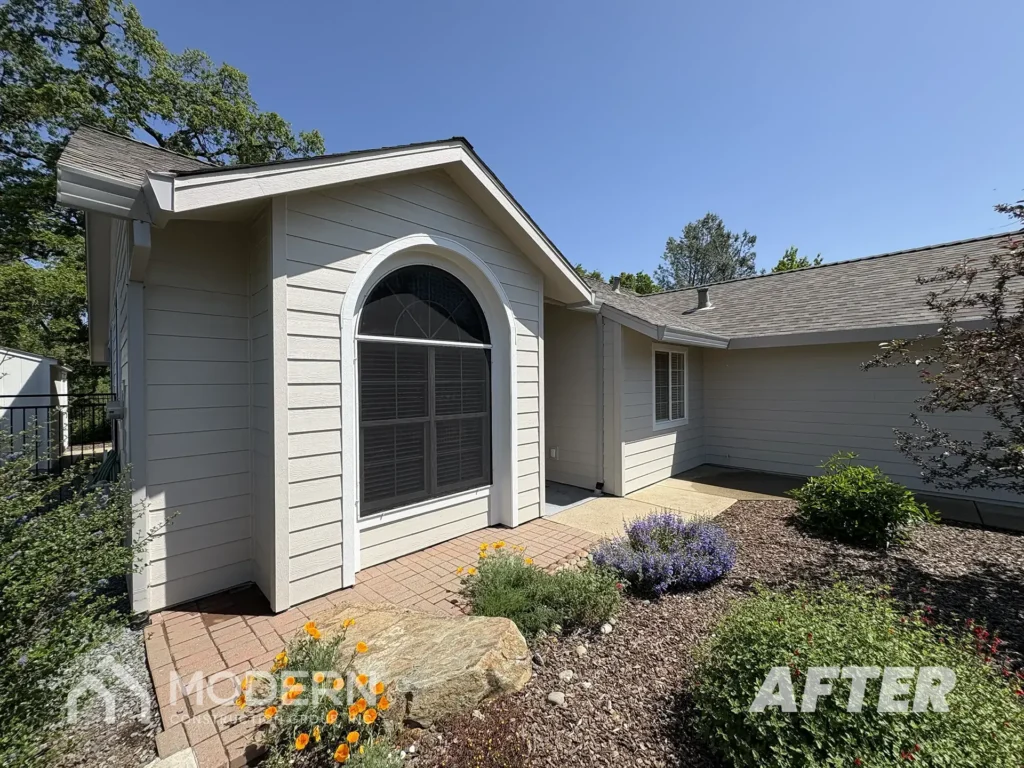
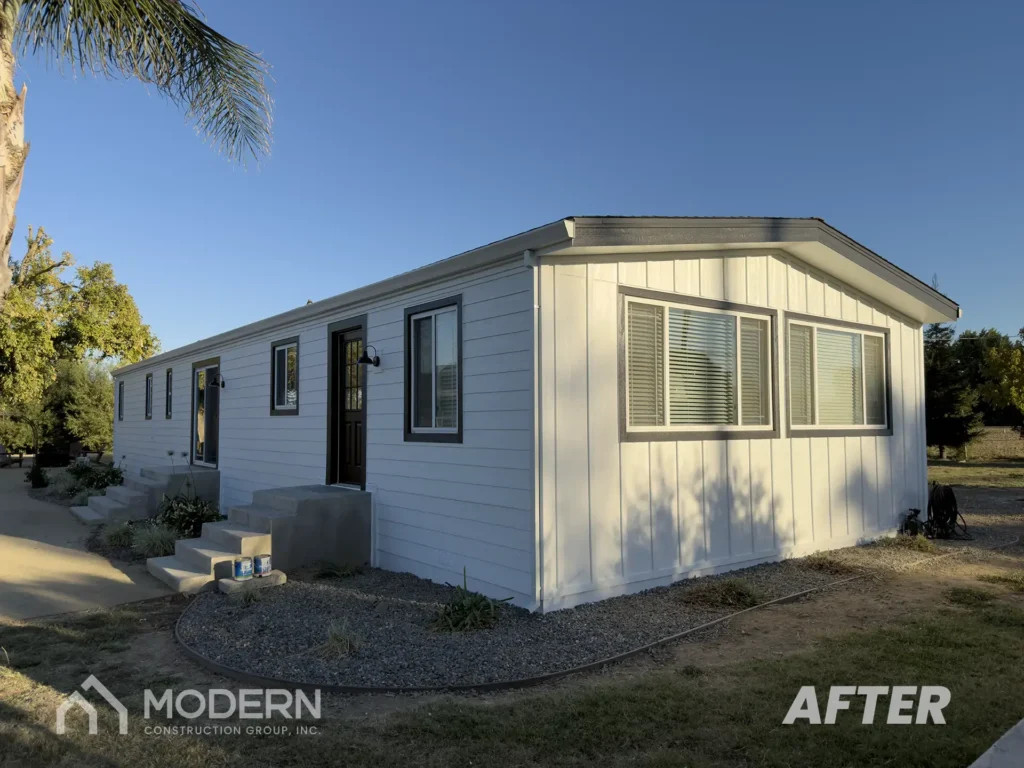
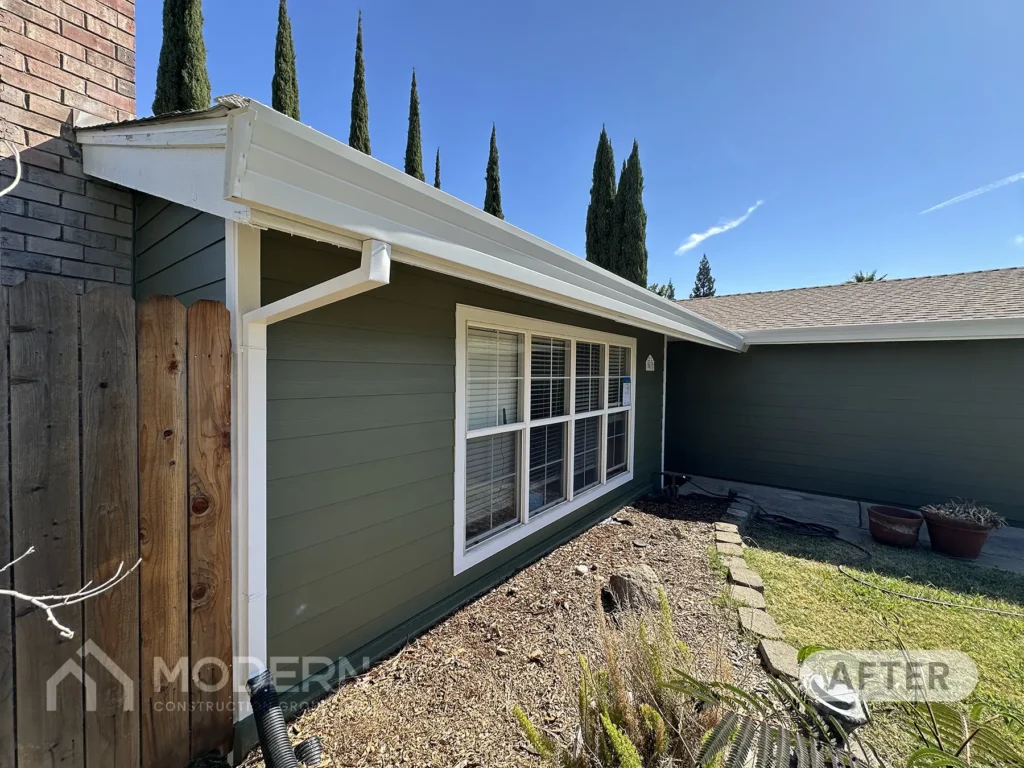
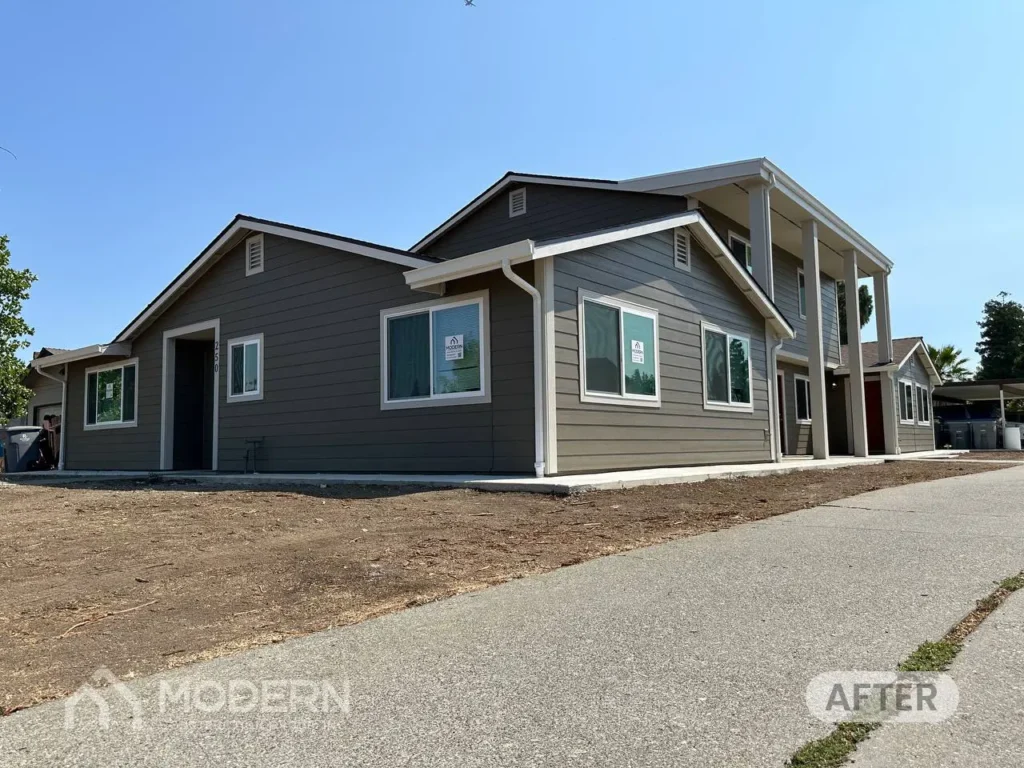
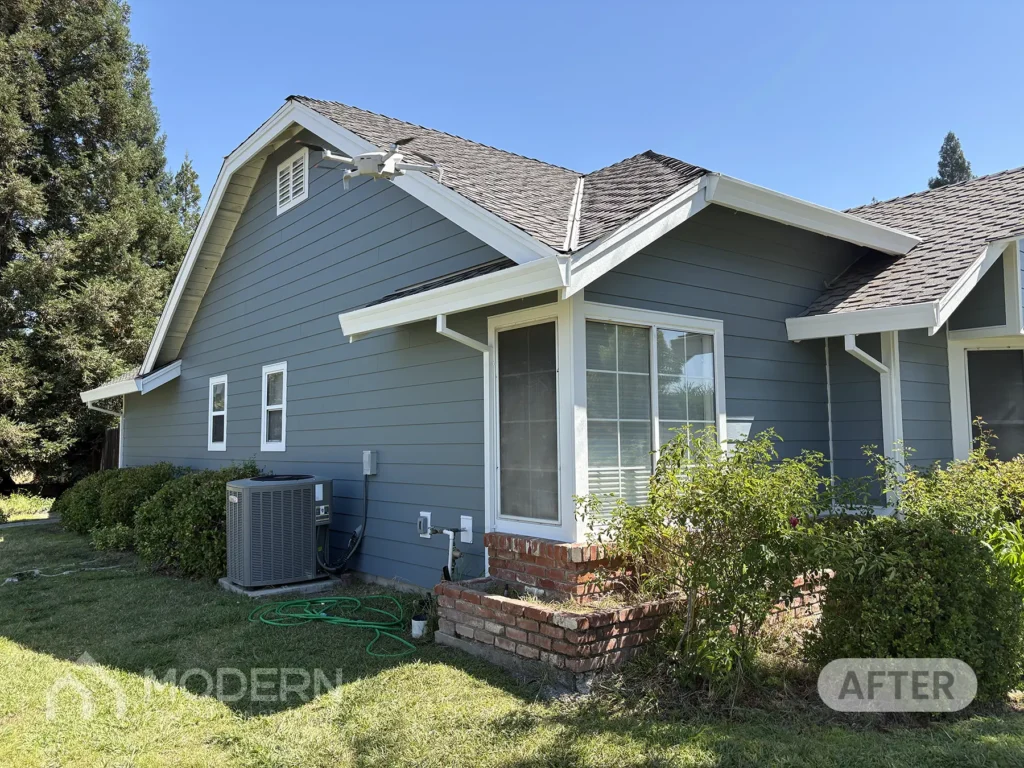
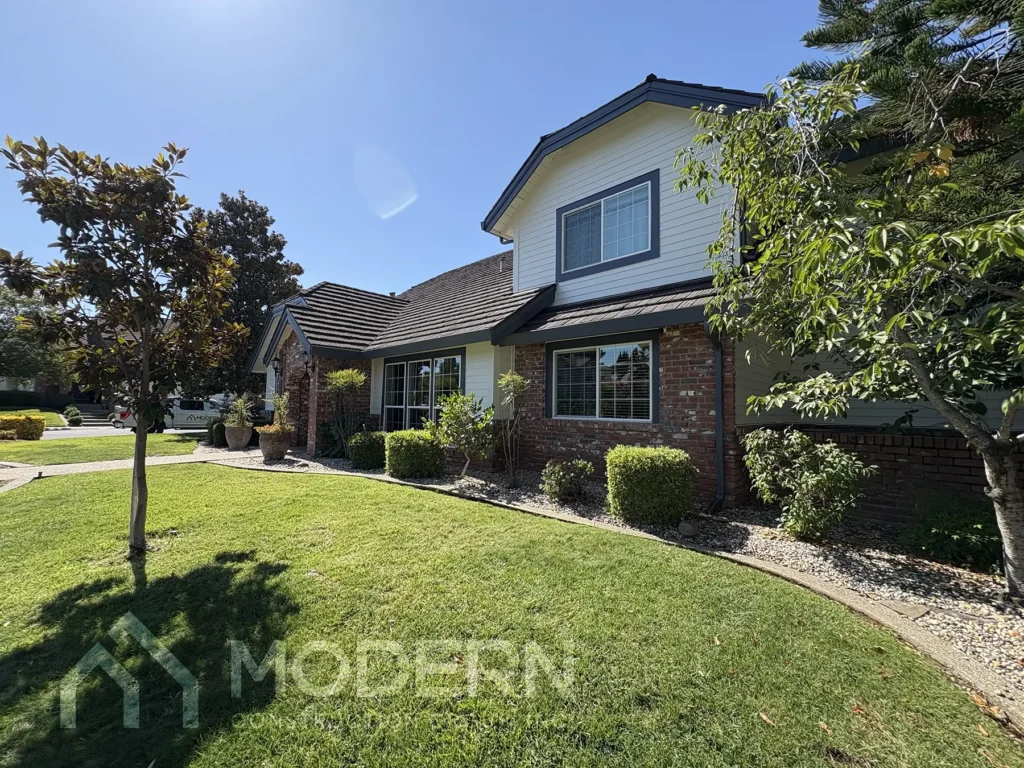
Fiber cement is neither solid nor engineered wood. When you compare fiber cement siding vs wood, the makeup is different at the core: James Hardie fiber cement is made from Portland cement, sand, cellulose fibers, and water. It offers wood-look profiles with stronger resistance to fire, pests, rot, and moisture-related movement, which is why we treat it as the gold standard for durability, beauty, and fire resistance.
Its ColorPlus® Technology finish is factory-applied and cured onto the boards, engineered for lasting beauty and fade resistance in high-UV conditions. This top layer also supports energy efficiency by holding up to sun without the constant refinishing wood demands. On warranties, James Hardie backs its siding, trim, and soffit with a transferable 30-year, non-prorated substrate limited warranty, and ColorPlus® finishes carry a 15-year limited warranty covering paint and labor against peeling, cracking, and chipping. For homeowners making a long-term investment, this is the practical premium recommendation.
Siding Options: Which Should You Choose?
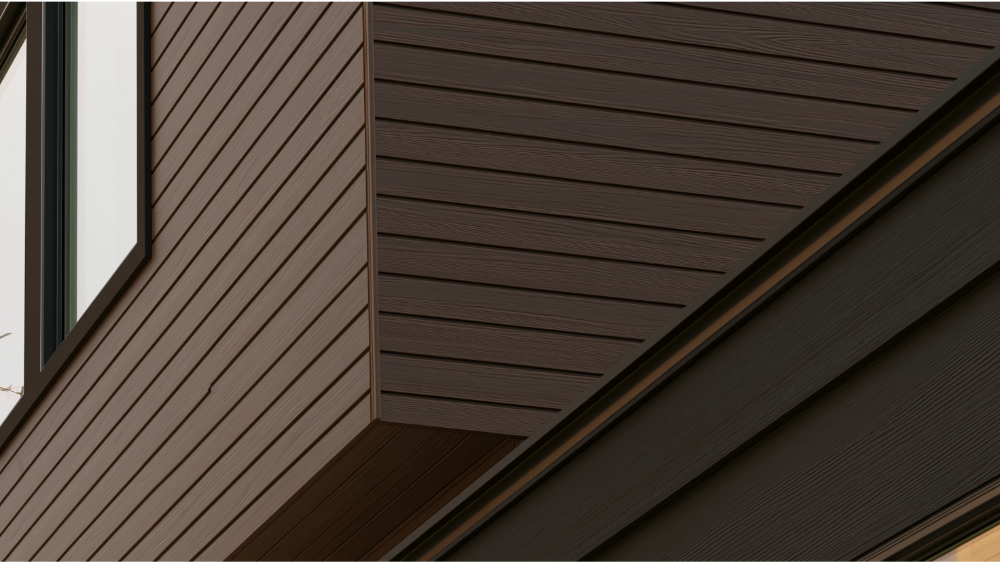
The right choice depends on your priorities across these siding options.
- Choose natural wood siding if historic authenticity or a stained solid hardwood grain is your top priority and you accept higher maintenance.
- Choose engineered wood siding if you want a wood based product with more uniformity and easier handling, while still taking on coating and moisture-management responsibilities.
- Choose James Hardie fiber cement if you want a durable exterior with lasting beauty, fire resistance, lower wood-related maintenance, and a better fit for Northern California’s climate-specific demands.
The Northern California Bottom Line
Sacramento-area homes deal with heat, heavy sun, and seasonal moisture, and many communities sit in or near WUI zones depending on location. California also reorganized its wildfire provisions in the 2025 code cycle, with the current Building Standards Code effective January 1, 2026. In the foothills and fire-prone areas, fire resistance should move ahead of aesthetics. For long-term protection, we recommend James Hardie fiber cement siding installed by certified Alliance Select installers who know these conditions.
Is engineered wood siding better than solid wood siding?
It’s generally more stable and lower-maintenance, and often more impact-resistant. But it’s still wood-based and finish-dependent, so it isn’t automatically better for every home or every climate.
Does engineered wood siding still need to be painted?
Yes. It relies on protective coatings and typically needs repainting every seven to ten years, and as often as every three years in high sun and moisture exposure.
Is engineered wood siding the same as engineered hardwood flooring?
No. Engineered hardwood flooring uses a hardwood veneer over a plywood core for interior floors, much like solid hardwood floors but with a thinner wood top. Solid wood floors and engineered wood siding are built for entirely different jobs, and siding is a strand or fiber composite built for exterior walls.
Can natural wood siding be used in WUI areas?
Sometimes, but only when the specific product or assembly meets California’s tested requirements. Approvals apply to tested assemblies, not to wood as a general category.
What siding looks like wood but is more fire resistant?
Fiber cement offers wood-look lap and shake profiles while being noncombustible in many listed products, making it a strong choice for fire-prone Northern California homes.
Get Expert Guidance Before You Choose
We’re a family-owned, James Hardie Alliance Select Contractor serving Northern California, with over 25 years of experience and a 15-year workmanship warranty behind every project. We’re licensed, bonded, and insured under California license #1092104, and financing is available. If you’d like an honest walkthrough of the right siding for your home and neighborhood, call (916) 699-7070 or Get Your Free Estimate Today.