Key Takeaway
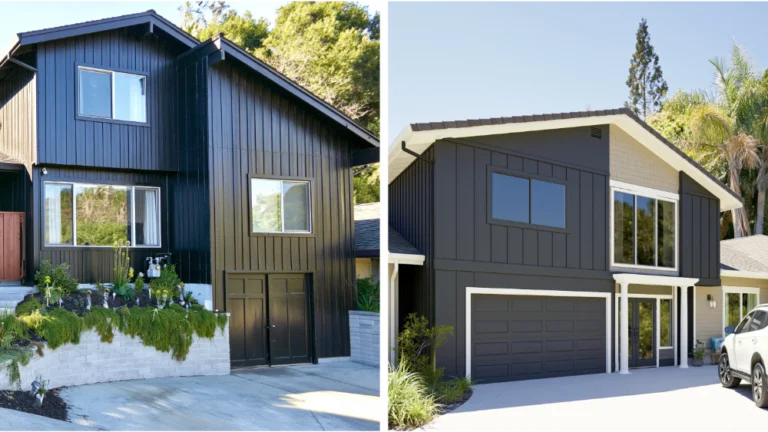
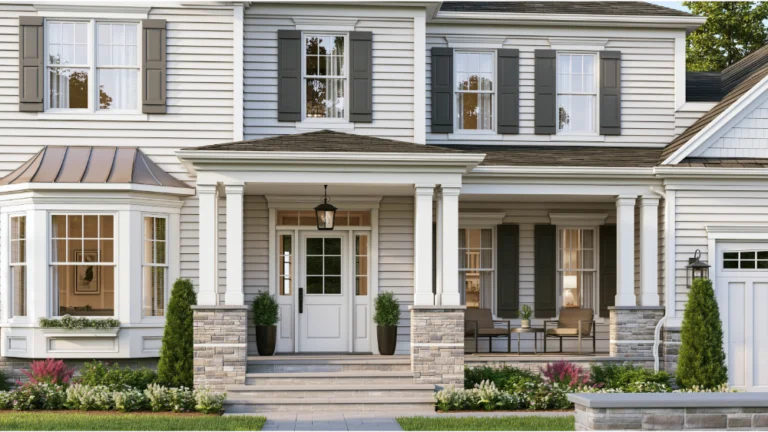
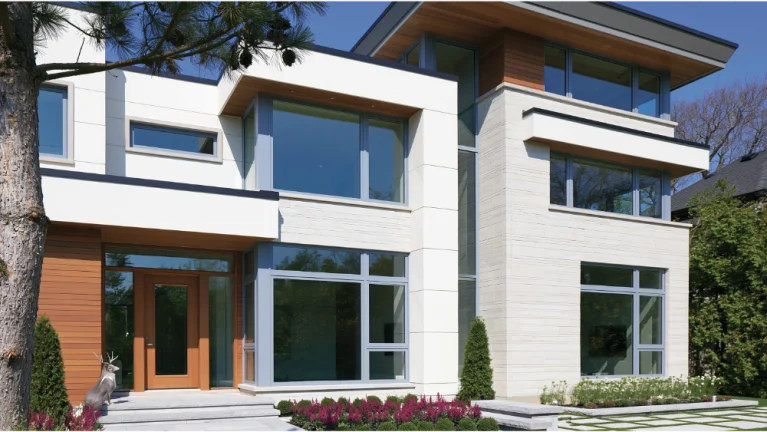
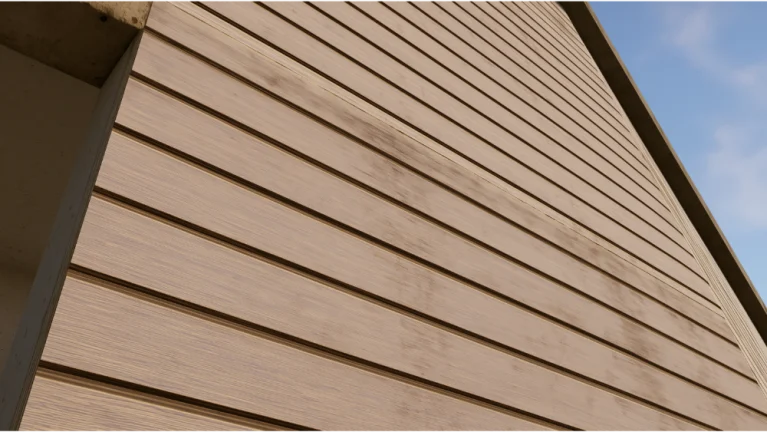
Shiplap siding is a rabbeted or lock-jointed board profile that creates a flat wall plane with a narrow, consistent channel between planks. It is a profile, not a single material, available in wood, composite, or fiber cement. For exterior use, fiber cement is the gold standard for durability, fire resistance, and low maintenance, and James Hardie Artisan Shiplap offers a 30-year non-prorated limited substrate warranty.
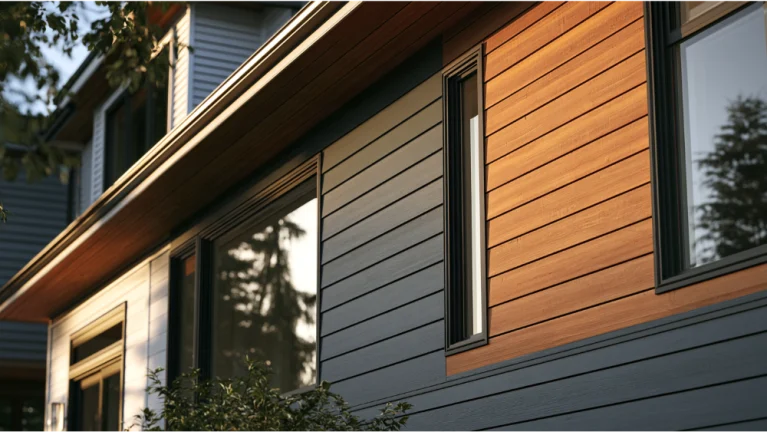
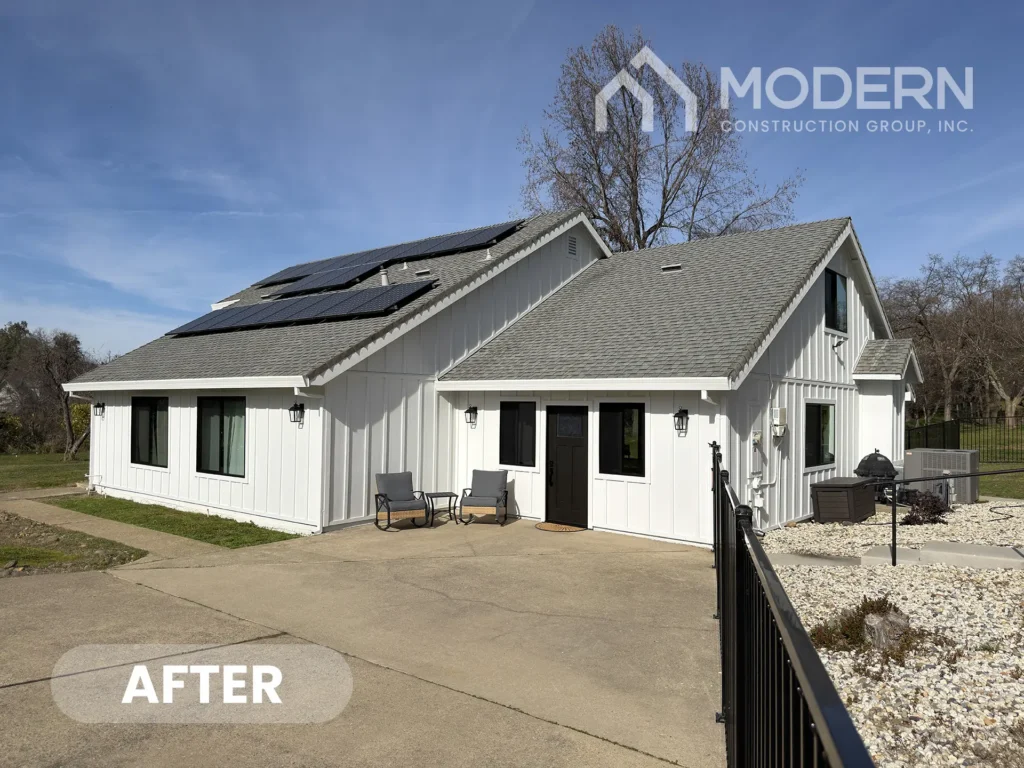
Shiplap siding is a cladding profile characterized by rabbeted or lock-jointed board edges that overlap, creating a flat wall plane with a narrow, consistent channel between boards. It is a profile, not a single material, which means shiplap can be constructed in wood, composite, or fiber cement. For exterior use, it has to be an exterior-rated product installed as part of a complete wall system with a water-resistive barrier, flashing, clearances, and manufacturer-specified fastening. If you’re planning a real exterior remodel, that distinction is the whole ballgame: the look is easy to get, and the performance is where projects succeed or fail.
What is shiplap siding?
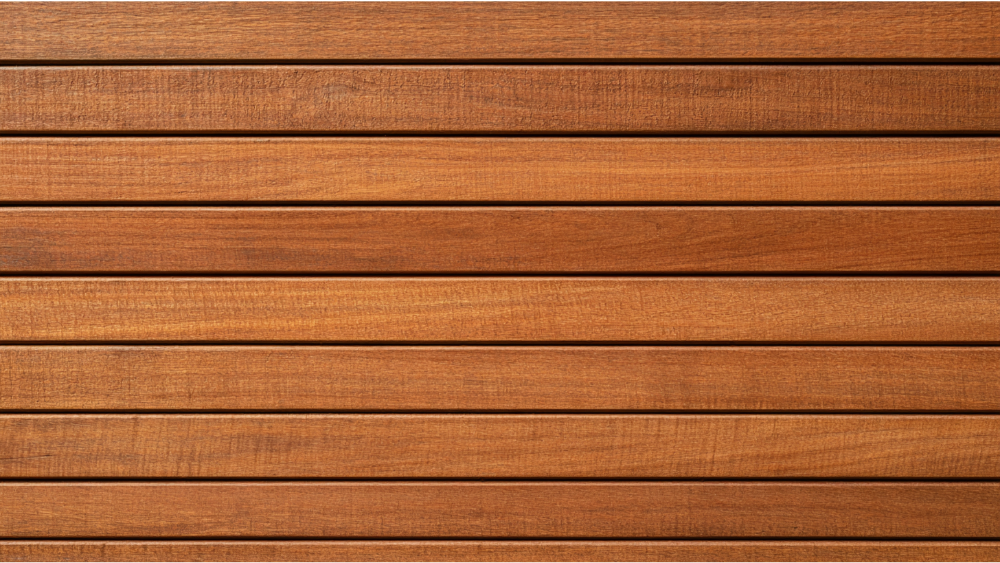
A true shiplap joint is an overlapping rabbet joint. Opposing notches are milled into each board edge so adjoining planks lap over one another and sit nearly flush, leaving a small, even gap where the edges meet. The word describes both the joint and the boards made with it.
Traditional wood shiplap boards typically run 4 to 8 inches wide, 8 feet or longer in length, with a nominal thickness around 1/2 inch to 1 inch. Those are common ranges, not rules, and manufactured products vary widely.
Nickel gap and the standard shiplap pattern
Standard shiplap leaves a narrow channel wherever the rabbets meet. The tighter version many suppliers sell as Nickel Gap holds gaps of roughly 3/16 to 3/8 inch between planks, and that more uniform shiplap pattern reads as cleaner across a long wall.
One thing most articles skip: a wall of square-edge boards spaced by hand is a shiplap look, not a shiplap joint. If the edges aren’t rabbeted or lock-jointed, you’re looking at an imitation of the pattern.
Is shiplap for exterior walls or interior ceilings and rooms?
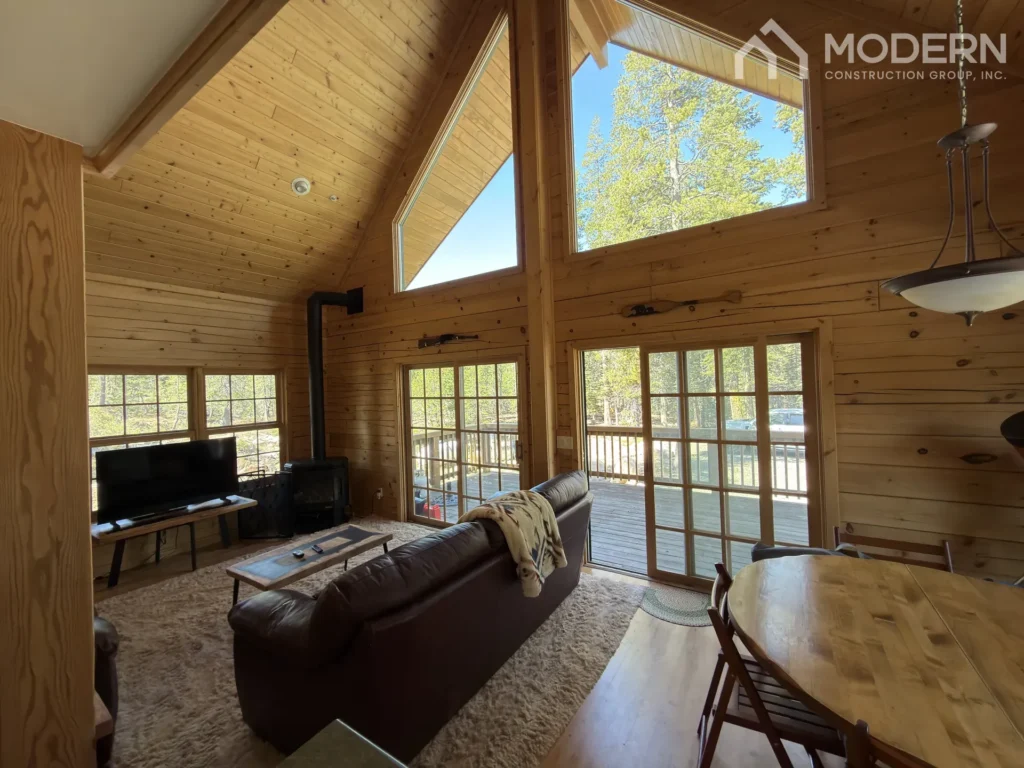
Both, and that’s the source of most of the confusion. Shiplap started as exterior cladding and sheathing on houses and barns, traditionally milled from hemlock, cedar, and fir. It later became one of the most recognizable interior looks in the country, used indoors on accent walls and ceilings for a rustic or coastal feel that designers reach for when they want visual warmth, often in pine, poplar, or MDF. Some decorative interior paneling is sold in hardwood species like teak or walnut for a single room or a small space.
None of that belongs outside. Thin decorative planks, MDF panels, and paneling sold by the sample for an interior project will not survive weather, humidity swings, and standing moisture on an exterior wall. Exterior shiplap is a different product, typically cedar, redwood, composite, or fiber cement. Everything below applies to exterior-rated products only.
Shiplap vs. lap siding vs. tongue-and-groove: what is the difference?
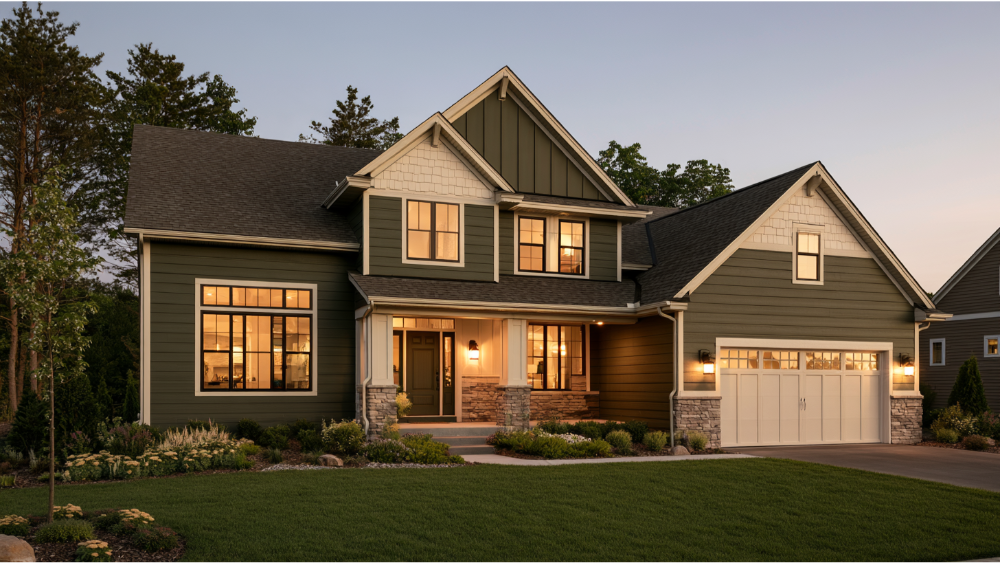
All three are joinery profiles that change how boards meet and how the finished wall reads. Shiplap boards overlap at rabbeted edges and sit nearly flush, and the profile is versatile in orientation, since many products can be mounted horizontally or vertically. Lap siding, also called clapboard or bevel siding, uses tapered or stepped courses that overlap in visible layers for water shedding. Tongue-and-groove boards have a projecting tongue that seats inside a groove on the next board.
| Profile | How boards join | Wall appearance | Shadow line | Typical orientation |
|---|---|---|---|---|
| Shiplap | Opposing rabbets or a lock joint | Flat plane | Narrow, uniform channel | Horizontal or vertical |
| Lap / clapboard / bevel | Tapered or stepped courses that overlap | Layered, stepped plane | Pronounced | Horizontal |
| Tongue-and-groove | Tongue seats into a groove | Tight, nearly seamless | Minimal reveal | Horizontal, vertical, or diagonal per product |
No profile is universally better. The real questions are what appearance you want on your home and what the manufacturer rates for exterior installation in your assembly.
Exterior shiplap materials: traditional wood vs. fiber cement
Traditional wood shiplap
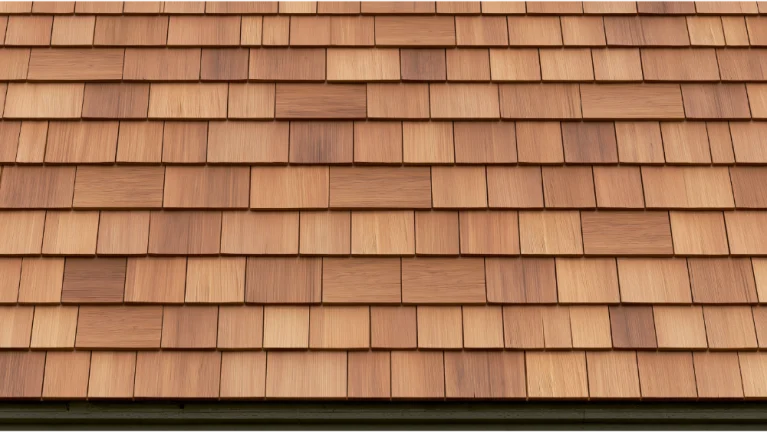
Cedar, redwood, and pine give you real wood grain and natural wood texture that’s hard to imitate. Wood siding also moves with moisture, expanding and contracting through the seasons. That means ongoing work: recoating, inspection, and protection against rot, insects, and sun exposure. Homeowners who genuinely enjoy maintaining a wood exterior often love the result. Homeowners who don’t usually regret it by year eight.
Fiber cement and composite shiplap
Composite planks blend wood fiber with polymer, commonly around 60% wood to 40% polymer, and some products use upcycled agricultural material such as rice hulls in production. They are lower maintenance than solid wood.
Fiber cement siding is the premium path and the gold standard for durability, beauty, and fire resistance. It resists moisture swelling, pests, and rot, and that weather resistance holds a straight, honest line across long walls, which matters a great deal on a flat profile like shiplap. We don’t offer budget alternatives, because premium materials are the right choice when you’re making a decision you want to live with for decades. Price is only one part of that decision, and the cost of doing the work twice is the part homeowners feel later.
Is shiplap siding waterproof on exterior walls?
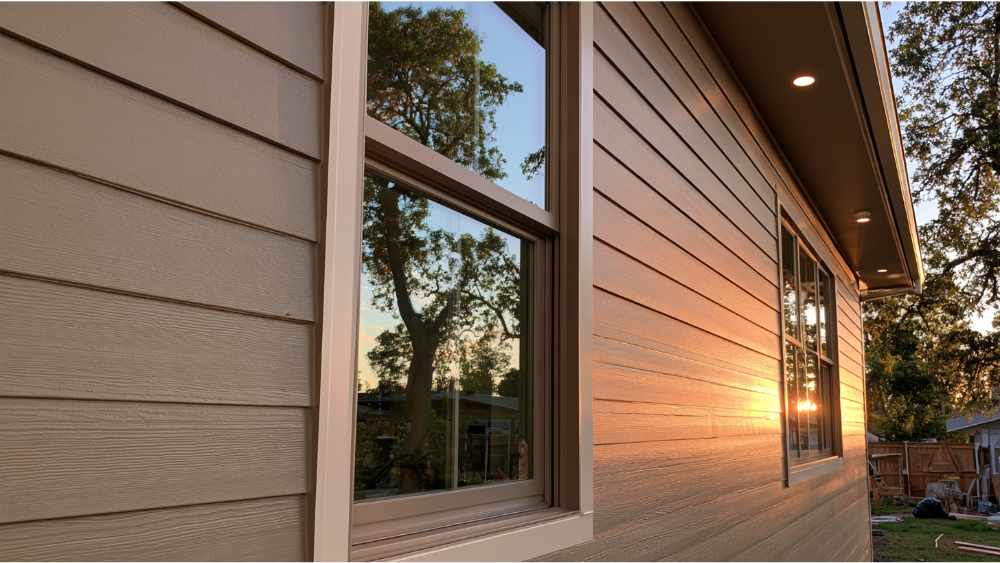
No. The overlapping planks are a shedding surface, not a waterproof layer, and the joint does not form a tight seal against wind-driven rain. Any page that tells you the rabbet waterproofs your wall is giving you half the picture.
Exterior walls manage water as a system. The cladding sheds the bulk of it. Behind the cladding, a water-resistive barrier acts as the drainage plane. Flashing at windows, doors, roof-to-wall intersections, attached decks, and projecting trim intercepts water and redirects it back out. The 2024 International Residential Code, Chapter 7, requires exterior walls to form a weather-resistant envelope with at least one qualifying water-resistive-barrier layer and a way to drain water that gets past the exterior covering. For No. 15 felt and specified ASTM E2556 barriers installed horizontally, upper layers must lap lower layers by at least 2 inches, with at least 6 inches at joints.
The IRC is a model code. Editions and amendments vary by jurisdiction, so confirm the requirements that apply where you live. Clearances at grade and correct treatment at every penetration matter just as much as the boards themselves.
How does shiplap perform in fire and WUI areas?
Wood shiplap is combustible. Fiber cement is not. James Hardie states that its siding complies with ASTM E136 as noncombustible cladding, while noting that applied paints and coatings can still char or be damaged when exposed to flame.
FEMA identifies fiber cement among the noncombustible, fire-resistant exterior cladding choices that can reduce fire spread and intrusion risk, and FEMA is clear that cladding is one part of a complete assembly. IBHS recommends keeping a noncombustible zone from 0 to 5 feet around the home, since nearby fuels expose siding to embers, flame, and radiant heat. That’s mitigation guidance, not universal law. No siding makes a home immune to wildfire. For homeowners in WUI areas anywhere in the country, choosing noncombustible cladding is one of the higher-leverage decisions available to you.
James Hardie Artisan Shiplap: current specifications
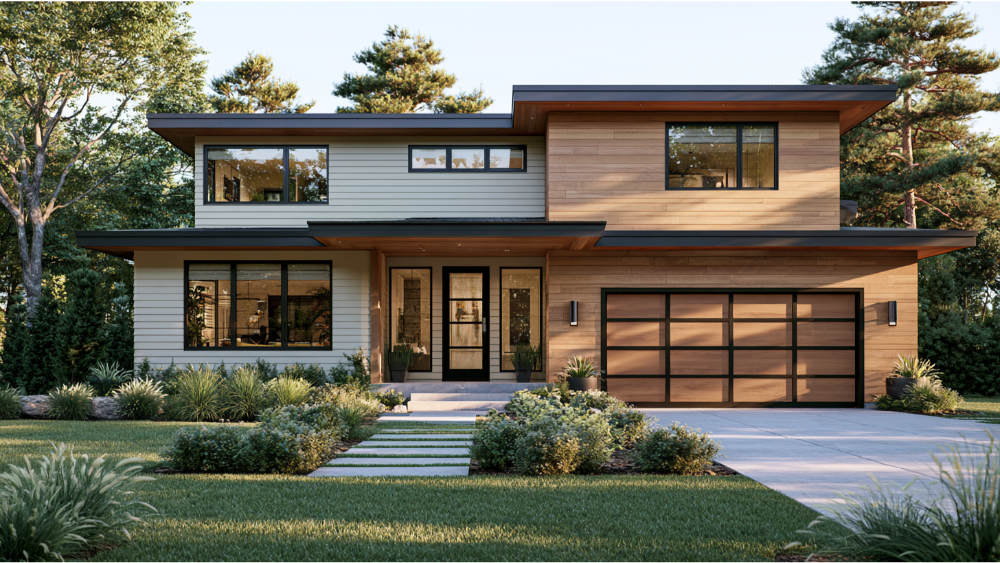
James Hardie’s current national product catalog lists Artisan Shiplap as:
- 5/8 in. thick
- 10.25 in. wide
- 9 in. exposure
- 12 ft long
- 0.15 in. channel
- Smooth texture, primed finish
- Flat-wall profile using a lock-joint system
James Hardie’s design guidance says its Artisan flat-wall profiles may be installed horizontally, vertically, or as soffit material. That versatility belongs to this product line and does not generalize to every shiplap product. Manufacturer instructions always control.
Hardie fiber cement products carry a 30-year non-prorated, transferable limited substrate warranty, with terms and exclusions. Note that the current catalog lists Artisan Shiplap with a primed finish, so it is not a ColorPlus® Technology product. ColorPlus® Technology is a separate James Hardie factory finish option with its own 15-year limited finish warranty, available on other profiles. Product selection and availability vary by market and should be confirmed during your free estimate.
Why expert installation decides how shiplap performs
Shiplap’s flat plane and repeating channel look simple. That’s exactly why poor work shows. A wavy course line or an inconsistent reveal is visible from the street.
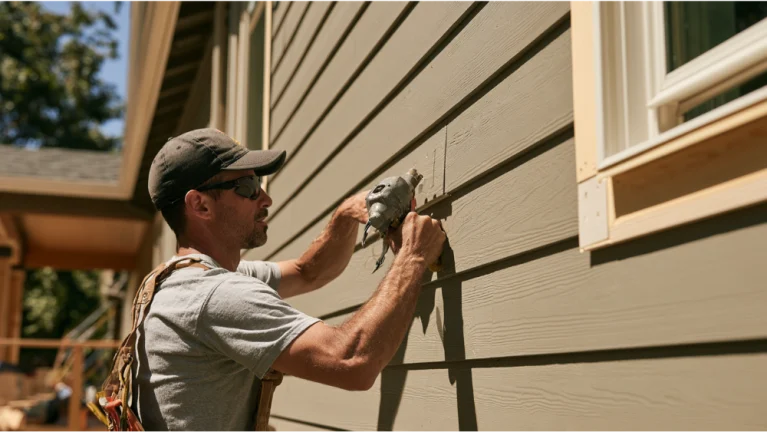
Getting it right means following the exact instructions for that profile, integrating the water-resistive barrier and flashing correctly, placing fasteners properly (on wood assemblies, never through the overlap), allowing for expansion and movement, treating cut edges, and holding required clearances. One cited Hardie Artisan Shiplap detail shows a minimum 6-inch grade clearance and a 1/4-inch gap at the illustrated flashing transition that should not be caulked. Detail-specific, not a universal shiplap rule.
There’s also compliance. OSHA’s construction silica standard sets a 25 µg/m³ action level and a 50 µg/m³ permissible exposure limit as eight-hour time-weighted averages, and it specifically addresses handheld saws cutting fiber cement board, where controlling dust at the blade is the point. EPA’s Renovation, Repair and Painting Rule may apply on pre-1978 homes when work disturbs painted surfaces beyond the general 20-square-foot exterior minor-repair threshold. For upkeep, James Hardie’s current guidance is a low-pressure garden-hose rinse with a soft or medium-bristle siding brush once or twice a year.
Frequently Asked Questions
Is shiplap good for exterior siding?
Yes, when it’s an exterior-rated product installed as part of a complete wall system. Fiber cement is the durable, noncombustible path, and it holds the pattern’s clean lines without the seasonal movement of wood.
What are the downsides of shiplap?
Debris and moisture can collect in the channel if details are wrong. Wood versions need ongoing maintenance. And the flat wall plane is unforgiving, so sloppy layout or fastening is obvious once the wall is up.
Is shiplap out of style in 2026?
Interior shiplap has cooled as a trend, but the exterior profile reads as clean and modern and works on traditional and contemporary architecture alike. It’s a durable design choice rather than a fashion bet.
What is another name for shiplap siding?
It’s sometimes described as a rabbeted or lock-joint profile, and the narrow-channel variation is widely sold as Nickel Gap. It is not the same as clapboard, bevel, or tongue-and-groove siding.
Talk to certified James Hardie installers about your siding project
You want an exterior that protects and enhances your home for decades, installed once and installed correctly. We’re a family-owned company and a James Hardie Alliance Select Contractor, one of the select few contractors certified by James Hardie. Our certified installers work under California General Building License #1092104, and we’re licensed, bonded, and insured. Our 15-year workmanship warranty backs the installation alongside the 30-year James Hardie material warranty available. Financing is available.
Get Your Free Estimate Today by calling (916) 699-7070, or Learn More About Siding.