Key Takeaway
Stucco siding is a cement-based exterior plaster applied over lath or masonry, prized for its continuous textured surface and fire resistance, but it depends entirely on concealed flashing and drainage details to manage water. Minimum finished thickness is 7/8 inch over wire lath per the 2024 IRC. When cracking or moisture damage recurs, fiber cement siding offers factory consistency and a 30-year material warranty as a long-term alternative.
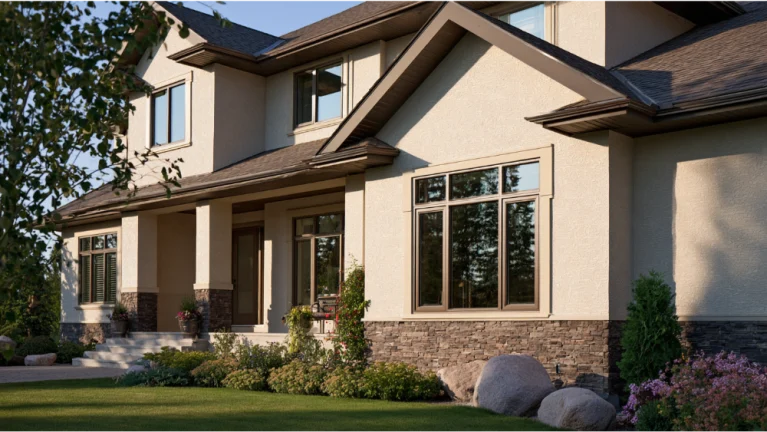
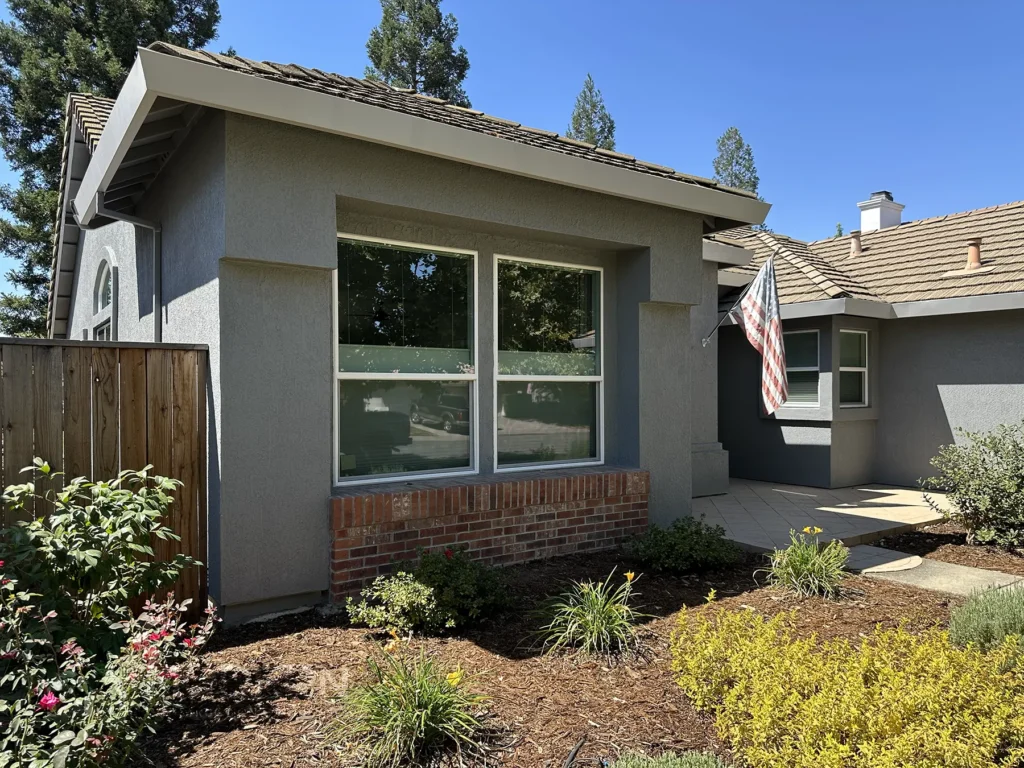
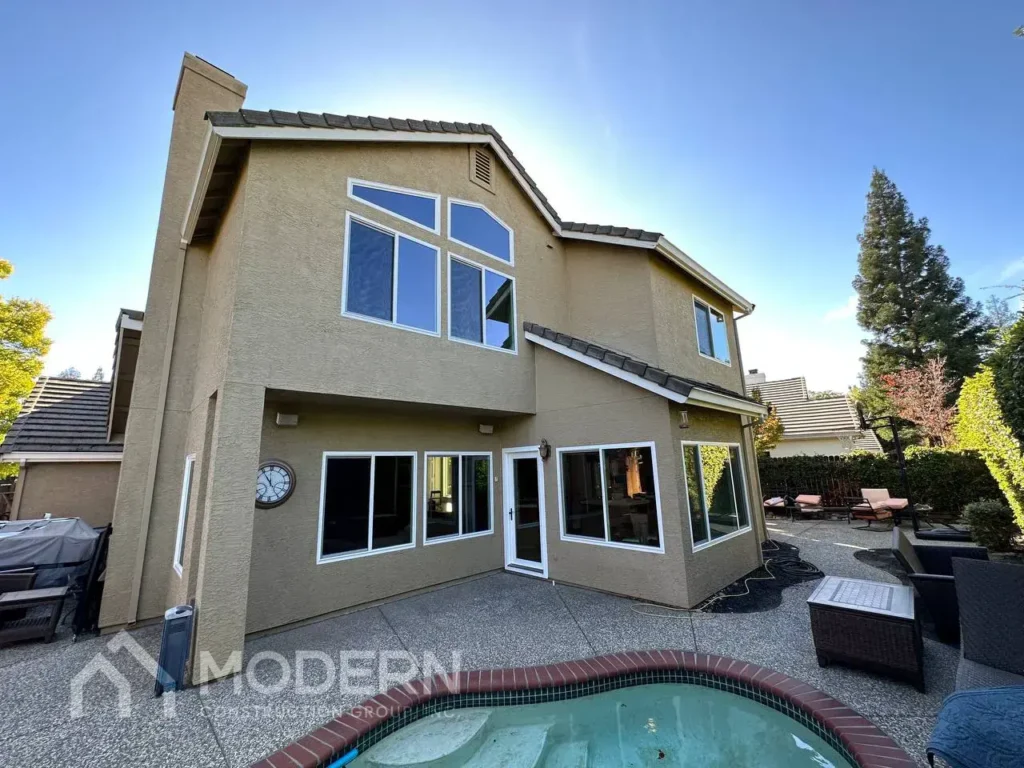
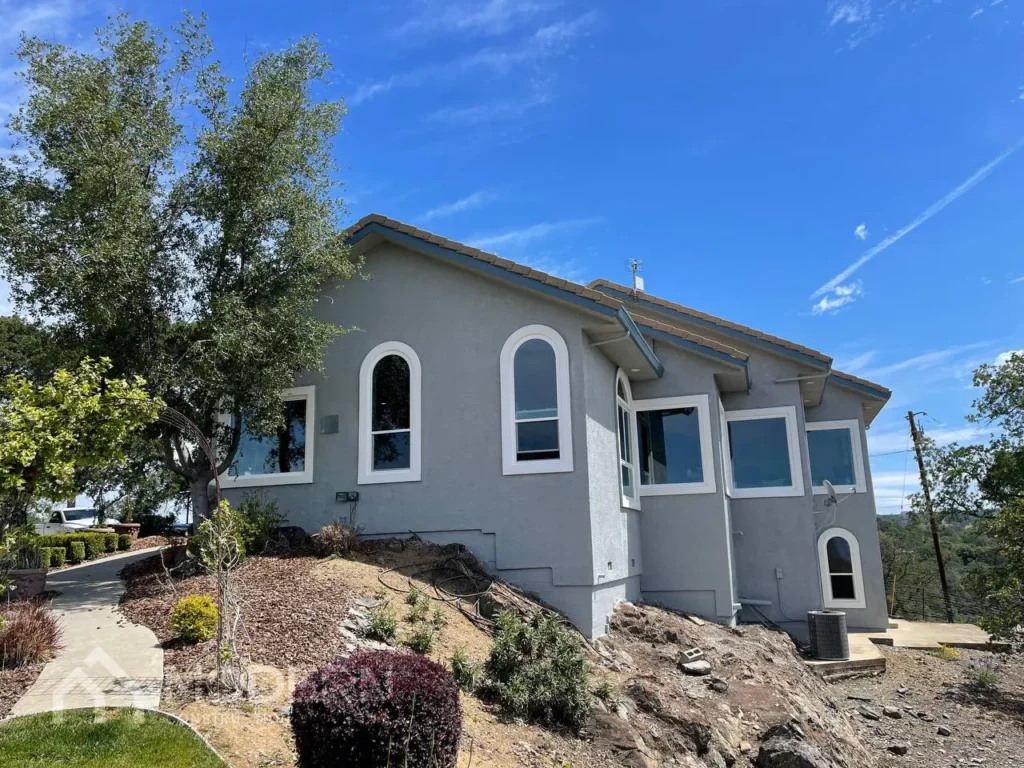
Stucco siding is a site-applied, cement-based exterior plaster installed over lath on framed walls or directly over masonry and concrete. Homeowners choose the product for its continuous textured surface, durable finish, and fire resistance. What stucco siding is not: waterproofing. Water management happens behind the plaster, in the barrier, flashing, and drainage details you never see.
You want an exterior that protects your home for decades. So the real questions: does stucco siding do that job, what warning signs mean trouble, and how does it compare with fiber cement siding when replacement time comes?
What Is Stucco Siding Made Of?
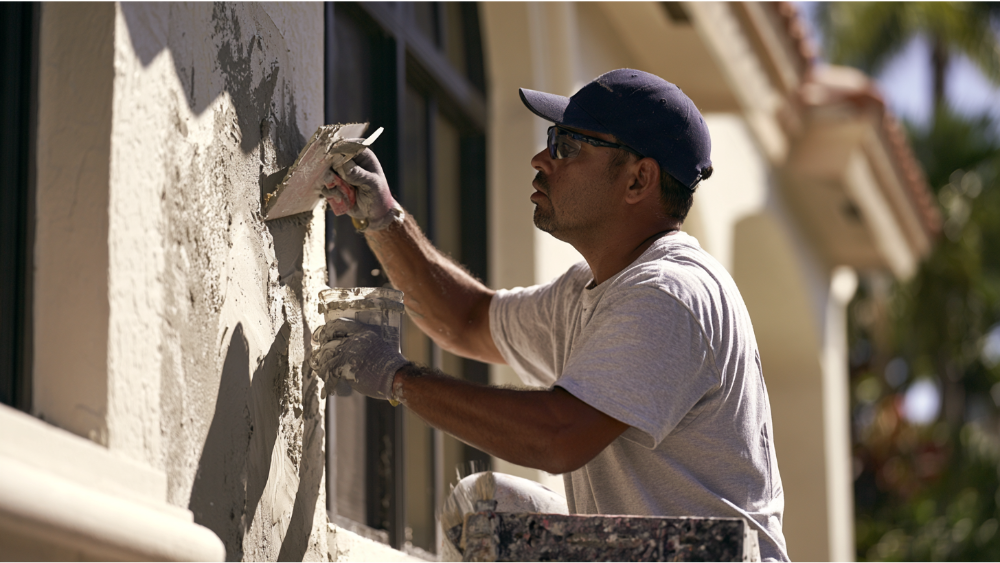
The American Cement Association describes stucco as the common term for portland cement plaster. Its composition is cementitious material, aggregate (typically sand), and water, with additives that change how the product performs. The U.S. Census Bureau calls it a durable finish applied wet: cement, sand, and lime. Traditionally, builders have coated houses in lime and cement plaster for centuries, and some modern finish coats use acrylic polymers for added flexibility.
The cured surface is porous. It absorbs water and releases it as it dries, which is why the layers behind it matter. Stucco takes color well and can be finished smooth, sand-floated, or heavily troweled. A variety of colors is available, either integral to the finish coat or applied later as paint.
How a Stucco Wall System Works (The Part You Can’t See)
Working from the outside in, a properly built stucco wall generally includes:
- Finish coat (the texture and color you see)
- Base coat or coats of cement plaster
- Metal or wire lath attached to framed walls with corrosion-resistant nails or screws
- Bond-break or drainage layer
- Water-resistive barrier
- Flashing at openings and a weep screed at the base
- Sheathing and framing that support the whole assembly
The 2024 International Residential Code, a model building code whose adoption varies by jurisdiction, calls for at least three coats over metal or wire lath and two coats over solid bases like masonry or concrete. Minimum finished thickness over wire lath or gypsum sheathing is 7/8 inch. Application is governed by ASTM C926-26, lathing and furring by ASTM C1063-25a.
One visible marker of careful installation is the weep screed at the base of the wall, which the model code places at least 4 inches above soil and 2 inches above paved surfaces so trapped water drains out. The stucco sheds water; the barrier, flashing, and drainage manage it.
Traditional Stucco vs. Acrylic Stucco and EIFS
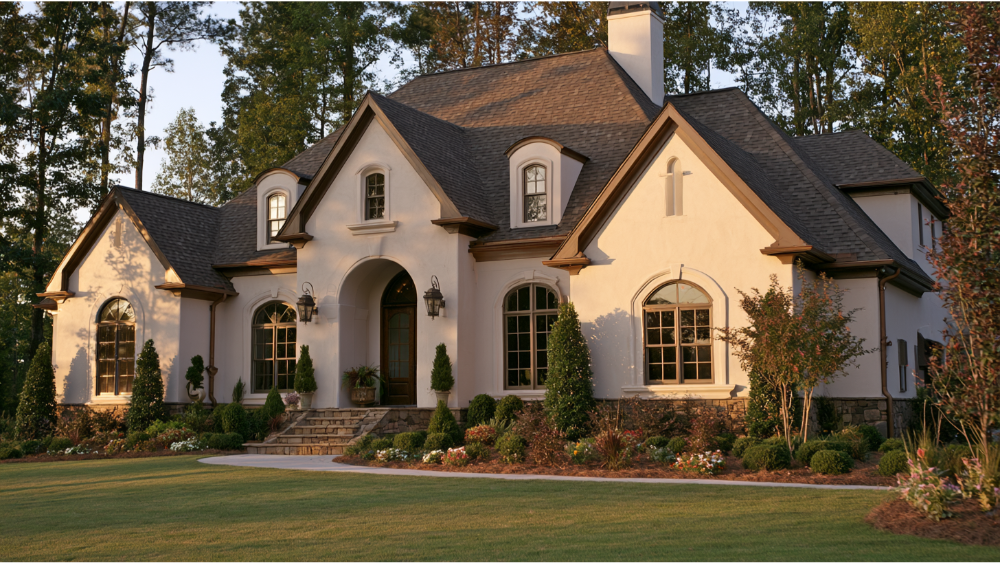
Three systems get lumped together. Traditional hard-coat stucco is portland cement plaster over lath or a solid masonry base. One-coat and modern systems use a proprietary base plus a finish coat. EIFS, often marketed as synthetic stucco, is a separate insulated composite cladding with its own materials and water-management features. Acrylic finishes offer more flexibility and better color retention. How repairs should be handled changes depending on which of these is on your house.
Stucco Siding Benefits, Drawbacks, and Common Warning Signs
Benefits:
- Continuous textured surface with a wide range of colors and textures
- Doesn’t rot or attract pests
- Fire-resistant, and FEMA lists it among cladding materials considered noncombustible for reducing wildfire vulnerability
- Thermal mass and added sound dampening
Drawbacks:
- Rigid, so it cracks with movement
- Performance depends heavily on installation expertise
- Concealed moisture damage when details are wrong
- Cracks, sealant joints, and paint require ongoing maintenance
- Matching texture and colors on repairs is not easy
- Repairs are more involved than replacing individual siding panels
Stucco siding is water-resistant, not waterproof, and the National Park Service identifies water infiltration as the primary cause of stucco deterioration. The plaster is not meaningful insulation either: Building America and ASHRAE references put it at approx. R-0.08 to R-0.1. Energy performance comes from cavity and continuous insulation.
Climate changes the details rather than the verdict. Warm, dry summers stress a wall differently than wet winters do, and in moist and marine zones the 2024 IRC requires added drainage: a minimum 3/16-inch space or a system with at least 90% drainage efficiency.
Watch for recurring or widening cracks, diagonal cracks at window and door corners, bulging or hollow-sounding areas, rust staining, and evidence showing up in your interiors, such as peeling paint or musty odors. Pattern and recurrence matter more than crack width, and the water source must be corrected before anyone patches the plaster. Stucco is fire-resistant, but a rated assembly has to be tested or listed, and NIST ties wildfire survival to whole-home hardening, not one cladding product.
Stucco vs. Fiber Cement Siding: Comparing Textured Surface, Durability, and Warranty
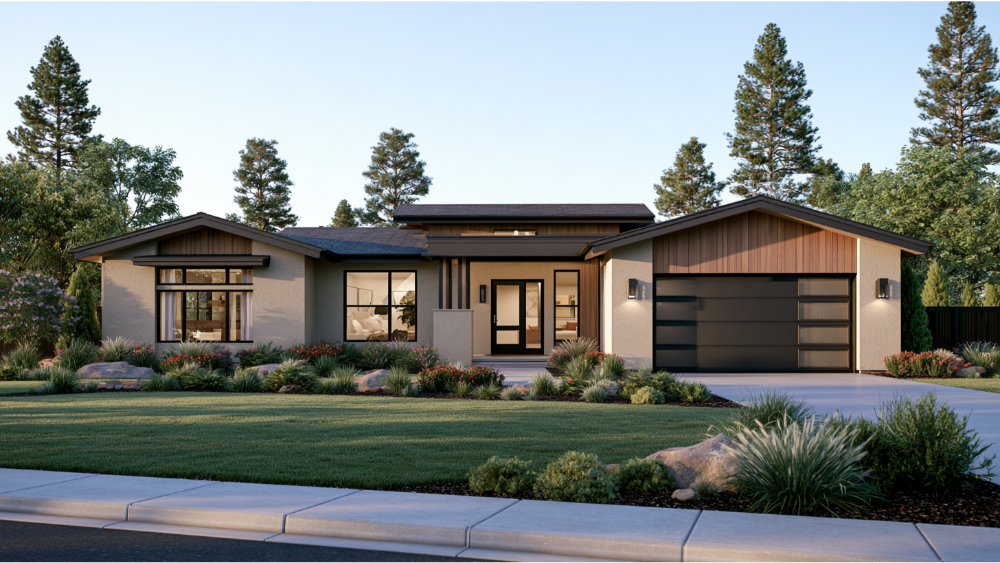
Stucco is suitable for homeowners who want a hand-applied textured surface on a properly engineered wall. Fiber cement siding tends to suit homeowners who want factory-consistent panels, lower crack sensitivity, and a defined product warranty.
| Factor | Stucco | Fiber Cement |
|---|---|---|
| Appearance | Continuous, hand-troweled texture | Panels and planks, including stucco-look textures |
| Consistency | Mixed on site from raw materials | Factory-made panels, primed or pre-finished |
| Crack sensitivity | Rigid, cracks with movement | Low |
| Moisture | Depends on concealed details | Panels over a defined drainage plane |
| Fire resistance | Fire-resistant material | Fire-resistant, relevant in WUI areas |
| Finish | Painted on site or integral color | Primed for paint, or ColorPlus® Technology colors |
| Repairs | Patching, with color and texture matching challenges | Easy to replace individual panels |
| Warranty | Varies by installer | 30-year James Hardie material warranty available |
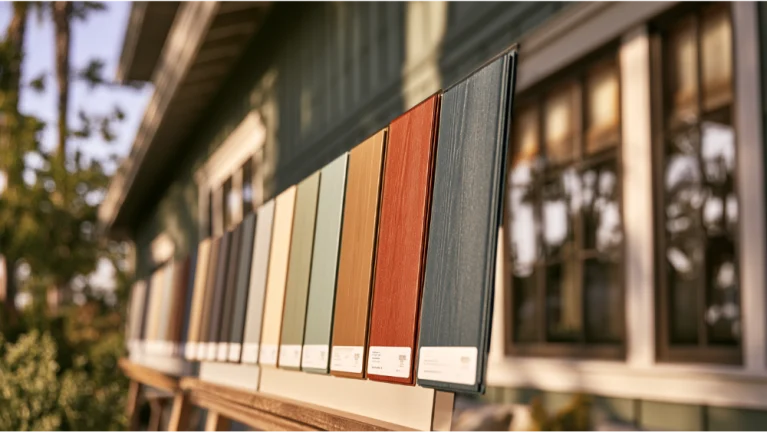
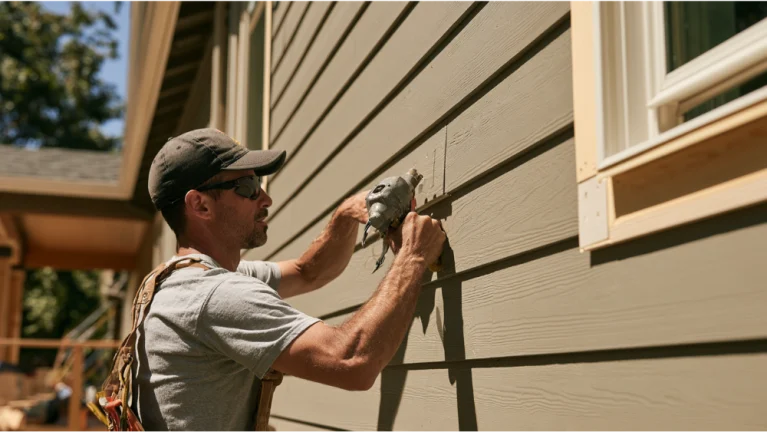
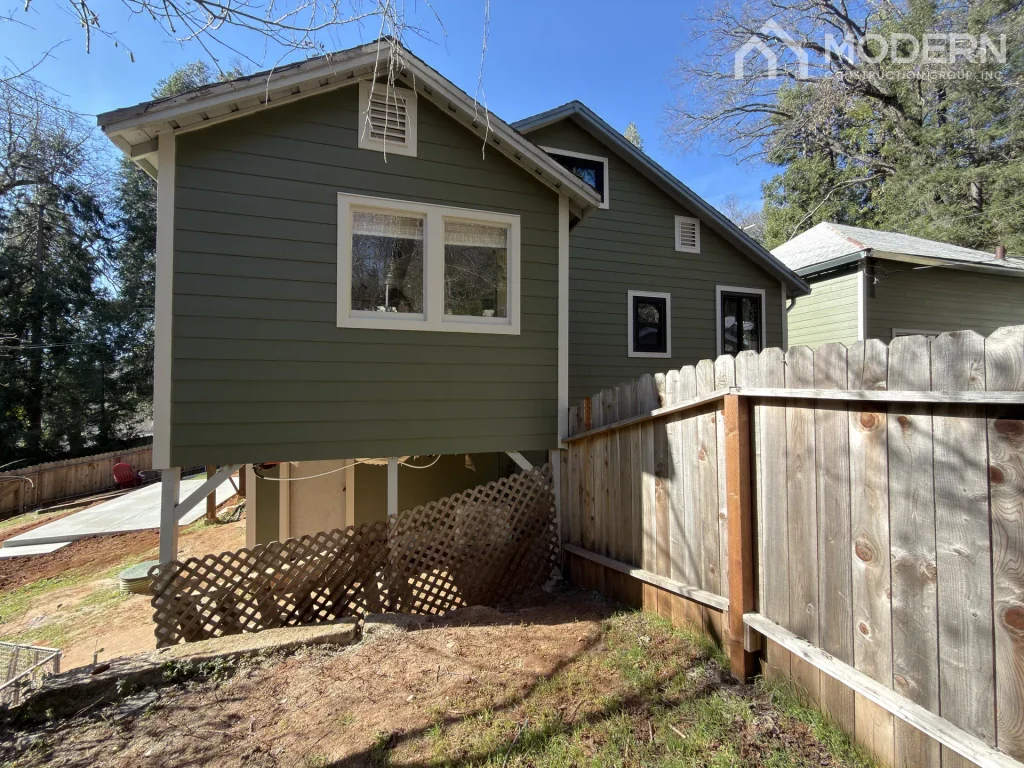
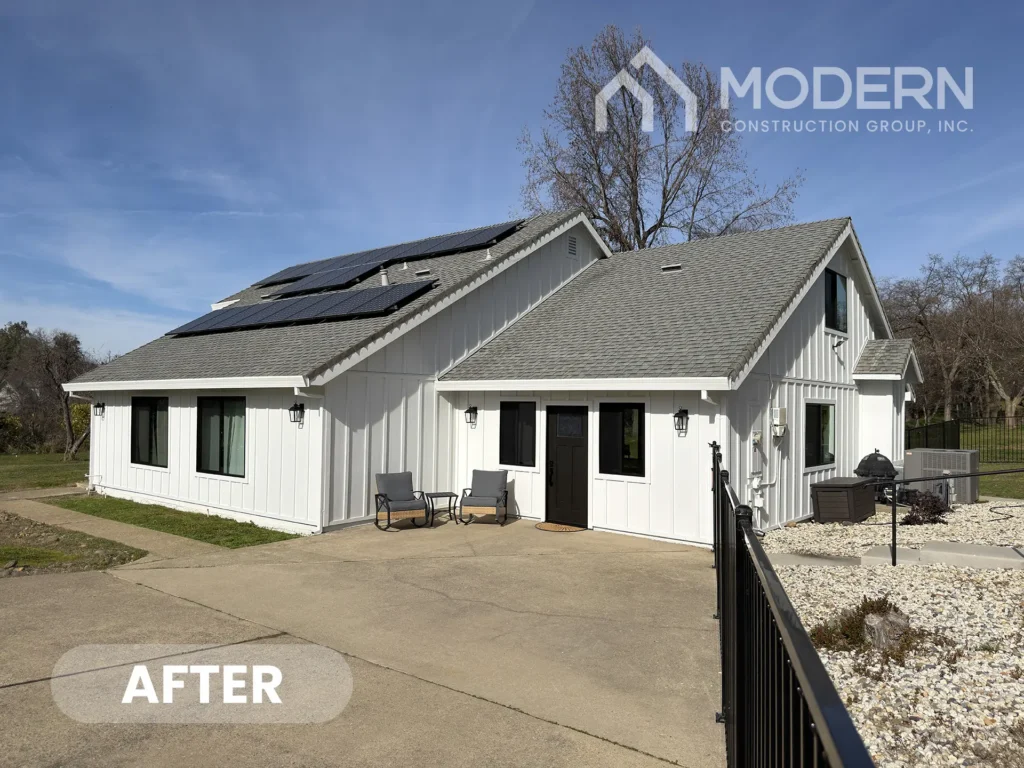
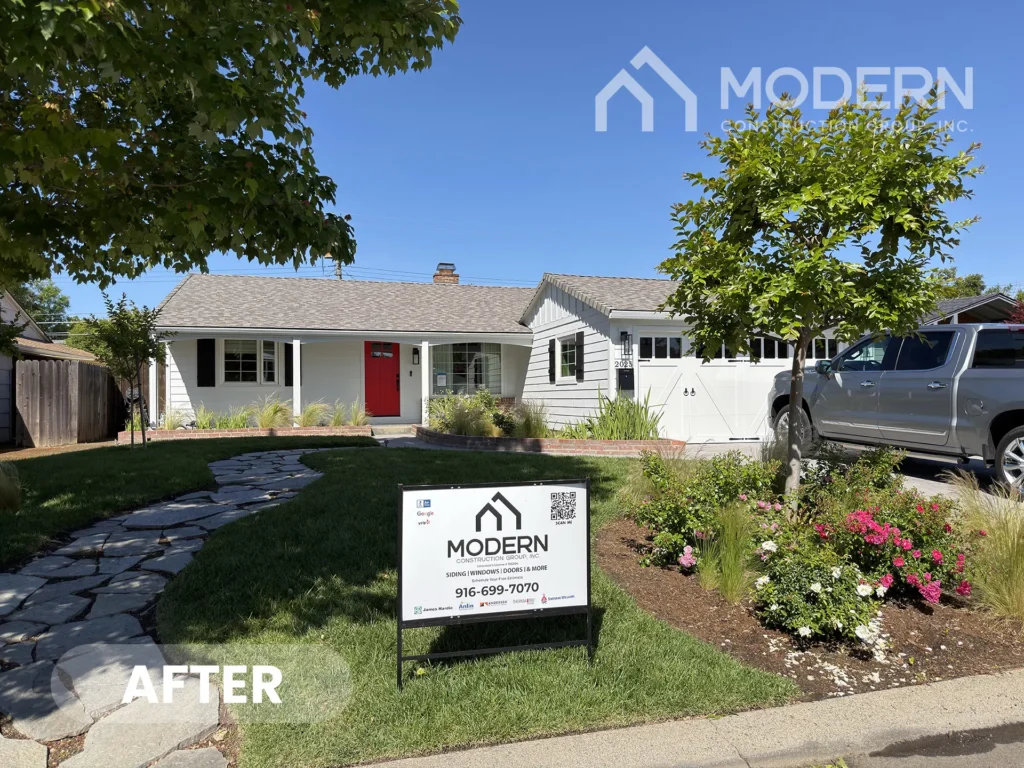
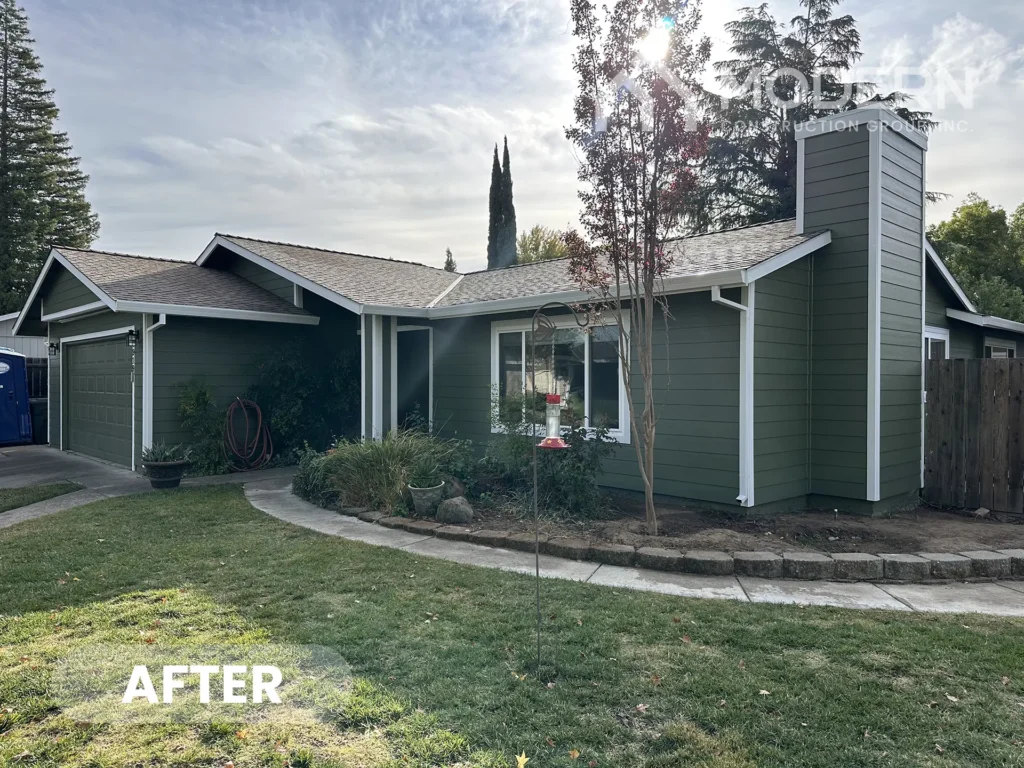
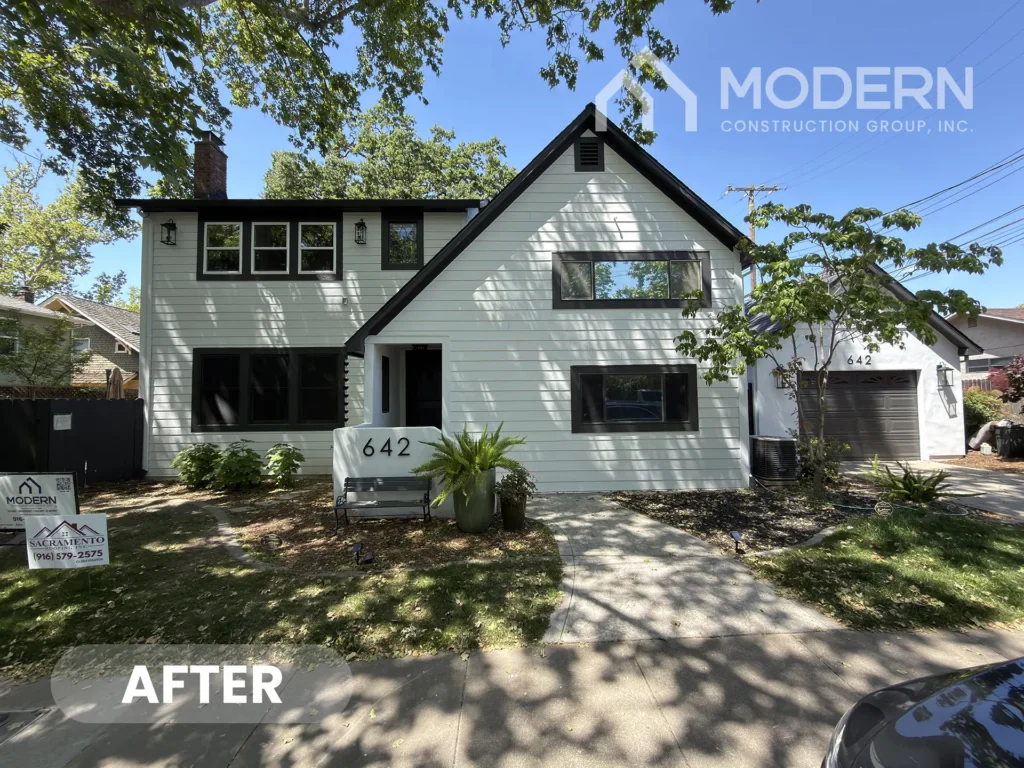
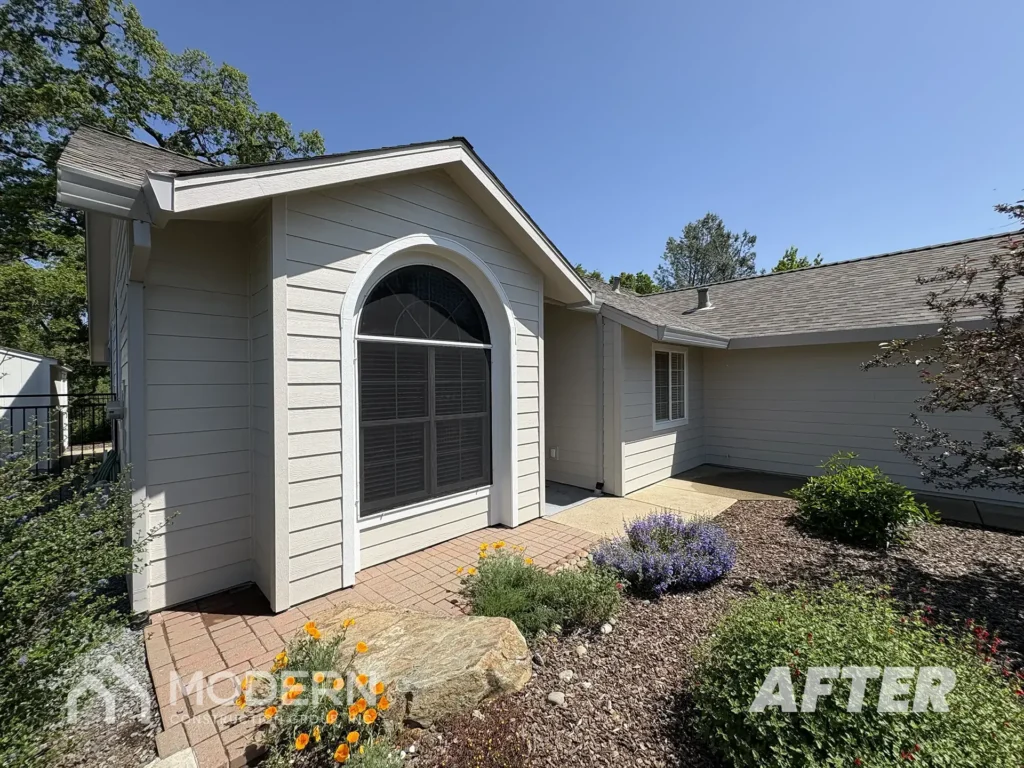
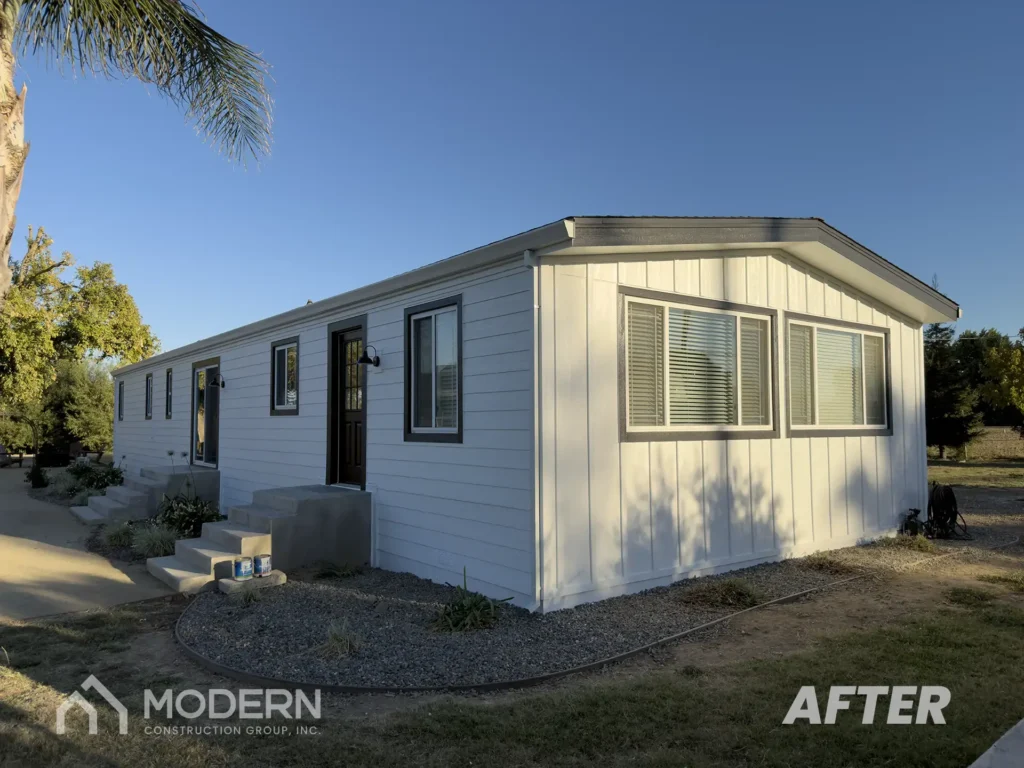
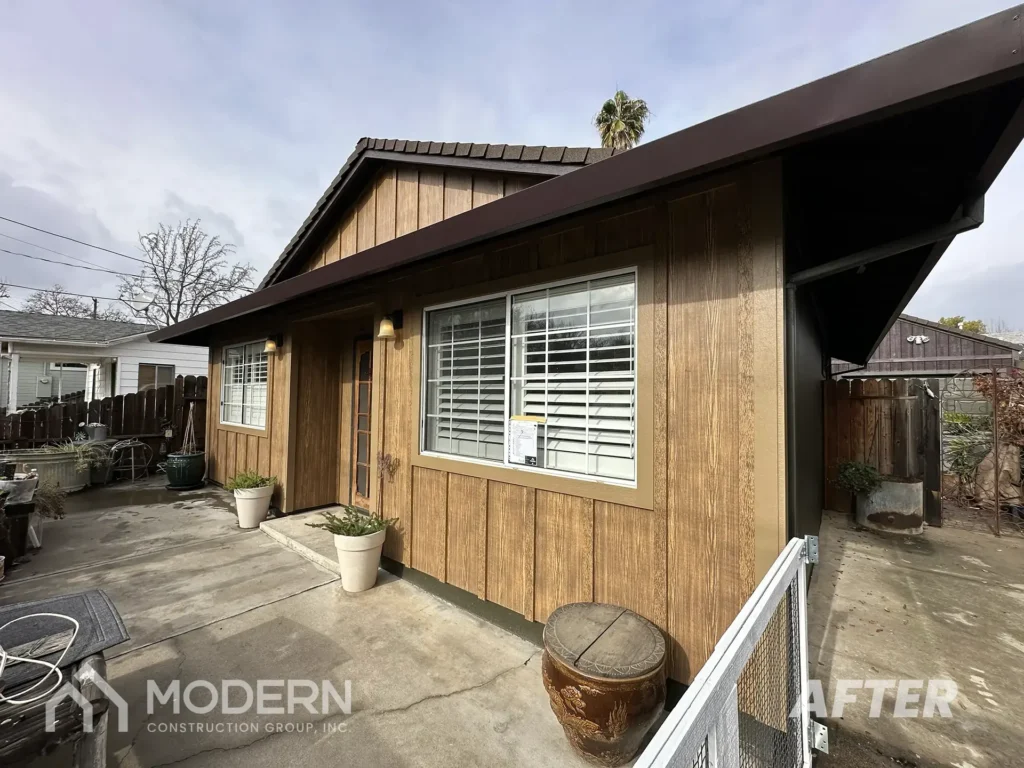
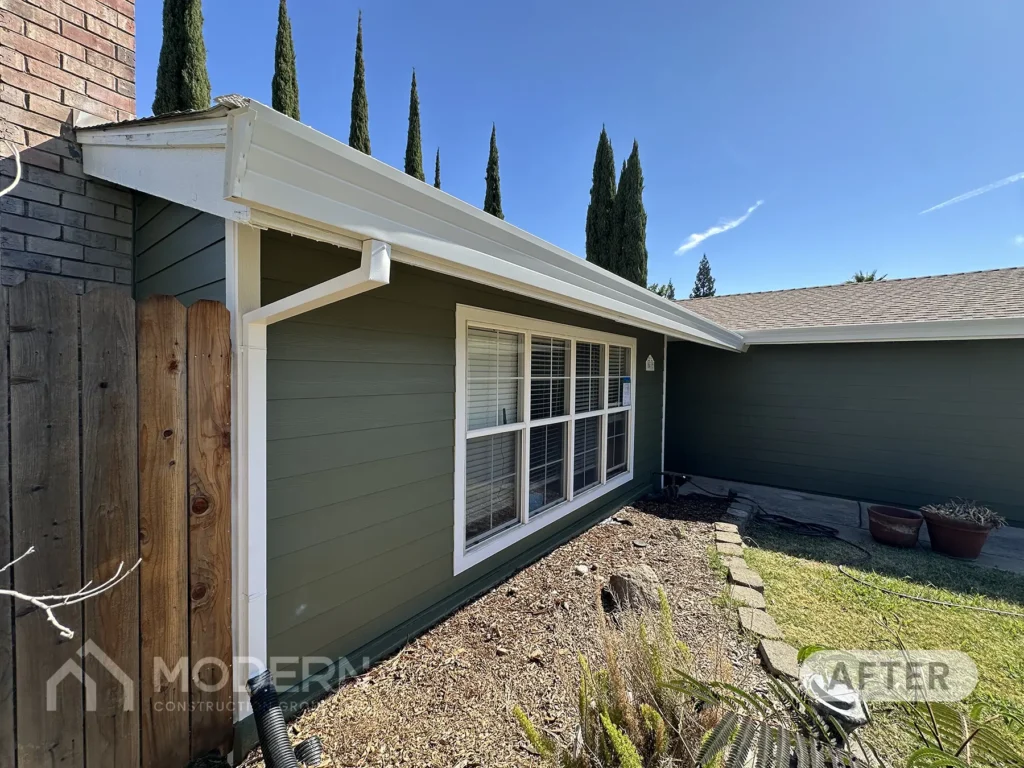
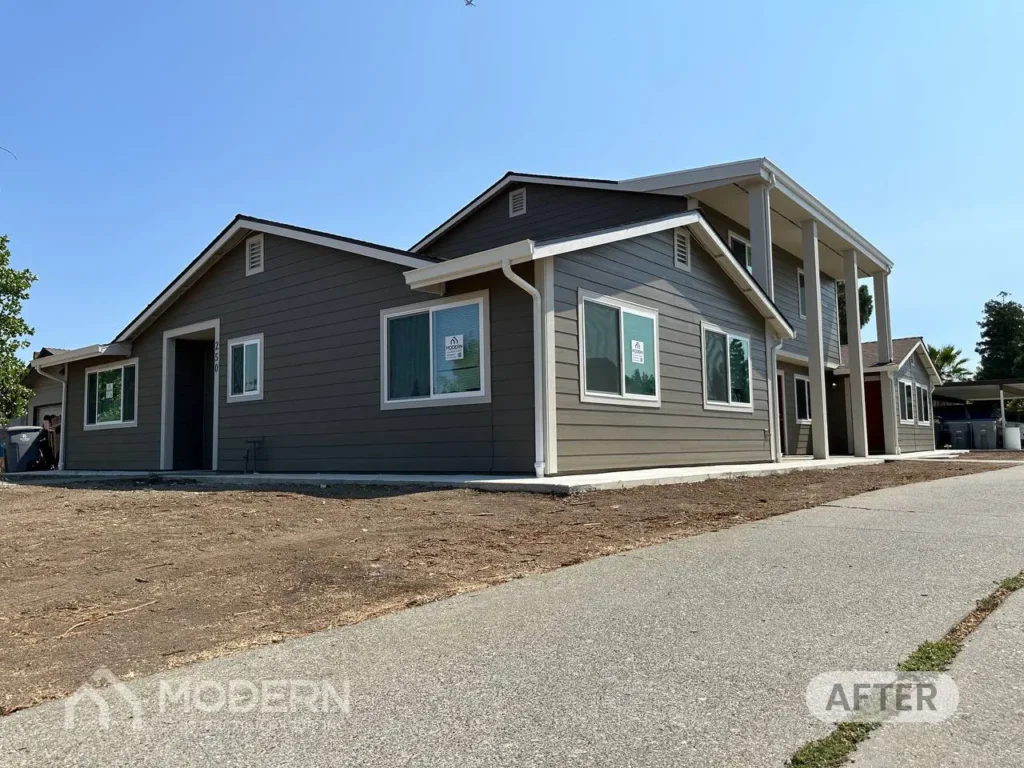
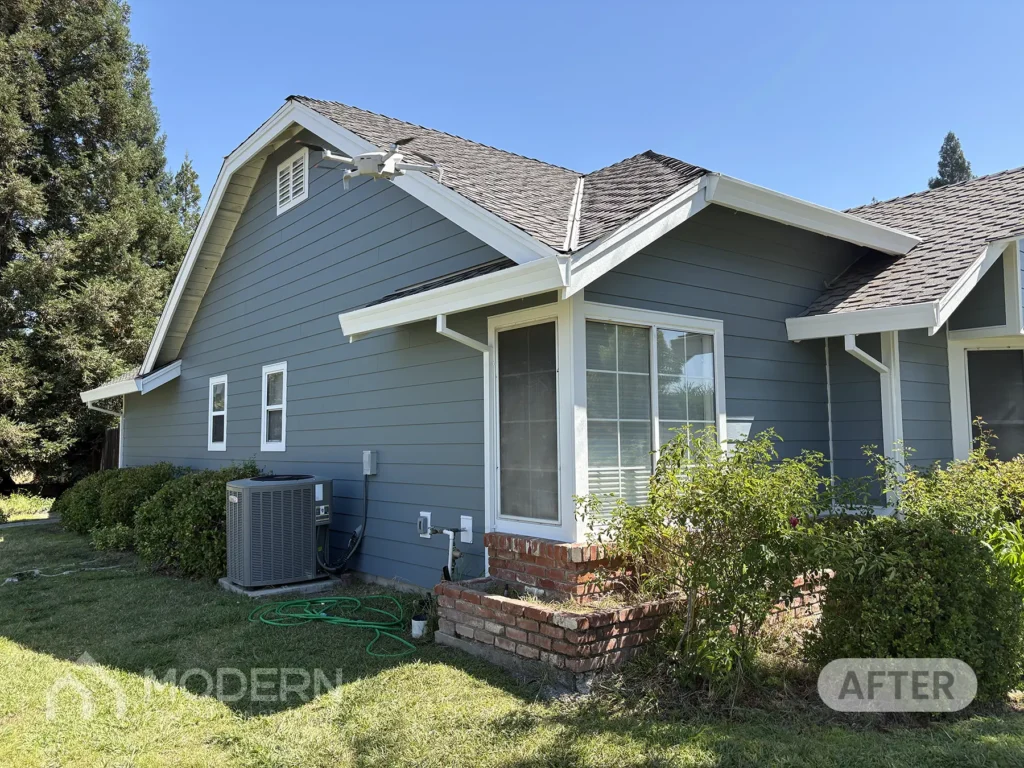
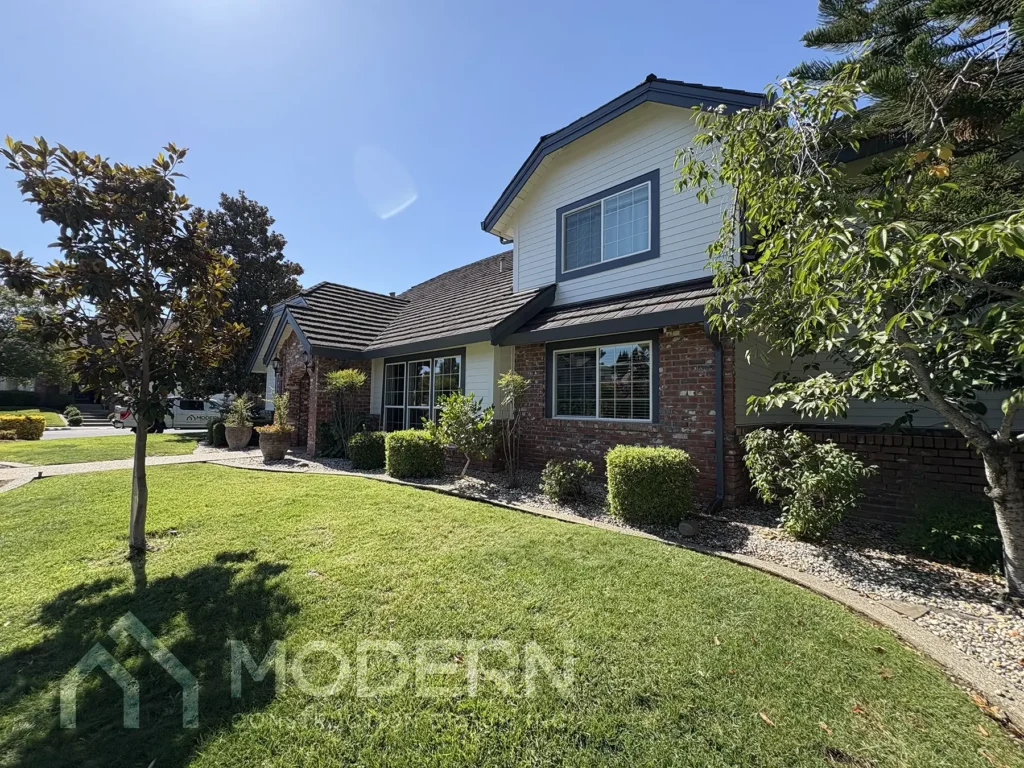
James Hardie fiber cement siding is the gold standard for durability, lasting beauty, and fire resistance, and it is the right choice for the long term. Compared with site-mixed plaster, factory-produced panels arrive consistent, primed or ColorPlus finished before they reach your house, with colors running from warm earth tones to crisp white. Matching trim boards finish windows, doors, and corners in the same material. Isolated cosmetic cracking in stucco may be repairable. Recurring cracking, moisture damage, or damaged sheathing is a system-level problem, and repeated patching is not a long-term solution.
Frequently Asked Questions
Is stucco a good siding?
Yes. Cement plaster has protected buildings for centuries, and it still performs when the whole wall system is designed and expertly installed for the climate. Poor installation undermines that.
What are the downsides of stucco siding?
Cracking and brittleness over time, concealed moisture risk when flashing or drainage is wrong, colors and textures that are hard to match on repairs, and labor-intensive application that demands skilled crews.
Is stucco cheaper than siding?
Scope drives cost: house size, wall complexity, removal of existing materials, concealed damage, flashing corrections, and the product you select. Only an on-site evaluation answers it, so contact us for a free estimate.
Is there a siding that looks like stucco?
Yes. Fiber cement siding panels can replicate a smooth or textured stucco appearance, and they arrive primed and ready for paint or pre-finished in fade-resistant colors.
Considering a Stucco Replacement? Get Your Free Estimate Today
We’re a family-owned company focused on two disciplines: James Hardie fiber cement siding and Anlin window and door replacement. That focus is why we hold James Hardie Alliance Select Contractor status, provide a 15-year workmanship warranty, and send certified installers to every project. Licensed, bonded, and insured under California General Building License #1092104. We also offer financing, and we will walk you through your replacement options in person.
Get Your Free Estimate Today. Call (916) 699-7070 or contact us online.