Key Takeaway
Siding replacement cost typically depends on your home’s measured exterior wall area, material choice, tear-off and disposal, and wall condition once old siding is removed. Fiber cement siding runs higher upfront than vinyl or wood but offers superior durability and fire resistance. The only reliable siding replacement cost is a detailed, itemized onsite estimate based on your specific home.
Siding replacement costs are driven by the measured exterior wall area of your home, the materials and finish you select, tear-off and disposal of the old siding, the condition of the wall underneath, design complexity, and permits. Several of those factors can’t be confirmed until someone inspects the house, which is why the only reliable price is a detailed, itemized onsite estimate. This article breaks down how that number gets built and what you should expect in a complete estimate.
Why Do Published Siding Costs Vary So Widely?
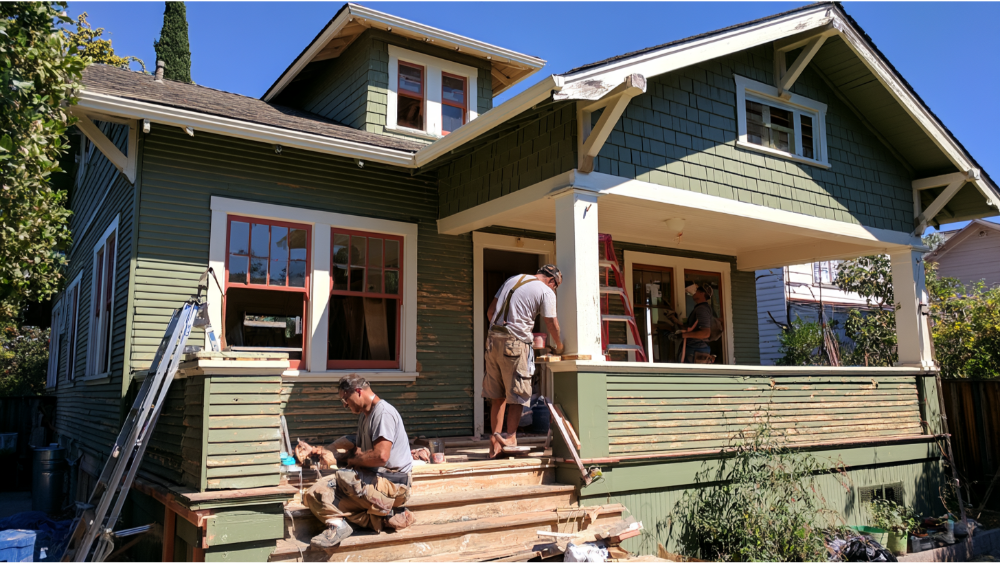
Published figures blend different data sources, regions, materials, and home types. The bigger problem is scope. Some numbers cover material costs only. Others leave out removal of the old siding, trim, flashing, permits, or cleanup. Labor swings by region, so a national average has little to do with your street.
You aren’t buying siding panels. You’re buying a complete exterior wall system, and two contractors can quote the same product while describing very different projects.
Home Size vs. Siding Square Footage
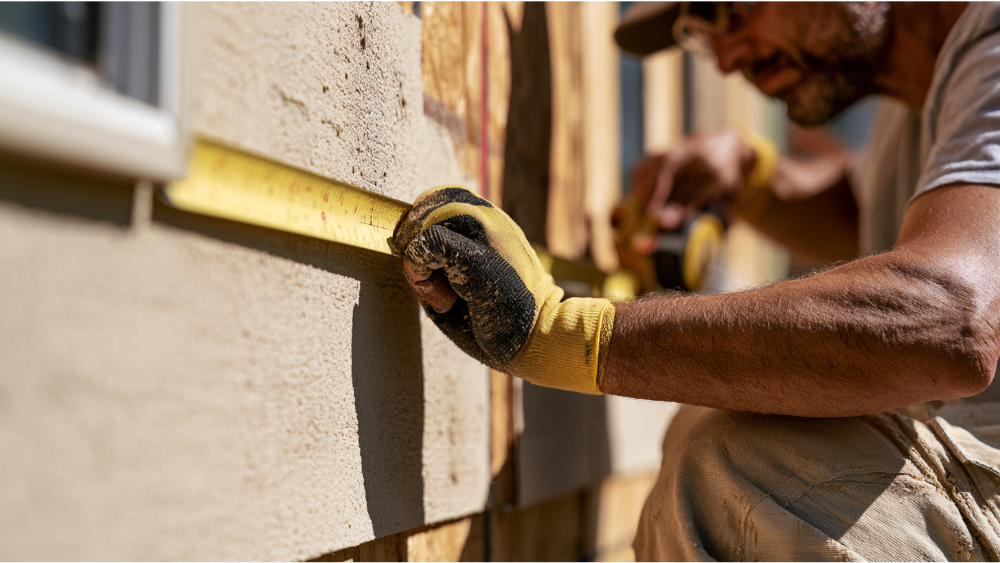
A 2,000-square-foot home almost never needs 2,000 square feet of siding. Estimators measure the outside of the building wall by wall, then add gables, dormers, and detail areas. Siding is quantified in squares, and one square covers 100 square feet of wall. A compact home and a sprawling single-story home with identical living area produce very different takeoffs, so home size alone won’t tell you what a siding project costs. The measured takeoff is the version to price from.
- Each wall elevation, from foundation to eave
- Gables, dormers, and bump-outs
- Soffit, fascia, trim, corners, and openings
What Does Siding Installation Cost Per Square Foot?
Most published siding costs are quoted per square foot of wall area. That’s a fair way to compare materials and a poor way to budget a specific house. A square foot price assumes average conditions. Add a steep lot, extra gables, or hidden rot, and the time needed to cover that same square foot changes. Ask for both the per square foot number and the measured square footage behind it.
What Factors Affect Siding Replacement Costs the Most?
Material selection is the most important factor, moving the number more than any other single choice. After that, it’s the conditions of your specific property and what the crew finds once the old siding comes off. Hidden rot and failed flashing are the most common reasons a final price lands above the first estimate.
| Cost Factor | Why It Changes the Price |
|---|---|
| Exterior wall area | Sets material volume and labor hours |
| Materials and finish | The largest single driver of siding costs |
| Height and multiple stories | Staging, harder access, slower material handling |
| Architectural complexity | More corners and dormers mean more materials and more labor |
| Sheathing and wall condition | Hidden rot, mold, or pest damage adds to the overall cost |
| Permits and inspections | A line item that varies by jurisdiction |
| WUI or fire-zone requirements | May require fire resistant cladding and assemblies |
How Siding Materials Change Price and Value
Compare materials by durability, maintenance demand, finish longevity, and fire performance rather than by price alone, because those attributes decide what you spend in the long run. A material that saves money on day one often costs more money later.
Vinyl, Wood, Aluminum Siding, and Stucco
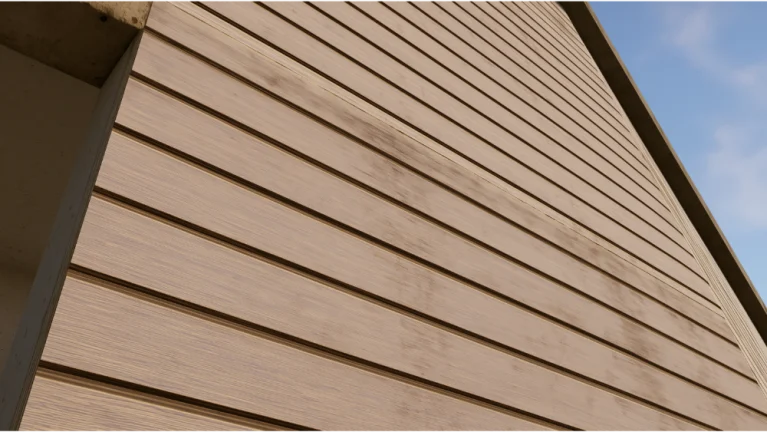
- Vinyl: a popular choice for low maintenance and flexibility in temperature swings, and insulated siding versions add a foam backing
- Aluminum siding and other metals: noncombustible, dent-prone, finish wear varies
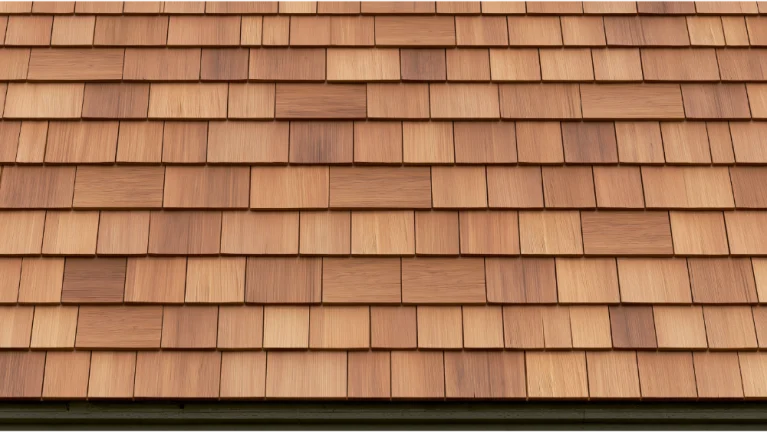
- Wood: warm and traditional, combustible, and susceptible to rot without steady refinishing
- Stucco: durable in dry climates, though cracks telegraph movement
Why We Install Fiber Cement
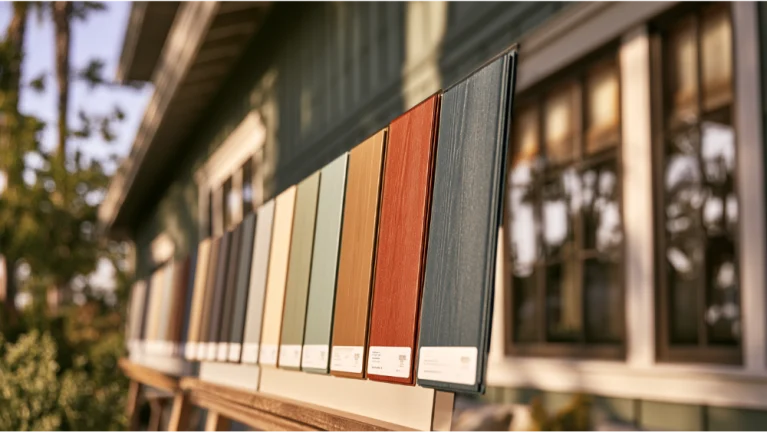
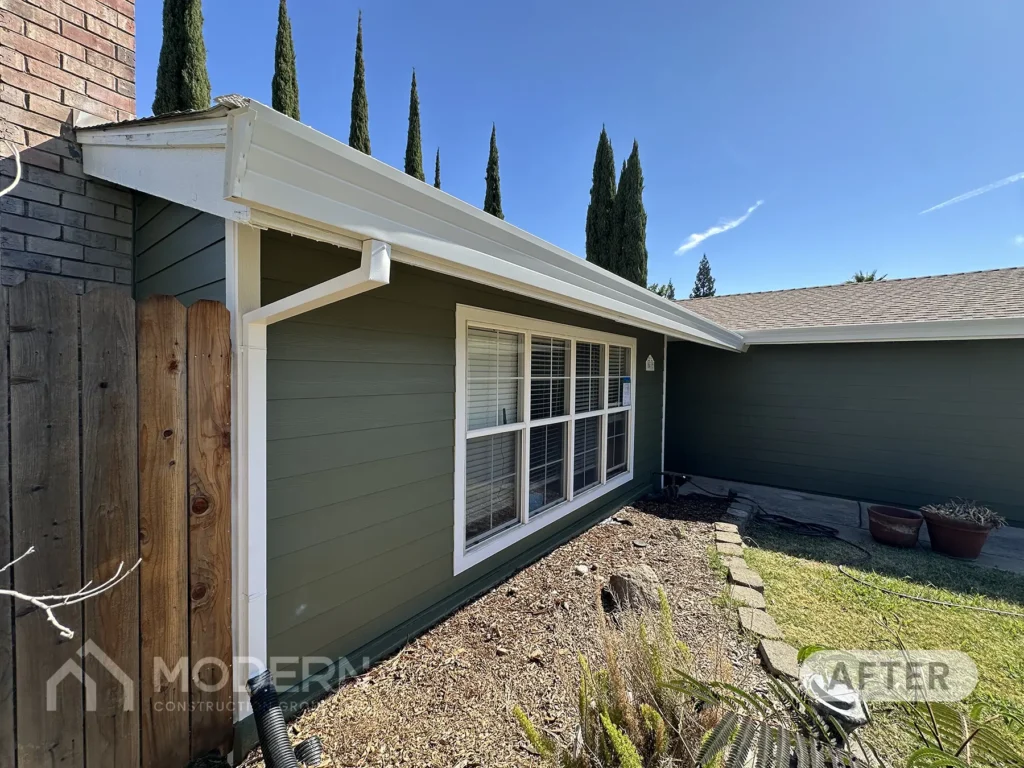
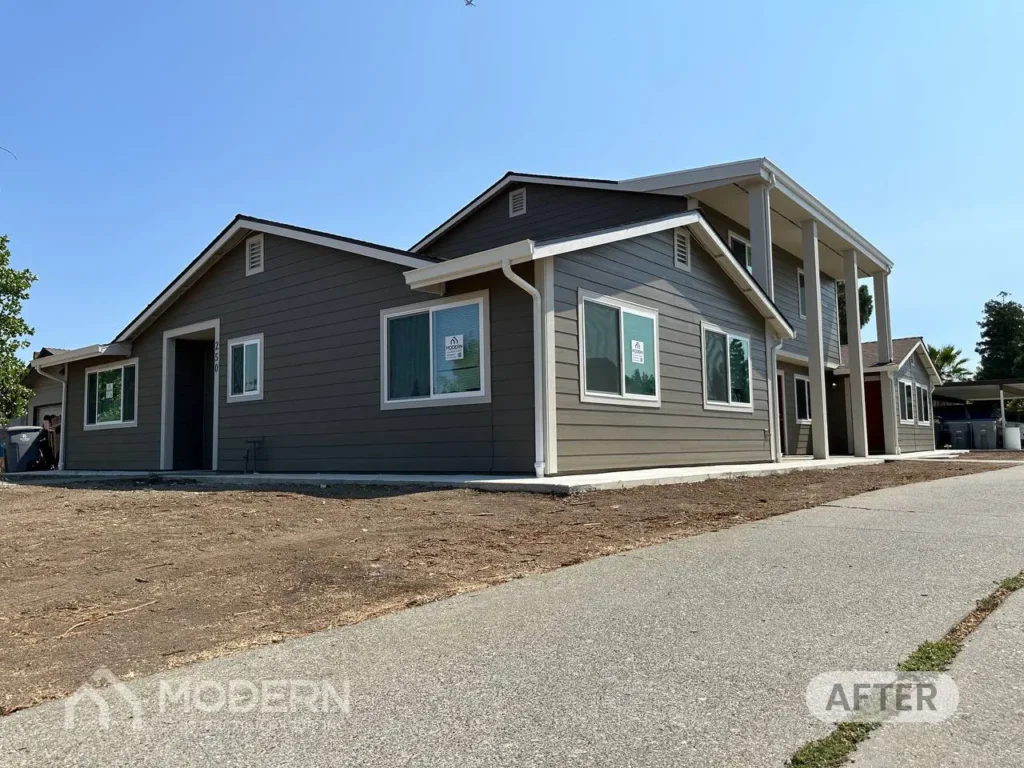
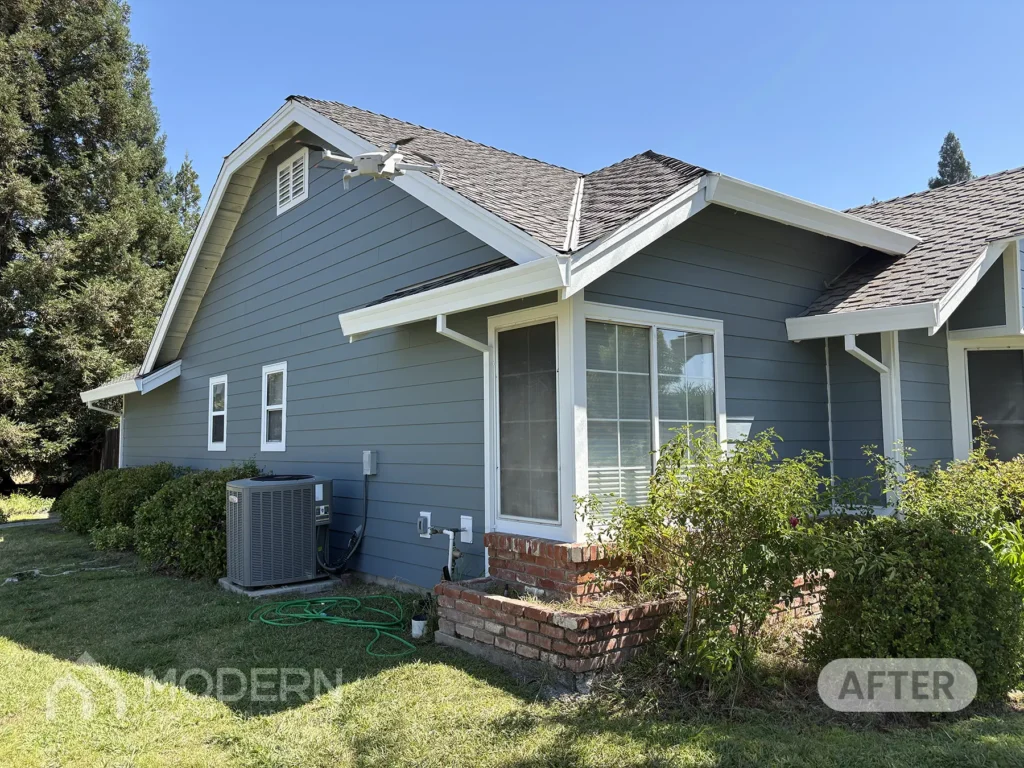
Fiber cement is noncombustible, dimensionally stable, and durable through extreme weather, from valley heat to mountain snow. We install James Hardie fiber cement siding exclusively because it’s the gold standard for durability, beauty, and fire resistance in Northern California. ColorPlus® Technology finishes are baked on for fade resistance rather than field-painted, which takes repainting out of your long-term budget in a way most other materials can’t match.
What Should a Complete Siding Estimate Include?
Print this and take it to every bid meeting:
- Measured siding area or number of squares
- Exact product, profile, texture, and finish
- Tear-off and disposal of old materials
- Wall inspection, with a written allowance for hidden damage
- Water-resistive barrier, flashing, and sealing at every opening
- Permit responsibility, named
- Site protection, cleanup, and debris removal
- Product warranty, finish warranty, and workmanship warranty
- Payment schedule and a written change-order process
If an item isn’t written down, assume it isn’t included.
Why Two Estimates to Replace Siding Look So Different
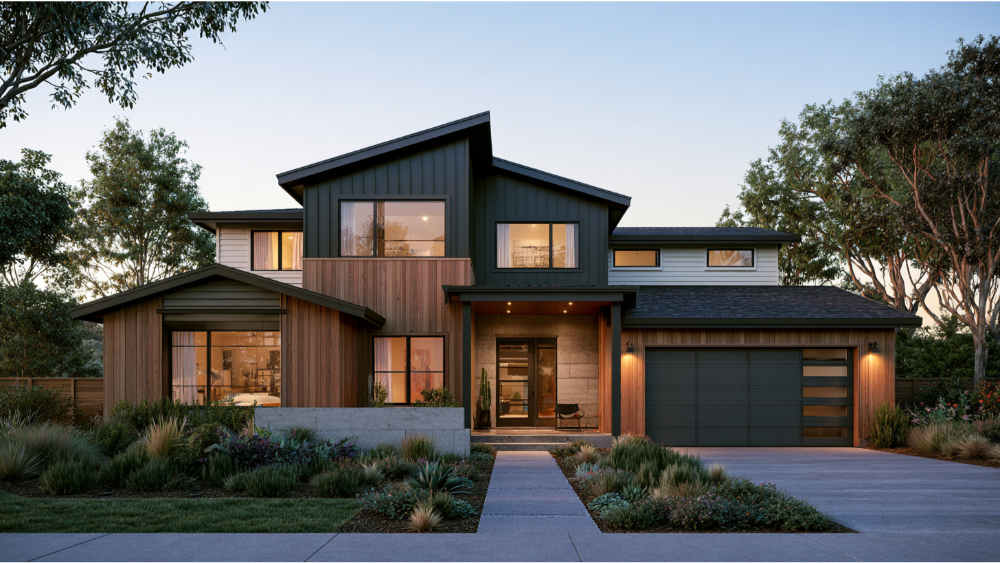
Proposal A covers panels and labor. Proposal B covers tear-off, disposal, wall inspection, a water-resistive barrier, flashing, trim, the permit, cleanup, and documented warranties. The lower number will always draw your eye, and the costs Proposal A left out tend to reappear later as change orders. Compare scope, not just the price at the bottom.
Repair, Refinish, or Replace Siding?
Repair is reasonable when damage is isolated and the assembly behind it is sound. Replace siding when deterioration is widespread, when moisture has reached the wall cavity and brought mold or mildew growth with it, or when repair costs keep stacking up without protecting the home.
Why Old Siding Should Come Off Before New Siding Goes On
Installing new siding over old materials can hide a problem instead of solving it. Removing the existing cladding is what lets the installer check the sheathing, flashing, and framing for rot and water intrusion. James Hardie’s own re-side guidance favors removal over covering, and we agree.
What Changes Siding Costs in Sacramento and Northern California?
The City of Sacramento lists siding among projects requiring a building permit, with different pathways for like-for-like replacement, a change in material, and historic properties. Surrounding jurisdictions set their own fees, so verify with whichever city or county issues your permit.
The 2025 California Building Standards Code took effect January 1, 2026 and requires a weather-resistant exterior wall assembly with a water-resistive barrier, flashing, and drainage around openings. Moisture management is code, not an upsell, and it matters here, where extreme heat punishes finishes all summer and winter storms test every flashing detail.
In foothill communities facing WUI fire risk, CAL FIRE home-hardening guidance points toward noncombustible cladding such as fiber cement, which James Hardie identifies as noncombustible under ASTM E136. No siding makes a home fireproof. If your property predates 1978, EPA’s Renovation, Repair and Painting Rule applies to paid work disturbing painted surfaces, which changes containment and disposal procedures for hazardous materials.
Hiring a Siding Contractor: What to Check First
Per the CSLB, siding contractors need a current license when work requires a permit or carries a combined labor-and-material value of $1,000 or more. A written home improvement contract is required above $500, and your down payment cannot exceed $1,000 or 10% of the contract price, whichever is less.
Before you hire a siding company, ask for the exact certification name, not the word “certified.” We’re a family-owned James Hardie Alliance Select Contractor and an Anlin Authorized Dealer, licensed, bonded, and insured under California General Building License #1092104, with over 25 years of experience and owner Gary Chernyetsky personally involved in project oversight. Three layers of protection back the work: the James Hardie 30-year non-prorated limited product warranty, the 15-year ColorPlus® Technology limited finish warranty, and our 15-year workmanship warranty.
Frequently Asked Questions
Can I install siding myself and save on labor?
You’d need staging, specialized cutting tools, a permit, and lead-safe practices on a pre-1978 home. Proper installation is what keeps water out of the wall, and poor technique can void manufacturer warranty coverage.
What are the advantages of fiber cement over vinyl or wood?
Noncombustibility, dimensional stability, and longer product and finish warranties. Near WUI areas, that noncombustibility is the deciding difference.
Get an Accurate Price for Your Siding Project
The only number worth planning around is the one measured on your house. We’ll walk your exterior, take real measurements, and hand you an itemized scope you can compare line by line. Get Your Free Estimate Today: call (916) 699-7070. Financing is available, and we’re happy to discuss the details when you contact us.