Key Takeaway
Vertical siding is exterior cladding installed top to bottom, with board and batten its most recognized profile, available in fiber cement, engineered wood, vinyl, and metal. Fiber cement is the most durable choice, offering noncombustible cladding, a 30-year material warranty, and factory-baked ColorPlus Technology finishes. The material and wall assembly matter far more than orientation alone.
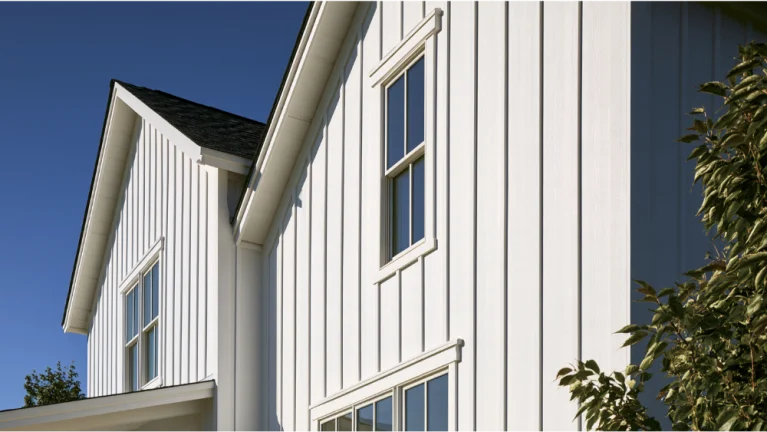
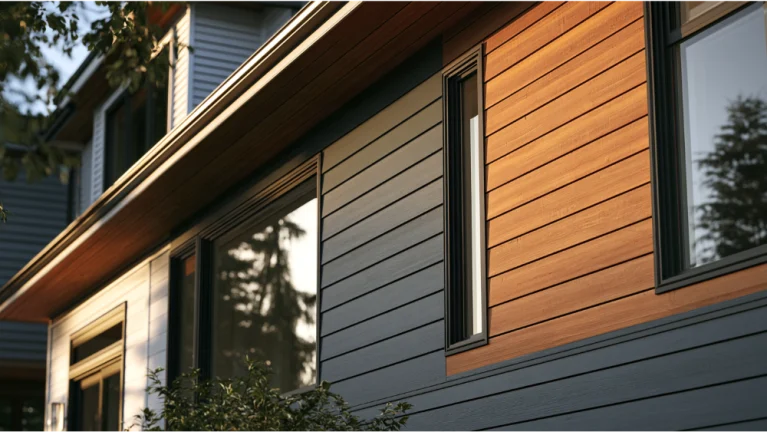
Vertical siding is exterior cladding installed from top to bottom instead of in horizontal courses. Board and batten is its best-known profile, but vertical panel and architectural panel products exist too, in materials from fiber cement to engineered wood, natural wood, vinyl siding, and metal. The lines pull the eye upward and read clean and modern, which is why the look appeals to homeowners planning a beautiful new exterior. How it performs over 20 or 30 years depends far more on the material, the wall assembly, and the installation than on orientation. Most homeowners discover the real decision is three: orientation, profile, and material.
Is Vertical Siding the Same as Board and Batten Siding?

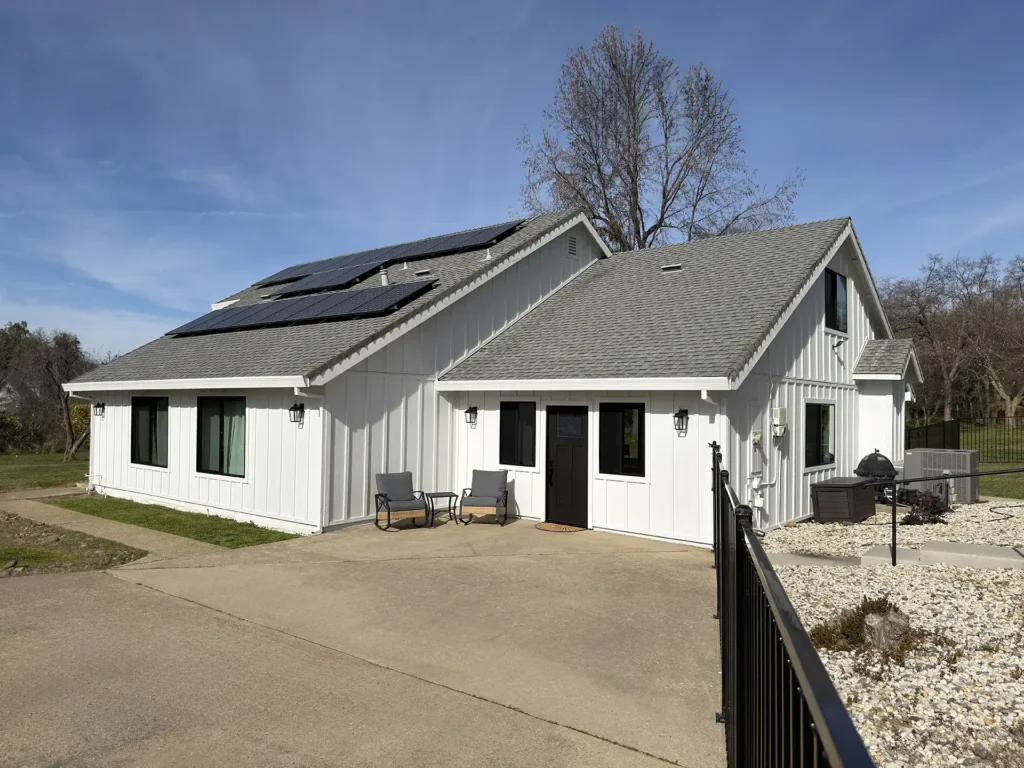
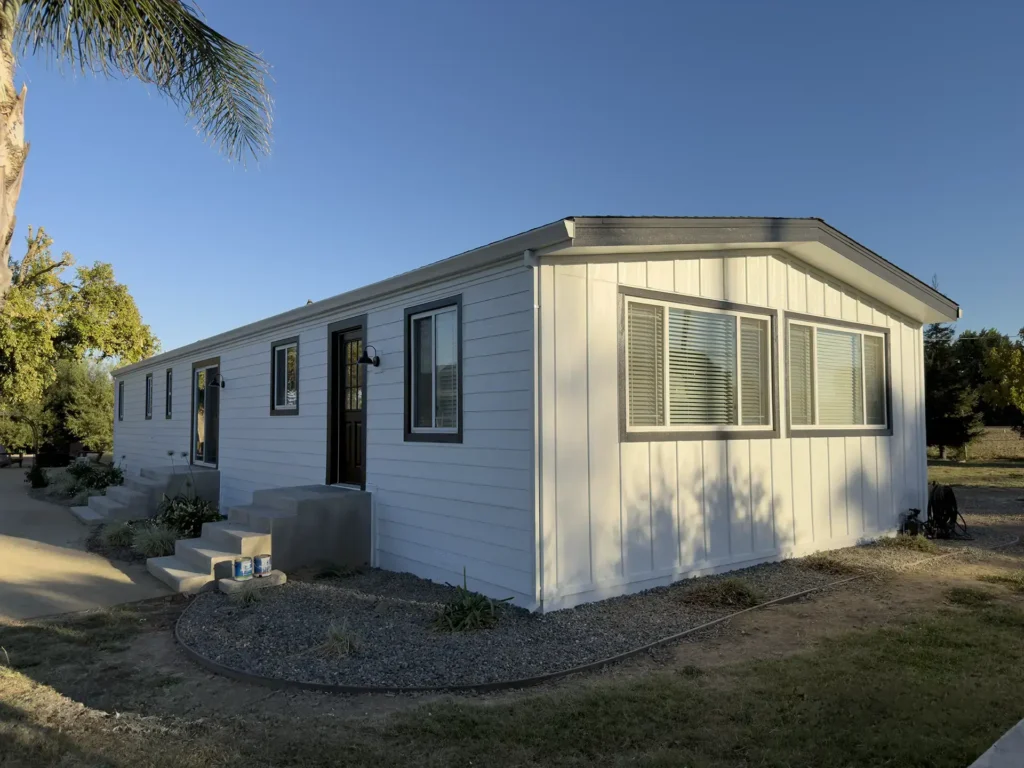
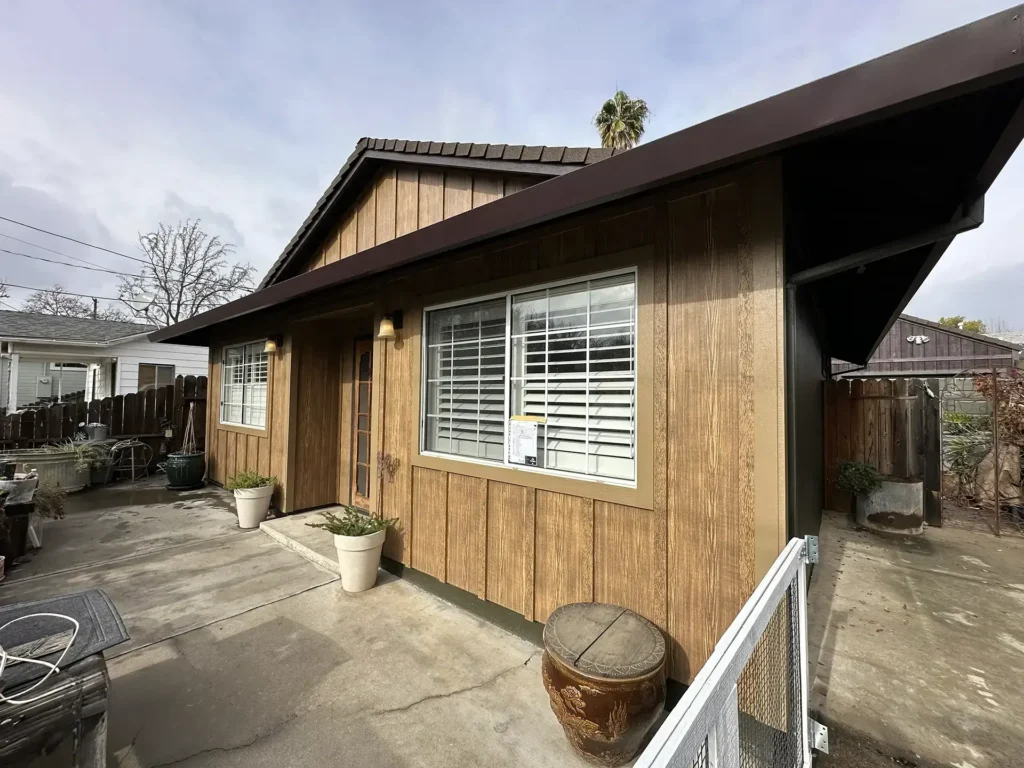
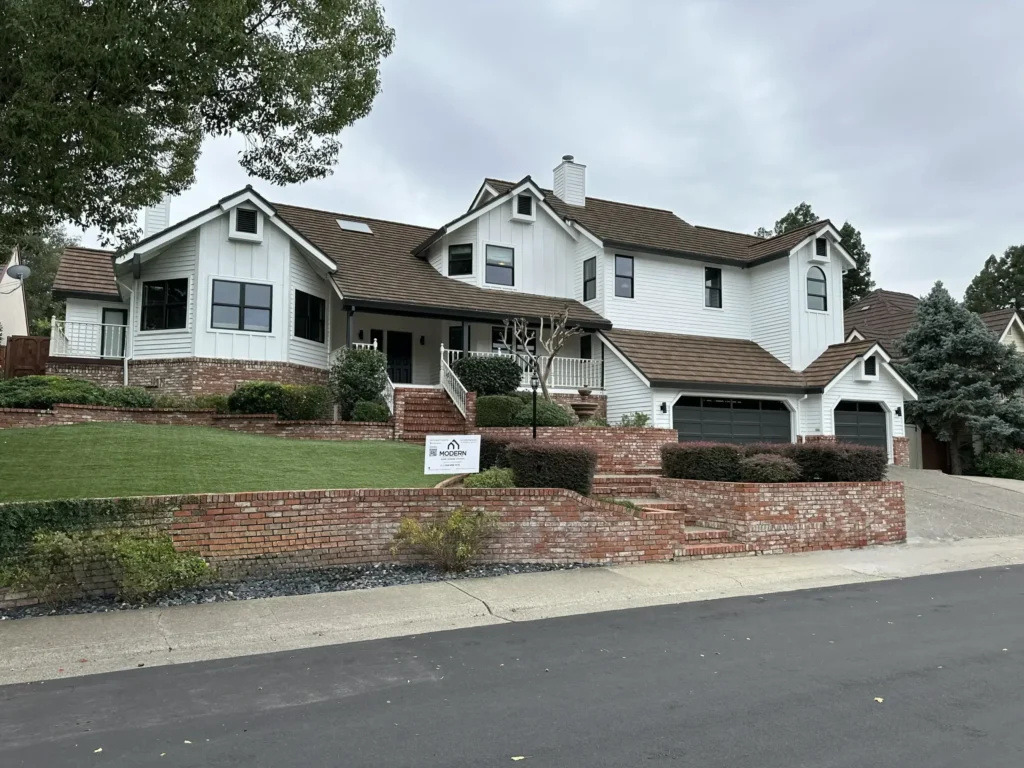
No. Board and batten is one of several siding profiles, not a synonym for vertical siding. The panel is the wide field, and the batten covers the joint between panels. James Hardie creates the look by pairing Hardie® Panel vertical siding with Hardie® Trim Batten boards, a combination designed for modern farmhouse, contemporary, craftsman, and traditional homes.
Explore Vertical Siding Products: From Board and Batten to Vinyl Siding
- Board and batten: panel field with applied battens for depth and shadow lines.
- Vertical panel: large panels with smooth, wood-textured, or stucco-textured faces.
- Grooved panel: repeating vertical grooves for rhythm without separate battens.
- Architectural panel: clean contemporary panels designed to run vertically with specified joint trim.
Materials vary as much as profiles, and fiber cement is the most durable. Engineered wood mimics real wood, natural wood needs routine sealing to resist decay, vinyl siding is low-maintenance, and metal reads modern. Compare siding products on finish life and warranty, and you’ll find the differences that matter.
Where Vertical Siding Works Best on a Home Exterior

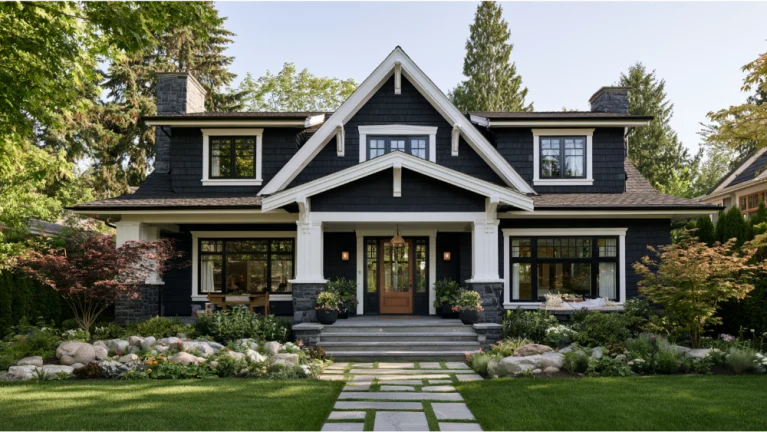
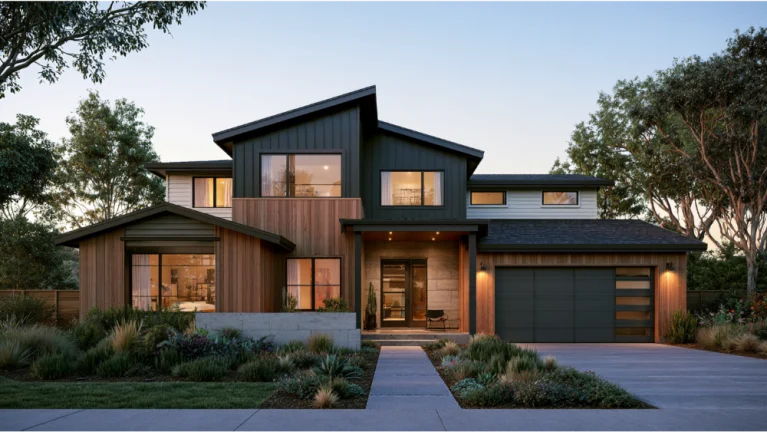
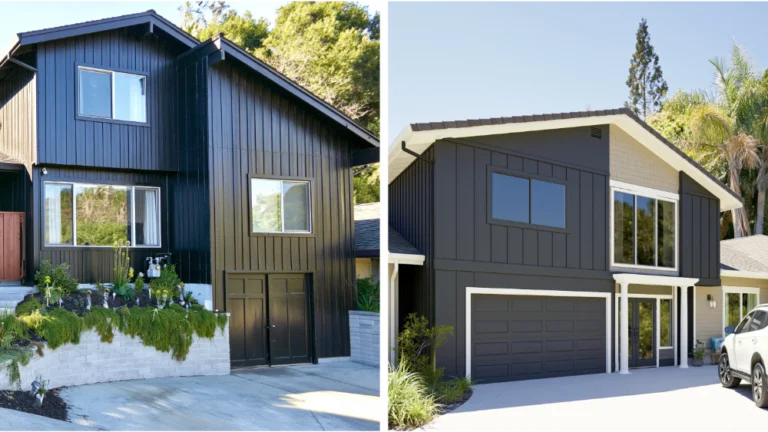
Vertical siding works across a full elevation or as a deliberate accent. Gables, dormers, entry walls, second stories, and bump-outs are the usual accent locations, and vertical lines help a wide single-story facade appear taller. Mixing vertical with horizontal is common. Batten spacing is your main design lever: wider spacing reads restrained, closer spacing reads more textured. Explore both on your own elevation before making a decision.
Vertical vs. Horizontal Lap Siding: How Do They Compare?
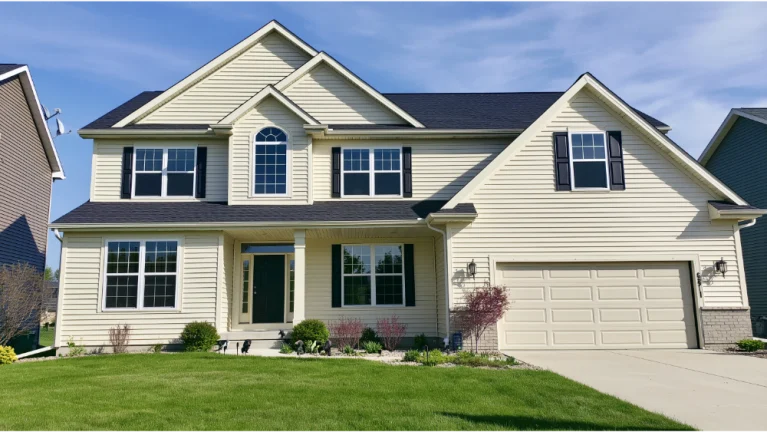
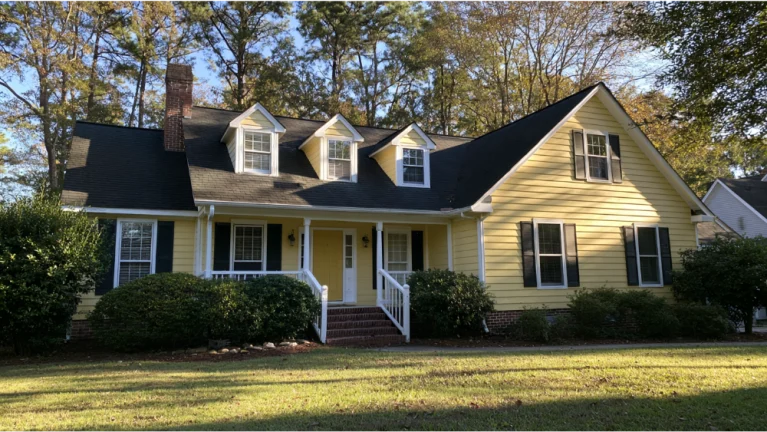
Horizontal lap siding is the more traditional style and holds broad market acceptance. Vertical reads contemporary and is generally more involved to install.
| Vertical | Horizontal (lap) | |
|---|---|---|
| Visual effect | Emphasizes height | Emphasizes width |
| Accent potential | Strong on gables and dormers | Usually the main field |
| Layout and trim complexity | Higher | Lower |
Neither orientation is universally correct, so choose what fits your home.
Does Vertical Siding Handle Moisture Better?

The face of a vertical wall sheds rain straight down, and panels rinse clean easily. That isn’t the same as keeping water out. Building-science guidance from the U.S. Department of Energy calls for a continuous weather-resistant barrier behind the cladding, integrated with flashing at windows, doors, and penetrations so water can drain. Vertical applications may also need furring and joint trim designed for the products specified. Quality workmanship decides the outcome.
Why the Material Matters More Than the Direction
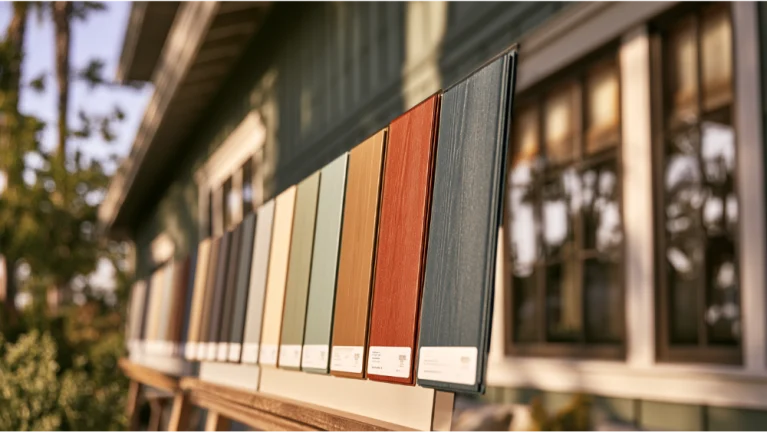
Vertical siding isn’t a material. Fire behavior, moisture and pest resistance, finish life, and warranty coverage come from the products you choose and the wall behind them. That’s why we install James Hardie fiber cement siding, the gold standard for durability, lasting beauty, and fire resistance. Hardie® Panel textures include Select Cedarmill®, Smooth, Stucco, and Sierra 8. ColorPlus® Technology colors are baked on at the factory and designed to resist fading, chipping, and peeling, so curb appeal holds for years. Orientation alone doesn’t create energy savings, though a re-side opens the wall for insulation and air-sealing improvements.
Is Vertical Fiber Cement Siding Fire Resistant?
James Hardie states its fiber cement complies with ASTM E136 as noncombustible cladding, which matters for homeowners evaluating materials in WUI areas. Noncombustible cladding is not a fire-resistance-rated wall assembly, and the classification does not cover paints or coatings. FEMA recommends replacing combustible siding with noncombustible or ignition-resistant materials.
Warranties and Certified Installation: What to Verify

- Current installation instructions for the products specified
- A weather-resistant barrier and flashing plan
- Panel and batten layout drawn before work starts
- Clearances at ground, roof, and hard surfaces
- Field-cut edge finishing and written warranty documents
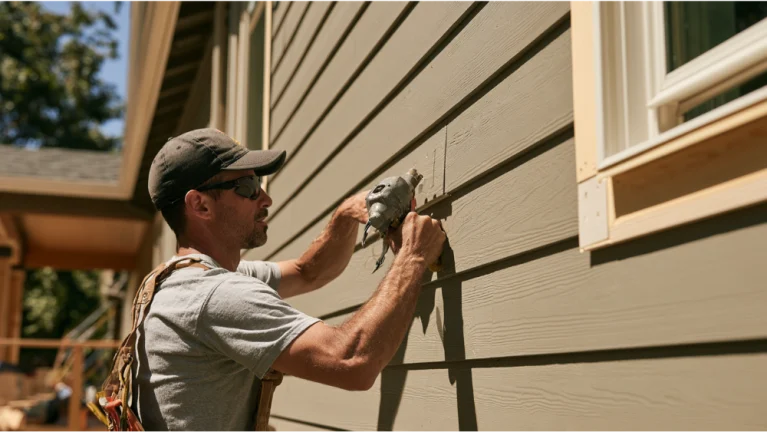
You’ll find three separate coverages here. A 30-year James Hardie material warranty is available, ColorPlus® Technology carries a 15-year limited finish warranty, and our 15-year workmanship warranty is separate coverage from us. We’re a James Hardie Alliance Select Contractor and an Anlin Authorized Dealer, family-owned, licensed, bonded, and insured under license #1092104, with over 25 years of experience. Tell us your vision and we’ll explore colors, profiles, and what the assembly needs.
Get Your Free Estimate Today. Call (916) 699-7070. Financing is available. Contact us for details.
Frequently Asked Questions
What is vertical siding called?
Board and batten is the common name for the best-known profile. Other forms are called vertical panel, grooved panel, and architectural panel siding.
What are the downsides of vertical siding?
More layout planning, sometimes added framing, and more trim details. Poor batten spacing risks making a facade look busy, and not every style suits every home.
Is vertical siding cheaper?
Usually not. Vertical work involves more layout, framing, and trim, so the scope is larger. Ask for a free estimate.
What is the best vertical siding?
Fiber cement, for durability. It’s noncombustible cladding, resists moisture and pests, stays beautiful through ColorPlus® Technology colors, and a 30-year material warranty is available.